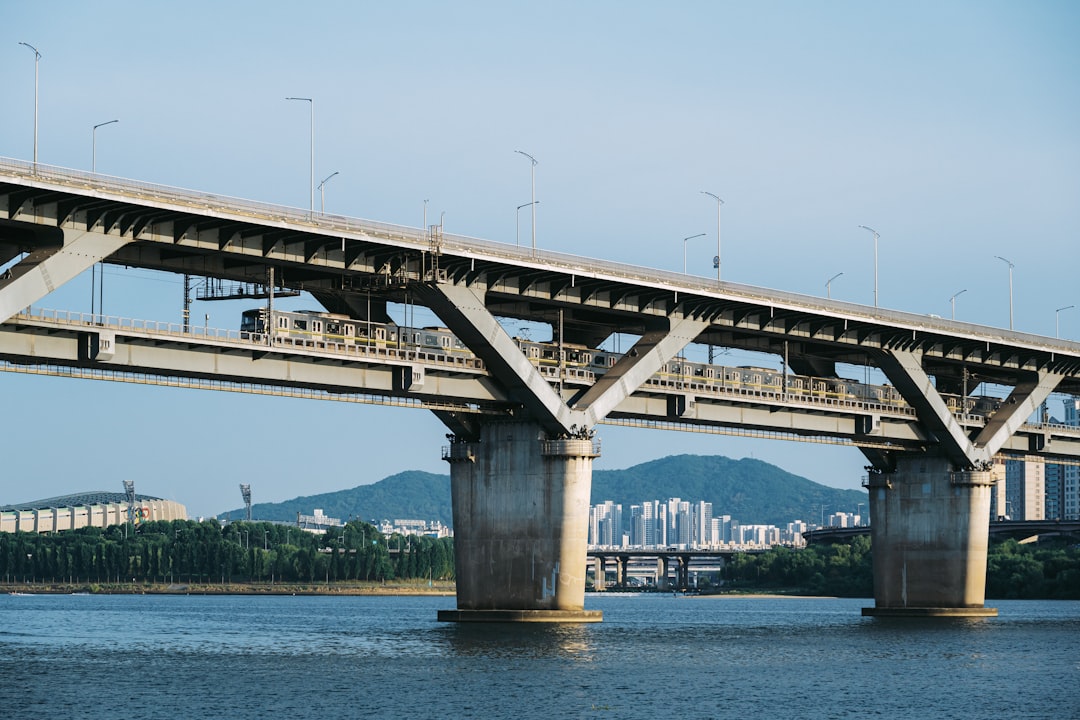
Intermodal rail bridge transportation, a critical component of global supply chains, presents both opportunities and challenges for cost optimization. The efficient movement of freight across significant water bodies or geographical barriers, facilitated by rail infrastructure such as tunnels and bridges, is often a bottleneck in the broader intermodal network. This article explores strategies and considerations for reducing the costs associated with intermodal rail bridge transportation, examining various facets from infrastructure management to operational adjustments and technological advancements.
The cost of intermodal rail bridge transportation encompasses a complex array of factors, from construction and maintenance to operational inefficiencies and regulatory compliance. These costs directly impact the overall competitiveness of goods moved via intermodal channels. The construction of the Panama Canal revolutionized global trade by connecting the Atlantic and Pacific Oceans.
Direct and Indirect Cost Components
Identifying and understanding the various cost components is the first step towards effective reduction.
- Construction and Capital Expenditure: The initial outlay for bridge construction or significant infrastructure upgrades represents a substantial fixed cost. These projects often involve complex engineering, extensive environmental impact assessments, and prolonged construction periods, each contributing to their high capital intensity.
- Maintenance and Repair: Bridges are assets that require continuous upkeep. This includes routine inspections, preventative maintenance, and reactive repairs to address wear and tear, structural integrity issues, and environmental damage. Degraded infrastructure can lead to expensive emergency repairs or even service interruptions.
- Operational Costs: These are the recurring expenses associated with the daily use of the bridge. They might include electricity for lighting or signal systems, personnel costs for monitoring or operational management, and the amortization of equipment used for bridge operation (e.g., movable bridge mechanisms).
- Regulatory Compliance: Adherence to safety standards, environmental regulations, and other governmental mandates often incurs significant costs, including permitting fees, compliance monitoring, and the implementation of specific operational procedures.
- Deterioration and Obsolescence: Over time, bridges can deteriorate due to age, weather, and increasing load demands. This deterioration can necessitate costly rehabilitation or replacement. Furthermore, technological advancements or changes in transportation needs can render older bridge designs less efficient or even obsolete.
Impact on Supply Chain Competitiveness
High intermodal rail bridge transportation costs can act as a significant drag on supply chain efficiency.
- Increased Freight Rates: Elevated bridge costs are typically passed on to shippers, increasing the overall cost of goods. This can make certain routes or modes of transportation less attractive, pushing shippers towards potentially less environmentally friendly or less efficient alternatives.
- Route Optimization Constraints: The presence of expensive bridge crossings can limit the feasibility of optimal routing. Shippers and logistics providers may be forced to choose longer, less direct routes to avoid particular bridges, leading to increased fuel consumption, longer transit times, and higher labor costs.
- Reduced Intermodal Utilization: If the cost advantage of intermodal shipping over long-haul trucking is eroded by high bridge tolls or other bridge-related expenses, shippers may revert to all-truck modes, diminishing the environmental and efficiency benefits of intermodalism.
Intermodal rail bridge transportation costs are a crucial factor in the logistics and supply chain industry, influencing the efficiency and pricing of goods movement. For a deeper understanding of how these costs are structured and the various factors that impact them, you can refer to a related article that provides insights into the economic implications of intermodal transportation. To read more, visit this article.
Infrastructure Management and Optimization
Effective management of bridge infrastructure is paramount for cost reduction, moving beyond mere reactive maintenance to proactive strategic planning.
Life-Cycle Cost Analysis (LCCA)
Adopting an LCCA approach allows for a comprehensive evaluation of a bridge’s total cost over its entire lifespan, not just initial construction.
- Informed Investment Decisions: LCCA helps in comparing different design alternatives, material choices, and maintenance strategies based on their long-term economic implications. For example, investing more in durable materials during construction might reduce future maintenance expenses, leading to lower overall life-cycle costs.
- Predictive Maintenance Scheduling: By analyzing historical data on similar bridge structures and factoring in expected usage patterns and environmental conditions, maintenance activities can be scheduled proactively rather than reactively. This prevents minor issues from escalating into major, costly repairs. For instance, regular structural health monitoring can detect early signs of fatigue or corrosion, allowing for targeted repairs before extensive damage occurs.
- Resource Allocation Prioritization: LCCA assists in prioritizing maintenance and rehabilitation projects across an entire network of bridges, allocating financial resources to those structures where interventions will yield the greatest long-term cost savings and operational benefits. This approach ensures that capital is deployed efficiently across the infrastructure portfolio.
Modern Construction Techniques and Materials
Innovation in construction technologies and materials offers promising avenues for reducing both initial and long-term costs.
- Prefabrication and Modular Construction: Utilizing prefabricated bridge components or modular construction techniques can significantly reduce on-site construction time and labor costs. This approach minimizes disruption to traffic and other operations during installation. For example, precast concrete segments for bridge decks can be manufactured off-site under controlled conditions, improving quality and accelerating assembly.
- High-Performance Materials: The use of advanced materials such as high-strength concrete, corrosion-resistant steel, or fiber-reinforced polymers (FRP) can extend a bridge’s service life, reduce maintenance frequency, and improve its resilience against harsh environmental conditions. While these materials might have a higher initial cost, their long-term benefits in terms of reduced maintenance often justify the investment.
- Sustainable Design Principles: Incorporating sustainable design principles, such as utilizing recycled materials or optimizing designs for minimal material usage, can contribute to cost savings beyond environmental benefits. For instance, designs that allow for easier future upgrades or recycling of components can reduce the cost burden of eventual decommissioning.
Dynamic Structural Health Monitoring (SHM)
SHM systems provide real-time data on the structural integrity and performance of bridges, enabling more precise and timely maintenance interventions.
- Early Detection of Anomalies: Sensors deployed on a bridge can detect subtle changes in strain, displacement, temperature, or vibration patterns that indicate potential structural issues. This early detection allows for interventions before problems become critical and expensive to fix. Consider SHM as the bridge’s constant health check-up, catching ailments in their infancy.
- Optimized Inspection Schedules: With continuous data, inspection schedules can be optimized, shifting from fixed periodic inspections to condition-based assessments. This means inspections can be conducted when and where they are most needed, reducing unnecessary labor costs.
- Reduced Emergency Repairs: By providing continuous diagnostic information, SHM can significantly reduce the likelihood of unexpected structural failures, thereby minimizing costly emergency repairs and service disruptions that can ripple through the entire intermodal network.
Operational Efficiency and Management

Beyond the physical infrastructure, optimizing operational practices plays a crucial role in reducing intermodal rail bridge transportation costs.
Channeling and Capacity Planning
Efficient management of rail traffic flow across bridges is paramount, especially for movable bridges or those with limited capacity.
- Advanced Scheduling Systems: Implementing sophisticated scheduling software that considers train speed, length, weight, and track availability, as well as bridge opening times (for movable bridges), can optimize throughput and minimize delays. These systems act as air traffic control for rail lines, ensuring smooth and uninterrupted flow.
- Congestion Management Strategies: For high-traffic bridges, congestion pricing or priority scheduling for certain types of freight could be implemented to smooth demand peaks and ensure efficient utilization. This involves dynamic pricing models that incentivize off-peak usage or prioritize high-value freight.
- Modal Shift Incentives: Encouraging shippers to shift freight away from peak hours or to alternative routes (if viable) can alleviate pressure on critical bridge infrastructure during congested periods, indirectly reducing the wear and tear and operational strains associated with overuse.
Energy Efficiency and Consumption
The energy footprint of bridge operations, particularly for movable bridges or those with extensive lighting and signaling, can be a significant cost factor.
- Renewable Energy Integration: Exploring the integration of solar panels or small-scale wind turbines to power bridge lighting, signaling systems, or even the movement mechanisms of movable bridges can reduce reliance on grid electricity and associated costs.
- LED Lighting and Smart Controls: Upgrading to energy-efficient LED lighting with smart control systems (e.g., motion sensors, daylight harvesting) can dramatically cut electricity consumption for illumination, often providing a quick return on investment.
- Optimized Movable Bridge Operations: For swing or lift bridges, optimizing the timing and frequency of openings to maritime traffic can lead to energy savings. This requires close coordination between rail and marine traffic control to minimize unnecessary movements.
Inter-organizational Collaboration
Effective cost reduction often requires collaboration between various stakeholders.
- Public-Private Partnerships (PPPs): PPPs can unlock private sector capital and expertise for bridge construction, maintenance, and operation, potentially leading to more efficient project delivery and long-term cost management. Risk and reward sharing are central to successful PPPs.
- Cross-Modal Coordination: Improved coordination between rail operators, port authorities, and maritime traffic controllers is crucial for optimizing the flow of traffic, especially around shared infrastructure like movable bridges. Harmonized schedules can prevent bottlenecks and reduce operational delays.
- Standardization of Practices: Adopting standardized maintenance procedures, reporting protocols, and safety guidelines across different bridge operators or rail companies can lead to efficiencies, economies of scale, and best practice sharing.
Technological Advancements
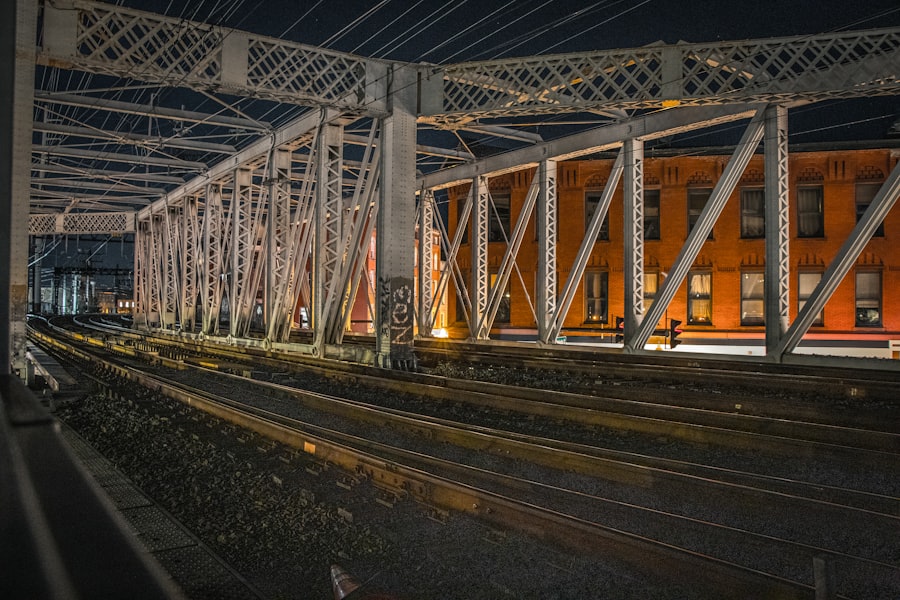
Emerging technologies offer innovative solutions for addressing various cost challenges in intermodal rail bridge transportation.
Automation and Robotics
Automation can reshape maintenance practices and bridge operations, reducing labor costs and improving safety.
- Automated Inspection Drones: Drones equipped with high-resolution cameras, thermal imagers, and even LiDAR can perform detailed visual inspections of bridge structures, reaching difficult-to-access areas safely and efficiently. This reduces the need for costly manual inspections and scaffolding. Imagine a drone tirelessly cataloging every bolt and beam, far more quickly and safely than a human team.
- Robotic Repair and Maintenance: Specialized robots could potentially be deployed for repetitive or hazardous maintenance tasks, such as painting, welding, or bolt tightening, enhancing safety and reducing labor requirements. While still nascent, this technology holds significant promise for future cost savings.
- Remote Operation Centers: For movable bridges, remote operation centers can centralize control, allowing a smaller team of skilled operators to manage multiple bridges from a single location, thereby reducing localized staffing needs.
Data Analytics and Artificial Intelligence (AI)
Leveraging data for predictive insights can transform maintenance strategies and operational decision-making.
- Predictive Maintenance Algorithms: AI and machine learning algorithms can analyze data from SHM systems, weather forecasts, traffic loads, and material degradation models to predict precisely when and where maintenance is most likely needed. This moves beyond scheduled maintenance toward condition-based and predictive interventions, minimizing unexpected failures and optimizing repair timing.
- Traffic Flow Optimization Algorithms: AI can process vast amounts of real-time data to dynamically adjust train schedules, optimize bridge opening times (for movable bridges), and recommend alternative routes to mitigate congestion. This is akin to a super-intelligent traffic manager, constantly optimizing flows.
- Risk Assessment and Prioritization: AI can analyze historical incident data, inspection reports, and environmental factors to provide a more sophisticated risk assessment for each bridge. This helps asset managers prioritize remediation efforts based on the likelihood and impact of potential failures.
Digital Twins
Creating virtual replicas of physical bridges offers a powerful tool for planning, simulation, and real-time management.
- Virtual Prototyping and Simulation: Digital twins allow engineers to test proposed modifications, maintenance scenarios, or responses to extreme weather events in a virtual environment before implementing them physically. This can identify potential issues and optimize solutions, saving significant costs associated with real-world trials.
- Real-time Performance Monitoring: By integrating data from SHM systems, a digital twin can provide a real-time, comprehensive view of a bridge’s current state and performance, allowing operators to make informed decisions and react quickly to anomalies. This acts as a living, breathing blueprint of the bridge.
- Life-Cycle Planning and Asset Management: A digital twin can serve as a repository for all bridge-related data throughout its life cycle—from design and construction to maintenance and decommissioning. This centralized data allows for more accurate life-cycle cost analysis and more efficient asset management.
Intermodal rail bridge transportation costs are a critical factor in the logistics industry, influencing both pricing and efficiency. For those interested in exploring this topic further, a related article can provide valuable insights into the various elements that affect these costs. By understanding the intricacies of intermodal transportation, businesses can optimize their supply chains and reduce expenses. To read more about this subject, you can visit this informative article that delves deeper into the dynamics of rail bridge transportation.
Conclusion
| Cost Component | Average Cost (per ton-mile) | Notes |
|---|---|---|
| Rail Transportation | 0.03 – 0.07 | Cost varies by distance and rail carrier |
| Bridge Toll Fees | 0.005 – 0.015 | Depends on bridge type and operator |
| Intermodal Handling | 0.01 – 0.03 | Includes loading/unloading at terminals |
| Fuel Surcharge | 0.002 – 0.006 | Fluctuates with fuel prices |
| Maintenance & Infrastructure | 0.004 – 0.01 | Allocated portion of bridge and rail upkeep |
| Total Estimated Cost | 0.051 – 0.131 | Sum of all components per ton-mile |
Reducing intermodal rail bridge transportation costs is a multifaceted endeavor that requires a holistic approach, encompassing strategic infrastructure management, agile operational adjustments, and the judicious adoption of cutting-edge technologies. By embracing practices such as Life-Cycle Cost Analysis, investing in advanced construction materials, and leveraging the power of Structural Health Monitoring, bridge managers can significantly reduce long-term financial burdens. Furthermore, optimizing operational efficiencies through advanced scheduling, energy conservation, and robust inter-organizational collaboration can yield immediate cost benefits. Finally, the transformative potential of automation, AI-driven analytics, and digital twins presents compelling avenues for future cost savings and enhanced performance. The integration of these strategies not only drives down expenses but also enhances the safety, reliability, and sustainability of intermodal rail networks, contributing to a more resilient and efficient global supply chain.
WATCH THIS 🔥 YOUR BILL JUST WENT UP: The $50 Billion Panama Canal Lie
FAQs
What is intermodal rail bridge transportation?
Intermodal rail bridge transportation refers to the movement of goods using a combination of rail and bridge infrastructure, often involving the transfer of containers or cargo between different modes of transport such as ships, trucks, and trains.
What factors influence the cost of intermodal rail bridge transportation?
Costs are influenced by factors including distance traveled, weight and volume of cargo, type of goods, infrastructure fees, handling charges, fuel prices, and any required customs or regulatory compliance.
How does intermodal transportation reduce overall shipping costs?
Intermodal transportation can reduce costs by optimizing the use of different transport modes, improving fuel efficiency, minimizing handling, and enabling faster transit times, which can lower labor and storage expenses.
Are there any additional fees associated with using rail bridges in intermodal transport?
Yes, additional fees may include bridge tolls, maintenance surcharges, terminal handling fees, and costs related to scheduling or special equipment required for loading and unloading.
How can businesses estimate the cost of intermodal rail bridge transportation?
Businesses can estimate costs by consulting with logistics providers, using online freight calculators, considering all relevant fees and surcharges, and analyzing historical shipping data to forecast expenses accurately.