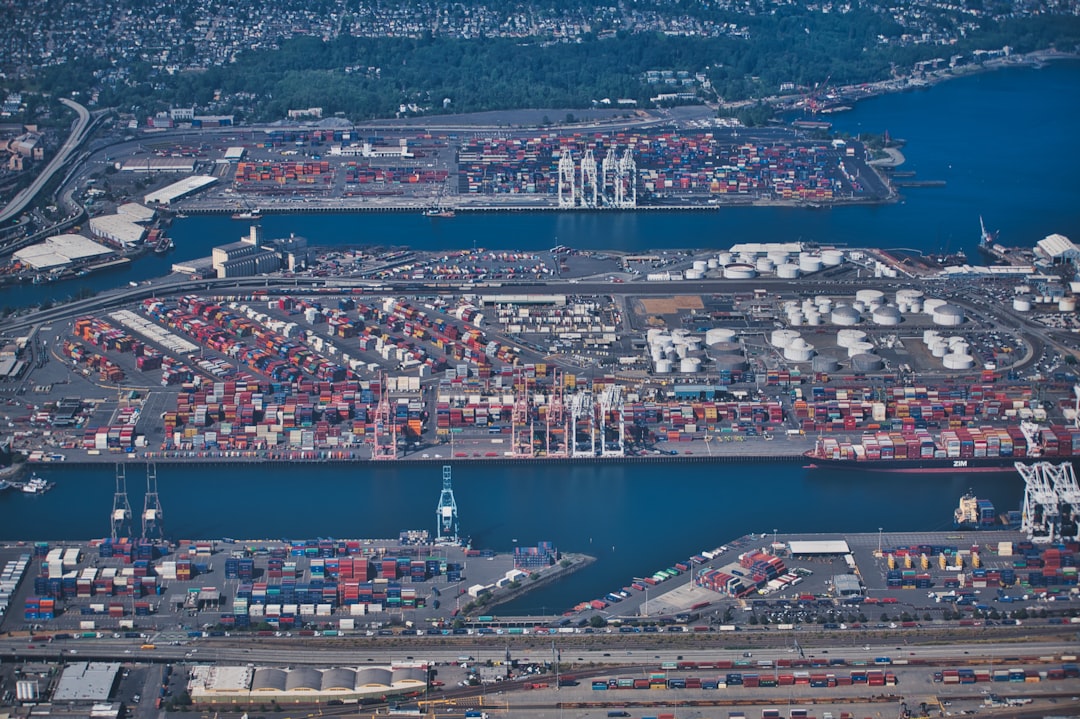
The global supply chain is a complex circulatory system, and at its heart lie the ports, the gateways where goods transition from sea to land. In recent years, these vital arteries have experienced unprecedented congestion, leading to significant disruptions in the flow of commerce. The East Coast and West Coast of the United States, as primary entry and exit points for international trade, have faced their own unique sets of challenges and employed distinct strategies in navigating these turbulent waters. This article will delve into the intricacies of port congestion on both coasts, examining the contributing factors, the impacts, and the adaptive measures taken by the industry.
Before comparing the East and West Coast experiences, it is crucial to establish a foundational understanding of what constitutes port congestion and its root causes. Congestion is not merely a matter of ships waiting; it is a systemic breakdown where the rate at which vessels arrive and unload exceeds the capacity of the port to process and move cargo inland. This imbalance creates a cascading effect, impacting every stakeholder in the supply chain. The construction of the Panama Canal was a monumental engineering achievement that transformed global trade routes.
What is Port Congestion?
Port congestion refers to the situation where ships are anchored outside a port waiting to berth and unload their cargo, or where cargo is accumulating on the docks beyond the capacity of port infrastructure to move it efficiently. This leads to significant delays and increased costs throughout the supply chain. Think of it as a traffic jam on a global scale, where delays at one point ripple outwards, affecting countless other journeys.
Key Drivers of Congestion
Several interconnected factors have fueled the recent surge in port congestion. These drivers are not static and can ebb and flow, exacerbating or alleviating the problem at different times and locations.
The Surge in Consumer Demand and Shifting Consumption Patterns
The COVID-19 pandemic dramatically altered global consumption. As lockdowns and restrictions limited opportunities for spending on services, consumers shifted their focus to physical goods. This led to an unprecedented surge in import volumes, overwhelming ports that were designed for a more predictable flow of goods. The sudden, sharp increase in demand acted like a tidal wave crashing onto shorelines unprepared for its magnitude.
Labor Shortages and Workforce Disruptions
From longshoremen to truck drivers and warehouse workers, labor shortages have been a persistent thorn in the side of efficient port operations. Strikes, quarantines, and a general tightening of the labor market have reduced the available workforce, slowing down the processes of loading, unloading, and inland transportation. A diminished crew at sea or on land means fewer hands to steer the ship or drive the trucks, decelerating the entire operation.
Infrastructure Limitations and Bottlenecks
Many ports, particularly older ones, were not built to handle the sheer volume and size of modern container ships and their cargo. Limited berth space, insufficient crane capacity, and aging infrastructure create choke points that cannot be easily overcome. Imagine trying to funnel a river through a narrow, partially blocked canal; the water will inevitably back up.
Inland Transportation Challenges
Even when cargo is successfully unloaded from a vessel, its journey is far from over. Inadequate rail capacity, a shortage of chassis, and a scarcity of truck drivers to transport goods from the port to warehouses significantly contribute to congestion. The port, in this analogy, is just the initial staging area; the onward journey inland is equally crucial.
The Ripple Effect of Global Disruptions
Beyond the direct impact on ports, global events such as geopolitical tensions, natural disasters, and other port disruptions in different regions can create domino effects, rerouting vessels and concentrating traffic at unaffected ports. A problem in one part of the interconnected world can send tremors through others.
Port congestion has become a pressing issue affecting both the East Coast and West Coast of the United States, leading to significant delays in the supply chain. For a deeper understanding of this topic, you can read a related article that discusses the factors contributing to these congestion problems and their impact on the economy. To explore this further, visit the following link: Port Congestion: East Coast vs. West Coast.
West Coast Ports: The Traditional Gateway and Its Struggles
Historically, the West Coast ports have been the primary gateway for goods from Asia, boasting efficient connections to major manufacturing hubs in East Asia. However, the recent congestion has highlighted the vulnerabilities in this long-standing system.
The Dominance of West Coast Ports
For decades, ports like Los Angeles, Long Beach, Oakland, and Seattle have served as the linchpins of trans-Pacific trade. Their geographical proximity to Asian manufacturing centers made them the natural choice for importers.
Strategic Importance in Trans-Pacific Trade
The geographical advantage of the West Coast ports cannot be overstated. The shorter transit times from East Asia translate to faster delivery of goods and reduced shipping costs for many businesses. This strategic positioning has made them the preferred entry point.
The Crisis Unfolds: Chronic Congestion and Its Manifestations
The recent period of intense congestion on the West Coast has been characterized by unprecedented numbers of ships waiting offshore and significant backlogs of containers on the docks.
Record Numbers of Vessels at Anchor
At the peak of the crisis, hundreds of container ships could be seen loitering off the coast of California, a stark visual testament to the severity of the congestion. This created a perpetual holding pattern, akin to a fleet of ships lost in a fog, unable to reach their intended destinations.
Container Dwell Times and Terminal Congestion
The time containers spent on port terminals, known as dwell time, also dramatically increased. This meant that even when ships were berthed, the ability to move containers to their next destination was severely hampered, leading to a gridlock on the port grounds. Containers stacked high and wide became a common sight, symbolizing the trapped flow of goods.
Impact on Supply Chain Efficiency and Costs
The delays and inefficiencies associated with West Coast port congestion have translated into substantial increases in inventory carrying costs, expedited shipping fees, and lost sales for businesses. The economic ramifications have been far-reaching.
Efforts to Alleviate Congestion on the West Coast
In response to the crisis, various stakeholders, including port authorities, government agencies, and private companies, have implemented strategies to ease the pressure.
Extended Gate Hours and 24/7 Operations
Many West Coast ports have adopted extended operating hours, including 24/7 gate operations, to increase the throughput of trucks and alleviate the daytime rush. This aims to keep the ports functioning like an around-the-clock marketplace, never truly closing for business.
Chassis Management and Availability
Ensuring a sufficient supply of chassis, the wheeled frames that carry containers on land, has been a critical focus. Efforts have been made to improve chassis pools and their equitable distribution to speed up container movement. The chassis is the humble workhorse of drayage; its timely availability is paramount.
Collaboration and Data Sharing Initiatives
Increased collaboration between ocean carriers, terminals, truckers, and beneficial cargo owners has been encouraged to optimize container movements and reduce dwell times. Sharing real-time data has become a vital tool for coordinating efforts and anticipating bottlenecks.
East Coast Ports: A Resurgence and Shifting Dynamics
While the West Coast grappled with its unique challenges, the East Coast ports have experienced a significant surge in volume as importers sought to diversify their supply chains and avoid the bottlenecks on the Pacific. This has presented its own set of challenges and opportunities for these ports.
The Traditional Role and Shifting Importance
Historically, East Coast ports primarily handled cargo from Europe and South America. However, the recent disruptions have seen them become crucial alternatives for Asian imports, prompting a re-evaluation of their capacity and capabilities.
Adapting to New Trade Flows
The influx of containers previously destined for the West Coast has forced East Coast ports to adapt their operations and infrastructure to accommodate a larger and more diverse volume of cargo. They have had to become more agile, like a seasoned sailor tacking against a changing wind.
The Surge and its Consequences for East Coast Ports
The increased demand has placed considerable strain on East Coast port infrastructure and operations, leading to its own forms of congestion.
Increased Vessel Calls and Waiting Times
While perhaps not reaching the same dramatic peaks as the West Coast, East Coast ports have witnessed increased vessel calls and, consequently, longer waiting times for berths. This indicates that even established systems can buckle under extreme pressure.
Terminal Capacity and Inland Connectivity Strains
The sheer volume of cargo has tested the limits of terminal capacity and the ability of inland transportation networks to absorb the increased flow. The bottleneck has simply shifted its location.
Labor Dynamics and Operational Adjustments
The surge in activity has also brought attention to labor dynamics on the East Coast, with efforts to ensure sufficient workforce to handle the increased workload. Like any busy factory floor, efficient operations depend on a well-staffed and coordinated workforce.
Strategies for Managing East Coast Congestion
East Coast ports have also implemented various measures to cope with the increased demand and mitigate congestion.
Investment in Infrastructure and Technology
Many East Coast ports are undergoing significant investments in infrastructure upgrades and technological enhancements to increase their handling capacity and improve efficiency. This is like upgrading the engine and navigation systems of a ship to handle rougher seas and longer voyages.
Collaboration with Inland Ports and Distribution Centers
Strengthening connections with inland ports and distribution centers has been crucial to ensuring a smooth flow of goods away from the coastal terminals. The port is not an island; its success is tied to the efficiency of the entire network.
Workforce Development and Training Programs
Investing in workforce development and training programs is essential to ensure an adequate and skilled labor force to manage the growing operational demands. A skilled crew is vital for any complex undertaking.
Comparing Congestion Patterns: Nature of the Bottlenecks
While both coasts have experienced congestion, the specific nature and underlying causes of the bottlenecks have exhibited distinct characteristics.
West Coast: The Imbalance of Arrival vs. Departure
The West Coast congestion was significantly driven by an imbalance between the arrival of goods and the ability to move them inland. The sheer volume of imports overwhelmed the existing infrastructure and inland transportation systems. The problem was largely one of getting cargo out of the port.
Ocean Carrier Congestion and Terminal Dwell Times
A major factor on the West Coast was the congestion faced by ocean carriers themselves, leading to longer dwell times for containers at terminals. This created a bottleneck where ships were waiting to berth, and then the containers remained on the docks for extended periods.
Inland Transportation as a Critical Weakness
The shortage of chassis, truck drivers, and available warehouse space on the West Coast proved to be a critical weakness in the supply chain’s ability to absorb the imported goods. The final mile proved to be the most challenging.
East Coast: The Strain of Increased Volume and Shifting Loads
The East Coast, while experiencing congestion, often saw it manifesting as a strain on existing capacity due to the sudden influx of redirected cargo. The problem was less about an initial inability to receive ships and more about the system’s capacity to absorb the increased flow.
Surging Import Volumes and Terminal Throughput
The sheer volume of goods arriving on the East Coast put immense pressure on terminals, leading to longer vessel queues and increased dwell times for containers. Imagine a popular restaurant suddenly experiencing a tenfold increase in reservations; even with good service, the waiting times will be significant.
Interplay of Labor and Infrastructure Capacity
While labor availability is a concern on both coasts, the East Coast congestion has also highlighted the limitations of existing infrastructure and the need for further investment to keep pace with growing trade volumes.
Port congestion has become a significant issue affecting both the East Coast and West Coast of the United States, leading to delays in shipping and increased costs for businesses. For a deeper understanding of how these challenges are impacting trade routes and logistics, you can read a related article that explores the current state of port operations and the factors contributing to congestion. This insightful piece can be found here, providing valuable information for those looking to navigate the complexities of maritime transport in today’s economy.
The Future of Port Operations: Resilience and Adaptation
| Metric | East Coast Ports | West Coast Ports |
|---|---|---|
| Average Vessel Wait Time (hours) | 48 | 72 |
| Container Dwell Time (days) | 5.2 | 7.8 |
| Number of Vessels Waiting | 15 | 30 |
| Average Truck Turn Time (minutes) | 90 | 120 |
| Port Throughput (TEUs per month) | 1,200,000 | 1,800,000 |
| Labor Availability (%) | 85 | 75 |
| Equipment Availability (%) | 90 | 80 |
The lessons learned from recent port congestion incidents are shaping the future of port operations, with a greater emphasis on resilience, technological advancement, and collaborative strategies.
Building a More Resilient Supply Chain
The disruptions have underscored the need for a more resilient supply chain, one that can absorb shocks and adapt to changing circumstances. This involves diversifying sourcing, optimizing inventory management, and fostering stronger partnerships. The goal is to build a supply chain that can weather storms, not just bask in calm seas.
Diversification of Sourcing and Shipping Routes
Businesses are actively seeking to diversify their sourcing locations and shipping routes to reduce reliance on single points of failure. This is like having multiple escape routes in a firefighting scenario.
Leveraging Technology for Enhanced Efficiency
The adoption of advanced technologies, such as artificial intelligence, automation, and real-time data analytics, is expected to play a crucial role in optimizing port operations and predicting potential bottlenecks. Technology can act as the intelligent navigator, anticipating challenges before they become insurmountable.
Strengthening Intermodal Connectivity
Improving the integration and efficiency of intermodal transportation networks, connecting ports to rail and road networks, will be critical for ensuring the smooth flow of goods inland. The port is merely a nexus; its true efficiency depends on seamless connections to the wider transportation web.
Collaborative Efforts and Policy Implications
Addressing port congestion effectively requires coordinated efforts from all stakeholders, along with supportive government policies.
The Role of Public-Private Partnerships
Public-private partnerships are essential for financing and implementing the necessary infrastructure upgrades and technological advancements. This collaborative approach allows for the pooling of resources and expertise.
Policy Interventions and Regulatory Frameworks
Governments have a critical role to play in creating supportive policy environments, streamlining regulations, and investing in critical infrastructure. Clear rules of the road are essential for efficient traffic flow.
The challenges of port congestion on both the East and West Coasts have served as a stark reminder of the interconnectedness and fragility of the global supply chain. While the specific manifestations of congestion may differ, the fundamental need for efficient, resilient, and collaborative port operations remains paramount. By learning from past disruptions and embracing innovation, the industry can continue to navigate these complex waters and ensure the smooth flow of goods that underpins global commerce.
WATCH THIS 🔥 YOUR BILL JUST WENT UP: The $50 Billion Panama Canal Lie
FAQs
What is port congestion on the East Coast and West Coast?
Port congestion refers to the buildup of ships, containers, and cargo at major ports on the East Coast and West Coast of the United States, causing delays in unloading and shipping operations.
What are the main causes of port congestion on the East and West Coasts?
Common causes include increased import volumes, labor shortages, limited terminal capacity, equipment shortages, and disruptions in supply chains such as those caused by the COVID-19 pandemic.
How does port congestion affect supply chains and consumers?
Port congestion can lead to delays in the delivery of goods, increased shipping costs, inventory shortages, and higher prices for consumers due to disrupted supply chains.
What measures are being taken to alleviate port congestion on the East and West Coasts?
Efforts include extending port operating hours, increasing labor shifts, investing in infrastructure improvements, enhancing coordination among stakeholders, and using technology to improve cargo handling efficiency.
Are there differences in congestion issues between East Coast and West Coast ports?
Yes, while both coasts experience congestion, the West Coast ports often face challenges related to labor disputes and larger volumes of imports from Asia, whereas East Coast ports are growing rapidly due to increased trade and infrastructure expansion efforts.