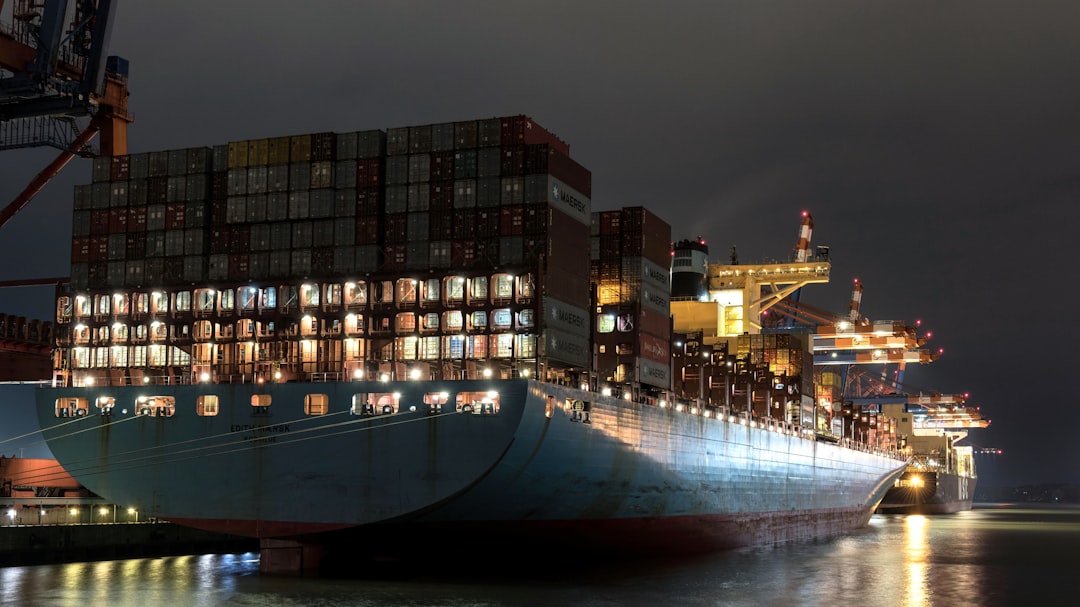
The intricate web of global trade, a circulatory system vital for the health of the world economy, is increasingly susceptible to disruptions stemming from vulnerable chokepoints. These narrow passageways, whether maritime straits, land bridges, or digital pipelines, are points of concentrated traffic where a blockage can send cascading shockwaves throughout the international supply chain. Understanding and mitigating these vulnerabilities is paramount for maintaining economic stability and fostering resilience.
A trade chokepoint, in essence, operates as a critical node in a larger network. Its closure or impairment can lead to significant delays, increased costs, and even the complete rerouting of goods. The vulnerability of such a point is determined by several factors, including its volume of traffic, the availability of alternative routes, and the geopolitical stability of the surrounding region. Learn about the history and engineering marvel of the Panama Canal in this informative video.
Maritime Chokepoints: The Sea Lanes of Commerce
Maritime chokepoints represent some of the most critical vulnerabilities in global trade. These narrow waterways are traversed by a disproportionate share of global shipping, including a significant portion of the world’s energy supplies.
The Suez Canal: A Lifeline Between Continents
The Suez Canal, connecting the Mediterranean Sea to the Red Sea, serves as a crucial artery for maritime trade between Europe and Asia. Its closure, as dramatically demonstrated by the grounding of the Ever Given in 2021, can halt billions of dollars in trade daily. The vulnerability here is primarily physical, though geopolitical instability in the region could also pose threats. Alternative routes around the Cape of Good Hope add significant time and cost to voyages, highlighting the canal’s irreplaceable efficiency.
The Strait of Hormuz: The Oil Tap of the World
Located at the mouth of the Persian Gulf, the Strait of Hormuz is the world’s most important oil transit chokepoint. Through its narrow waters passes a substantial percentage of the world’s seaborne oil. This strait is particularly susceptible to geopolitical tensions, given its proximity to several oil-producing nations and the history of regional conflicts. Any disruption here could lead to global energy shocks and significant economic instability.
The Bab el-Mandeb Strait: A Gateway Under Threat
Connecting the Red Sea to the Gulf of Aden, the Bab el-Mandeb Strait is a vital link for shipping between the Suez Canal and Asia. This chokepoint has faced increasing threats from piracy and regional conflicts, particularly the Yemen civil war. While not as high-profile as the Suez or Hormuz, its disruption would significantly impact shipping routes and global supply chains.
The Strait of Malacca: Asia’s Busy Intersection
Positioned between Malaysia, Indonesia, and Singapore, the Strait of Malacca is one of the busiest shipping lanes in the world, serving as a critical passage for trade between the Indian Ocean and the Pacific Ocean. Its vulnerability stems from its high traffic density, the potential for piracy, and the risk of accidents given the sheer volume of vessels. The sheer number of vessels passing through creates a latent risk of bottlenecks even without malicious intent.
Land-Based Chokepoints: Terrestrial Arteries
While maritime routes often dominate discussions of chokepoints, land-based infrastructure also presents significant vulnerabilities, particularly in the context of rail, road, and pipeline networks.
Transcontinental Rail Lines: Bridges to Markets
Major transcontinental rail lines, such as sections of the Trans-Siberian Railway or critical rail links through mountainous regions, can act as chokepoints. Natural disasters, infrastructure failures, or political instability in the regions they traverse could lead to significant delays in freight movement. The reliance on these routes for specific types of cargo, or for reaching landlocked regions, amplifies their importance.
Crucial Border Crossings: Gateways to Commerce
Designated border crossings, especially those between major trading blocs or heavily industrialized regions, are de facto chokepoints. These can be disrupted by political disputes, protests, or heightened security measures, as vividly illustrated by various blockades in recent years. The cumulative effect of delayed trucks and goods at these junctures can quickly escalate into widespread supply chain issues.
In recent discussions about global trade chokepoint vulnerability, an insightful article titled “Navigating the Risks: Understanding Global Trade Chokepoints” can be found at MyGeoQuest. This article delves into the critical nature of chokepoints in international shipping routes and highlights the potential disruptions that can arise from geopolitical tensions, natural disasters, or infrastructure failures. By examining case studies and expert analyses, it provides a comprehensive overview of how these vulnerabilities can impact global supply chains and the economy at large.
Geopolitical Undercurrents and Emerging Threats
The vulnerability of global trade chokepoints is not static; it evolves with shifts in geopolitical power, technological advancements, and the changing nature of conflict. Understanding these dynamic factors is crucial for effective mitigation strategies.
State-Sponsored Disruption and Hybrid Warfare
The concept of hybrid warfare increasingly extends to economic coercion and the deliberate disruption of trade routes. States or non-state actors might employ cyberattacks on port infrastructure, satellite navigation systems, or even physically blockade critical waterways using a range of tactics, from naval vessels to strategically placed obstacles. This grey zone of conflict makes attribution difficult and response complex, as it blurs the lines between conventional warfare and economic sabotage.
Climate Change and Environmental Risks
Climate change poses an escalating threat to traditional notions of chokepoint vulnerability. Extreme weather events, such as prolonged droughts, intense storms, or rising sea levels, can directly impact port infrastructure, canal operations, and land routes. The Panama Canal, for instance, has recently faced operational constraints due to reduced water levels caused by drought, impacting transit capacity. The increasing frequency and intensity of these events necessitate a re-evaluation of long-term infrastructure resilience.
Technological Dependencies and Cyber Threats
Modern trade relies heavily on interconnected digital systems for logistics, communication, and navigation. This technological reliance introduces a new layer of chokepoint vulnerability. Cyberattacks on port systems, shipping companies, or even individual vessels could lead to massive dislocations, data breaches, and operational paralysis. The global positioning system (GPS), a fundamental tool for modern navigation, is also susceptible to jamming or spoofing, potentially disorienting vessels in narrow waterways.
Mitigating Vulnerability: Building Resilience
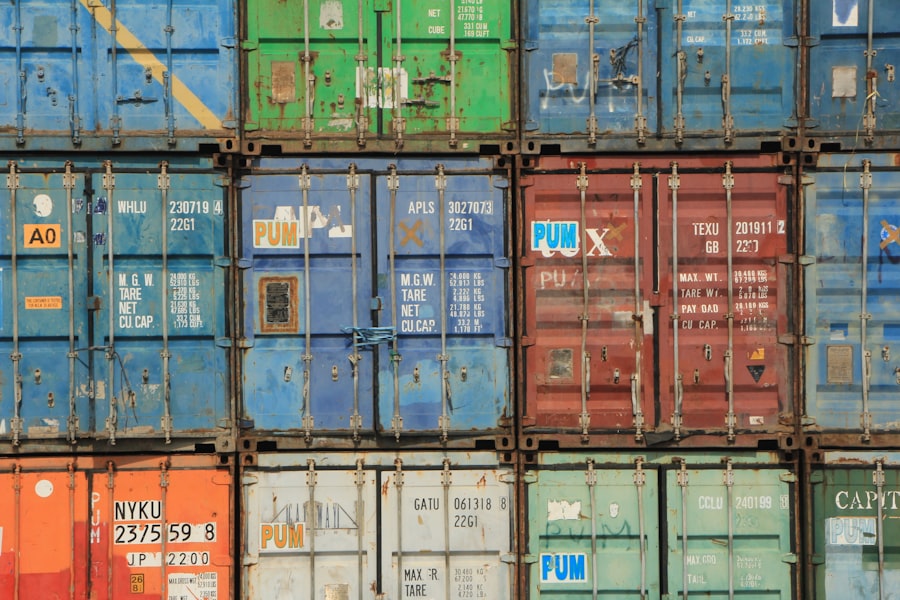
Addressing the multifaceted challenges posed by chokepoint vulnerability requires a comprehensive and multi-pronged approach involving governments, international organizations, and the private sector. It is not merely about preventing disruptions, but also about building the capacity to absorb and recover from them.
Diversification of Routes and Suppliers
A core strategy for mitigating chokepoint risk is diversification. This involves investing in and promoting alternative trade routes, even if they are less efficient in optimal conditions. For instance, developing cross-continental land bridges alongside maritime routes reduces over-reliance on a single mode of transport. Furthermore, companies should aim to diversify their supplier base, reducing dependence on single-source regions that might be disproportionately affected by a specific chokepoint disruption. This creates redundancy, acting as an insurance policy against unforeseen events.
Infrastructure Investment and Modernization
Investing in robust and resilient infrastructure is fundamental. This includes upgrading port facilities, deepening navigation channels, maintaining critical land routes, and strengthening digital resilience against cyber threats. For example, considering dual-track rail lines instead of single lines in critical areas can offer resilience against localized disruptions. These investments should incorporate climate change projections to ensure long-term viability and adapt to future environmental stressors.
International Cooperation and Information Sharing
Given the global nature of trade chokepoints, international cooperation is indispensable. This includes joint efforts to combat piracy, maritime security agreements, and collaborative intelligence sharing among nations regarding potential threats. Organizations like the International Maritime Organization (IMO) play a crucial role in setting standards and coordinating global responses to maritime challenges. Bilateral and multilateral agreements can also facilitate the rapid response to and recovery from disruptions.
Strategic Stockpiling and Contingency Planning
Governments and major industries can enhance resilience through strategic stockpiling of critical goods, especially those at high risk of disruption. This provides a buffer against immediate shortages. Equally important is comprehensive contingency planning, which involves developing detailed response protocols for various disruption scenarios. This includes identifying alternative logistics providers, pre-negotiated contracts for emergency transportation, and clear communication channels to inform stakeholders promptly. Companies are increasingly employing “digital twins” and advanced simulation models to stress-test their supply chains against various chokepoint failure scenarios.
Technological Solutions and Enhanced Monitoring
Leveraging technology can significantly improve chokepoint security and efficiency. Advanced satellite imagery, real-time traffic monitoring systems, and AI-powered predictive analytics can identify potential bottlenecks or threats before they escalate. For instance, enhanced vessel tracking systems can provide early warnings of abnormal vessel behavior or potential collisions. Investing in resilient navigation systems, less susceptible to jamming or spoofing, is also a critical technological safeguard. The development of autonomous shipping, while still nascent, could also offer a long-term pathway to increased safety and potentially more flexible routing, though it introduces its own set of cyber-physical security challenges.
The vulnerability of global trade chokepoints is a persistent and evolving challenge. As the world becomes increasingly interconnected and interdependencies deepen, the consequences of disruption at these critical junctures grow more profound. A proactive, adaptive, and collaborative approach is essential for navigating this complex landscape, ensuring the continued flow of goods and the sustained health of the global economy. Failure to address these vulnerabilities is to invite systemic fragility into a system that underpins the prosperity of nations worldwide.
WATCH THIS 🔥 YOUR BILL JUST WENT UP: The $50 Billion Panama Canal Lie
FAQs
What is a global trade chokepoint?
A global trade chokepoint is a narrow passage or strategic location through which a significant portion of international maritime trade passes. These chokepoints are critical for the efficient movement of goods and energy supplies between regions.
Why are global trade chokepoints considered vulnerable?
Global trade chokepoints are vulnerable because their narrow geography makes them susceptible to disruptions caused by geopolitical conflicts, piracy, natural disasters, or infrastructure failures. Any blockage or restriction can significantly impact global supply chains and trade flows.
Which are some of the most important global trade chokepoints?
Some of the most important global trade chokepoints include the Strait of Hormuz, the Suez Canal, the Panama Canal, the Strait of Malacca, and the Bab el-Mandeb Strait. These locations handle a large volume of global maritime traffic and energy shipments.
How can disruptions at trade chokepoints affect the global economy?
Disruptions at trade chokepoints can lead to delays, increased shipping costs, and shortages of goods and energy supplies. This can cause price volatility, impact manufacturing and consumption, and slow down economic growth worldwide.
What measures are taken to reduce vulnerability at global trade chokepoints?
Measures to reduce vulnerability include enhancing maritime security, diversifying trade routes, investing in alternative infrastructure, international cooperation to ensure safe passage, and developing contingency plans to manage potential disruptions.