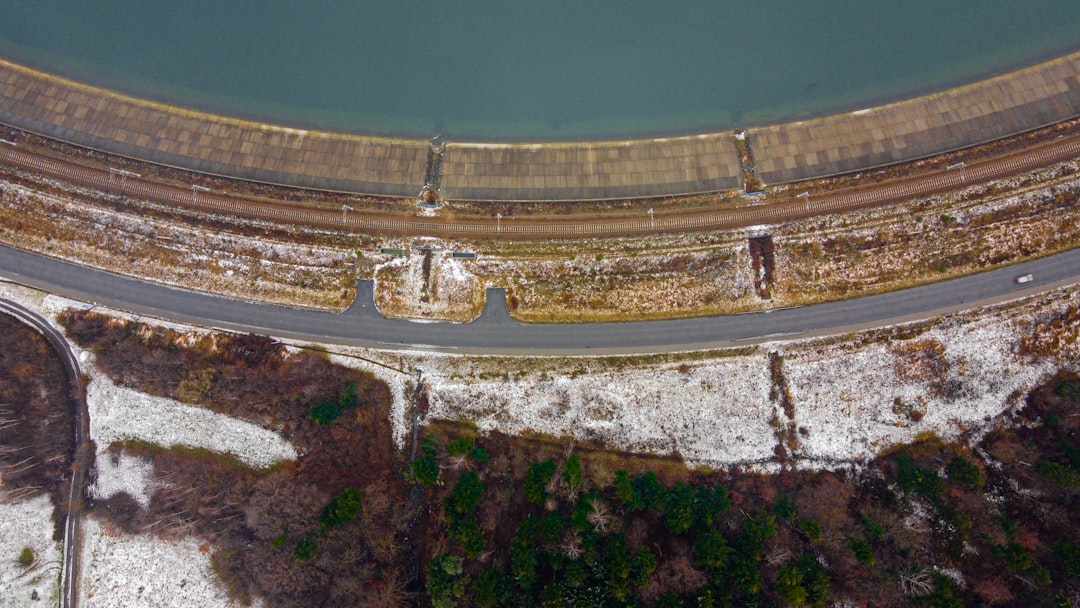
The Panama Canal, a monumental feat of engineering and a critical artery of global maritime trade, faces an unprecedented challenge: a severe drought exacerbated by the El Niño phenomenon. This natural climate pattern, characterized by the irregular warming of surface waters in the eastern tropical Pacific Ocean, has far-reaching consequences, particularly for regions heavily reliant on consistent rainfall. For the Panama Canal, where freshwater is not merely a resource but a fundamental operational requirement, the current drought poses a significant threat to its efficiency, capacity, and ultimately, its economic viability.
El Niño’s influence extends across the globe, altering weather patterns and impacting ecosystems. Its effects are a classic example of a complex, interconnected climatic system where a seemingly localized warming event can trigger a cascade of environmental and economic disruptions. Understanding its mechanisms is crucial to appreciating the challenges currently confronting the Panama Canal. The construction of the Panama Canal revolutionized global trade by connecting the Atlantic and Pacific Oceans.
What is El Niño?
El Niño-Southern Oscillation (ENSO) is a recurring climate pattern involving changes in the temperature of surface waters in the equatorial Pacific Ocean and the air pressure above them. El Niño refers to the warm phase of ENSO, characterized by warmer-than-average sea surface temperatures in the central and eastern equatorial Pacific. This warming weakens or even reverses the westward trade winds, altering oceanic currents and atmospheric circulation patterns. The converse, La Niña, represents the cool phase.
Historical Precedents of El Niño’s Impact
Throughout history, El Niño events have been linked to significant climate anomalies. For instance, the strong El Niño of 1997-1998 caused widespread drought in Southeast Asia and Australia, while simultaneously leading to heavy rainfall and flooding in parts of the Americas. More recently, the 2015-2016 El Niño was one of the strongest on record, causing severe drought in Central America, including Panama, and impacting global food security. These historical events serve as stark reminders of the profound and often devastating consequences that El Niño can unleash.
Predicting El Niño’s Intensity and Duration
Predicting the intensity and duration of El Niño events remains a complex scientific endeavor. Climate models and observational data, such as satellite measurements of sea surface temperatures and buoy arrays, are utilized to forecast these phenomena. However, the exact trajectory and impact of each El Niño event can vary, introducing an element of uncertainty that complicates long-term planning and mitigation efforts for vulnerable regions like the Panama Canal.
The recent drought affecting the Panama Canal has been significantly influenced by the El Niño phenomenon, which has altered weather patterns across the region. For a deeper understanding of how El Niño impacts global weather systems and contributes to such drought conditions, you can read a related article that explores these connections in detail. Check it out here: El Niño and Its Effects on Global Weather.
The Panama Canal’s Reliance on Freshwater Resources
The Panama Canal’s operational model is inherently linked to the availability of vast quantities of freshwater. Unlike locks that recirculate water, the Panama Canal’s locks operate on a massive scale, using gravity to fill and empty, thus consuming freshwater with each transit. This design, while brilliant in its simplicity and effectiveness, introduces a fundamental vulnerability to changes in precipitation patterns.
The Lock System and Water Consumption
The canal’s lock system, consisting of the Miraflores, Pedro Miguel, and Gatun locks on the Pacific side, and the Agua Clara and Cocoli locks on the Atlantic side, facilitates the ascent and descent of vessels across the Continental Divide. Each transit requires approximately 52 million gallons (200 million liters) of freshwater, primarily sourced from Gatun Lake. This water is not recirculated but flows out into the oceans, making the consistent replenishment of the lake through rainfall absolutely essential.
Gatun Lake: The Canal’s Hydrological Heart
Gatun Lake is more than just a navigable waterway; it serves as the primary reservoir for the canal’s lock operations and also provides potable water for the capital city of Panama, Panama City. Its water level is a critical indicator of the canal’s operational health. A significant drop in the lake’s level directly translates into restrictions on vessel draft and, potentially, the number of daily transits. This direct correlation highlights the lake’s pivotal role as the hydrological heart of the entire canal system.
The Impact of Reduced Rainfall on Lake Levels
The current El Niño-induced drought has resulted in significantly reduced rainfall across Panama, leading to a critical decline in Gatun Lake’s water levels. This reduction is not merely an inconvenience; it represents a direct threat to the canal’s ability to accommodate larger vessels and maintain its efficiency. Imagine a well, once abundant, now showing the bottom – that is the visual metaphor for Gatun Lake’s current state of depletion, a visual testament to the drought’s severity.
Operational Adjustments and Economic Consequences
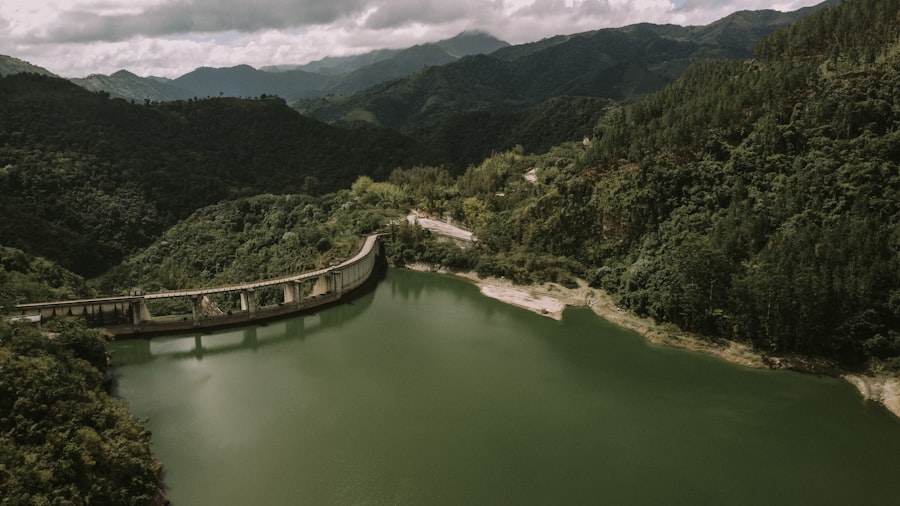
As a consequence of declining water levels, the Panama Canal Authority (ACP) has been compelled to implement a series of operational adjustments, each carrying significant economic implications for global trade and the canal’s revenue. These adjustments represent a delicate balancing act between maintaining operability and managing the finite resource of freshwater.
Draft Restrictions for Vessels
One of the most immediate and impactful measures taken by the ACP is the imposition of draft restrictions. The draft of a ship refers to the vertical distance between the waterline and the bottom of the hull. Reducing the maximum permissible draft means that vessels must lighten their loads, either by offloading cargo or by routing around the canal. This directly impacts the cargo capacity of ships, leading to increased shipping costs and potentially longer transit times as goods are transferred to smaller vessels or rerouted via alternative, often longer, maritime routes around South America or Africa. Think of it as a bridge with a weight limit being lowered, forcing heavier vehicles to take a much longer detour.
Limitations on Daily Transits
In addition to draft restrictions, the ACP has also implemented limitations on the number of daily vessel transits. This measure aims to conserve water, but it inevitably leads to increased waiting times for ships and creates congestion at both ends of the canal. The bottleneck created by these restrictions disrupts carefully planned shipping schedules and supply chains, causing delays and adding to the cost of global trade. The flow of goods, usually a steady stream, now resembles a hesitant trickle.
Financial Repercussions for the Canal Authority
The operational adjustments directly impact the Panama Canal Authority’s revenue streams. Reduced transits and smaller cargo volumes translate into lower toll collections. Furthermore, the ACP incurs additional costs associated with managing the crisis, including the implementation of water-saving measures and potentially exploring alternative water sources. These financial pressures challenge the ACP’s ability to invest in infrastructure maintenance and future expansion projects, creating a domino effect that could impact the canal’s long-term competitive position.
Global Supply Chain Disruptions
The economic consequences extend far beyond the canal itself. Global supply chains, already under pressure from various geopolitical and economic factors, are further strained by the delays and increased costs associated with the canal’s restrictions. Industries reliant on timely delivery of goods, from manufacturing to retail, face potential disruptions and rising consumer prices. The canal’s plight is a stark reminder of the interconnectedness of the global economy, where a localized environmental challenge can ripple outwards to affect distant markets.
Mitigation Strategies and Future Outlook
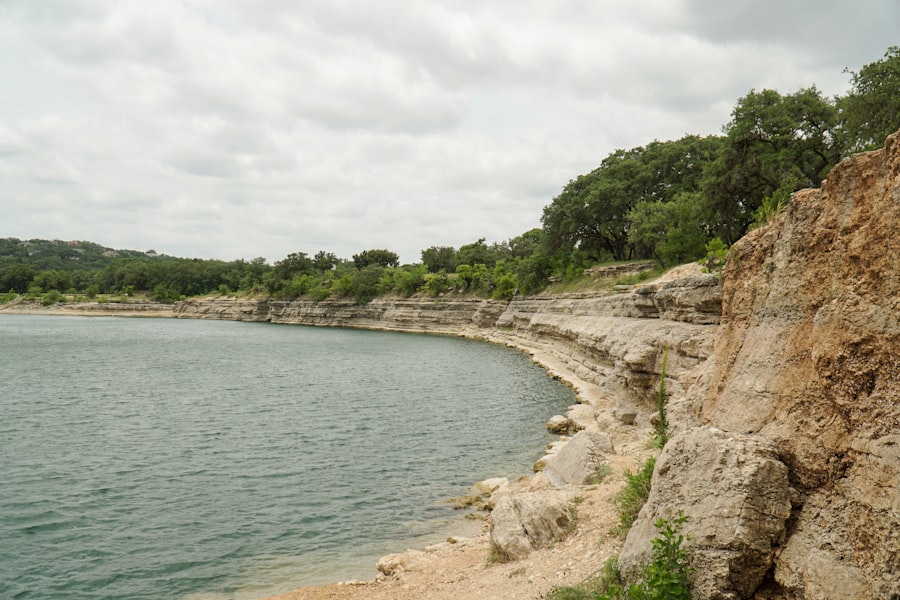
The Panama Canal Authority is actively pursuing a range of mitigation strategies to address the immediate challenges posed by the drought and to bolster the canal’s resilience against future climatic fluctuations. These strategies encompass both short-term operational adjustments and long-term infrastructure investments.
Water Conservation Measures
Immediate measures include enhanced water-saving procedures during lock operations, such as cross-filling, where water from one lock chamber is used to fill another. The ACP also emphasizes efficient scheduling to minimize water waste and encourages vessel transit in convoys. These measures, while effective in conserving some water, are insufficient to fully offset the deficit caused by prolonged periods of low rainfall. They are akin to careful rationing during a scarcity, crucial but not a permanent solution.
Exploration of Alternative Water Sources
The long-term sustainability of the Panama Canal requires exploring and developing alternative freshwater sources. This includes studying the feasibility of building new reservoirs or implementing desalination plants, although the latter would involve significant energy consumption and environmental considerations. The pursuit of new water sources is a complex undertaking, requiring extensive environmental impact assessments and substantial financial investment.
Technological Innovations for Water Management
The ACP is also investing in technological innovations to improve water management. This includes advanced hydrological modeling to optimize water usage, real-time monitoring of lake levels and rainfall patterns, and the potential implementation of more water-efficient lock technologies, such as water-saving basins already incorporated into the Neopanamax locks. These technological advancements are critical for enhancing the canal’s adaptive capacity in a changing climate.
Climate Change Adaptation and Infrastructure Resilience
Beyond the immediate El Niño event, the canal faces the broader challenge of climate change. Increased frequency and intensity of extreme weather events, including prolonged droughts and heavy rainfall, necessitate a robust climate change adaptation strategy. This includes investing in infrastructure resilience, such as upgraded drainage systems and reinforced embankments, to withstand the impacts of a more volatile climate. The canal’s future prosperity hinges on its ability to evolve alongside a changing planetary environment.
The recent drought affecting the Panama Canal due to El Niño has raised concerns about global shipping and trade routes. This phenomenon has not only impacted water levels in the canal but also highlighted the broader implications of climate change on critical infrastructure. For more insights on how such climatic events influence regional economies and ecosystems, you can read a related article on this topic at My Geo Quest.
The Broader Implications for Global Trade
| Metric | Value | Unit | Notes |
|---|---|---|---|
| El Niño Event Year | 2015-2016 | Year | Strong El Niño event impacting Panama Canal region |
| Rainfall Reduction | 30-50 | Percent | Decrease in rainfall compared to average during drought |
| Lake Gatun Water Level Drop | 1.5 | meters | Significant drop affecting canal operations |
| Canal Transit Delays | Up to 30 | Percent | Increase in transit time due to water restrictions |
| Water Usage Restrictions | 20 | Percent | Reduction in water usage for lock operations |
| Impact on Global Shipping | Moderate | Qualitative | Delays and increased costs due to canal restrictions |
The crisis at the Panama Canal serves as a potent reminder of the fragility of global supply chains and the profound impact that environmental factors can have on international trade. The lessons learned from this drought extend far beyond the immediate operational challenges of a single waterway.
Diversification of Shipping Routes
The Panama Canal’s predicament may prompt a re-evaluation of global shipping routes. While the canal offers significant cost and time advantages, its vulnerability during droughts highlights the need for diversification. Shipping companies may increasingly explore alternative routes, such as the Suez Canal, or invest in trans-continental rail links, even if these options are currently less efficient or more costly. This strategic shift could reshape global logistics over the long term.
The Role of Infrastructure Investment
The situation underscores the critical importance of investing in robust infrastructure. The Panama Canal, while a marvel, requires continuous maintenance, upgrades, and adaptation to remain competitive and resilient. Other critical infrastructure projects globally, from ports to transportation networks, must also consider the long-term impacts of climate change and environmental variability in their planning and development.
Climate Change and Economic Vulnerability
Ultimately, the El Niño-induced drought threatening the Panama Canal is a microcosm of a larger global challenge: the increasing economic vulnerability to climate change. As extreme weather events become more frequent and intense, nations and businesses must proactive develop strategies to mitigate risks and adapt to a changing environment. The Panama Canal, a linchpin of global commerce, offers a compelling case study in the urgent need for climate resilience in critical infrastructure. The world watches, not just with concern for the transit of goods, but with a broader understanding of the cascading effects of a changing climate on human prosperity.
WATCH THIS 🔥 YOUR BILL JUST WENT UP: The $50 Billion Panama Canal Lie
FAQs
What is El Niño and how does it affect the Panama Canal?
El Niño is a climate phenomenon characterized by the warming of sea surface temperatures in the central and eastern Pacific Ocean. It can disrupt weather patterns globally, often causing droughts or heavy rains. In the case of the Panama Canal, El Niño can lead to reduced rainfall in the region, resulting in drought conditions that affect the canal’s water supply.
Why is drought a concern for the Panama Canal?
The Panama Canal relies on freshwater from nearby lakes and rivers to operate its lock system. Drought reduces the availability of this freshwater, limiting the canal’s capacity to allow ships to pass through. Prolonged droughts can force restrictions on ship traffic, impacting global trade and shipping schedules.
How has El Niño historically impacted the Panama Canal’s operations?
During strong El Niño events, the Panama Canal has experienced significant drops in water levels due to decreased rainfall. This has led to operational challenges such as reduced lock usage, delays, and the implementation of water conservation measures to maintain canal functionality.
What measures are being taken to mitigate drought effects on the Panama Canal?
To address drought impacts, the Panama Canal Authority has implemented water-saving initiatives, improved reservoir management, and invested in infrastructure upgrades. These measures aim to optimize water use, maintain canal operations during dry periods, and reduce vulnerability to climate variability.
Can climate change influence the frequency or severity of El Niño events affecting the Panama Canal?
Climate change may alter the patterns and intensity of El Niño events, potentially increasing the frequency or severity of droughts in regions like Panama. This could pose greater challenges for the canal’s water supply and operations, highlighting the need for adaptive management strategies.