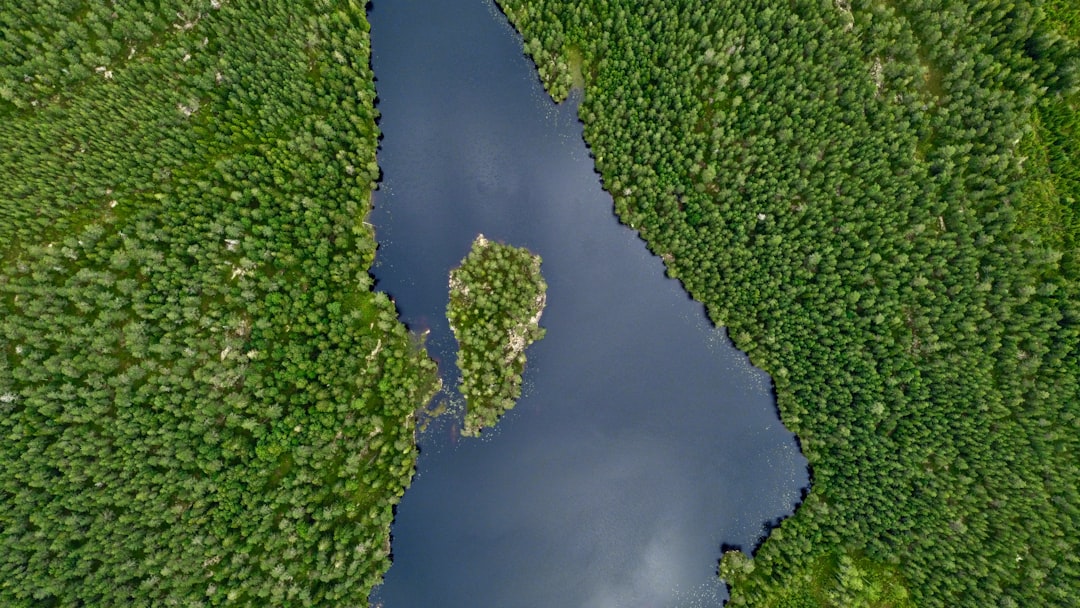
The calm expanse of Lake Gatún, a critical artery of global commerce and a vital reservoir for Panama, is experiencing a period of unprecedented scarcity. Its water levels have receded to depths not seen in the recorded history of its creation, casting long shadows of concern over its multifaceted role. This article will delve into the current crisis, exploring its origins, its far-reaching consequences, and the measures being considered to navigate this challenging epoch.
The Creation and Purpose of Lake Gatún
Lake Gatún, a man-made reservoir, was a monumental feat of engineering completed in 1913 as an integral part of the Panama Canal. Its primary purpose was to provide the vast quantities of water necessary to operate the canal’s lock system, allowing ships to traverse the continental divide. The lake’s construction involved damming the Chagres River, flooding an extensive area of tropical rainforest, and creating a navigable waterway that significantly shortened shipping routes between the Atlantic and Pacific Oceans. The lake’s surface area is approximately 436 square kilometers (168 square miles) at its normal operating level. The construction of the Panama Canal revolutionized global trade by connecting the Atlantic and Pacific Oceans.
The Role of Precipitation and Climate Patterns
The lifeblood of Lake Gatún is the annual rainfall, particularly the heavy deluges characteristic of Panama’s rainy season. This precipitation, channeled through the Chagres River and its tributaries, replenishes the lake’s reserves. However, recent years have witnessed a disturbing deviation from these historical patterns. A sustained period of below-average rainfall, exacerbated by the presence of El Niño-Southern Oscillation (ENSO) events, has significantly curtailed the influx of water. El Niño, in particular, is known to suppress rainfall across much of Central America, transforming once-lush landscapes into parched territories. The meteorological data paints a stark picture of a region wrestling with a recalcitrant climate.
Anthropogenic Factors Contributing to Water Scarcity
While natural climate variability plays a significant role, human activities have also become contributing factors to the lake’s diminishing water levels. Deforestation in the Chagres River basin, driven by agricultural expansion, logging, and urban development, reduces the land’s capacity to absorb and retain rainfall. Without the protective canopy of trees, rainwater flows more rapidly over the surface, leading to increased erosion and siltation of the rivers that feed the lake. This sedimentation effectively reduces the lake’s storage capacity, like a bathtub slowly filling with sand. Furthermore, increased water demand from agricultural irrigation, industrial processes, and the growing domestic needs of Panama’s population place additional strain on the limited water resources.
Recent reports indicate that Lake Gatún is experiencing historic low water levels, raising concerns about the impact on shipping routes and local ecosystems. For a deeper understanding of the implications of these changes, you can read a related article that explores the broader effects of climate change on freshwater resources and their significance for global trade. To learn more, visit this article.
The Reach of Reduced Water Levels
Impact on Panama Canal Operations
The most visible and immediate consequence of Lake Gatún’s low water levels is the straitened operations of the Panama Canal. The canal employs a gravity-fed lock system that requires approximately 200 million liters (52 million gallons) of freshwater for each ship transit. As the lake’s water surface drops, the draft available for vessels is reduced, forcing canal authorities to implement restrictions on the size and weight of ships that can pass through. This includes limiting the number of vessels that can transit daily and imposing maximum draft limits, effectively squeezing the canal’s capacity like a congested highway during rush hour. These limitations disrupt global shipping schedules, leading to significant delays and increased transit costs for maritime trade.
Adjustments to Draft Restrictions
The Panama Canal Authority (ACP) has been compelled to progressively lower the maximum allowable draft for vessels. These adjustments are not static; they are continuously reviewed and modified based on the real-time water levels of both Gatún and Alajuela lakes. For instance, in late 2023 and early 2024, the ACP announced a series of reductions, impacting vessels with deeper drafts and forcing many to offload cargo or seek alternative routes. This has led to a ripple effect throughout the supply chain.
Economic Ramifications for Global Trade
The implications for global trade are profound. The Panama Canal serves as a critical chokepoint for approximately 3.5% of the world’s maritime trade. Reduced capacity translates to fewer ships transiting, longer waiting times, and the necessity for some vessels to detour around the southern tip of South America. This detour adds significant time and cost to voyages, impacting the price of goods for consumers worldwide. Industries reliant on timely delivery of raw materials and finished products are particularly vulnerable. Furthermore, the revenue generated by the canal, a substantial contributor to Panama’s national budget, is directly affected by these operational constraints.
Consequences for Freshwater Availability in Panama City and Colón
Beyond its role as a maritime thoroughfare, Lake Gatún is a principal source of freshwater for the Panama City and Colón metropolitan areas, home to a significant portion of Panama’s population. The diminishing water levels directly threaten the reliability of potable water supply to millions. Water treatment plants that draw from the lake face challenges in maintaining output, and the risk of water rationing becomes a tangible concern. This poses a significant challenge for public health and daily life, turning a fundamental utility into a potential scarcity.
Water Rationing and Public Service Disruptions
As the crisis deepens, the potential for implemented water rationing throughout the metropolitan areas looms large. This would mean scheduled interruptions in water supply, affecting households, businesses, and public institutions. Such disruptions can have cascading effects on sanitation, hygiene, and the overall functioning of urban centers. The psychological toll of such uncertainty can also be significant.
Impact on Agriculture and Industry
The agricultural sector, a vital component of Panama’s economy, relies on consistent water availability for irrigation. Reduced freshwater from Lake Gatún can lead to crop losses, impacting food security and the livelihoods of farmers. Similarly, industries that utilize water in their production processes may face operational challenges and increased costs. The entire economic ecosystem, intricately linked to water, feels the strain.
Ecological Ramifications and Biodiversity
The ecological balance of Lake Gatún and its surrounding environment is delicately intertwined with its water levels. As the lake recedes, the exposed lakebed can become habitat for invasive species, while the reduction in water volume can concentrate pollutants. Changes in salinity and water temperature can also stress aquatic life, affecting fish populations and the biodiversity of the ecosystem. The lush rainforest that once bordered the lake is now exposed, facing arid conditions.
Stress on Aquatic Ecosystems
Fish populations, crucial for both the ecosystem and local economies, are under immense pressure. Reduced water depth and volume can lead to oxygen depletion in certain areas and increased competition for food and space. The long-term health and resilience of these aquatic ecosystems are at stake.
Changes in Habitat and Wildlife Distribution
The shorelines of the lake are expanding outwards, exposing land that was once submerged. This alteration in habitat can displace terrestrial wildlife that relied on the lake’s edge and can favor the proliferation of certain species while negatively impacting others. The intricate web of life around the lake is being rewoven by the receding waters.
Meteorological and Hydrological Factors at Play
Analyzing the Decades of Changing Rainfall Patterns
Scientific analyses of historical meteorological data reveal a discernible trend of reduced rainfall over the Chagres River basin stretching back decades. While year-to-year variations are natural, the overall pattern indicates a significant departure from the precipitation levels that sustained Lake Gatún’s robust reserves in the past. This long-term drought is not a fleeting anomaly but a concerning shift in regional climate.
The Influence of Climate Change on Regional Precipitation
The specter of climate change looms large over these altered rainfall patterns. Global warming is influencing atmospheric circulation and ocean temperatures, which in turn impact regional precipitation regimes. Scientists are increasingly linking the observed drying trend in Panama and other parts of Central America to broader climate change projections. This suggests that the current crisis might not be a temporary setback but a harbinger of future challenges.
El Niño and La Niña Cycles
The ENSO phenomenon, with its cyclical El Niño (warming) and La Niña (cooling) phases, significantly influences Panamanian weather. El Niño events typically bring drier conditions, while La Niña events tend to be associated with increased rainfall. However, even during La Niña periods, the overall replenishment of the lake has been insufficient to counteract the deficits accumulated during prolonged dry spells and exacerbating El Niño impacts. The delicate dance between these cycles is increasingly out of sync.
Monitoring and Forecasting Water Levels
Panamanian authorities and the ACP continuously monitor the water levels of Lake Gatún and the Alajuela Lake, another significant reservoir feeding the canal. Sophisticated hydrological models are employed to forecast future water levels based on rainfall predictions, evaporation rates, and water consumption. These monitoring and forecasting efforts are crucial for making informed decisions regarding canal operations and water management.
Technological Innovations in Hydrological Monitoring
Advancements in satellite imagery, weather radar, and sensor technology have significantly enhanced the accuracy and timeliness of hydrological data collection. These tools allow for a more granular understanding of water resources and enable quicker responses to changing conditions.
Predictive Modeling for Water Resource Management
The development of advanced predictive models allows authorities to anticipate potential water shortages and plan mitigation strategies. These models integrate a complex array of data, including climate projections, to provide a clearer picture of future water availability.
Mitigation Strategies and Adaptation Measures
Short-Term Solutions and Operational Adjustments
In response to the immediate crisis, the ACP has implemented a series of short-term measures. These include optimizing lock operations to minimize water wastage, adjusting transit schedules to accommodate the reduced draft, and increasing the fees for larger vessels that consume more water. Investigations are also underway to explore alternative water sources and improve water conservation practices within the canal’s operational framework.
Water Conservation within Lock Operations
Every drop counts. The engineering teams at the ACP are constantly seeking ways to refine the lockage process, aiming to recapture and reuse water where possible, thereby reducing the overall demand.
Economic Measures to Discourage Water Consumption
Higher charges for vessels requiring deeper drafts serve as an economic disincentive, encouraging shippers to optimize their cargo loads and potentially reduce the water footprint per transit.
Long-Term Strategies for Water Security
Addressing the systemic issue of water scarcity requires a long-term vision encompassing infrastructure development, watershed management, and policy reforms. This includes investing in more efficient water storage systems, reforestation efforts in the Chagres River basin, and promoting water-saving technologies across all sectors.
Enhancing Reservoir Capacity and Interconnectivity
The expansion or construction of new reservoirs, alongside improving the interconnectivity between existing water systems, could provide a more resilient water supply. Diversifying sources reduces reliance on a single, vulnerable lake.
Reforestation and Watershed Protection Initiatives
Investing in large-scale reforestation programs within the Chagres River basin is paramount. Healthy forests act as natural sponges, absorbing rainfall and releasing it slowly, thus sustaining river flows and replenishing groundwater. Protecting these watersheds from further degradation is essential.
International Cooperation and Knowledge Sharing
The challenges faced by Lake Gatún are not unique; many regions worldwide are grappling with water scarcity exacerbated by climate change. Collaboration with international organizations, research institutions, and other nations facing similar issues can provide valuable insights, technological transfer, and a shared approach to finding sustainable solutions. Sharing best practices in water management, conservation, and climate adaptation is crucial.
Collaborations with Hydrological and Climate Research Centers
Partnerships with global experts in hydrology and climate science can accelerate the understanding of regional climate dynamics and the development of effective, science-backed strategies.
Best Practices in Water Resource Management
Learning from and adapting successful water management strategies implemented in other drought-prone regions can offer blueprints for Panama’s own adaptation efforts, preventing the reinvention of the wheel.
The recent reports on Lake Gatún’s water levels reaching historic lows have raised concerns about the impact on shipping routes and local ecosystems. This situation is intricately connected to broader climate patterns and water management strategies in the region. For a deeper understanding of the implications of these low water levels, you can read more in this insightful article on the subject. It provides a comprehensive analysis of the challenges faced by the Panama Canal and surrounding areas. To explore this further, visit this article.
The Future Outlook: Navigating Uncertainty
| Year | Month | Water Level (meters above sea level) | Average Monthly Rainfall (mm) | Impact on Panama Canal Operations |
|---|---|---|---|---|
| 2023 | March | 25.5 | 45 | Reduced draft limits for ships |
| 2023 | April | 25.3 | 30 | Increased transit delays |
| 2023 | May | 25.0 | 20 | Operational restrictions implemented |
| 2022 | March | 26.2 | 60 | Normal operations |
| 2022 | April | 26.0 | 55 | Normal operations |
The Resilience of the Panama Canal and its Ecosystem
The Panama Canal has proven its resilience and adaptability throughout its history, but the current low water levels present a significant test. The long-term viability of the canal and the health of its surrounding ecosystem hinge on effective and timely responses to this crisis. It is a delicate balancing act between maintaining critical global trade routes and preserving a vital natural resource.
The Role of Public Awareness and Behavioral Change
Public understanding of the water crisis and its implications is crucial for fostering support for mitigation measures and encouraging behavioral changes. Educating citizens about the importance of water conservation in their daily lives, from reducing household consumption to supporting sustainable agricultural practices, can contribute significantly to alleviating pressure on the water resources. Every citizen holds a key to unlocking a more water-secure future.
Promoting Water Conservation at the Household Level
Simple changes in daily routines, such as fixing leaks, taking shorter showers, and reusing water where possible, collectively contribute to significant water savings.
Supporting Sustainable Agricultural and Industrial Practices
Encouraging and incentivizing practices that minimize water usage in agriculture and industry is essential for long-term water security. This includes adopting drought-resistant crops and water-efficient industrial processes.
The Urgency of Proactive Planning and Investment
The current situation underscores the urgent need for proactive planning and sustained investment in water infrastructure and management strategies. Relying solely on reactive measures is a precarious approach when facing an increasingly unpredictable climate. A forward-thinking strategy, anticipating future challenges, is not just prudent but essential for safeguarding the future of Lake Gatún and the prosperity it underpins. The lake’s low levels are a stark reminder that water, the very essence of life and commerce, demands our utmost respect and diligent stewardship. Failure to act decisively now will only lead to a more profound drought of resources and opportunity in the years to come.
WATCH THIS 🔥 YOUR BILL JUST WENT UP: The $50 Billion Panama Canal Lie
FAQs
What is Lake Gatún?
Lake Gatún is a large artificial lake in Panama, created during the construction of the Panama Canal. It serves as a crucial water reservoir for the canal’s lock system and supports regional water supply and biodiversity.
Why are the water levels in Lake Gatún currently at historic lows?
The water levels in Lake Gatún have reached historic lows primarily due to prolonged drought conditions, reduced rainfall, and increased water demand for canal operations and surrounding communities.
How do low water levels in Lake Gatún affect the Panama Canal?
Low water levels can limit the amount of water available to operate the canal’s locks, potentially reducing the number of ships that can transit and affecting shipping schedules and costs.
What measures are being taken to address the low water levels in Lake Gatún?
Authorities are implementing water conservation strategies, adjusting canal operations to optimize water use, and monitoring weather patterns to manage the reservoir more effectively during dry periods.
What impact do low water levels in Lake Gatún have on the local environment?
Reduced water levels can affect aquatic ecosystems, wildlife habitats, and water quality in the region, potentially leading to negative consequences for biodiversity and local communities relying on the lake.