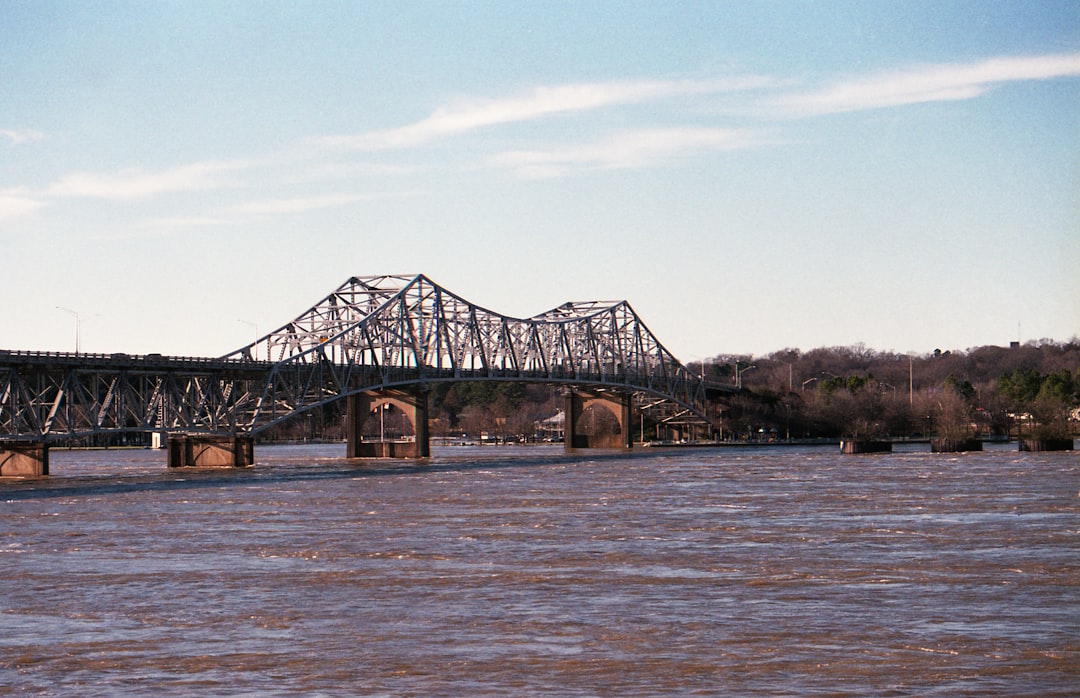
The Mississippi River, often termed the “Father of Waters,” is more than a geographic feature; it is a vascular system nourishing a substantial portion of the United States. Its infrastructure, however, a complex web of dams, locks, levees, and dredging operations, is aging and increasingly vulnerable. This precarious situation presents a looming crisis, threatening not only the economy of the heartland but also the ecological stability of a vast and interconnected ecosystem. Understanding the multifaceted nature of this challenge requires a deep dive into its components, the historical context, and the potential ramifications.
The core of the problem lies in the advanced age and increasing dilapidation of the existing infrastructure along the Mississippi River. Much of this network was constructed during the early to mid-20th century, designed with a lifespan that is now largely exceeded. The recent developments in the Mississippi River infrastructure have significantly improved transportation and trade efficiency.
Dams and Locks: Choke Points of Commerce
The system of dams and locks, particularly along the Upper Mississippi, is crucial for maintaining navigable depths and facilitating the movement of barges laden with agricultural products, raw materials, and other goods. These structures, however, are showing their age.
- Structural Integrity: Many lock and dam components, including gates, concrete structures, and operating machinery, are exhibiting significant wear and tear. Cracks, corrosion, and failing mechanical systems are increasingly common, leading to frequent breakdowns and unscheduled closures. These closures, even for short durations, can cause substantial delays and financial losses for industries reliant on river transportation.
- Operating Efficiency: The original designs often predate modern engineering standards and computational capabilities. Consequently, the operational efficiency of these older structures is often lower than contemporary designs. Maintenance procedures are frequently labor-intensive and require specialized equipment that may no longer be readily available or prohibitively expensive to replace.
- Funding Shortfalls: A persistent challenge is the chronic underfunding for maintenance and modernization. Federal appropriations often fall short of the estimated needs, forcing the Army Corps of Engineers, responsible for their upkeep, to prioritize repairs based on immediate threats rather than systematic overhauls. This piecemeal approach merely delays the inevitable comprehensive replacement often required.
Levee Systems: A Fragile Shield
Levees are the primary defense against devastating floods along the Mississippi, protecting millions of people and billions of dollars in property. However, this seemingly robust shield harbors vulnerabilities.
- Design Limitations: Many older levees were constructed using techniques that are now considered inadequate for the increasing intensity and frequency of extreme weather events. Their original designs often did not account for prolonged saturation, internal erosion (piping), or the pressures exerted by larger flood events.
- Subsidence and Erosion: Over decades, levees can experience subsidence, a gradual sinking of the ground beneath them, reducing their effective height. This, coupled with riverbank erosion, particularly during high flow events, can compromise their structural integrity, making them susceptible to breaches.
- Maintenance Burden: Maintaining a vast network of levees, which spans thousands of miles, is an immense undertaking. This includes vegetation management, addressing animal burrowing, and repairing localized damage. Lack of consistent funding and personnel can lead to deferred maintenance, leaving these critical structures vulnerable.
The recent infrastructure failures along the Mississippi River have raised significant concerns about the aging levee systems and their ability to withstand extreme weather events. For a deeper understanding of the challenges facing this critical waterway, you can read a related article that discusses the implications of these failures on local communities and the economy. To learn more, visit this article.
The Weight of the Past: Historical Deferred Maintenance
The current crisis is not a sudden occurrence but rather the culmination of decades of deferred maintenance and a systemic underinvestment in critical infrastructure. This historical context illuminates the path to the present predicament.
Post-War Prioritization: A Foundation Built on Optimism
Following World War II, there was a robust period of infrastructure development across the United States, including significant projects along the Mississippi. The focus was on expanding capacity and leveraging the river for economic growth.
- Economic Imperatives: The post-war economic boom spurred demand for efficient transportation of goods. River navigation was seen as a cost-effective solution, leading to the construction of a substantial portion of the existing lock and dam system. The emphasis was on facilitating commerce and agricultural output.
- Flood Control Vision: Major flood events in the early 20th century underscored the need for comprehensive flood control. This led to extensive levee construction and channelization projects, aimed at taming the river’s wild tendencies and protecting burgeoning urban and agricultural areas. The engineers of the time envisioned robust solutions that would last for generations.
The Erosion of Investment: A Slow Decline
As decades passed, the initial enthusiasm for infrastructure investment waned, giving way to periods of fiscal austerity and shifting national priorities. This marked the beginning of a slow but steady decline in maintenance.
- Budgetary Constraints: Successive administrations and Congresses faced competing demands for federal funds. Infrastructure maintenance, often perceived as less glamorous than new construction projects, frequently bore the brunt of budgetary cuts. This created a cycle of stop-gap repairs rather than proactive, long-term investments.
- Shifting Political Focus: The political landscape often prioritizes short-term gains and immediate crises over long-term, incremental investments. The gradual deterioration of infrastructure, while critical, rarely generates the same level of political urgency as more visible and immediate issues. This contributes to the perpetual underfunding of maintenance needs.
Climate Change: The Unforeseen Variable
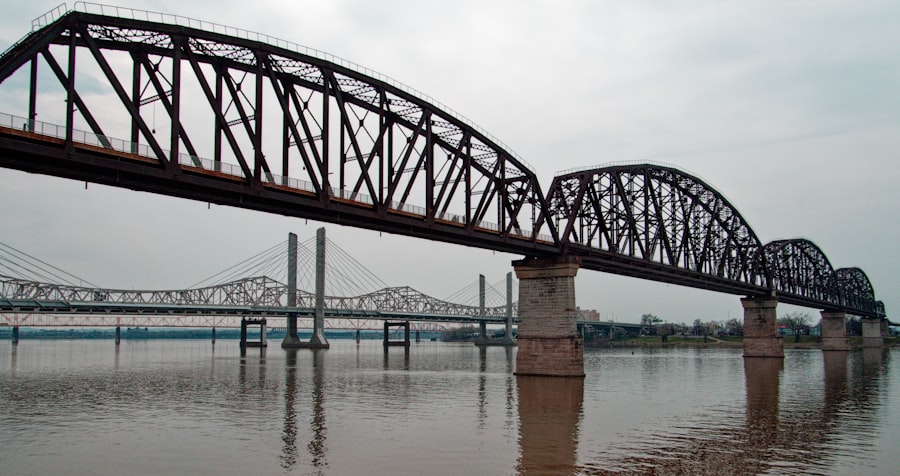
The challenges posed by aging infrastructure are compounded significantly by the accelerating impacts of climate change. The Mississippi River Basin is experiencing more extreme weather patterns, pushing the existing infrastructure beyond its design limits.
Increased Flood Frequency and Intensity: A Rising Tide
Climate models predict, and recent events confirm, an increase in the frequency and intensity of heavy rainfall events across the Mississippi River Basin. This translates directly to more severe and prolonged flood periods.
- Hydrological Stress: The infrastructure designed to manage historical flood levels is now being subjected to greater hydrological stress. Higher water velocities and prolonged inundation periods place immense pressure on levees, bridges, and navigation structures, increasing the likelihood of failure.
- Sedimentation Challenges: Increased erosion in the upper reaches of the river, driven by more intense rainfall, leads to higher sediment loads. This exacerbates sedimentation in navigation channels, requiring more frequent and extensive dredging operations, which are costly and have ecological implications.
Droughts and Low Water Levels: The Other Extreme
While floods present a clear and immediate threat, the Mississippi Basin also experiences periods of severe drought, leading to dangerously low water levels. This presents a different set of challenges for river infrastructure and commerce.
- Navigation Restrictions: Low water levels restrict the draft of vessels, forcing barges to carry lighter loads or reduce their numbers, thereby increasing transportation costs and reducing the efficiency of the river as a shipping artery. This can have significant ripple effects on industries reliant on river transportation.
- Ecological Impacts: Prolonged low water conditions can stress aquatic ecosystems, affecting fish populations, wetlands, and biodiversity. The altered flow regimes can also impact water quality due to reduced dilution of pollutants and increased water temperatures.
Economic Fallout: A Ripple Effect Across the Nation
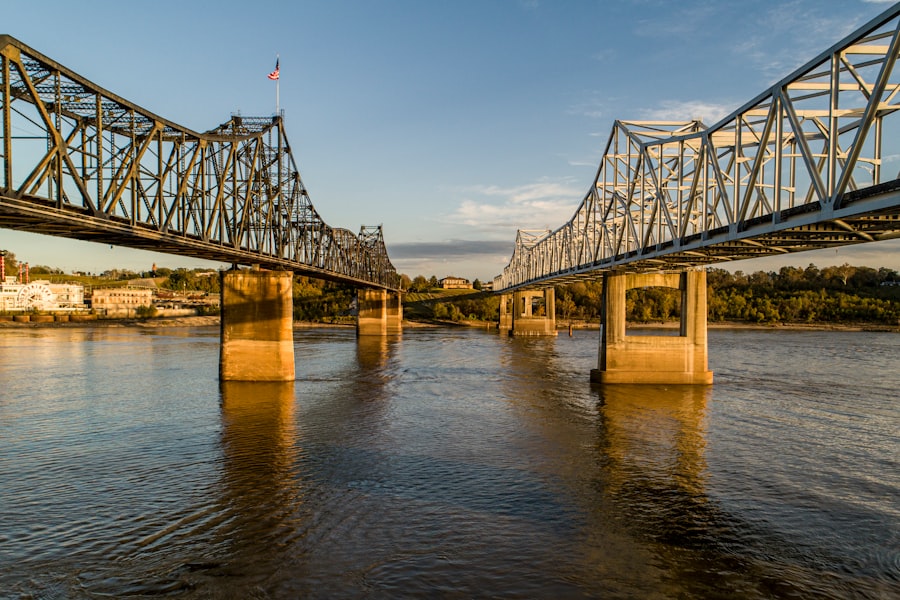
The failure of Mississippi River infrastructure would send shockwaves through the national economy. The river is an indispensable conduit for agricultural products, energy resources, and manufactured goods.
Agricultural Lifeline: Harvesting the Heartland
The Mississippi River is the primary artery for transporting agricultural commodities from the nation’s breadbasket to domestic and international markets. Disruptions here would have profound implications for the food supply chain.
- Export Reliance: A significant portion of U.S. corn, soybeans, and other grains are shipped via the Mississippi to ports on the Gulf of Mexico for export. Delays or closures due to infrastructure failure would increase transportation costs, decrease competitiveness on the global market, and reduce farmer profitability.
- Domestic Supply Chain: Beyond exports, the river facilitates the movement of agricultural inputs like fertilizer upriver and the distribution of processed food products. A compromised river system would disrupt this intricate domestic supply chain, potentially leading to higher consumer prices and shortages.
Industrial Backbone: Fueling Growth
The Mississippi River corridor is also home to a dense concentration of industrial activity, including chemical plants, refineries, and manufacturing facilities. These industries rely on the river for transportation of raw materials and finished products, as well as for water supply and waste disposal.
- Supply Chain Vulnerabilities: Just-in-time manufacturing and complex global supply chains mean that any disruption to river transport can have immediate and far-reaching consequences for industrial operations. Delays in receiving raw materials or shipping finished goods can lead to production slowdowns, layoffs, and economic losses.
- Energy Transport: The river is vital for transporting crude oil, refined petroleum products, and coal. Infrastructure failures could disrupt energy supplies, impacting prices and availability across a wide geographic area.
Recent discussions surrounding the infrastructure failures along the Mississippi River have highlighted the urgent need for comprehensive upgrades and maintenance. A related article explores the implications of these failures on local communities and ecosystems, emphasizing the importance of proactive measures to prevent future disasters. For more insights on this critical issue, you can read the full article here.
The Way Forward: Investing in Resilience
| Metric | Value | Unit | Description |
|---|---|---|---|
| Number of Levee Failures | 15 | Count | Levee breaches along the Mississippi River during major flood events |
| Length of Damaged Levees | 120 | miles | Total length of levees damaged or breached |
| Flooded Area | 1,500,000 | acres | Area affected by flooding due to infrastructure failure |
| Number of Affected Communities | 30 | Count | Communities impacted by infrastructure failure and flooding |
| Estimated Repair Time | 18 | months | Time estimated to repair and reinforce damaged infrastructure |
| Average Annual Maintenance Cost | 250 | million | Annual cost to maintain Mississippi River infrastructure |
| Maximum Water Level Recorded | 48.5 | feet | Highest river stage recorded during failure events |
Addressing the Mississippi River infrastructure crisis is not merely about repair; it is about strategic investment in resilience, adaptation, and modernization. Procrastination is no longer a viable option; the consequences of inaction are too severe.
Comprehensive Modernization: A New Vision
A fundamental shift in approach is required, moving beyond piecemeal repairs towards a comprehensive modernization strategy for the entire river system. This entails significant capital investment and a long-term vision.
- Technological Integration: Modern engineering and digital technologies offer opportunities to design more efficient, resilient, and adaptable infrastructure. This includes advanced materials, automated control systems for locks and dams, and real-time monitoring of river conditions to optimize operations.
- Ecosystem-Based Management: Integrating ecological considerations into infrastructure planning is crucial. This means exploring nature-based solutions, such as wetland restoration and strategically placed sediment diversions, to enhance flood control, improve water quality, and promote ecological health alongside navigation goals. This holistic approach can create a more resilient river system in the face of climate change.
Sustainable Funding Models: A Shared Responsibility
Securing consistent and adequate funding is paramount. This requires a collaborative effort involving federal, state, and local governments, as well as the private sector beneficiaries of the river’s services.
- Dedicated Revenue Streams: Exploring dedicated revenue streams, such as a portion of fuel taxes or tonnage fees, could provide a more stable funding base for maintenance and capital projects. Relying solely on annual appropriations often leads to uncertainty and underinvestment.
- Public-Private Partnerships: Innovative public-private partnership models could leverage private capital and expertise to accelerate infrastructure improvements, distribute financial risk, and bring new efficiencies to project delivery. This could unlock significant investment that would otherwise be unattainable through public funds alone.
Policy and Planning: Adapting to a Changing Climate
Policies and planning frameworks must be updated to reflect the realities of climate change and incorporate adaptive management strategies. The river system cannot be managed as it was in the 20th century.
- Data-Driven Decision Making: Investing in advanced hydrological modeling, remote sensing, and real-time data collection will enable more informed decision-making regarding flood control, navigation management, and ecological restoration. This provides the intelligence needed to operate a complex river system effectively.
- Adaptive Governance: Establishing flexible governance structures that can adapt to changing environmental conditions and scientific understanding is crucial. This means fostering greater inter-agency coordination, stakeholder engagement, and a willingness to revise plans as new challenges and opportunities emerge. Delaying necessary action only compounds the problem; the Mississippi River is a living system that demands constant attention and strategic foresight. The time for decisive action, reader, is now, before the Father of Waters becomes a monument to human neglect.
WATCH THIS! 🚨CRACKING: Why America’s $5 Trillion Dam is Failing Right Now
FAQs
What is the Mississippi River infrastructure?
The Mississippi River infrastructure includes bridges, levees, locks, dams, ports, and other facilities that support transportation, flood control, and commerce along the Mississippi River.
What causes infrastructure failure along the Mississippi River?
Infrastructure failure can be caused by factors such as aging structures, extreme weather events, flooding, erosion, lack of maintenance, and increased usage beyond design capacity.
What are the consequences of Mississippi River infrastructure failure?
Failures can lead to transportation disruptions, economic losses, environmental damage, flooding of nearby communities, and threats to public safety.
How is the Mississippi River infrastructure maintained?
Maintenance is conducted by federal, state, and local agencies, including the U.S. Army Corps of Engineers, through inspections, repairs, upgrades, and emergency response efforts.
Have there been recent incidents of Mississippi River infrastructure failure?
Yes, there have been instances such as bridge collapses, levee breaches, and lock malfunctions in recent years, highlighting the need for ongoing investment and modernization.
What measures are being taken to prevent future infrastructure failures?
Efforts include increased funding for repairs and upgrades, implementation of advanced monitoring technologies, improved engineering standards, and comprehensive risk assessments.
Why is the Mississippi River infrastructure important?
The infrastructure supports vital commercial navigation, agriculture, energy transportation, flood control, and recreational activities, making it critical to the regional and national economy.
Who is responsible for the Mississippi River infrastructure?
Responsibility is shared among federal agencies like the U.S. Army Corps of Engineers, state departments of transportation, local governments, and private stakeholders.