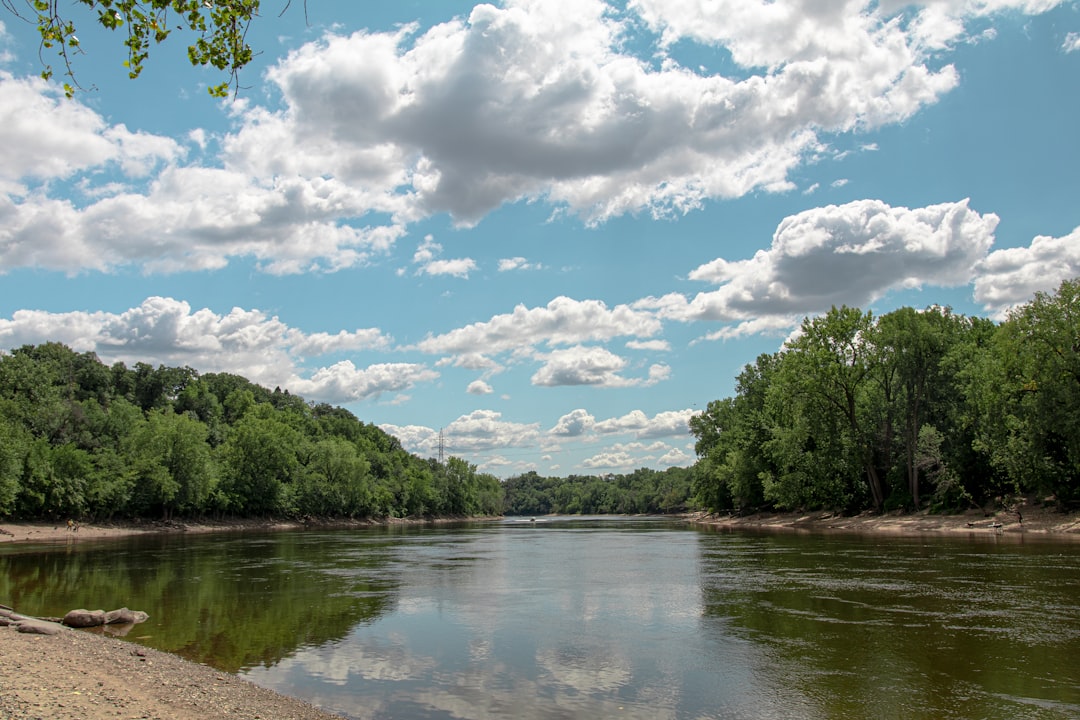
The Mississippi River, a colossal artery of North America, has long been a sentinel of the continent’s ecological and economic health. Its vast watershed, spanning over 31 states and two Canadian provinces, drains 40% of the continental United States. However, in recent years, this mighty river has faced an unprecedented challenge: a prolonged and severe drought. This climatic event is not merely a transient weather anomaly but a stark manifestation of broader climate change, with profound implications that ripple far beyond its banks.
The Mississippi River’s drought conditions have been meticulously documented through various metrics, painting a concerning picture of declining water levels and altered flow patterns. These observations offer a tangible glimpse into the river’s distress. The recent developments in the Mississippi River infrastructure have significantly improved transportation and trade efficiency.
Historic Lows and Record Declines
Throughout 2022 and continuing into 2023, numerous gauges along the Mississippi River registered historically low water levels. For instance, sections near Memphis, Tennessee, and Vicksburg, Mississippi, recorded depths nearly 15 feet below their average fall levels. This precipitous drop transformed wide stretches of the river into shallow channels, sometimes exposing vast sandbars that had been submerged for decades. The United States Geological Survey (USGS) consistently reported significantly reduced discharge rates at key monitoring stations, particularly downstream of the Ohio River confluence, where the Mississippi typically swells to its greatest volume. These persistent low flows are a critical indicator of the reduced water availability within the watershed.
Visible Changes in the Landscape
The ecological and geographical ramifications of these low water levels are readily apparent. Previously submerged islands and shoals have become exposed, altering the riverine landscape. Tributaries, which would normally contribute to the main channel, instead show signs of reduced flow themselves, sometimes receding to mere trickles. The once vibrant floodplains, adapted to periodic inundation, now experience prolonged desiccation, impacting their unique ecosystems. Observation from satellites, such as those operated by NASA, have corroborated these ground-level findings, showing a notable reduction in the river’s width and surface area in various segments.
Salinity Incursions and Ecological Stress
Perhaps one of the most alarming consequences of the low water levels is the increasing frequency and severity of saltwater intrusion. As the river’s freshwater flow diminishes, the pressure it exerts against the Gulf of Mexico’s saltwater wedge weakens, allowing denser seawater to push further upstream. This phenomenon, particularly pronounced in the lower Mississippi near Louisiana, poses a significant threat to freshwater ecosystems, municipal water supplies, and agricultural irrigation. The delicate balance of flora and fauna in these regions, accustomed to specific salinity levels, faces severe stress, with potential for widespread die-offs of freshwater species and habitat degradation.
The recent drought affecting the Mississippi River has raised significant concerns about the impact of climate change on this vital waterway. In an insightful article, experts discuss how shifting weather patterns and prolonged dry spells are contributing to lower water levels, which in turn threaten navigation, agriculture, and ecosystems along the river. For more information on this pressing issue, you can read the full article here: Mississippi River Drought and Climate Change.
Climate Change as the Primary Driver
The consensus among scientific organizations is that anthropogenic climate change is a significant underlying factor in the escalating frequency and intensity of drought conditions in the Mississippi River basin. This complex interplay of atmospheric and hydrological changes is reshaping the region’s water cycle.
Altered Precipitation Patterns
Climate models consistently project shifts in precipitation patterns across the United States. While some regions may experience increased rainfall intensity, the Mississippi River basin, particularly its upper and central regions, is facing a trend towards reduced overall precipitation and more erratic rainfall events. This implies longer dry spells punctuated by intense, but less frequent, precipitation, which can lead to increased runoff without sufficient groundwater replenishment. The National Oceanic and Atmospheric Administration (NOAA) has documented these trends, noting a decrease in winter snowpack in the headwaters, which typically serves as a crucial source of spring meltwater for the river.
Increased Evaporation Rates
Rising global temperatures, a direct consequence of increased greenhouse gas concentrations, contribute to higher rates of evapotranspiration. Warmer air can hold more moisture, leading to greater evaporation from land surfaces, bodies of water, and vegetation. This effectively “dries out” the landscape, reducing the amount of water available to flow into the river system. The combination of reduced precipitation and enhanced evaporation acts as a double-edged sword, exacerbating water deficits. Data from meteorological stations across the basin show an undeniable trend towards warmer average temperatures, particularly during critical periods for water accumulation and flow.
Intensification of Weather Extremes
Climate change is not merely about gradual shifts but also about the intensification of extreme weather events. While droughts are a primary concern, the basin also experiences more intense heatwaves, which further amplify evaporation. Conversely, when precipitation does occur, it is often in the form of heavy downpours, leading to flash floods that can actually hinder groundwater recharge by overwhelming the soil’s absorption capacity. This erratic pattern of “feast or famine” further destabilizes the river’s natural hydrological rhythm, making it more vulnerable to prolonged dry periods.
Economic Ripples: Navigating a Shrinking River

The Mississippi River serves as a vital economic artery, particularly for agricultural goods and bulk commodities. The drought’s impact on navigation has sent significant ripples through various sectors of the economy.
Disruption to Commercial Navigation
Barges, the workhorses of Mississippi River commerce, require specific depths to operate safely and efficiently. As water levels plummeted, tow operators were forced to reduce the amount of cargo carried per barge, a practice known as “light-loading,” to prevent grounding. This immediately increased the cost of transportation per ton, as more barges were required to move the same volume of goods. In some instances, entire sections of the river became impassable, forcing companies to seek alternative, often more expensive, modes of transportation such as rail or truck. The American Waterways Operators (AWO) reported substantial economic losses due to these disruptions, impacting the timely delivery of commodities like grain, fertilizer, and petroleum products.
Agricultural Export Challenges
The Mississippi River is the primary conduit for the export of American agricultural products, particularly corn and soybeans grown in the Midwest. The drought’s impact on navigation directly threatened the ability of farmers to move their harvests to export terminals along the Gulf Coast. Delays and increased shipping costs translate into reduced profits for farmers already grappling with other climate-related challenges. International buyers, facing uncertainty in supply chains and higher prices, may seek alternative sources, potentially eroding the long-term competitiveness of American agricultural exports. This delicate dance between production and logistics highlights the river’s critical role in global food security.
Dredging Operations and Infrastructure Strain
To maintain navigability in critical areas, the U.S. Army Corps of Engineers has undertaken extensive dredging operations. While necessary, dredging is a costly and temporary solution. The need for more frequent and intensive dredging strains financial resources and can have ecological impacts on riverbed habitats. Furthermore, the prolonged low water levels expose previously submerged infrastructure, such as pipelines and bridge footings, to increased wear and tear or even damage, necessitating costly inspections and repairs. The integrity of these structures, essential for modern society, becomes a new point of vulnerability.
Ecological Fallout: A Cascading Crisis
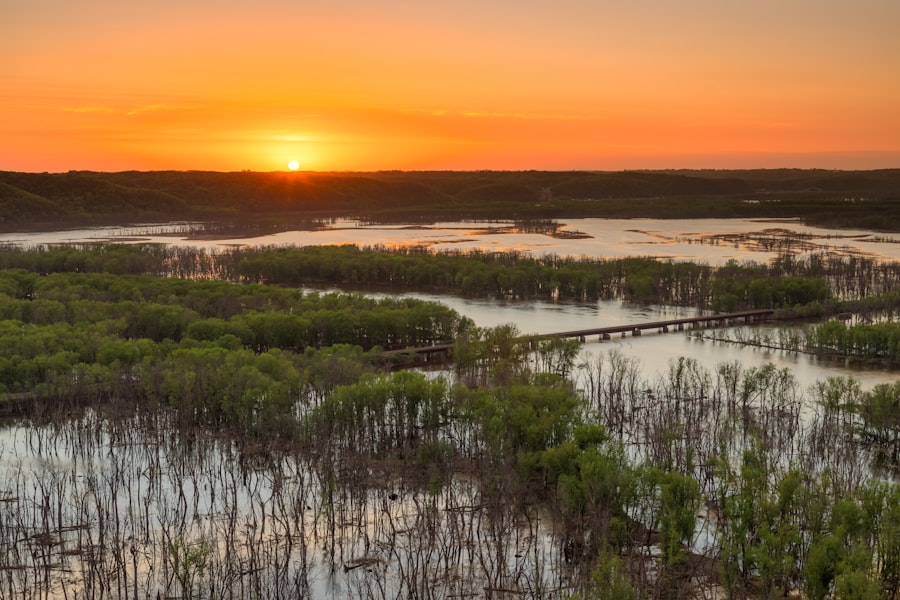
The Mississippi River’s ecosystem is a finely tuned web of interdependencies. The drought-induced stress reverberates through this web, threatening biodiversity and altering natural processes.
Habitat Degradation and Species Loss
As water levels recede, critical habitats for fish, mussels, and amphibians shrink or completely disappear. Shallow backwaters and oxbow lakes, vital for spawning and rearing, become disconnected from the main channel, leading to mass die-offs and reduced reproductive success. Freshwater mussels, in particular, are highly vulnerable to prolonged exposure and altered water quality. The loss of floodplains, which are intricately linked to the river’s health, also deprives waterfowl and other migratory birds of crucial feeding and nesting grounds. The cumulative effect is a reduction in population sizes and, in some cases, localized extinctions of sensitive species.
Water Quality Deterioration
Low water levels lead to reduced dilution capacity within the river. This means that pollutants from agricultural runoff, industrial discharge, and urban wastewater become more concentrated, leading to a decline in water quality. Higher temperatures associated with drought conditions also reduce dissolved oxygen levels, stressing aquatic life. The increased salinity in lower reaches further compounds these water quality issues, creating an environment inhospitable to many freshwater organisms. The river, acting as a natural cleansing system, struggles under these aggravated conditions, passing on impaired water to downstream communities and ecosystems.
Altered Sediment Transport
The river’s flow is intrinsically linked to its ability to transport sediment, a process crucial for delta formation and floodplain maintenance. Reduced flow diminishes the river’s carrying capacity for sediment. This can lead to increased deposition in some areas, further exacerbating navigation issues, while simultaneously starving downstream deltas of essential new land-building materials. The Mississippi River Delta, already vulnerable to subsidence and sea-level rise, becomes even more susceptible to erosion and land loss without adequate sediment supply, jeopardizing coastal protection and unique wetlands.
The ongoing drought affecting the Mississippi River has raised significant concerns about the impact of climate change on this vital waterway. As water levels continue to drop, the implications for agriculture, shipping, and ecosystems are becoming increasingly apparent. For a deeper understanding of how these changes are unfolding and their potential consequences, you can read a related article on this topic at My Geo Quest. This resource provides valuable insights into the intersection of climate dynamics and river health, highlighting the urgent need for adaptive strategies in response to these environmental challenges.
The Path Forward: Adaptation and Mitigation Strategies
| Metric | Value | Time Period | Source | Notes |
|---|---|---|---|---|
| Average Annual Flow Reduction | 15-25% | 2000-2023 | US Geological Survey (USGS) | Attributed to prolonged drought and climate change effects |
| Number of Severe Drought Years | 5 | 2000-2023 | NOAA National Drought Mitigation Center | Years with drought classified as D3 or higher |
| Average Temperature Increase | 1.2°C | 1980-2023 | NOAA Climate Data | Regional temperature rise impacting river flow |
| Soil Moisture Deficit | 20-30% | 2010-2023 | NASA Earth Observations | Reduced soil moisture contributing to drought severity |
| Impact on Navigation | 30% decrease in navigable days | 2010-2023 | US Army Corps of Engineers | Low water levels limit barge traffic |
| Crop Yield Reduction (Corn) | 10-15% | 2012, 2019 drought years | USDA | Due to reduced water availability from river and soil moisture |
Addressing the multifaceted challenges posed by the Mississippi River drought requires a comprehensive and coordinated approach, combining immediate adaptation measures with long-term climate change mitigation strategies.
Modernizing Water Management Practices
The current water management frameworks, often developed in an era of more predictable hydrological cycles, need significant modernization. This includes adopting integrated water resource management (IWRM) approaches that consider the entire watershed, rather than focusing on isolated segments. Implementing advanced forecasting tools can provide earlier warnings of impending drought conditions, allowing for more proactive responses. Investing in infrastructure improvements, such as modernizing locks and dams to optimize water release, and exploring smart irrigation techniques in agriculture can reduce overall water demand.
Investing in Nature-Based Solutions
Nature-based solutions offer sustainable and often cost-effective ways to enhance the basin’s resilience to drought. Restoring floodplains and wetlands, for example, can act as natural sponges, absorbing excess water during wet periods and slowly releasing it during dry spells, thereby recharging groundwater and sustaining river flows. Riparian zone restoration, through tree planting and vegetation management, can reduce erosion, improve water quality, and provide essential shade to keep water temperatures cooler. These ecological interventions are not merely aesthetic; they are foundational to a healthier and more resilient river system.
Global Climate Action and Policy Reform
Ultimately, addressing the root cause of the drought — climate change — necessitates aggressive global action to reduce greenhouse gas emissions. International agreements and national policies aimed at transitioning to renewable energy sources, improving energy efficiency, and promoting sustainable land use practices are paramount. Domestically, policy reforms related to water rights, agricultural subsidies that encourage water-intensive crops in arid regions, and urban planning that minimizes impervious surfaces can all contribute to a more sustainable water future for the Mississippi River basin. The river’s plight serves as a microcosm of the larger climate emergency, urging humanity to treat the planet as a shared vessel, where every drop of water and every breath of air is interconnected.
WATCH THIS! 🚨CRACKING: Why America’s $5 Trillion Dam is Failing Right Now
FAQs
What is causing the drought in the Mississippi River region?
The drought in the Mississippi River region is primarily caused by a combination of natural climate variability and human-induced climate change. Rising global temperatures have altered precipitation patterns, leading to reduced rainfall and increased evaporation rates in the area.
How does climate change affect the Mississippi River’s water levels?
Climate change affects the Mississippi River’s water levels by influencing precipitation patterns, increasing the frequency and severity of droughts, and altering snowmelt timing in the river’s watershed. These changes can lead to lower river flows and reduced water availability.
What are the impacts of drought on the Mississippi River ecosystem?
Drought can lead to lower water levels, which affect aquatic habitats, reduce water quality, and increase the concentration of pollutants. It can also disrupt fish migration, reduce biodiversity, and impact wetlands and other critical habitats along the river.
How does a drought in the Mississippi River affect agriculture?
Drought conditions reduce water availability for irrigation, which can lead to lower crop yields and increased stress on farmland. This can impact food production and increase economic losses for farmers in the region.
What are the economic consequences of drought on the Mississippi River?
Drought can disrupt shipping and transportation along the river due to low water levels, affecting the movement of goods such as agricultural products and raw materials. It can also increase costs for water treatment and supply, and impact industries reliant on river water.
Can droughts in the Mississippi River region be predicted?
While meteorologists can forecast short-term weather patterns, predicting droughts involves monitoring long-term climate trends, soil moisture levels, and precipitation forecasts. Advances in climate modeling have improved drought prediction, but uncertainties remain.
What measures are being taken to address drought and climate change impacts on the Mississippi River?
Efforts include improving water management practices, investing in drought-resistant infrastructure, restoring wetlands to enhance natural water storage, and implementing policies to reduce greenhouse gas emissions to mitigate climate change effects.
Is the frequency of droughts in the Mississippi River basin increasing?
Research indicates that climate change is contributing to more frequent and severe droughts in many parts of the United States, including the Mississippi River basin, due to altered precipitation patterns and higher temperatures.
How does drought affect water quality in the Mississippi River?
Lower water levels during droughts can concentrate pollutants, increase water temperature, and reduce oxygen levels, all of which degrade water quality and can harm aquatic life and human health.
What role does the Mississippi River play in the regional climate system?
The Mississippi River influences local and regional climate by affecting humidity levels, supporting ecosystems that regulate temperature, and serving as a critical water source that supports agriculture and industry, which in turn impact land use and climate dynamics.