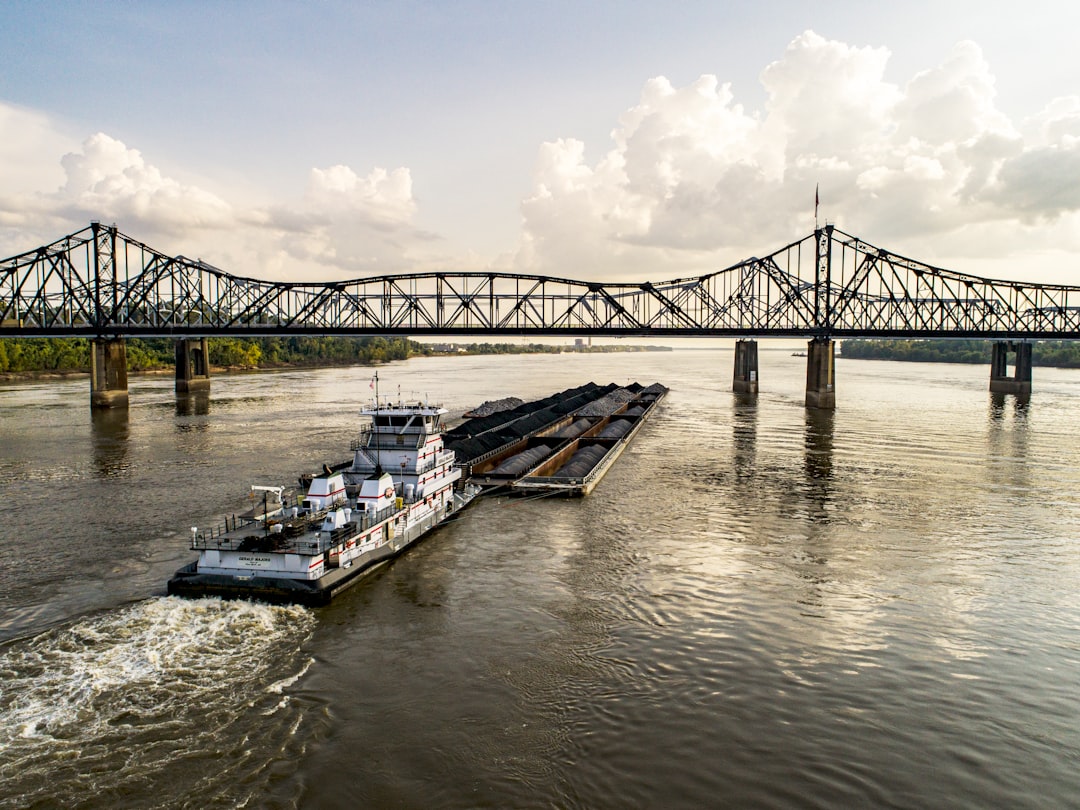
The Mississippi River, often referred to as the “lifeblood of America,” serves as a critical artery for commerce, agriculture, and industry throughout the central United States. Its navigability is paramount to the nation’s economic stability, facilitating the movement of vast quantities of goods, from agricultural commodities to industrial raw materials. Consequently, any significant disruption to this vital waterway, particularly a closure of its port infrastructure, carries profound implications that reverberate far beyond its immediate banks.
The Mississippi River and its intricate network of tributaries form the largest river system in North America, draining all or parts of 31 U.S. states and two Canadian provinces. This sprawling basin accounts for over 40% of the continental United States’ landmass, underscoring its immense geographical and economic influence. The recent developments in the Mississippi River infrastructure have significantly improved transportation efficiency.
Agricultural Backbone
The river is a primary transit route for agricultural products originating from the nation’s heartland. Corn, soybeans, wheat, and other grains cultivated in the fertile Mississippi River Valley are transported via barges to Gulf Coast ports for export to international markets. A smooth, uninterrupted flow of these commodities is essential for global food security and the livelihoods of countless farmers.
Industrial Corridor
Beyond agriculture, the Mississippi River supports a robust industrial corridor, particularly in its lower reaches. Petrochemicals, fertilizers, construction materials, and various manufactured goods depend on barge transportation for cost-effective and high-volume movement. Many industries strategically locate their facilities along the river to leverage this efficient logistical advantage. The river also facilitates the movement of crude oil and refined petroleum products, serving as a critical link in the nation’s energy supply chain.
Economic Engine
The economic output directly and indirectly supported by Mississippi River commerce is staggering. Studies by organizations such as the American Waterways Operators (AWO) and the Mississippi River Commission estimate that inland navigation on the Mississippi River system contributes hundreds of billions of dollars to the national GDP annually and supports millions of jobs across diverse sectors. The river’s ports and associated infrastructure represent significant investments, acting as regional economic anchors.
The potential risks associated with the closure of ports along the Mississippi River have raised significant concerns among local businesses and shipping companies. For a deeper understanding of the implications and the current situation regarding port operations, you can refer to a related article that discusses these challenges in detail. To read more, visit this article.
Causes of Mississippi River Port Closures
Port closures on the Mississippi River are not uncommon, though their duration and widespread impact vary significantly. These closures can stem from a confluence of natural phenomena, human intervention, or infrastructure failures. Understanding the root causes is crucial for developing effective mitigation strategies.
Natural Disasters and Extreme Weather Events
Flooding: The most frequent and often most disruptive cause of closures is flooding. Heavy rainfall events throughout the vast Mississippi River basin can lead to elevated water levels, inundating port facilities, submerging navigation aids, and creating dangerous currents. Flooding can also cause scour around bridge pilings, necessitating precautionary closures for structural integrity assessments. The sheer volume of water can make transit impossible for vessels, even if the ports themselves are not directly submerged.
Low Water Levels: Paradoxically, extremely low water levels can also lead to widespread closures. Drought conditions or insufficient rainfall reduce the river’s depth, making it impassable for deeply laden barges. This necessitates reduced cargo loads, leading to higher transportation costs and delays, or outright closure of certain sections and ports. Dredging operations are often intensified during low water periods, but they can only provide temporary relief.
Hurricanes and Tropical Storms: The lower Mississippi River, particularly the ports near the Gulf of Mexico, is highly vulnerable to hurricanes and tropical storms. These events bring destructive winds, storm surge, and torrential rainfall, which can damage port infrastructure, disrupt maritime operations, and create debris hazards in the channel. Evacuation orders for personnel and vessels typically precede such events, leading to pre-emptive closures.
Ice Formation: In the northern reaches of the Mississippi River, severe winter weather can lead to ice formation. Thick ice can impede navigation, damage vessel hulls, and render ports inaccessible. While less frequent in the lower river, sustained cold snaps can affect operations even there, particularly in tributary rivers feeding into the Mississippi.
Infrastructure Failure and Maintenance
Bridge Collisions or Damage: Bridges spanning the Mississippi River are vital to cross-river transportation. Collisions by vessels or damage from other sources, such as seismic activity, can necessitate emergency closures for inspection and repair. These closures can severely disrupt both riverine and overland traffic.
Lock and Dam Malfunctions: The Mississippi River system relies on an extensive network of locks and dams, particularly on its upper reaches, to maintain navigable depths. Malfunctions or scheduled maintenance of these critical structures can impede vessel passage, creating bottlenecks and delays. While routine maintenance is planned, unexpected failures can lead to immediate and prolonged closures.
Channel Obstructions: Debris, sunken vessels, or structural collapses (e.g., from bank erosion) can create sudden and dangerous obstructions in the navigation channel, necessitating closures until the hazard can be removed. Such incidents often require specialized salvage operations.
Regulatory and Safety Directives
Environmental Spills: Accidents involving hazardous materials, such as oil or chemical spills, can lead to immediate port closures and navigation restrictions to contain the spill, protect sensitive ecosystems, and facilitate cleanup operations. The potential for long-term environmental damage and human health risks necessitates a cautious approach.
Security Threats: In rare instances, security threats or acts of terrorism could trigger port closures as a precautionary measure to protect critical infrastructure and prevent further incidents. These closures would likely be coordinated by federal agencies such as the U.S. Coast Guard and Department of Homeland Security.
Immediate Repercussions of a Closure
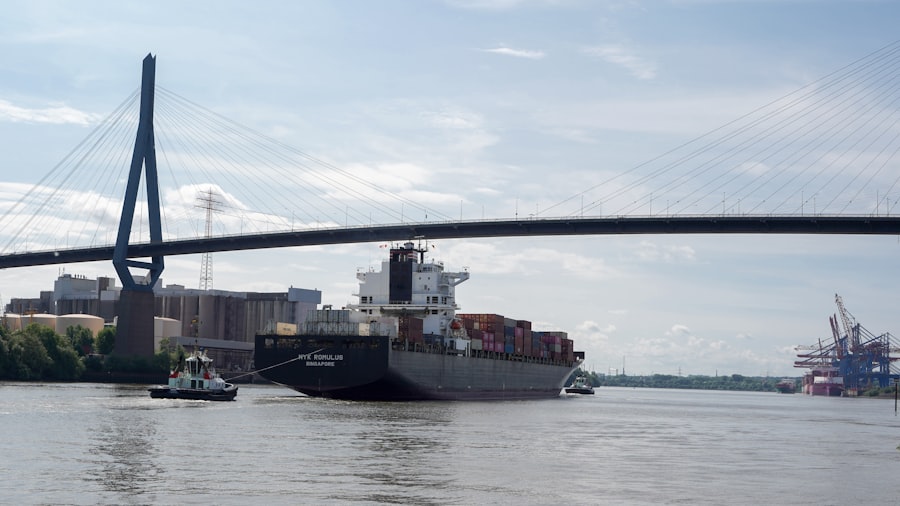
A closure of significant duration or scope on the Mississippi River triggers an immediate cascade of effects, rippling through the interwoven fabric of the economy. Think of the river as a major artery; when it clots, the entire body feels the strain.
Supply Chain Disruptions
The most palpable immediate impact is the disruption to supply chains. Goods that typically move by barge are suddenly stranded, unable to reach their intended destinations. This creates a backlog at ports, warehouses become overburdened, and production schedules are thrown into disarray.
Perishable Goods: Agricultural products, particularly grains, are often stored for short periods before export. Prolonged closures can lead to storage capacity issues at silos and elevators, potentially causing spoilage or forcing farmers to sell at reduced prices in local markets with limited demand.
Manufacturing Delays: Industries relying on just-in-time inventory systems are particularly vulnerable. A delay in the delivery of raw materials or components can halt production lines, leading to lost output, increased labor costs, and failure to meet customer timelines. Conversely, finished goods destined for barge transport accumulate, straining storage facilities.
Energy Sector Impact: The movement of petroleum products, coal, and other energy sources by barge is substantial. Closures can lead to localized fuel shortages, price spikes, and difficulties in supplying power plants, especially in regions heavily reliant on riverine coal transport.
Economic Costs
The financial ramifications of a port closure are extensive and multifaceted, impacting various stakeholders.
Increased Transportation Costs: When barges cannot move, shippers are forced to seek alternative modes of transportation, primarily rail and truck. This “modal shift” is often significantly more expensive due to higher fuel costs, labor, and lower cargo capacity per unit. The cost difference can be substantial, with barge transportation generally being the most cost-effective for bulk goods. These increased costs are often passed on to consumers.
Demurrage and Detention Charges: Vessels and barges caught in a closure accrue demurrage charges (fees for exceeding allotted loading/unloading time) and detention charges (fees for extended use of equipment), adding further financial strain on shippers and carriers.
Lost Revenue and Wages: Businesses directly involved in river commerce, such as barge operators, port workers, and stevedores, suffer immediate revenue losses and potential wage impacts. Indirectly, industries that rely on timely river deliveries face reduced sales and lost productivity.
Impact on Commodity Market Prices: Especially for agricultural commodities, prolonged closures can lead to significant price volatility. A bottleneck of grain unable to reach export markets can depress domestic prices for farmers, while international buyers may seek alternative, potentially more expensive, sources, thereby affecting global market stability.
Long-Term ripple effects: A Wider Lens
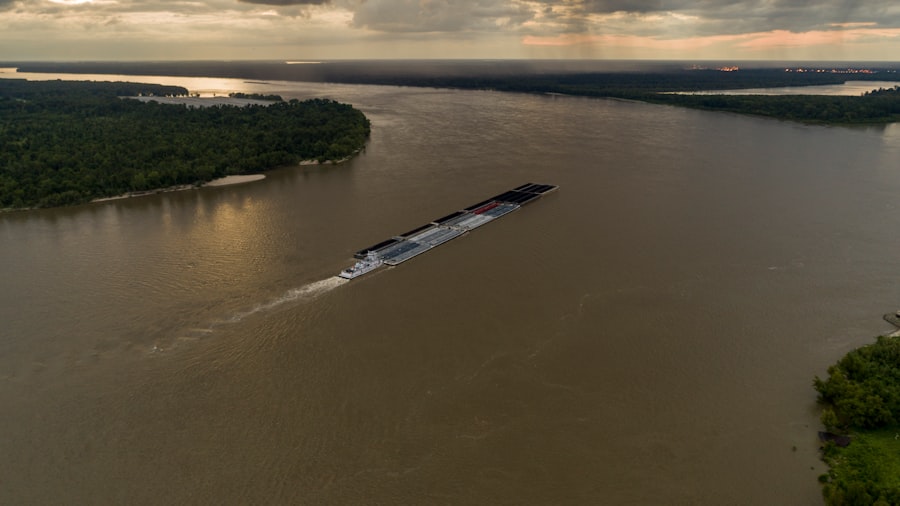
While immediate impacts are often visible, the long-term consequences of significant Mississippi River port closures can be more insidious, eroding economic resilience and competitive advantage.
Permanent Modal Shift
If river transportation becomes unreliable due to frequent or prolonged closures, some industries may re-evaluate their logistical strategies. They might invest in land-based transportation infrastructure (e.g., new rail lines, larger truck fleets) or even relocate facilities away from the river to regions perceived as more logistically secure. This “modal shift” could lead to a permanent reduction in barge traffic, impacting the long-term viability of river communities and existing port infrastructure investments.
Erosion of Competitive Advantage
The cost-effectiveness of Mississippi River barge transport gives U.S. agricultural and industrial exports a significant competitive edge in global markets. If transportation costs consistently rise due to river disruptions, American products become less attractive to international buyers. This could lead to a loss of market share, impacting the livelihoods of American producers and weakening the nation’s trading position.
Infrastructure Deterioration and Underinvestment
Persistent disruptions can disincentivize private investment in port expansion, fleet modernization, and other critical infrastructure improvements. If the reliability of the waterway is compromised, the economic return on such investments diminishes. This leads to a vicious cycle where underinvestment further degrades the system’s capacity and resilience, exacerbating future disruptions.
Environmental Burden
When cargo shifts from barges to trucks and trains, there are significant environmental consequences. Barges are incredibly fuel-efficient, moving a ton of cargo more miles per gallon than either rail or truck. A shift to these less efficient modes increases greenhouse gas emissions, air pollution, and congestion on roadways and rail networks. This undermines efforts to promote sustainable transportation and mitigate climate change.
The ongoing concerns regarding the Mississippi River port closure risk have significant implications for trade and transportation in the region. Recent discussions highlight how potential disruptions could affect supply chains and local economies. For a deeper understanding of this issue, you can read a related article that explores the various factors contributing to these risks and their potential impact on commerce. To learn more, visit this informative article that delves into the complexities surrounding the Mississippi River’s critical role in logistics.
Mitigation Strategies and Future Preparedness
| Metric | Value | Unit | Notes |
|---|---|---|---|
| Average Daily Cargo Volume | 500,000 | tons | Approximate tonnage handled by Mississippi River ports daily |
| Number of Ports at Risk | 15 | ports | Ports along the Mississippi River vulnerable to closure |
| Historical Closure Frequency | 3 | times/year | Average number of closures due to flooding or ice |
| Average Closure Duration | 48 | hours | Typical length of port closure events |
| Economic Impact per Closure | 1.2 | billion | Estimated economic loss per closure event |
| Primary Causes of Closure | Flooding, Ice Jams, Infrastructure Damage | N/A | Leading factors contributing to port closures |
| Risk Level (2024) | High | N/A | Current assessed risk of port closure |
Addressing the risks associated with Mississippi River port closures requires a multi-pronged approach encompassing infrastructural improvements, advanced monitoring, and collaborative planning. It’s not enough to react to a problem; foresight is paramount.
Investing in Robust Infrastructure
Dredging and Channel Maintenance: Consistent and adequately funded dredging programs are essential to maintain navigable depths, especially during periods of low water. Investment in modern dredging equipment and sophisticated hydrographic surveying helps ensure optimal channel configuration.
Lock and Dam Modernization: Many of the locks and dams on the Mississippi River system are aging and operating beyond their original design life. Significant capital investment is required for their modernization, rehabilitation, and, in some cases, expansion to improve reliability and increase capacity. This includes automation and improved structural integrity.
Port Resilience: Hardening port infrastructure against extreme weather events (e.g., elevated structures, improved seawalls, redundant power systems) is crucial. Developing alternative berthing options and improving intermodal connections can also enhance resilience.
Advanced Monitoring and Forecasting
Hydrographic and Meteorological Data: Robust systems for collecting and analyzing real-time hydrographic data (water levels, currents, depths) and meteorological forecasts are critical. This allows for earlier warnings of potential flooding or low water events, enabling proactive planning by vessel operators and port authorities.
Predictive Modeling: Utilizing sophisticated predictive models for river levels, sediment transport, and weather patterns can provide longer lead times for decision-making, allowing for staged responses rather than reactive closures. This includes models for predicting ice formation in northern sections.
Collaborative Planning and Communication
Inter-agency Coordination: Effective communication and coordination among federal agencies (e.g., U.S. Coast Guard, Army Corps of Engineers, FEMA), state and local authorities, and private sector stakeholders are paramount. This ensures a unified response and efficient allocation of resources during a crisis.
Emergency Response Protocols: Developing clear, pre-established emergency response protocols and conducting regular drills helps ensure that all parties understand their roles and responsibilities during a closure event. This includes plans for diverting traffic, providing emergency services, and managing public information.
Stakeholder Engagement: Regular dialogue with the agricultural sector, industrial users, transportation companies, and port operators allows for a better understanding of their needs and concerns, ensuring that mitigation strategies are practical and effective. This engagement can lead to innovative solutions and shared responsibility.
Conclusion
The Mississippi River is more than just a waterway; it is a fundamental pillar of the American economy. Its ports and navigation channels facilitate a monumental volume of trade, underpinning vast sectors of agriculture, energy, and manufacturing. A closure, regardless of its cause, acts as a constricting tourniquet on this vital artery, sending spasms of disruption through supply chains and incurring substantial economic costs.
As the nation grapples with the increasing frequency of extreme weather events and the aging of critical infrastructure, the imperative to invest in the resilience of the Mississippi River system becomes ever more apparent. Through strategic infrastructure modernization, advanced monitoring technologies, and robust collaborative planning, the risks posed by port closures can be mitigated, safeguarding the economic health and logistical stability of the central United States. Failure to do so would not merely be an inconvenience, but a profound vulnerability that could reverberate with enduring consequence across the nation. The foresight and investment made today will define the reliability and prosperity of this indispensable waterway for generations to come.
WATCH THIS! 🚨CRACKING: Why America’s $5 Trillion Dam is Failing Right Now
FAQs
What is the Mississippi River port closure risk?
The Mississippi River port closure risk refers to the potential for disruptions or shutdowns of port operations along the Mississippi River due to factors such as natural disasters, infrastructure issues, labor disputes, or environmental concerns.
Why is the Mississippi River important for port operations?
The Mississippi River is a critical waterway for transporting goods and commodities in the United States. It connects inland ports to the Gulf of Mexico, facilitating domestic and international trade, especially for agricultural products, petroleum, and manufactured goods.
What factors can lead to the closure of ports along the Mississippi River?
Ports along the Mississippi River can be closed due to flooding, severe weather events like hurricanes, ice jams, infrastructure failures such as bridge or lock malfunctions, labor strikes, or environmental hazards like oil spills.
How do port closures on the Mississippi River impact the economy?
Port closures can disrupt supply chains, delay shipments, increase transportation costs, and affect industries reliant on river transport. This can lead to economic losses for businesses, higher prices for consumers, and challenges in meeting delivery schedules.
What measures are in place to mitigate the risk of Mississippi River port closures?
Authorities and port operators implement flood control systems, maintain and upgrade infrastructure, develop emergency response plans, and coordinate with stakeholders to minimize disruptions. Monitoring weather and river conditions also helps in proactive management.
How can businesses prepare for potential Mississippi River port closures?
Businesses can diversify transportation routes, maintain inventory buffers, communicate with suppliers and customers about potential delays, and stay informed about river conditions and port status updates.
Where can I find updates about the status of Mississippi River ports?
Updates are typically available from the U.S. Coast Guard, the Army Corps of Engineers, local port authorities, and maritime news services. These sources provide real-time information on river conditions and port operations.
Are Mississippi River port closures common?
While temporary closures or restrictions can occur due to seasonal flooding or weather events, prolonged or widespread closures are less common but can happen during extreme conditions or significant infrastructure issues.