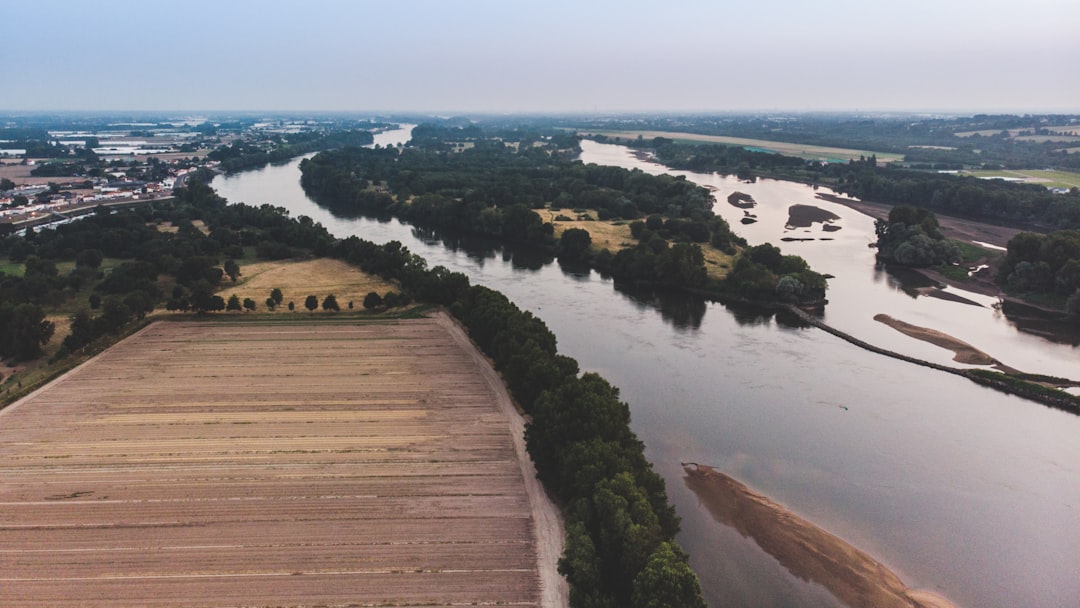
The Mississippi River, a colossal hydrological artery often referred to as the “Father of Waters,” has profoundly shaped the agricultural economy of North America. Its sheer scale and the vastness of its basin, encompassing over 3.2 million square kilometers, have rendered it an indispensable resource, a lifeblood flowing through the heartland of the United States. Its influence extends far beyond mere water provision, acting as both a fertile ground and a critical logistical pathway for the agricultural sector.
The Mississippi River’s most fundamental contribution to agriculture lies in the very ground upon which crops are grown. The river is a prodigious carrier of sediment, continually depositing nutrient-rich silt across its floodplain, a process that has occurred for millennia. The recent developments in the Mississippi River infrastructure have significantly improved transportation and trade efficiency.
The Alluvial Legacy: A Continuous Soil Renewal System
Each year, especially during flood events, the Mississippi dislodges vast quantities of soil from the upper reaches of its basin. This material, a finely ground mixture of rock particles, organic matter, and various minerals, is then transported downstream. As the river overflows its banks or carves new channels, these sediments are deposited, forming extensive tracts of highly fertile land known as alluvial plains. The lower Mississippi River Valley, in particular, showcases this phenomenon on an epic scale, with some of the most productive agricultural land in the world owing its existence to these ongoing geological processes.
Nutrient Enrichment: The Engine of Growth
The composition of these alluvial deposits is crucial. Unlike weathered upland soils that can become depleted over successive growing seasons, the Mississippi’s alluvial soils are continually replenished with essential macronutrients (such as nitrogen, phosphorus, and potassium) and micronutrients. This natural fertilization reduces farmers’ reliance on synthetic fertilizers, thereby lowering input costs and promoting more sustainable farming practices in regions directly impacted by the river’s depositional activity. The inherent fertility of these soils contributes directly to higher yields per acre, a cornerstone of agricultural profitability.
Subterranean Water Resources: Aquifer Recharge
Beyond surface deposition, the river plays a vital role in recharging vast subterranean aquifers. As the Mississippi flows, water permeates the underlying geological strata, replenishing groundwater reserves. These aquifers, particularly the alluvial aquifer systems, serve as crucial sources of irrigation water for agricultural operations situated away from the river’s immediate banks but still within its hydrologic influence. This natural recharge mechanism ensures a more reliable water supply, especially during periods of drought when surface water sources may dwindle.
The economic impact of the Mississippi River on agriculture is profound, influencing everything from crop transportation to irrigation practices. For a deeper understanding of how this vital waterway supports agricultural activities and contributes to the overall economy, you can explore a related article at My Geo Quest. This resource provides insights into the river’s role in facilitating trade and sustaining farming communities along its banks.
Irrigation: The Lifeblood of Modern Agriculture
While the river itself creates fertile soil, its water is equally critical for irrigation, particularly in regions that do not receive sufficient rainfall during key growing seasons. The Mississippi and its tributaries are the ultimate faucets for a significant portion of America’s agricultural thirsty lands.
Direct Withdrawal: Quenching Crop Thirst
Farmers along the length of the Mississippi and its major tributaries directly withdraw water for irrigation purposes. From rice paddies in Arkansas and Louisiana to corn and soybeans in the Midwest, vast quantities of water are pumped from the river or its associated channels to sustain crops. This direct access to an abundant freshwater source minimizes the impact of localized droughts and allows for the cultivation of water-intensive crops that might otherwise be unfeasible. The network of canals, levees, and pumping stations across the basin is a testament to the scale of this reliance.
Indirect Influence: Regional Water Tables
Even in areas not directly irrigated by the Mississippi, its presence significantly influences regional water tables. The immense volume of water it carries helps to maintain saturated soil conditions and shallow groundwater levels across broad swathes of the floodplains. This elevated water table can reduce the need for extensive irrigation, as crops can access naturally occurring moisture more readily. The river acts as a regional humidifier, permeating the very land it traverses.
Irrigation Infrastructure: A Network of Arteries
The development of agricultural land along the Mississippi has necessitated a sophisticated and extensive irrigation infrastructure. This includes not only pumping stations and canals but also reservoirs and managed wetlands designed to store and distribute water efficiently. These engineering marvels are directly dependent on the Mississippi as their primary water source, transforming vast, otherwise arid or semi-arid regions into productive agricultural landscapes. This infrastructure represents a massive investment, an investment predicated entirely on the reliable flow of the Mississippi.
Transportation: The River as an Economic Highway
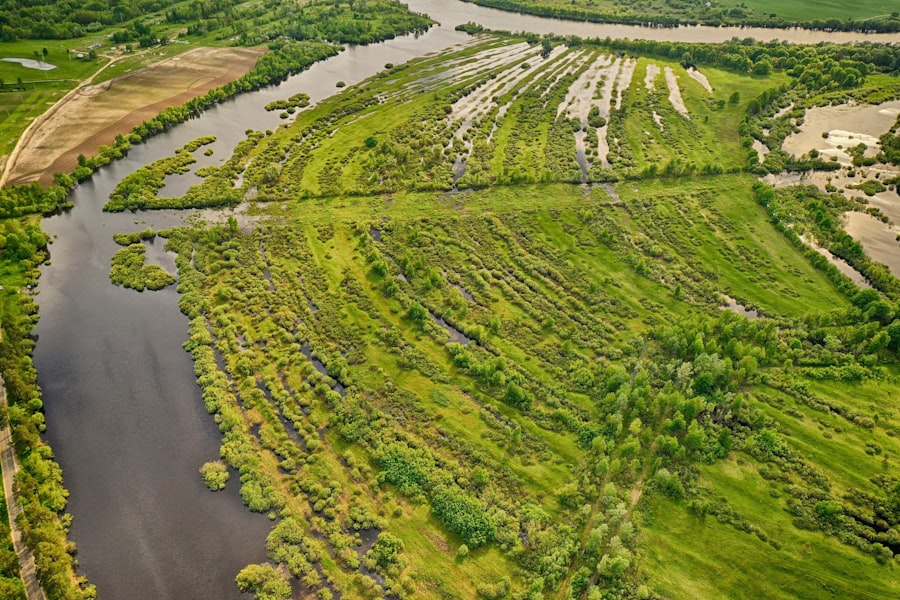
Beyond soil and water, the Mississippi River serves as an unparalleled transportation artery, facilitating the efficient and cost-effective movement of agricultural commodities to domestic and international markets. This logistical advantage is a cornerstone of the region’s agricultural competitiveness.
Barge Traffic: A Cost-Effective Solution
For bulk commodities such as grain (corn, soybeans, wheat), fertilizer, and agricultural machinery, barge transportation on the Mississippi is significantly more cost-effective than road or rail transport. A single tow of barges can carry the same amount of cargo as hundreds of trucks or several trainloads, consuming less fuel and generating fewer emissions per ton-mile. This efficiency translates directly into lower transportation costs for farmers, increasing their profit margins and making their products more competitive on the global stage. The river, in essence, is a continuous conveyor belt.
Access to Global Markets: Export Hubs
The Mississippi River flows directly into the Gulf of Mexico, providing a direct conduit for American agricultural products to reach international markets. Major port facilities along the lower Mississippi, such as those in New Orleans and Baton Rouge, are among the busiest agricultural export hubs in the world. Grain elevators and processing facilities line the river, acting as funnel points where vast quantities of produce are consolidated, loaded onto ocean-going vessels, and shipped worldwide. Without this direct watery link, the logistical challenges and costs associated with exporting American agricultural surpluses would be substantially higher, potentially undermining the nation’s position as a leading global food exporter.
Domestic Distribution: Inland Market Reach
While international exports are vital, the Mississippi also facilitates the efficient distribution of agricultural products within the United States. Commodities can be moved upriver to industrial centers for processing or consumption, and agricultural inputs like fertilizer and farm equipment can be transported downriver to farming communities. This interconnected network of waterways reinforces the internal market dynamics of the agricultural economy, binding diverse regions together through shared logistical pathways.
Flood Control and Land Management: A Double-Edged Sword
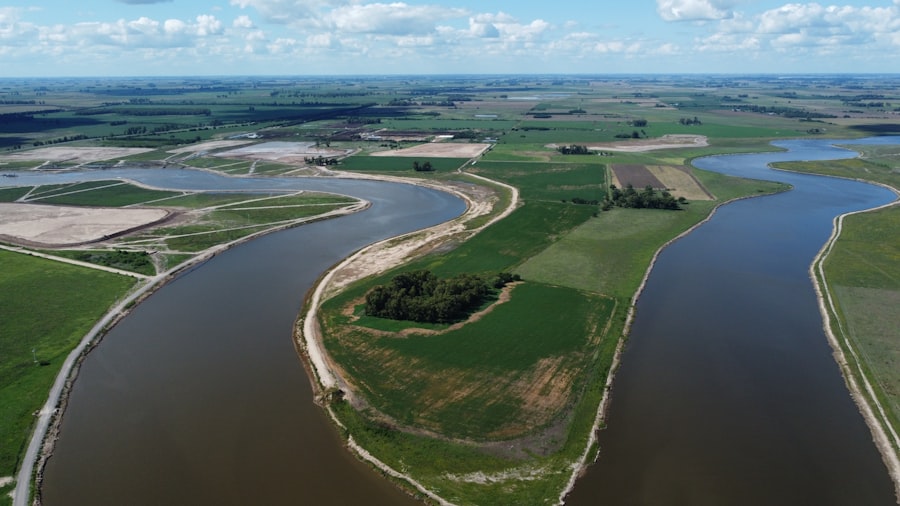
Managing the capricious nature of the Mississippi River, particularly its tendency to flood, has been a monumental undertaking. While floods are essential for renewing alluvial soils, uncontrolled inundations can devastate crops and agricultural infrastructure.
Levee Systems: Protecting Farmlands
The extensive system of levees, floodwalls, and spillways along the Mississippi is a direct response to the need to protect agricultural land from catastrophic flooding. These engineering marvels, developed over centuries, aim to contain the river within defined channels, safeguarding millions of acres of prime farmland. While effective, these systems fundamentally alter the natural dynamics of the river, preventing the periodic deposition of fresh sediment on most of the floodplain and impacting wetland ecosystems. It’s a delicate balance between protection and natural processes.
Water Diversion and Wetlands: Ecosystem Contributions
Beyond physical levees, water diversion projects and the preservation of wetlands play a crucial role in flood control. Wetlands act as natural sponges, absorbing excess floodwaters and slowly releasing them, thereby mitigating peak flows downstream. These natural systems, while often converted for agricultural use historically, are now recognized for their ecological and flood mitigation benefits. Integrated land management strategies that incorporate protected wetlands alongside agricultural lands offer a more holistic approach to river basin management.
The Trade-Off: Nutrient Depletion and Delta Subsidence
The leveeing of the Mississippi, while protecting farmlands, has had unintended consequences for the delta region. By preventing the natural overflow and sediment deposition, it has contributed to the subsidence of the Mississippi River Delta, making it more vulnerable to rising sea levels and storm surges. This also means that the protective barrier of fresh, renewing sediment is no longer reaching vast portions of the delta, leading to a long-term decline in fertility in previously productive areas. This is a complex environmental challenge with direct implications for deltaic agriculture.
The economic impact of the Mississippi River on agriculture is profound, influencing everything from crop transportation to irrigation practices. For a deeper understanding of how this vital waterway supports agricultural productivity and regional economies, you can explore a related article that delves into these aspects in detail. This resource highlights the intricate relationship between the river and farming communities, showcasing how farmers rely on the river for efficient logistics and resource management. To learn more, visit this insightful piece on the topic here.
Challenges and Future Outlook: Navigating a Changing Climate
| Metric | Value | Unit | Description |
|---|---|---|---|
| Annual Agricultural Output | 15 | billion | Value of crops produced in the Mississippi River basin |
| Farm Employment | 500,000 | jobs | Number of jobs supported by agriculture in the Mississippi River region |
| Crop Types | Corn, Soybeans, Cotton, Rice | – | Main crops grown in the Mississippi River basin |
| Water Usage for Irrigation | 20 | billion gallons/day | Estimated water withdrawn from the river for agricultural irrigation |
| Transportation Volume | 60 | million tons/year | Amount of agricultural products shipped via the Mississippi River |
| Economic Contribution | 30 | percent | Percentage of regional economy linked to agriculture dependent on the river |
The Mississippi River’s relationship with agriculture is dynamic and faces new challenges, particularly those arising from climate change and evolving environmental regulations.
Climate Change Impacts: Droughts and Intense Floods
Climate change is projected to lead to more extreme weather events, including more frequent and intense droughts as well as heavier rainfall events contributing to more severe floods. Both scenarios pose significant threats to agricultural productivity within the Mississippi River basin. Prolonged droughts can reduce water availability for irrigation, while intense floods can destroy crops, infrastructure, and lead to soil erosion. Adapting to these shifts requires resilient farming practices and innovative water management strategies.
Water Quality Concerns: Agricultural Runoff
Agricultural practices within the Mississippi River basin contribute to water quality issues, notably the “Dead Zone” in the Gulf of Mexico. Runoff from fertilizers and pesticides eventually makes its way into the river, carrying excess nutrients that promote algal blooms and subsequent oxygen depletion in the Gulf. This environmental challenge necessitates a shift towards more sustainable agricultural practices, such as precision agriculture, cover cropping, and riparian buffer zones, to mitigate the impact of agricultural runoff on the river and its downstream ecosystems.
Infrastructure Development and Maintenance: A Continuous Investment
The vast network of locks, dams, levees, and navigation channels that makes the Mississippi an agricultural lifeline requires continuous investment in maintenance and modernization. Aging infrastructure presents a risk to the efficient flow of goods and the protection of agricultural lands. Future economic viability depends on proactive and sustained funding for these critical assets. The river’s infrastructure is a continuous work-in-progress, mirroring the ongoing evolution of agricultural practices.
Balancing Competing Demands: Conservation vs. Production
The future of the Mississippi River and its relationship with agriculture will involve navigating competing demands. Striking a balance between maximizing agricultural production and conserving the river’s ecological health, including its wetlands and biodiversity, is paramount. This requires collaborative efforts among farmers, government agencies, environmental organizations, and other stakeholders to develop sustainable resource management plans that benefit both the economy and the environment.
The Mississippi River is more than just a waterway; it is an economic engine, a geological sculptor, and a vital lifeline for American agriculture. Its future influence will depend on our ability to adapt to environmental changes, embrace sustainable practices, and continue to invest in the infrastructure that allows this majestic river to nourish a continent. The river reminds us that prosperity is often tied to the health and vitality of our natural world, a lesson that rings true with every drop that flows from this great “Father of Waters.”
WATCH THIS! 🚨CRACKING: Why America’s $5 Trillion Dam is Failing Right Now
FAQs
What is the economic significance of the Mississippi River for agriculture?
The Mississippi River plays a crucial role in the U.S. agricultural economy by providing a major transportation route for crops such as corn, soybeans, and wheat. It enables efficient shipping of agricultural products to domestic and international markets, reducing transportation costs and supporting farm incomes.
How does the Mississippi River support agricultural trade?
The river serves as a key waterway for barges that transport large volumes of agricultural commodities. This waterborne transport system connects farms in the Midwest to export terminals along the Gulf of Mexico, facilitating global trade and helping maintain the competitiveness of U.S. agriculture.
What types of agricultural products are commonly transported via the Mississippi River?
Common agricultural products transported on the Mississippi River include corn, soybeans, wheat, rice, cotton, and livestock feed. These commodities are shipped in bulk to processing facilities, domestic markets, and export terminals.
How does the Mississippi River impact farming communities economically?
By providing cost-effective transportation and access to markets, the Mississippi River supports farm profitability and rural employment. It also stimulates related industries such as grain storage, processing, and shipping services, contributing to the overall economic vitality of farming communities.
Are there any challenges related to the Mississippi River that affect agriculture?
Yes, challenges include fluctuating water levels, sedimentation, and infrastructure maintenance needs, which can disrupt navigation and increase transportation costs. Additionally, environmental regulations and flood risks can impact agricultural operations along the river.
What role does the Mississippi River play in the U.S. food supply chain?
The river is a vital link in the food supply chain, enabling the movement of raw agricultural materials from farms to processing plants and export markets. Its efficient transportation network helps ensure a steady supply of food products both domestically and internationally.
How does the Mississippi River contribute to the global competitiveness of U.S. agriculture?
By providing a low-cost, high-capacity transportation route, the Mississippi River helps U.S. farmers and agribusinesses compete in global markets. It reduces shipping expenses and transit times, making U.S. agricultural exports more attractive to buyers worldwide.