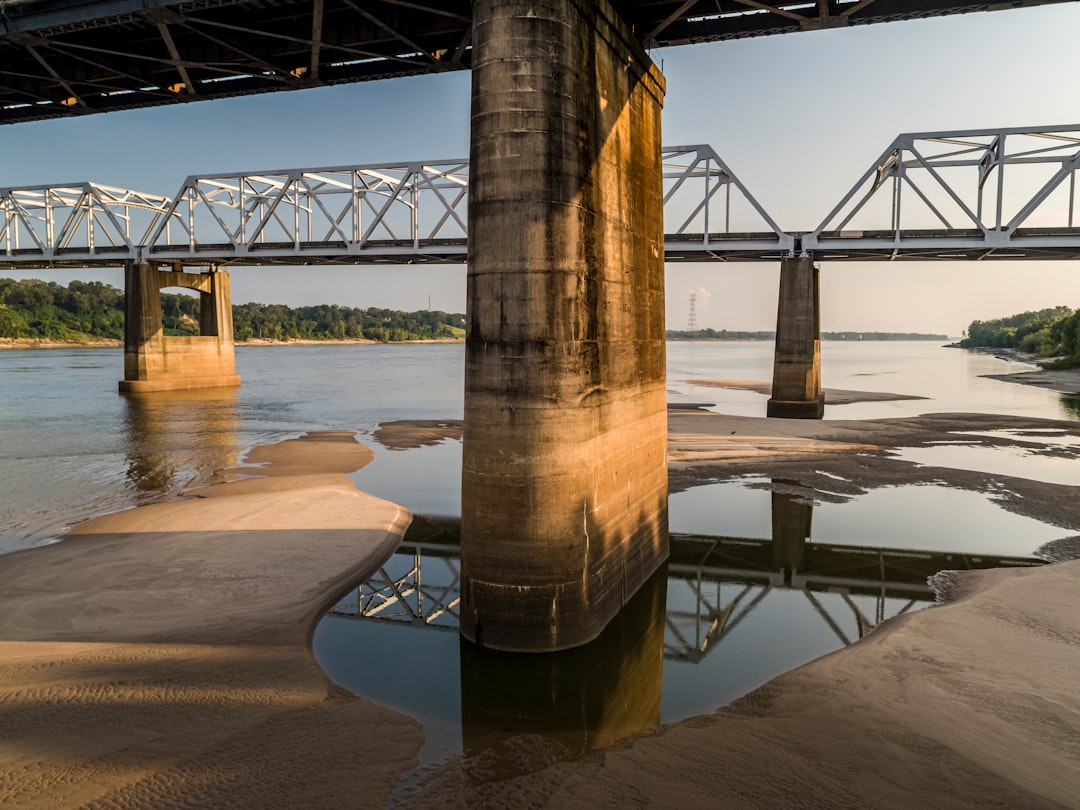
The Mississippi River, a colossal artery of North America, carries a burden far greater than just water and sediment. It shoulders the economic, environmental, and social well-being of millions, yet its infrastructure, a complex web of dams, levees, locks, and channels, faces perpetual challenges. This article explores the multifaceted strategies and critical considerations involved in building resilience within the Mississippi River’s infrastructural network.
For centuries, the Mississippi River dictated the rhythm of life for communities along its banks, its floods shaping landscapes and traditions. The advent of modern engineering, particularly in the 20th century, profoundly altered this relationship. Extensive infrastructure projects, primarily driven by demands for navigation, flood control, and agricultural expansion, transformed the river from a wild, meandering entity into a highly managed system. The recent developments in the Mississippi River infrastructure have significantly improved transportation and trade efficiency.
A Century of Engineering Intervention
The early 20th century saw the implementation of major flood control projects, notably culminating in the Mississippi River and Tributaries Project (MR&T) following the devastating 1927 flood. This ambitious undertaking, spearheaded by the U.S. Army Corps of Engineers (USACE), focused on constructing extensive levee systems, floodways, and control structures to contain the river’s unpredictable power. These interventions, while mitigating immediate risks, also introduced long-term ecological and geomorphological consequences. The river, once free to ebb and flow across its floodplain, became largely confined, altering sediment deposition patterns and impacting wetlands.
The Economic Engine: Navigating a Vital Corridor
The Mississippi River and its tributaries constitute one of the world’s most extensive inland waterway systems, facilitating the transport of a significant portion of agricultural commodities, coal, petroleum, and other bulk goods. The lock and dam system, in particular, plays a pivotal role in maintaining navigable depths, allowing barges to traverse hundreds of miles. This intricate network is not merely a convenience; it is a critical component of the national and global supply chain, directly impacting agricultural prices, manufacturing costs, and export capabilities.
In recent discussions about the resilience of infrastructure along the Mississippi River, an insightful article can be found on MyGeoQuest that explores innovative strategies for enhancing flood management and riverbank stabilization. This piece delves into the challenges posed by climate change and the importance of sustainable practices in maintaining the integrity of the river’s ecosystem. For more information, you can read the article here: MyGeoQuest.
Threats to the System: The Impermanence of Control
Despite the formidable engineering achievements, the Mississippi River infrastructure remains susceptible to a range of natural and anthropogenic threats. These challenges necessitate a continuous re-evaluation of existing strategies and the development of innovative solutions to ensure long-term resilience.
The Tyranny of Water: Floods and Droughts
The inherent variability of the Mississippi’s hydrology presents a constant challenge. Extreme weather events, intensified by climate change, manifest as both devastating floods and prolonged droughts. Floods strain levee systems, test the capacity of floodways, and disrupt navigation, while droughts lead to dangerously low water levels, grounding barges and impeding commerce. Each extreme presents unique operational and structural challenges that demand proactive mitigation and adaptive management.
Aging Infrastructure: A Silent Erosion
Much of the Mississippi River’s infrastructure, particularly its locks and dams, dates back to the mid-20th century. These structures, built to last, are now showing their age. Concrete degradation, steel corrosion, and the obsolescence of control systems are common issues. The cumulative effect of decades of wear and tear, coupled with increased demands on the system, necessitates substantial investment in repair, rehabilitation, and, in some cases, complete replacement. Neglecting these issues is akin to ignoring cracks in the foundation of a building; eventually, the entire structure is compromised.
Geomorphological Dynamics: The River’s Own Agenda
Despite human attempts to control it, the Mississippi River continues to exert its geomorphological will. Sediment deposition and erosion patterns are constantly shifting, impacting navigation channels, threatening levee stability, and altering ecological habitats. The river’s natural tendency to meander and seek new paths is in constant tension with the engineered system designed to constrain it. Understanding and anticipating these dynamic processes are crucial for effective long-term management.
Strategies for Resilience: Adapting to a Dynamic Future
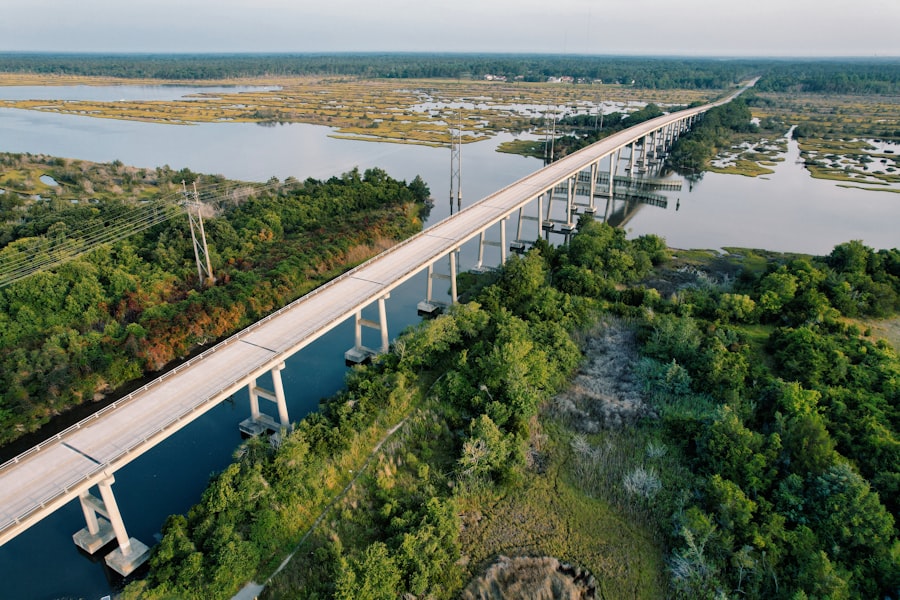
Building resilience within the Mississippi River’s infrastructure requires a multifaceted approach that integrates structural enhancements, ecological restoration, and adaptive governance. It involves moving beyond a purely control-oriented paradigm towards a more holistic stewardship of the river system.
Hardening the Bones: Structural Investments
Direct structural improvements remain a cornerstone of resilience building. This includes upgrading and strengthening existing levee systems, replacing or rehabilitating aging locks and dams, and employing advanced monitoring technologies. Significant investment in these areas is crucial to prevent catastrophic failures and maintain operational continuity. This is analogous to a doctor performing necessary surgery on an aging body; sometimes, direct intervention is unavoidable to prolong a healthy life.
Levee Enhancements and Setbacks
Modern levee design incorporates lessons learned from past failures, focusing on improved compaction, seepage control, and erosion protection. In some areas, strategic levee setbacks are being explored. This involves moving levees further inland, creating broader floodplains that can temporarily store floodwaters and reduce pressure on the main levee system, while also providing ecological benefits. This concept embodies a move towards giving the river more room to breathe.
Lock and Dam Modernization
The modernization of locks and dams is a critical, albeit expensive, undertaking. This involves not only structural repairs but also the integration of modern hydraulic systems, automation, and real-time monitoring capabilities. Upgrading these vital chokepoints ensures efficient navigation and reduces the risk of prolonged closures due to mechanical failures. Imagine a bustling highway suddenly reduced to a single lane; that is the impact of a failing lock or dam.
Embracing Nature: Ecological Engineering and Restoration
A growing recognition exists that working with natural processes, rather than solely against them, can enhance resilience. Ecological engineering and large-scale restoration projects are increasingly being integrated into infrastructure planning.
Diversion Projects and Sediment Management
The construction of diversions, particularly in the lower Mississippi River Delta, aims to reconnect the river with its eroding wetlands. By allowing sediment-laden river water to flow into these areas, these projects seek to rebuild land, recreate natural flood barriers, and enhance ecological productivity. This is akin to giving the river the tools to heal itself. Effective sediment management, encompassing dredging in navigation channels and beneficial reuse for marsh creation, is also vital.
Floodplain Reconnection and Wetland Preservation
Reconnecting floodplains to the river, where feasible, offers numerous benefits. Floodplains act as natural sponges, absorbing excess water during high flows, reducing downstream flood peaks, and recharging groundwater. Preserving and restoring wetlands further enhances this natural buffering capacity, while also providing critical wildlife habitat and improving water quality. These natural systems are nature’s own shock absorbers.
Adaptive Governance and Integrated Planning: Navigating Complexity
The complex challenges facing the Mississippi River demand a shift towards more adaptive and integrated governance frameworks. This involves enhanced coordination among various agencies, jurisdictions, and stakeholders, fostering a shared vision for the river’s future.
Interagency Collaboration and Data Sharing
Effective management of the Mississippi requires seamless collaboration between federal agencies (e.g., USACE, USGS, EPA), state entities, local governments, and non-governmental organizations. Robust data sharing platforms and integrated decision-making processes are essential for developing comprehensive and coordinated strategies. Without a unified understanding of the river’s health and behavior, efforts risk being fragmented and inefficient.
Risk-Informed Decision Making
Moving away from a purely reactive approach, risk-informed decision-making prioritizes understanding potential hazards, assessing vulnerabilities, and evaluating the consequences of various management options. This involves probabilistic modeling, scenario planning, and the continuous monitoring of key indicators to inform adaptive adjustments to infrastructure operations and maintenance. It is about anticipating the storm, not just reacting to it.
Community Engagement and Local Knowledge
Incorporating local knowledge and engaging riverine communities in planning processes is crucial. Residents who live and work along the Mississippi possess invaluable insights into the river’s behavior and the impacts of infrastructure decisions. Their participation ensures that solutions are not only technically sound but also socially equitable and responsive to local needs. The people who live by the river are often the first to understand its temperament.
The Path Forward: A Continuous Journey of Adaptation
Building resilience on the Mississippi River is not a destination but a continuous journey of adaptation. The river, an entity of immense power and complexity, will continue to challenge human endeavors to control and manage it. The focus must shift from attempting to absolutely dominate the river to learning how to coexist with its natural processes, understanding its inherent volatility, and designing infrastructure that is both robust and flexible.
The investments required are substantial, not just financially, but in terms of institutional willingness to embrace new paradigms. The Mississippi River, a lifeline for a continent, demands nothing less than our collective ingenuity, foresight, and commitment to its long-term health and the prosperity of the communities it sustains.
WATCH THIS! 🚨CRACKING: Why America’s $5 Trillion Dam is Failing Right Now
FAQs
What is meant by Mississippi River infrastructure resilience?
Mississippi River infrastructure resilience refers to the ability of the river’s physical structures—such as levees, dams, locks, bridges, and ports—to withstand, adapt to, and recover from natural disasters, climate change impacts, and other disruptions while maintaining their essential functions.
Why is infrastructure resilience important for the Mississippi River?
The Mississippi River is a critical transportation corridor and source of water for millions of people. Resilient infrastructure ensures the continued flow of goods, protects communities from flooding, supports economic activities, and preserves environmental health despite challenges like extreme weather events and aging structures.
What are the main challenges to the resilience of Mississippi River infrastructure?
Key challenges include aging infrastructure, increased frequency and severity of floods, sedimentation, erosion, climate change impacts such as rising water levels and stronger storms, and funding limitations for maintenance and upgrades.
Which types of infrastructure are most critical along the Mississippi River?
Critical infrastructure includes levees and floodwalls for flood protection, locks and dams for navigation, bridges for transportation, ports for commerce, and water treatment facilities for public health.
How does climate change affect the Mississippi River infrastructure?
Climate change can lead to more intense and frequent flooding, altered precipitation patterns, higher temperatures, and rising water levels, all of which can stress existing infrastructure and increase the risk of failure or damage.
What measures are being taken to improve the resilience of Mississippi River infrastructure?
Measures include modernizing and reinforcing levees and dams, implementing advanced monitoring and early warning systems, restoring natural floodplains, investing in sustainable engineering solutions, and increasing coordination among federal, state, and local agencies.
Who is responsible for maintaining and improving the Mississippi River infrastructure?
Multiple entities share responsibility, including the U.S. Army Corps of Engineers, state and local governments, port authorities, and private stakeholders involved in navigation, flood control, and environmental management.
How does infrastructure resilience benefit communities along the Mississippi River?
Resilient infrastructure reduces the risk of catastrophic flooding, protects homes and businesses, supports economic stability through reliable transportation and commerce, and enhances public safety and environmental quality.
Are there any recent projects focused on enhancing Mississippi River infrastructure resilience?
Yes, ongoing projects include levee rehabilitation programs, lock and dam modernization efforts, ecosystem restoration initiatives, and investments in smart infrastructure technologies designed to improve monitoring and response capabilities.
How can the public stay informed about Mississippi River infrastructure resilience efforts?
The public can follow updates from agencies like the U.S. Army Corps of Engineers, state departments of transportation and natural resources, local government websites, and community organizations involved in river management and flood preparedness.