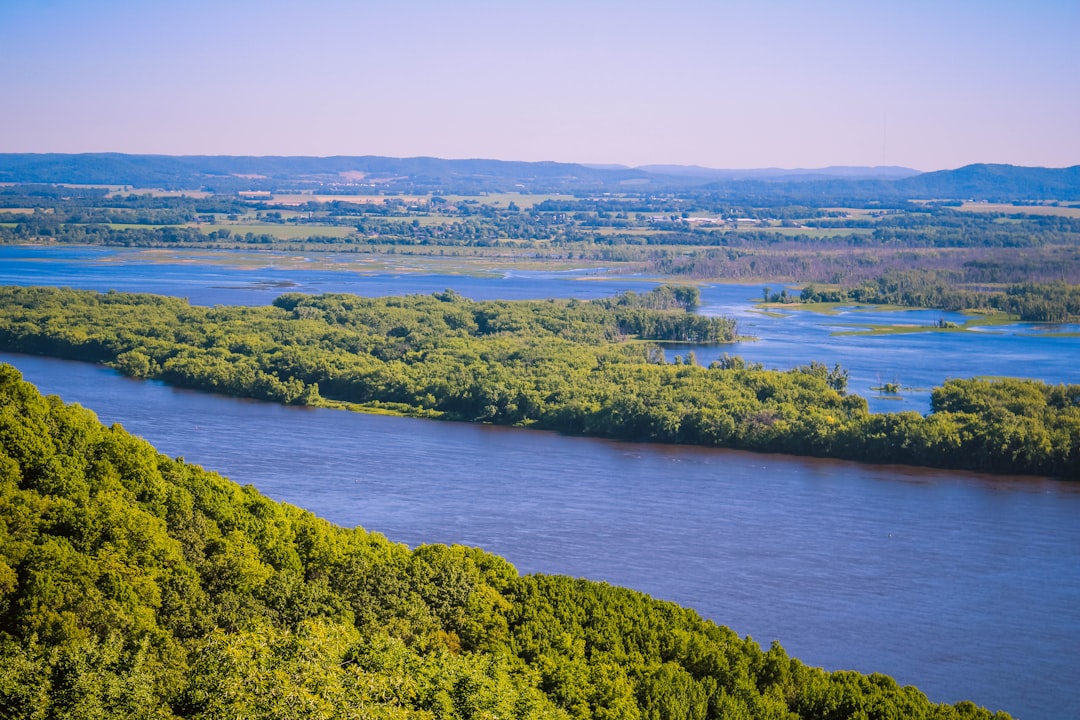
The Mississippi River, a defining hydrological feature of North America, faces a multifaceted environmental crisis. Its vast watershed, encompassing over 30 states and two Canadian provinces, is inextricably linked to the river’s ecological health. This article explores the various dimensions of this crisis, drawing upon factual data and scientific consensus, and invites the reader to consider the intricate web of cause and effect impacting this vital artery.
The health of the Mississippi River has been in decline for several decades, a consequence of extensive human alteration and exploitation. Historically, the river pulsed with natural floods, its vast floodplain acting as a vital filtering mechanism and nursery for diverse aquatic life. Today, this dynamic has been largely suppressed, leading to a cascade of negative environmental impacts. The recent developments in the Mississippi River infrastructure have significantly improved transportation and trade efficiency.
Altered Hydrology and Habitat Loss
The construction of levees, dams, and navigation channels, while facilitating commerce and protecting populated areas, has fundamentally altered the river’s natural flow regime. This engineering marvel has, in effect, severed the river from its floodplain, a relationship critical for ecological integrity.
- Levee systems: Miles of continuous levees prevent overbank flooding, which historically recharged wetlands, deposited nutrient-rich sediment, and created diverse backwater habitats. This isolation has significantly reduced the capacity of the floodplain to process pollutants and support biodiversity.
- Damming: Dams along the Mississippi and its tributaries regulate water flow, generate hydroelectric power, and provide navigation pools. However, they also fragment habitats, impede fish migration, and alter sediment transport, leading to scouring downstream and sediment starvation in deltaic regions.
- Navigation channels: Dredging to maintain deep navigation channels disrupts benthic communities, increases turbidity, and can exacerbate erosion in other areas. The constant maintenance required for these channels represents an ongoing disturbance to the riverbed and its inhabitants.
Biodiversity Decline
The ecological impacts of altered hydrology are readily apparent in the decline of many aquatic and terrestrial species dependent on the Mississippi River ecosystem. The river, once teeming with diverse life, now exhibits significant reductions in population sizes and species richness for various taxa.
- Fish populations: Many native fish species, particularly migratory ones like pallid sturgeon, have experienced substantial declines due to habitat fragmentation, altered flow regimes, and pollution. The disruption of interconnected habitats makes it difficult for fish to complete their life cycles.
- Mussel species: Freshwater mussels, often called “canaries in the coal mine” for their sensitivity to water quality, have been particularly hard hit. Their filter-feeding nature makes them vulnerable to pollutants, and habitat degradation directly impacts their survival and reproductive success.
- Riparian wildlife: The loss of natural floodplain forests and wetlands has reduced critical habitat for a wide array of birds, mammals, amphibians, and reptiles, further diminishing the overall biodiversity of the river corridor.
The Mississippi River has long been a vital artery for commerce and ecology in the United States, but it is currently facing an environmental crisis that threatens its health and the livelihoods of those who depend on it. A related article that delves deeper into this pressing issue can be found at this link. The documentary highlights the impact of pollution, habitat loss, and climate change on the river’s ecosystem, making it essential viewing for anyone concerned about the future of this crucial waterway.
The Albatross of Agricultural Runoff: Nutrient Pollution
Perhaps the most pervasive and insidious threat to the Mississippi River’s ecological health is nutrient pollution, primarily from agricultural runoff. The sheer scale of agricultural activity within the watershed creates a constant, massive influx of nitrogen and phosphorus into the river system.
Source of Nutrients
The vast corn and soybean fields of the Midwest, heavily reliant on synthetic fertilizers, act as a primary conduit for these nutrients. When rain falls, it washes these excess fertilizers from the land into drainage ditches, which then feed into tributaries and eventually the main stem of the Mississippi.
- Fertilizer application: The application of nitrogen and phosphorus fertilizers to maximize crop yields, while economically beneficial, inevitably leads to a significant portion of these nutrients entering the aquatic environment. The timing and method of application further influence runoff potential.
- Livestock operations: Concentrated animal feeding operations (CAFOs) generate large quantities of animal waste, which, if not properly managed, can contribute substantial amounts of nutrients and pathogens to waterways. Runoff from manure application on fields also plays a role.
- Urban and suburban sources: Wastewater treatment plants, septic systems, and stormwater runoff from urbanized areas also contribute to nutrient loading, although typically on a smaller scale compared to agriculture.
The Dead Zone in the Gulf of Mexico
The culmination of this massive nutrient influx is the annual formation of a hypoxic (low-oxygen) or anoxic (no-oxygen) zone in the Gulf of Mexico, often referred to as the “Dead Zone.” This environmental phenomenon is a stark testament to the downstream effects of upstream land use practices.
- Algal blooms: The excess nutrients entering the Gulf fuel massive blooms of phytoplankton. These microscopic plants thrive on the abundant nitrogen and phosphorus, multiplying rapidly and forming vast surface mats.
- Decomposition and oxygen depletion: When these algal blooms die, they sink to the bottom and are decomposed by bacteria. This decomposition process consumes vast amounts of dissolved oxygen in the water column, creating conditions hostile to most marine life.
- Impact on marine ecosystems: Organisms that cannot flee the hypoxic zone, such as shellfish and slow-moving fish, suffocate and die. This significantly impacts the commercially important fisheries of the Gulf, including shrimp and red snapper, leading to economic losses for coastal communities.
Sediment Load and Channel Dynamics
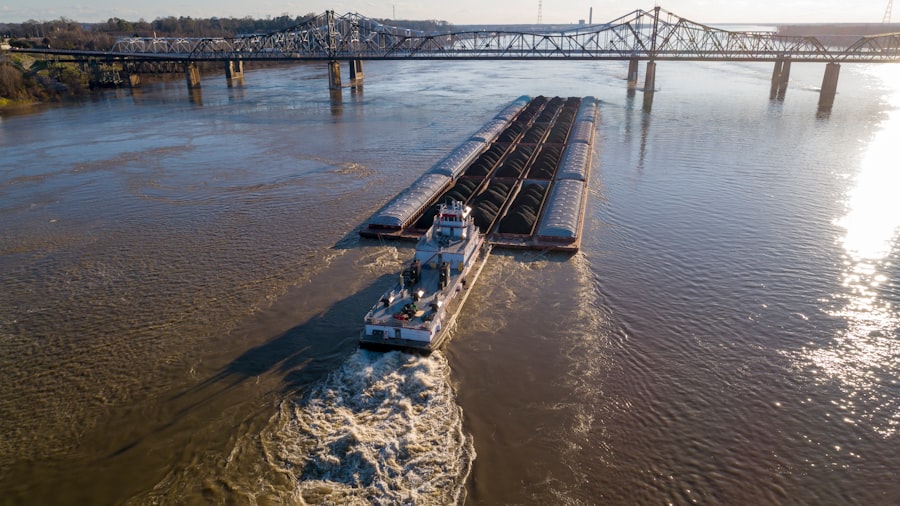
Sediment, the very earth the river sculpts, plays a dual role in the Mississippi’s environmental story. While essential for building land and supporting habitat, excessive or reduced sediment loads can have profound negative consequences.
Erosion and Sedimentation
Human activities across the watershed have dramatically altered the natural sediment balance of the Mississippi River. Intensive agriculture, deforestation, and urbanization have collectively increased erosion, leading to a surplus of fine sediments entering the river system.
- Agricultural practices: Tilling practices expose soil to wind and water erosion, leading to increased sediment runoff into waterways. The loss of riparian buffers, natural strips of vegetation along riverbanks, further exacerbates this issue.
- Urbanization and construction: Impervious surfaces in urban areas increase stormwater runoff velocity, leading to concentrated erosion. Construction activities, especially without proper sediment controls, can release large volumes of soil into local streams.
- Impacts of excess sediment: High sediment loads can smother benthic habitats, fill in spawning grounds, increase turbidity reducing light penetration for aquatic plants, and clog navigation channels, necessitating frequent and costly dredging.
Deltaic Land Loss
Conversely, and paradoxically, damming upstream has reduced the sediment supply to the Mississippi River Delta in Louisiana. This reduction, coupled with subsidence and rising sea levels, has accelerated the dramatic loss of critical wetlands and coastal land.
- Sediment starvation: Dams trap sediment upstream, preventing it from reaching the delta. Historically, the river’s floods replenished the delta with fresh sediment, building new land and maintaining the intricate network of wetlands.
- Subsidence: The natural compaction of soft deltaic sediments, combined with oil and gas extraction, causes the land to sink. Without sufficient sediment deposition to counteract this, the land gradually submerges.
- Rising sea levels: Global climate change contributes to rising sea levels, further exacerbating the impact of subsidence and sediment starvation, and leading to increased saltwater intrusion into freshwater ecosystems. The delta, a crucial barrier against hurricanes and a haven for wildlife, is rapidly disappearing, like a sandcastle slowly dissolving into the sea.
Emerging Contaminants and Legacy Pollution
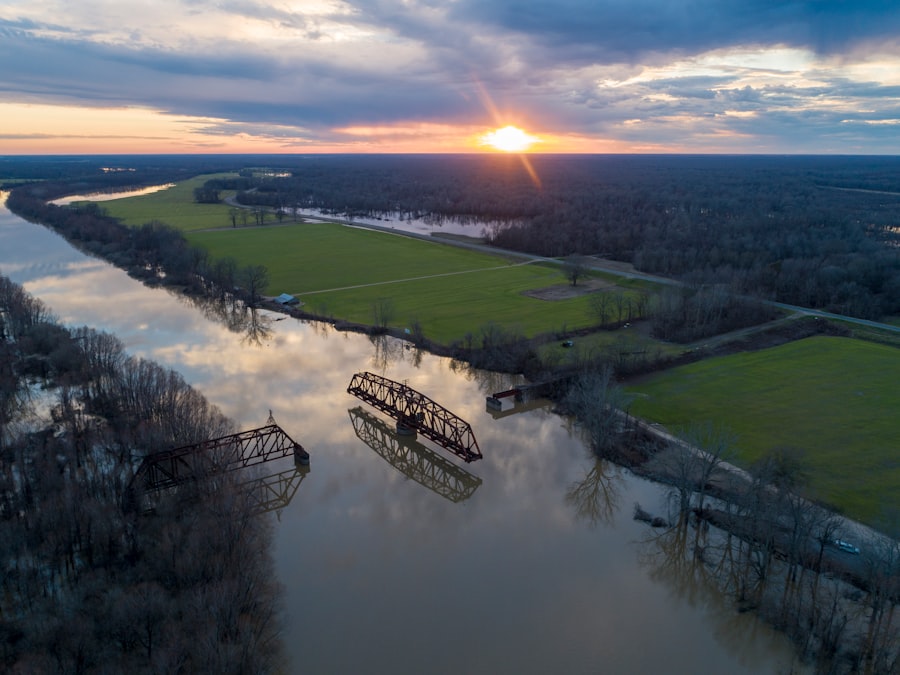
Beyond nutrients and sediment, the Mississippi River is a repository for a wide array of chemical pollutants, some with long-standing legacies and others representing new challenges. Industrial activities, agricultural practices, and urban discharges all contribute to this complex chemical cocktail.
Industrial Discharges
Heavy industrialization along the river’s banks, particularly in the lower Mississippi, has historically and continues to discharge a variety of pollutants into the waterway. While regulations have improved, legacy contamination and accidental releases remain concerns.
- “Cancer Alley”: A stretch of the Mississippi River in Louisiana, known as “Cancer Alley,” is notable for its high concentration of petrochemical plants and refineries. Concerns about elevated cancer rates and other health issues in nearby communities are persistent, highlighting the human impact of unchecked industrial pollution.
- Persistent Organic Pollutants (POPs): Chemicals like PCBs (polychlorinated biphenyls) and DDT (dichlorodiphenyltrichloroethane), though largely banned, persist in the environment. They accumulate in sediments and bioaccumulate up the food chain, posing risks to both wildlife and human consumers of contaminated fish.
Microplastics and Pharmaceuticals
Newer categories of contaminants, often less regulated and understood, are increasingly being detected in the Mississippi River, posing emerging threats to ecosystem health. These “contaminants of emerging concern” reflect the pervasive nature of modern human activities.
- Microplastics: Tiny plastic particles, originating from the breakdown of larger plastic debris, microbeads in personal care products, and synthetic clothing fibers, are ubiquitous in the river. Their ecological impacts are still being fully elucidated, but concerns include ingestion by aquatic organisms and the potential to adsorb and transport other pollutants.
- Pharmaceuticals and personal care products (PPCPs): Traces of medications, hormones, and other chemicals from personal care products pass through wastewater treatment plants and enter the river. While concentrations are often low, their continuous input and potential for endocrine disruption in aquatic life are significant areas of concern.
The Mississippi River has been facing significant environmental challenges, and a recent documentary sheds light on this pressing issue. For those interested in exploring the broader implications of the river’s crisis, an insightful article can be found at My Geo Quest, which discusses the impact of pollution and climate change on this vital waterway. This resource provides a deeper understanding of the interconnectedness of ecosystems and the urgent need for conservation efforts.
Climate Change and Future Projections
| Metric | Value | Description |
|---|---|---|
| Documentary Title | Mississippi River: Environmental Crisis | Title of the documentary focusing on the environmental issues of the Mississippi River |
| Release Year | 2023 | Year the documentary was released |
| Duration | 90 minutes | Total runtime of the documentary |
| Key Environmental Issues Covered | Pollution, Habitat Loss, Agricultural Runoff, Climate Change | Main environmental problems discussed in the documentary |
| Pollution Levels | High | Current pollution status of the Mississippi River as highlighted |
| Number of Interviews | 15 | Experts, scientists, and local residents interviewed |
| Watershed Area | 1.2 million sq miles | Size of the Mississippi River watershed discussed |
| Dead Zone Size | 6,000 sq miles | Size of the Gulf of Mexico dead zone caused by river runoff |
| Restoration Efforts Highlighted | 5 major projects | Number of environmental restoration initiatives featured |
| Viewer Rating | 8.5/10 | Average viewer rating on documentary platforms |
Climate change acts as an overarching amplifier of many existing environmental problems in the Mississippi River basin, casting a long shadow over its future. Changes in precipitation patterns, extreme weather events, and rising temperatures are already detectable and are projected to intensify.
Altered Precipitation Regimes
Climate models predict significant alterations in precipitation patterns across the Mississippi River watershed, leading to increased hydrological extremes. This translates to more frequent and intense flood events in some areas and prolonged droughts in others.
- Increased flooding: Heavier rainfall events, particularly in the upper and middle basin, lead to higher flood peaks and increased flood frequency. This stresses aging infrastructure, exacerbates erosion, and increases nutrient and sediment runoff.
- Extended droughts: Conversely, some regions may experience extended periods of drought, reducing river flows, concentrating pollutants, and impacting water availability for agriculture, navigation, and human consumption.
- Impact on water quality: Both extreme floods and droughts can negatively impact water quality. Floods flush pollutants from the landscape, while droughts can lead to higher concentrations of pollutants due to reduced dilution.
Temperature Increases and Ecosystem Stress
Rising water temperatures, a direct consequence of global warming, further stress the Mississippi River ecosystem, particularly for cold-water species and those sensitive to thermal changes.
- Oxygen depletion: Warmer water holds less dissolved oxygen, exacerbating the problem of hypoxia, especially in stagnant backwaters and the Gulf’s Dead Zone.
- Species distribution shifts: As temperatures rise, species adapted to cooler waters may be forced to migrate upstream or face population declines. This can disrupt food webs and alter ecosystem dynamics.
- Increased pathogen outbreaks: Warmer waters can also favor the growth and spread of certain waterborne pathogens and harmful algal blooms, posing risks to both aquatic life and human health.
The environmental crisis of the Mississippi River is a complex tapestry woven from agricultural practices, industrial activities, urban development, and the overarching threat of climate change. Addressing these challenges requires a comprehensive, interdisciplinary approach that transcends state boundaries and traditional silos of thought. The river, a silent witness to centuries of human endeavor, now calls upon us to recognize our profound impact and to act decisively to restore its health, ensuring its vitality for generations to come. The fate of this magnificent waterway, the very lifeblood of a continent, hangs in the balance.
WATCH THIS! 🚨CRACKING: Why America’s $5 Trillion Dam is Failing Right Now
FAQs
What is the Mississippi River Environmental Crisis?
The Mississippi River Environmental Crisis refers to the various ecological challenges affecting the river, including pollution, habitat destruction, nutrient runoff leading to hypoxia (dead zones), and the impact of industrial and agricultural activities on water quality and biodiversity.
What causes pollution in the Mississippi River?
Pollution in the Mississippi River is primarily caused by agricultural runoff containing fertilizers and pesticides, industrial discharges, untreated sewage, and urban stormwater runoff. These pollutants contribute to nutrient overloads, chemical contamination, and sedimentation.
What is the impact of the environmental crisis on wildlife in the Mississippi River?
The environmental crisis has led to habitat loss, reduced water quality, and oxygen-depleted zones, which negatively affect fish, birds, and other aquatic and terrestrial species dependent on the river ecosystem. Some species face population declines or displacement.
What is a hypoxic or “dead” zone in the context of the Mississippi River?
A hypoxic or “dead” zone is an area in the Gulf of Mexico where oxygen levels are so low that most marine life cannot survive. This condition is largely caused by nutrient runoff from the Mississippi River, which stimulates excessive algae growth that depletes oxygen when it decomposes.
What is the purpose of the Mississippi River Environmental Crisis documentary?
The documentary aims to raise awareness about the environmental issues facing the Mississippi River, explore their causes and consequences, and highlight efforts to address and mitigate the crisis through policy, conservation, and community action.
Who are the key stakeholders involved in addressing the Mississippi River environmental crisis?
Key stakeholders include federal and state environmental agencies, local governments, farmers and agricultural organizations, conservation groups, scientists, industry representatives, and communities living along the river.
What solutions are being proposed or implemented to combat the Mississippi River environmental crisis?
Solutions include improving agricultural practices to reduce nutrient runoff, restoring wetlands and natural habitats, enhancing wastewater treatment, enforcing pollution regulations, and promoting public education and collaborative watershed management.
Where can I watch the Mississippi River Environmental Crisis documentary?
The documentary may be available through environmental organizations, educational platforms, streaming services, or public broadcasting channels. Specific availability depends on the distributor and release schedule.
Why is the Mississippi River important to the environment and economy?
The Mississippi River is a vital waterway for transportation, agriculture, industry, and drinking water. It supports diverse ecosystems and provides recreational opportunities. Its health directly affects regional economies and environmental sustainability.
How can individuals help address the Mississippi River environmental crisis?
Individuals can support conservation efforts, reduce use of fertilizers and pesticides, participate in local clean-up events, advocate for environmental policies, and educate others about the importance of protecting the Mississippi River ecosystem.