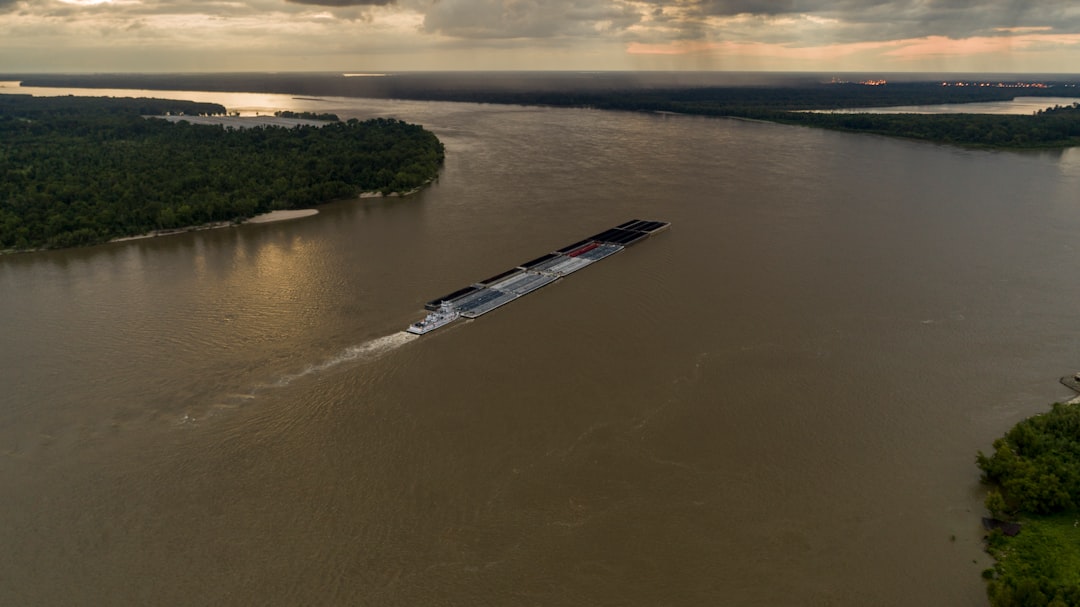
The Mississippi River, a dominant hydrological feature of North America, has historically served as a critical artery for commerce and transportation. While its primary role often evokes images of barges laden with bulk commodities or steamboats ferrying passengers, the river’s extensive course and its surrounding infrastructure present numerous opportunities for alternative transportation. This exploration delves into the diverse and often overlooked methods of traversing the Mississippi corridor, examining their historical context, contemporary applications, and potential for future development.
The Mississippi’s transportation tapestry is rich with historical threads, each representing a distinct mode of movement. From indigenous dugout canoes to sophisticated railway systems, the river has continuously adapted to innovations in travel. Understanding these precedents provides a foundational context for appreciating modern alternative routes. The recent developments in the Mississippi River infrastructure have significantly improved transportation efficiency.
Early Waterborne Travel
Long before European arrival, Native American tribes utilized the river extensively for transport, trade, and communication. Their lightweight canoes, often constructed from hollowed-out logs or birchbark, demonstrated remarkable efficiency in navigating the river’s currents and tributaries. These early vessels, the original ‘alternative transport,’ highlight the inherent human ingenuity in adapting to natural environments.
The Rise of Steamboats and Railways
The 19th century witnessed a paradigm shift with the advent of steamboats, revolutionizing passenger and freight movement. These powerful vessels, akin to the early internet of their time, connected distant communities and fueled economic expansion. Concurrently, the development of railway lines running parallel to the river began to offer a faster, albeit less flexible, alternative. This period marked the beginning of a complex interplay between water and land-based transport, each vying for dominance and ultimately complementing the other.
The Decline of Pax Americana River Travel
The mid-20th century saw a significant decline in passenger river travel, largely due to the proliferation of automobiles and air travel. The Mississippi, once bustling with passenger vessels, became primarily a conduit for industrial freight. However, the seeds of alternative travel were being sown, with increasing interest in recreational boating and cycling routes beginning to emerge. This shift represents a return, in some ways, to the more diversified use of the river corridor, mirroring its ancient past.
In exploring alternative transportation routes along the Mississippi River, it’s interesting to consider the innovative solutions being implemented to enhance connectivity and reduce congestion. A related article that delves into these developments can be found at this link: Mississippi River Alternative Transportation Routes. This resource provides valuable insights into the various initiatives aimed at improving transportation efficiency in the region.
Contemporary Alternative Routes: A Multimodal Network
Today, the Mississippi River corridor supports a sophisticated multimodal transportation network that extends far beyond traditional barge traffic. This network encompasses land-based routes, recreational waterways, and specialized infrastructure designed to facilitate diverse forms of travel.
Cycling and Pedestrian Pathways
The Mississippi River Trail (MRT) stands as a paramount example of alternative transportation along the river. This ambitious project, eventually intended to span the entire length of the river from its source in Minnesota to the Gulf of Mexico, offers cyclists and pedestrians an unparalleled opportunity to experience the river’s diverse landscapes.
The Mississippi River Trail (MRT)
The MRT is not a single, continuous paved path, but rather a complex system of interconnected routes, including dedicated bike paths, paved shoulders, and low-traffic roads. Its development is ongoing, a patchwork quilt of local initiatives stitched together towards a grand vision. Cyclists navigating the MRT can choose segments ranging from urban waterfront trails to serene rural pathways, allowing for customized journeys. This network acts as a “greenway spine” for communities along its route, fostering local recreation and tourism.
Waterfront Parks and Green Spaces
Numerous cities along the Mississippi have invested in developing waterfront parks and green spaces that offer pedestrian and cycling access. These areas, like beads on a string, provide vital recreational opportunities and often integrate with longer-distance trails. Examples include Minneapolis’s Grand Rounds Scenic Byway and St. Louis’s Gateway Arch National Park grounds, both offering expansive areas for non-motorized transport.
Recreational Boating and Paddling
Beyond the industrial barges, the Mississippi is a vital waterway for recreational users. Canoeing, kayaking, and pleasure boating offer intimate perspectives of the river, connecting users directly with its ecological and historical significance.
Canoeing and Kayaking Routes
Numerous outfitters and guide services cater to canoeists and kayakers, offering rentals and guided trips. From short day paddles near urban centers to multi-day expeditions through wilder stretches, these routes provide a unique and often challenging way to experience the river. The smaller scale of these vessels allows access to backwaters and tributaries inaccessible to larger craft, uncovering hidden gems of the river ecosystem.
Marina Infrastructure
Along its length, the Mississippi is dotted with marinas and boat launches, forming a crucial infrastructure for recreational boaters. These facilities, ranging from modest public ramps to full-service private marinas, provide essential access points and services for those choosing to explore the river by personal watercraft. The health of these facilities is directly tied to the accessibility of alternative riverine transport.
Rail-to-Trail Conversions
In several instances, abandoned railway lines running parallel to the Mississippi have been repurposed into multi-use trails, further expanding the network of alternative routes. These conversions represent a sustainable approach to infrastructure reuse, transforming relics of the industrial past into assets for active transportation.
The “Great River Road” Legacy
While not strictly a rail-to-trail conversion, the “Great River Road” scenic byway, a network of state and local roads paralleling the Mississippi, often incorporates sections that once served as railway corridors or are adjacent to active rail lines. This historic driving route itself offers opportunities for cyclists and pedestrians, particularly on sections with wide shoulders or separated paths. Its existence is a testament to the long-standing desire to experience the river corridor from diverse perspectives.
Emerging Technologies and Future Prospects
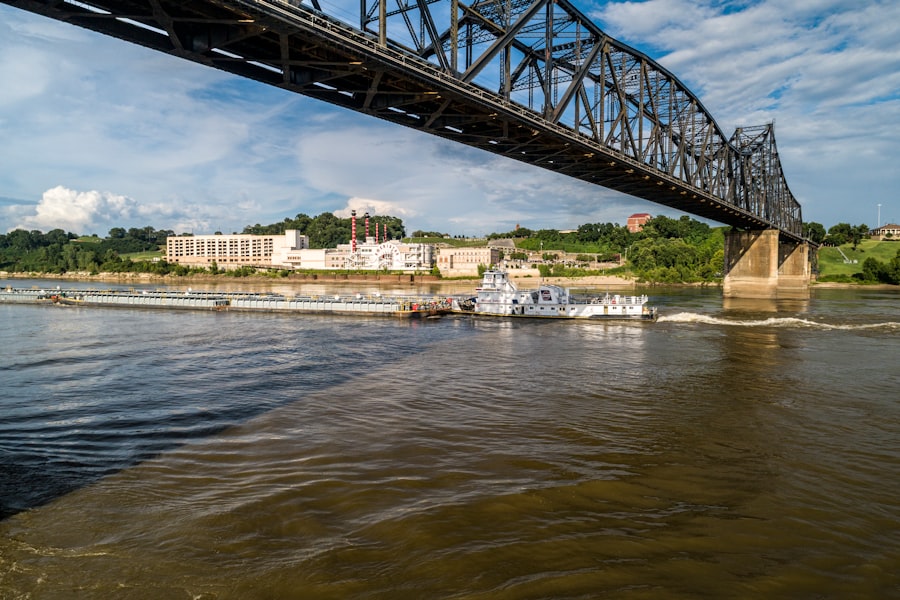
The landscape of alternative transportation along the Mississippi is not static. Innovations in technology and shifting societal priorities continue to shape its future, promising even more diverse and sustainable options.
Electric and Hybrid Watercraft
The development of electric and hybrid watercraft presents a significant opportunity for sustainable recreational and even commuter travel on the Mississippi. These vessels offer reduced noise pollution and emissions, enhancing the environmental compatibility of river exploration.
Pilot Programs and Eco-Tourism
Pilot programs for electric ferries or small passenger vessels could emerge in urban areas, offering quiet and environmentally friendly transit options. Such initiatives could also bolster eco-tourism, allowing visitors to experience the river’s natural beauty with minimal environmental impact. The electrification of smaller vessels could serve as a crucial testbed for broader applications.
Augmented Reality and Digital Navigation
The integration of augmented reality (AR) and advanced digital navigation tools can enhance the experience of alternative transportation users. AR applications could overlay historical information, ecological data, or interactive maps onto the user’s view, enriching their journey along the river.
Interactive Trail Guides
Digital platforms and mobile applications are increasingly being used to provide interactive trail guides for cyclists and paddlers. These tools can offer real-time information on trail conditions, points of interest, and available services, transforming how users plan and execute their trips. The “smart river” paradigm extends beyond freight to encompass the individual explorer.
Revitalization of Passenger Ferry Services
While large-scale passenger steamboat travel remains largely historical, localized passenger ferry services could see a comeback in certain urban and suburban areas. These services can alleviate traffic congestion and offer scenic routes for commuters and tourists alike.
Cross-River Commuting
In areas where bridge access is limited or congested, small passenger ferries could provide efficient cross-river commuting options. This could reduce reliance on single-occupancy vehicles and offer a more picturesque daily commute, serving as an incentive for alternative choices. Such services would represent a pragmatic return to water-based transit where geographically sensible.
Challenges and Opportunities for Expansion
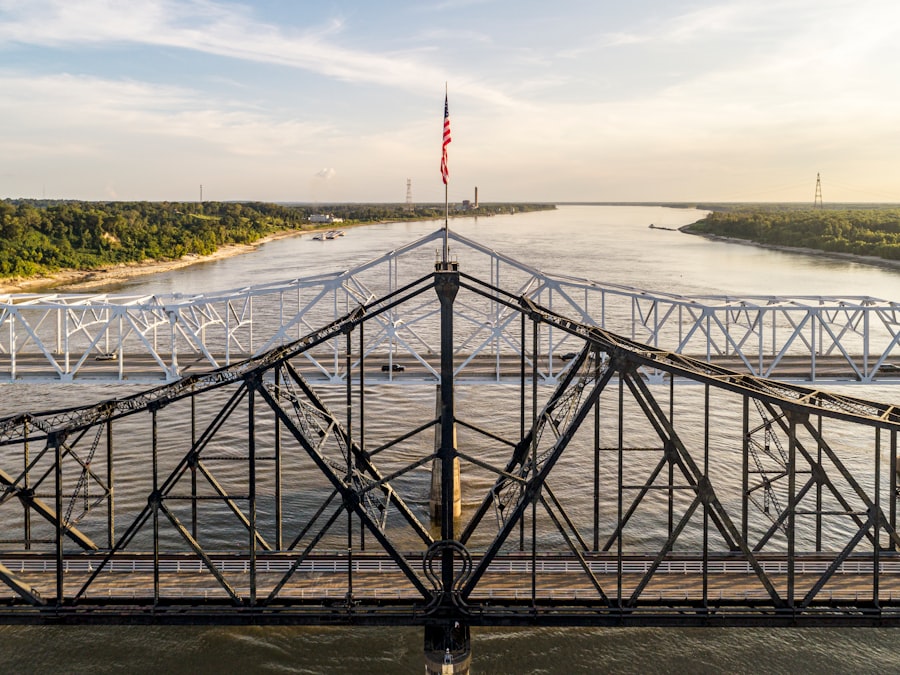
Despite the numerous avenues for alternative transportation along the Mississippi, challenges remain. These include funding for infrastructure development, land acquisition, and coordinating efforts across multiple jurisdictions.
Funding and Infrastructure Development
Developing and maintaining extensive trail networks, modern marinas, and innovative transit solutions requires significant financial investment. Public-private partnerships and grants play a crucial role in overcoming these funding hurdles, acting as essential lubricants in the machinery of progress.
Inter-Jurisdictional Cooperation
The Mississippi River traverses ten states and countless local jurisdictions. Effective coordination between these entities is paramount for creating seamless and integrated alternative transportation routes. A unified vision, akin to a shared compass, is necessary to navigate the complexities of multi-state projects.
Promoting Awareness and Utilization
Many potential users remain unaware of the existing alternative transportation options along the Mississippi. Marketing campaigns, educational programs, and community engagement initiatives are vital for raising public awareness and encouraging greater utilization of these routes.
Community Engagement
Engaging local communities in the planning and development of alternative transportation projects fosters a sense of ownership and ensures that routes meet local needs and preferences. Local champions are the bedrock upon which successful long-term initiatives are built.
The Mississippi River, far from being solely a conduit for industrial freight, is a dynamic corridor for a rich tapestry of alternative transportation. From historic trails to emerging technologies, the river offers diverse and evolving opportunities for exploration, recreation, and sustainable movement. As societal priorities shift towards environmental consciousness and active lifestyles, the potential for these alternative routes to flourish and expand will only grow, transforming the venerable river into a truly multimodal artery for the 21st century and beyond.
WATCH THIS! 🚨CRACKING: Why America’s $5 Trillion Dam is Failing Right Now
FAQs
What are some alternative transportation routes to the Mississippi River?
Alternative transportation routes to the Mississippi River include railroads, highways, and inland waterways such as the Illinois River and the Ohio River. These routes provide options for moving goods and people when river navigation is limited or unavailable.
Why might alternative routes to the Mississippi River be necessary?
Alternative routes may be necessary due to seasonal changes, flooding, drought, maintenance or closures of locks and dams, or congestion on the Mississippi River. These factors can impact the efficiency and safety of river transportation.
How do railroads serve as an alternative to Mississippi River transportation?
Railroads offer a reliable and efficient means of transporting bulk goods and commodities over long distances. They connect major industrial and agricultural regions and can complement or substitute river transport when needed.
Are highways a viable alternative to the Mississippi River for freight transport?
Yes, highways provide flexible and direct routes for freight transport, especially for shorter distances or time-sensitive deliveries. Trucks can access areas not served by waterways and are often used in combination with river transport.
What role do other inland waterways play as alternatives to the Mississippi River?
Other inland waterways like the Illinois River, Ohio River, and Missouri River serve as important transportation corridors. They connect to the Mississippi River system and can be used to reroute traffic or access different markets.
How do seasonal weather conditions affect transportation on the Mississippi River?
Seasonal weather conditions such as ice in winter, low water levels in droughts, or flooding in spring can restrict navigation on the Mississippi River. These conditions may necessitate the use of alternative transportation routes.
Is multimodal transportation common in the Mississippi River region?
Yes, multimodal transportation, which combines river, rail, and road transport, is common in the Mississippi River region. This approach enhances flexibility, efficiency, and resilience in the transportation network.
What infrastructure supports alternative transportation routes near the Mississippi River?
Infrastructure supporting alternative routes includes rail terminals, highway interchanges, intermodal facilities, locks and dams on other rivers, and ports that facilitate transfers between different transportation modes.
Can alternative routes impact the cost and time of shipping compared to the Mississippi River?
Yes, alternative routes may affect shipping costs and transit times. Rail and road transport can be faster but more expensive than river transport, which is generally cost-effective for bulk goods but slower.
Where can I find more information about transportation planning in the Mississippi River region?
Information can be found through state departments of transportation, the U.S. Army Corps of Engineers, regional planning commissions, and industry associations focused on inland waterways and freight transportation.