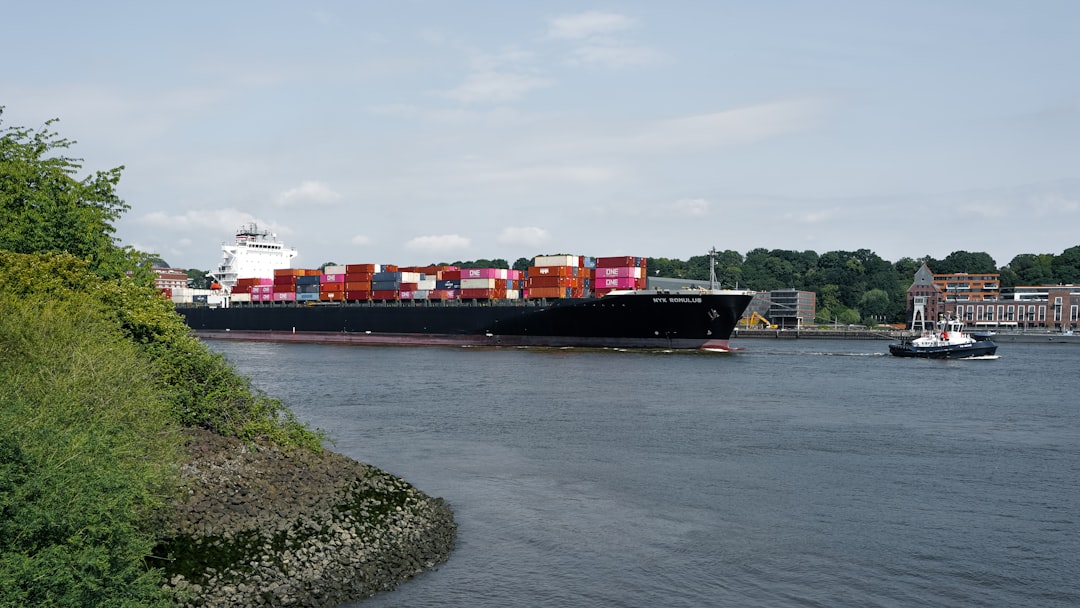
The Mississippi River, a dominant artery of American commerce, consistently carries a significant portion of the nation’s bulk freight. Its intricate network of waterways facilitates the movement of agricultural products, raw materials, and finished goods, making it a critical component of the supply chain. However, the seemingly placid surface of the river belies a turbulent underlying reality for shippers: freight rate volatility. This article aims to provide a comprehensive overview of the factors contributing to these fluctuations, their impact on businesses, and strategies for navigating this complex landscape.
Mississippi River freight rates are not static figures; they are a dynamic reflection of numerous interacting forces. To truly understand this volatility, one must delve into the interconnected web of supply and demand, environmental factors, and regulatory influences that collectively shape the cost of riverine transportation. The recent developments in the Mississippi River infrastructure have significantly improved transportation and trade efficiency.
Supply and Demand Imbalances
The fundamental economic principle of supply and demand plays a pivotal role in determining freight rates. When there are more goods to be moved (high demand) than available vessel capacity (low supply), rates naturally rise. Conversely, an abundance of barges and towboats coupled with limited cargo leads to downward pressure on prices.
- Agricultural Harvest Seasons: The most significant and predictable demand surge originates from agricultural harvests. The Mississippi River Basin is a breadbasket, and bumper crops of corn, soybeans, and wheat create immense demand for barge space, particularly during the late summer and fall. Shippers who fail to secure contracts in advance often face premium prices or limited availability during these peak periods.
- Industrial Production Cycles: The cyclical nature of industrial production also contributes to demand fluctuations. Sectors reliant on bulk commodities like steel, chemicals, and petroleum often exhibit peaks and troughs in their raw material and finished product movements, influencing barge freight demand accordingly.
- Barge Fleet Availability: The supply side is primarily dictated by the size and operational status of the barge fleet. Factors such as new barge construction, vessel retirements, and maintenance schedules directly impact available capacity. A shortage of operable barges, perhaps due to unexpected mechanical failures or prolonged inspections, can immediately tighten the market.
- Towboat Crew Shortages: The availability of skilled towboat crews is another critical, often overlooked, supply constraint. Operating a towboat requires specialized training and licensing, and shortages in this labor pool can limit the number of towboats available to move barges, effectively reducing overall capacity.
Environmental Factors and Their Impact
Unlike road or rail infrastructure, the Mississippi River is a living entity, constantly sculpted by nature’s hand. Environmental conditions, often unpredictable, can significantly disrupt navigability and, consequently, freight rates.
- Water Levels (Droughts and Floods): Water levels are arguably the most influential environmental factor.
- Low Water: Periods of drought, a recurring concern in recent years, reduce the river’s depth and width. This necessitates lighter loading of barges to maintain sufficient under-keel clearance, meaning more barges are required to move the same volume of cargo. Furthermore, navigation becomes more challenging, leading to slower transit times, increased fuel consumption, and a greater risk of groundings. The cascading effect is a reduction in effective capacity and an increase in operational costs, which shippers ultimately bear.
- High Water/Flooding: Conversely, excessively high water or flooding can create strong currents and limit clearance under bridges. In severe cases, certain segments of the river may be closed to navigation altogether, forcing a complete cessation of traffic or requiring longer, more circuitous routes. These disruptions lead to significant delays and demurrage charges.
- Ice Conditions: During winter months, particularly in the northern reaches of the Mississippi, ice formation can impede or completely halt navigation. Icebreaking operations are costly and time-consuming, and severe ice conditions can temporarily remove significant portions of the river from service, causing bottlenecks further downstream.
- Channel Maintenance and Dredging: The U.S. Army Corps of Engineers (USACE) is responsible for maintaining navigation channels. Dredging operations, while essential, can temporarily restrict traffic in specific areas, causing minor delays and potentially influencing localized rates. However, a failure to conduct timely dredging can lead to more severe, long-term navigability issues.
Fuel Costs
Like any transportation mode, fuel costs represent a significant operational expense for towboat operators. Changes in diesel prices directly impact the cost of moving freight.
- Global Oil Markets: Diesel prices are inextricably linked to global crude oil markets. Geopolitical events, supply disruptions, and shifts in global demand for petroleum products can cause rapid and substantial changes in fuel costs.
- Fuel Surcharges: To mitigate this volatility, many barge operators implement fuel surcharges, which are adjusted periodically (e.g., weekly or monthly) based on published fuel indices. Shippers must account for these variable charges when budgeting.
The volatility of freight rates along the Mississippi River has significant implications for the shipping industry, particularly in light of fluctuating demand and changing environmental conditions. For a deeper understanding of this issue, you can explore a related article that discusses the factors influencing these rates and their impact on trade dynamics. To read more, visit this article.
Consequences of Rate Volatility for Businesses
The unpredictable nature of Mississippi River freight rates poses significant challenges for businesses reliant on its services. Unmanaged volatility can erode profit margins, disrupt supply chains, and undermine competitive positioning.
Budgetary Uncertainty and Forecasting Difficulties
For many businesses, freight costs are a substantial component of their operating expenses. When these costs fluctuate wildly, accurate budgeting and financial forecasting become exceedingly difficult.
- Margin Erosion: Unexpected spikes in freight rates can quickly eat into profit margins, particularly for commodities with tight margins. A company may have negotiated a selling price for its product based on a certain freight cost, only to find that the actual transportation cost far exceeds projections.
- Strategic Planning Hurdles: Long-term strategic planning, such as expansion into new markets or major capital investments, requires a degree of certainty about operational costs. Rate volatility introduces a significant element of risk into these planning processes.
Supply Chain Disruptions and Delays
Beyond direct cost impacts, rate volatility often signals underlying disruptions to the physical flow of goods, leading to cascading problems throughout the supply chain.
- Production Delays: If raw materials are delayed due to navigability issues or a shortage of barge capacity, manufacturing processes can be halted or slowed, leading to production backlogs.
- Inventory Management Challenges: Companies often rely on just-in-time inventory models to minimize holding costs. Rate volatility, coupled with potential delays, necessitates a re-evaluation of inventory strategies, potentially requiring larger buffer stocks and increased warehousing expenses.
- Customer Dissatisfaction: Ultimately, delays and increased costs can translate into missed delivery deadlines and higher prices for end-consumers, impacting customer satisfaction and loyalty.
Competitive Disadvantage
In a competitive marketplace, efficient logistics can be a key differentiator. Businesses that are unable to effectively manage or mitigate freight rate volatility may find themselves at a disadvantage.
- Higher Product Costs: If a company consistently pays higher freight rates than its competitors, it may be forced to pass these costs onto its customers, making its products less competitive on price.
- Exploitation of Opportunities: Conversely, companies that can anticipate and react effectively to market changes may be able to secure more favorable rates, thereby gaining a cost advantage.
Strategies for Mitigating Freight Rate Volatility
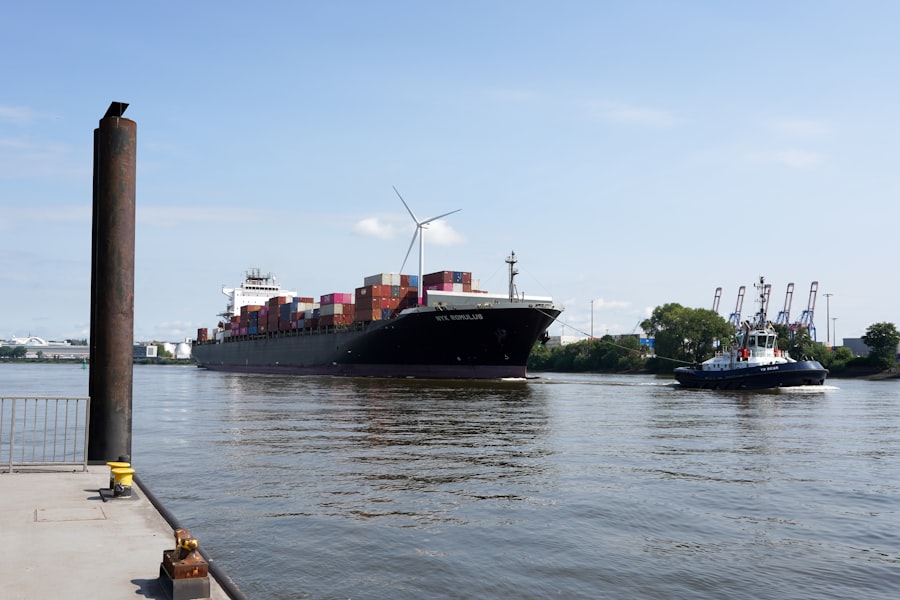
Navigating the turbulent waters of Mississippi River freight rates requires a proactive and multifaceted approach. While complete elimination of volatility is impossible, businesses can employ various strategies to minimize its impact.
Long-Term Contracts and Partnerships
One of the most effective ways to introduce stability into freight costs is through long-term contracting. This involves establishing agreements with barge operators for specific volumes and durations.
- Fixed-Rate Contracts: These agreements lock in a predetermined rate for a set period, providing budgeting certainty. However, operators may build in a premium to account for their own risk exposure to market fluctuations.
- Indexed Contracts: These contracts tie the freight rate to a specific market index (e.g., a published barge rate index or fuel price index), offering a balance between rate stability and market responsiveness. This allows both parties to share some of the risk of market changes.
- Preferred Shipper Status: By consistently working with a select group of reliable barge operators, businesses can cultivate preferred shipper status. This often translates to better access to equipment during peak demand and potentially more favorable rates or terms. Building strong, mutually beneficial relationships is crucial.
Diversification of Transportation Modes
While the Mississippi River offers significant cost advantages for bulk cargo, relying solely on riverine transport can expose businesses to undue risk during periods of severe disruption or extreme rate volatility.
- Intermodal Solutions: Combining river transport with rail or truck for portions of the journey (e.g., “river-to-rail” or “river-to-truck”) can offer flexibility. If river conditions deteriorate or rates spike, goods can be diverted to other modes, albeit often at a higher cost. This acts as a contingency plan.
- Strategic Storage and Warehousing: Establishing storage facilities near river terminals allows for greater flexibility. During periods of low rates and good navigability, companies can build up inventory, buffering themselves against future disruptions or price spikes. Conversely, if river transport becomes prohibitively expensive, they can draw from existing inventory while exploring alternative shipping methods.
Leveraging Data Analytics and Market Intelligence
In an increasingly data-driven world, intelligent decision-making is paramount. Shippers who actively gather and analyze market data are better positioned to anticipate and react to rate changes.
- Historical Rate Analysis: Analyzing past freight rate trends can reveal seasonal patterns, common triggers for volatility, and the typical duration of rate spikes. This historical perspective can inform future budgeting and negotiation strategies.
- Real-Time Market Monitoring: Subscribing to market intelligence reports, industry publications, and weather forecasts provides real-time insights into supply and demand conditions, water levels, and fuel prices. This allows shippers to make timely decisions about booking freight.
- Predictive Modeling: Advanced analytics can be employed to build predictive models that forecast future freight rates based on a multitude of variables. While not perfect, these models can offer valuable foresight for strategic planning.
Contingency Planning and Risk Management
No matter how robust a strategy, unforeseen events can always occur. Comprehensive contingency planning is essential to minimize the fallout from disruptions.
- Emergency Transportation Plans: Develop pre-arranged agreements with alternative transportation providers (other barge companies, rail carriers, or trucking firms) that can be activated on short notice in case of severe river disruptions.
- Financial Hedging Strategies: For commodities that are heavily influenced by freight costs, companies might explore financial hedging instruments to mitigate price risk. This is a more sophisticated approach, often involving futures contracts.
- Insurance: Adequate cargo insurance is critical to protect against losses due to accidents or damaged goods during transit, a risk that can be exacerbated during challenging navigation conditions.
The Future Landscape of Mississippi River Freight
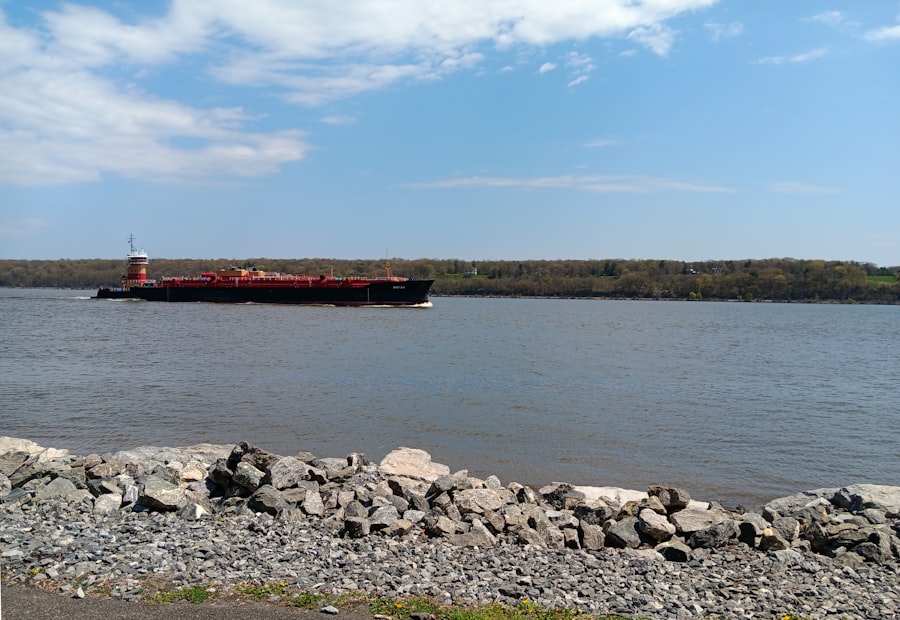
The Mississippi River freight industry is not static; it is continually evolving. Several trends and developments are likely to influence future rate volatility and the strategies required to manage it.
- Infrastructure Investment: Ongoing and future investments in lock and dam modernization, deeper channels, and upgraded port facilities could enhance efficiency and reliability, potentially reducing some sources of volatility. However, these projects are often long-term and subject to funding cycles.
- Technological Advancements: The adoption of new technologies, such as advanced navigation systems, autonomous barges (in the distant future), and improved fuel efficiency, could alter operational costs and capacity utilization.
- Climate Change Impacts: The long-term effects of climate change, including more frequent and intense droughts or floods, pose a significant challenge. Shippers will need to adapt their strategies to a potentially more extreme and less predictable river environment.
- Regulatory Changes: Environmental regulations, safety standards, and labor laws can all impact operational costs and fleet availability, thereby influencing freight rates.
In conclusion, navigating the Mississippi River freight market is akin to piloting a vessel through ever-changing currents. The complex interplay of supply and demand, environmental conditions, and economic variables creates an environment of inherent rate volatility. Businesses that proactively understand these dynamics, forge strategic partnerships, diversify their transportation options, embrace data-driven decision-making, and develop robust contingency plans are best equipped to weather the inevitable storms and maintain a competitive edge in this vital American commercial artery. Ignoring this volatility is to invite unforeseen costs and disruptions; actively managing it is to secure a smoother, more predictable journey for your goods.
WATCH THIS! 🚨CRACKING: Why America’s $5 Trillion Dam is Failing Right Now
FAQs
What factors contribute to freight rate volatility on the Mississippi River?
Freight rate volatility on the Mississippi River is influenced by several factors including seasonal changes in water levels, weather conditions, fuel prices, demand fluctuations for shipping services, and regulatory changes affecting navigation and transportation.
How do seasonal changes affect Mississippi River freight rates?
Seasonal variations, such as low water levels during droughts or high water during floods, can impact navigability and barge capacity. These conditions often lead to delays or reduced shipment volumes, causing fluctuations in freight rates.
What role does fuel price play in Mississippi River freight rate volatility?
Fuel costs are a significant component of transportation expenses. Increases in fuel prices typically lead to higher freight rates as operators pass on the additional costs to shippers, contributing to rate volatility.
How does demand for goods impact freight rates on the Mississippi River?
Freight rates are sensitive to changes in demand for commodities transported via the river, such as agricultural products, coal, and chemicals. Higher demand can drive up rates due to limited barge availability, while lower demand can lead to rate decreases.
Are there regulatory factors that influence freight rate volatility on the Mississippi River?
Yes, regulations related to environmental standards, lock and dam operations, and safety requirements can affect shipping efficiency and costs, thereby influencing freight rate fluctuations.
What measures can shippers take to manage freight rate volatility on the Mississippi River?
Shippers can manage volatility by planning shipments during off-peak seasons, using contracts to lock in rates, diversifying transportation modes, and closely monitoring market conditions to adjust logistics strategies accordingly.
How does infrastructure condition affect freight rates on the Mississippi River?
The condition and capacity of locks, dams, and ports along the river impact transit times and reliability. Infrastructure bottlenecks or maintenance closures can cause delays and increase freight rates due to reduced shipping efficiency.
Is freight rate volatility on the Mississippi River unique compared to other transportation modes?
While all transportation modes experience some rate volatility, the Mississippi River’s dependence on natural water conditions and infrastructure makes its freight rates particularly sensitive to environmental and operational factors compared to rail or truck transport.