Lithium has become a critical material in modern technology, primarily because it is essential for manufacturing batteries used in electric vehicles and renewable energy storage systems. As global energy production shifts toward sustainable sources, lithium demand has increased significantly. This increase reflects a commitment to reducing carbon emissions and transitioning away from fossil fuels.
Beyond meeting immediate demand, lithium production must establish a reliable supply chain capable of supporting future technological development and energy requirements. Lithium’s applications extend across multiple industries, including consumer electronics, aerospace, and pharmaceuticals. Lithium compounds are used in diverse products ranging from smartphones to advanced aircraft.
As nations work to achieve climate targets and decrease fossil fuel dependence, lithium production has gained strategic importance. The global competition for lithium resources has intensified, creating geopolitical and economic consequences that affect markets and international relations well beyond mining operations.
Key Takeaways
- Lithium production is crucial for the growing demand in batteries and clean energy technologies.
- Salar de Atacama is a key lithium-rich salt flat with significant global production importance.
- Evaporation ponds are essential for extracting lithium from brine in Salar de Atacama.
- Efficient pond design and innovative technologies can maximize lithium yield while minimizing environmental impact.
- Sustainable practices and addressing challenges are vital for the future economic and ecological balance of lithium production in Salar de Atacama.
Overview of Salar de Atacama
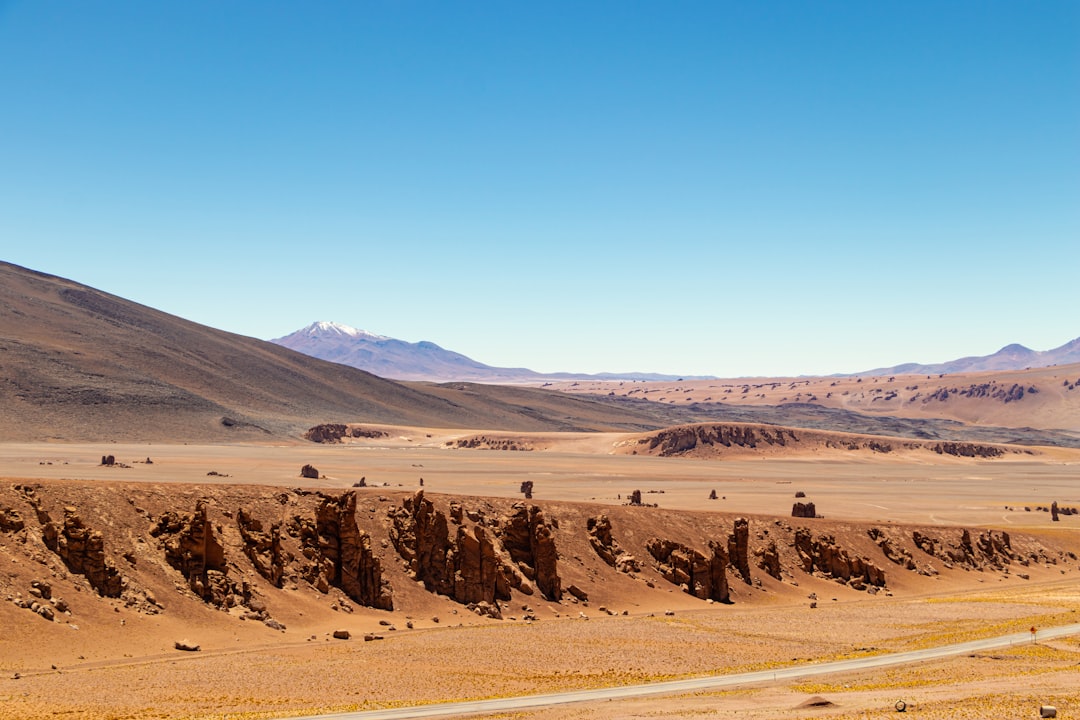
Salar de Atacama, located in northern Chile, is one of the most significant sources of lithium in the world. This vast salt flat is not only renowned for its stunning landscapes but also for its rich deposits of lithium brine. The unique geological and climatic conditions of Salar de Atacama make it an ideal location for lithium extraction.
With an average elevation of 2,300 meters above sea level and a hyper-arid climate, the region experiences minimal rainfall, which is advantageous for the evaporation processes used in lithium production. The salt flat covers an area of approximately 3,000 square kilometers and is surrounded by the Andes mountains, creating a natural basin that traps mineral-rich water beneath its surface. This geological formation has led to the accumulation of lithium-rich brine over thousands of years.
The brine contains not only lithium but also other valuable minerals such as potassium and magnesium, making Salar de Atacama a treasure trove for mining companies. The combination of high lithium concentration and favorable environmental conditions positions Salar de Atacama as a key player in the global lithium market. Learn about the environmental impacts of lithium mining in this informative video.
The Role of Evaporation Ponds in Lithium Production
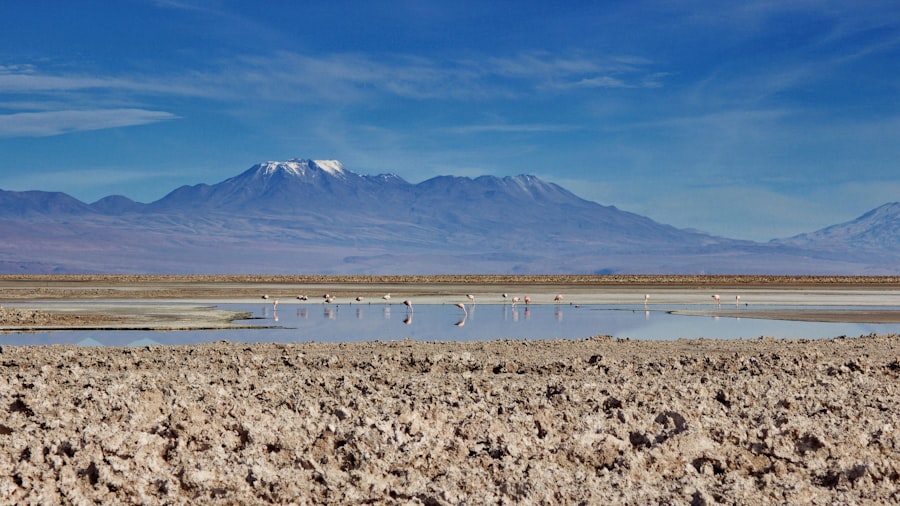
Evaporation ponds are a cornerstone of lithium production in Salar de Atacama. These large, shallow ponds are designed to harness the region’s intense sunlight and low humidity to evaporate water from lithium-rich brine. As the water evaporates, the concentration of lithium increases, allowing for easier extraction.
This method is not only cost-effective but also environmentally friendly compared to traditional mining techniques that involve significant land disruption and water usage. The process begins with pumping brine from underground reservoirs into the evaporation ponds. Over several months, the sun’s heat causes the water to evaporate, leaving behind a concentrated brine solution rich in lithium salts.
Once the desired concentration is achieved, the brine is harvested and processed further to extract lithium carbonate or lithium hydroxide, which are essential for battery production. The efficiency of this process is heavily reliant on the design and management of the evaporation ponds, as factors such as surface area, depth, and local weather conditions can significantly impact evaporation rates.
Factors Affecting Lithium Production in Salar de Atacama
Several factors influence lithium production in Salar de Atacama, ranging from environmental conditions to technological advancements. One of the most critical factors is the climate; the region’s high temperatures and low humidity create optimal conditions for evaporation. However, fluctuations in weather patterns can impact production rates.
For instance, unexpected rainfall or changes in temperature can alter evaporation rates and delay the concentration process. Additionally, regulatory frameworks and water rights play a significant role in lithium production. The extraction process requires substantial amounts of water, which can lead to conflicts with local communities and ecosystems that depend on these water resources.
Companies must navigate complex legal landscapes to secure water rights while ensuring sustainable practices that minimize environmental impact. Furthermore, advancements in technology can enhance production efficiency; innovations in brine processing and pond design can lead to higher yields and reduced resource consumption.
Maximizing Lithium Yield through Efficient Evaporation Pond Design
| Metric | Value | Unit | Description |
|---|---|---|---|
| Area of Evaporation Ponds | 2,000 | hectares | Total surface area covered by evaporation ponds in Salar de Atacama |
| Annual Evaporation Rate | 3,500 | mm/year | Average annual evaporation rate in the region |
| Brine Concentration | 250 | g/L | Average concentration of lithium in the brine before evaporation |
| Evaporation Pond Depth | 0.5 – 1.0 | meters | Typical depth range of the evaporation ponds |
| Extraction Efficiency | 70 | % | Percentage of lithium extracted from the brine after evaporation |
| Processing Time | 12 – 18 | months | Time required for brine to concentrate sufficiently in ponds |
To maximize lithium yield, companies operating in Salar de Atacama must focus on optimizing evaporation pond design. This involves careful consideration of various factors such as pond size, shape, and layout to enhance sunlight exposure and minimize evaporation losses. Larger ponds can increase surface area but may also lead to higher water loss due to wind and other environmental factors.
Therefore, striking a balance between size and efficiency is crucial. Moreover, incorporating advanced materials and technologies into pond construction can further improve efficiency. For instance, using liners that reduce seepage can help retain brine within the ponds, ensuring that more lithium remains available for extraction.
Additionally, implementing monitoring systems that track evaporation rates and brine concentration can provide valuable data for optimizing operations. By leveraging these strategies, companies can significantly enhance their lithium yield while minimizing environmental impacts.
Environmental Considerations in Lithium Production at Salar de Atacama
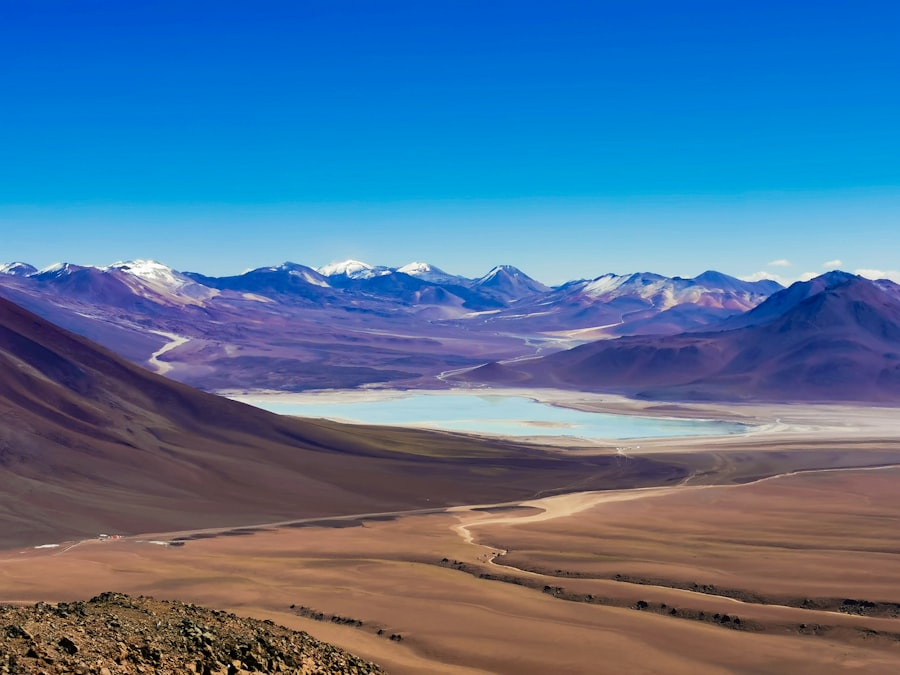
While lithium production offers significant economic benefits, it also raises important environmental concerns that must be addressed. The extraction process requires substantial amounts of water, which can strain local water resources and impact surrounding ecosystems. In a region already characterized by arid conditions, this demand can lead to conflicts with local communities that rely on these water sources for agriculture and daily living.
Furthermore, the construction and operation of evaporation ponds can disrupt local wildlife habitats and alter natural landscapes. Companies must implement sustainable practices that mitigate these impacts, such as conducting thorough environmental assessments before commencing operations. Engaging with local communities and stakeholders is also essential to ensure that their concerns are heard and addressed.
By prioritizing environmental stewardship alongside production goals, companies can work towards a more sustainable approach to lithium extraction.
Technologies and Innovations for Maximizing Lithium Production
The quest for maximizing lithium production has spurred numerous technological innovations aimed at improving efficiency and sustainability. One notable advancement is the development of direct lithium extraction (DLE) technologies, which offer an alternative to traditional evaporation methods. DLE techniques utilize chemical processes to extract lithium directly from brine without extensive evaporation periods.
This approach not only accelerates production timelines but also reduces water consumption significantly. Additionally, advancements in sensor technology have enabled real-time monitoring of brine composition and evaporation rates within ponds. These sensors provide critical data that can inform operational decisions and optimize resource management.
Furthermore, research into alternative materials for battery production is ongoing; innovations such as solid-state batteries could potentially reduce reliance on lithium altogether while maintaining performance standards.
The Economic Impact of Lithium Production in Salar de Atacama
The economic implications of lithium production in Salar de Atacama are profound, both locally and globally. For Chile, lithium has become a key export commodity that contributes significantly to national revenue. The influx of foreign investment into the region has created jobs and stimulated local economies, providing opportunities for communities that have historically faced economic challenges.
On a global scale, the rise of electric vehicles and renewable energy technologies has positioned lithium as a strategic resource in the transition towards sustainable energy systems. As countries ramp up their efforts to reduce carbon emissions, the demand for lithium is expected to continue growing exponentially. This trend not only benefits producing countries like Chile but also influences global markets and trade dynamics as nations vie for access to this critical resource.
Challenges and Opportunities in Salar de Atacama Lithium Production
Despite its advantages, lithium production in Salar de Atacama faces several challenges that must be navigated carefully. Water scarcity remains a pressing issue; as demand for lithium increases, so does competition for limited water resources among various stakeholders. This situation necessitates innovative solutions that balance production needs with environmental sustainability.
Conversely, these challenges also present opportunities for growth and innovation within the industry.
Collaborations between mining companies, governments, and local communities can foster more equitable resource management strategies that benefit all parties involved.
Future Prospects for Lithium Production in Salar de Atacama
Looking ahead, the future prospects for lithium production in Salar de Atacama appear promising yet complex. As global demand continues to rise, there will be increasing pressure on producers to enhance efficiency while minimizing environmental impacts. The ongoing development of new technologies will play a crucial role in shaping the industry’s trajectory; innovations that streamline extraction processes or reduce resource consumption will be highly sought after.
Moreover, regulatory frameworks are likely to evolve as governments respond to growing environmental concerns associated with mining activities. Companies will need to adapt to these changes by adopting more sustainable practices and engaging transparently with stakeholders. By embracing innovation and prioritizing sustainability, producers in Salar de Atacama can position themselves as leaders in the global lithium market.
Sustainable Strategies for Maximizing Lithium Production
In conclusion, maximizing lithium production at Salar de Atacama requires a multifaceted approach that balances economic growth with environmental stewardship. As demand for this critical resource continues to rise, companies must prioritize sustainable practices that minimize ecological impacts while enhancing production efficiency. By investing in innovative technologies and engaging with local communities, producers can navigate the challenges ahead while seizing opportunities for growth.
The future of lithium production lies not only in meeting current demands but also in ensuring that extraction methods are sustainable for generations to come. By adopting responsible strategies that prioritize both profitability and environmental health, stakeholders can contribute to a more sustainable energy future while securing their place in an increasingly competitive market.
The Salar de Atacama, known for its vast evaporation ponds, plays a crucial role in lithium extraction, which is essential for battery production. For a deeper understanding of the environmental impacts and the processes involved in these evaporation ponds, you can read more in this related article on MyGeoQuest: MyGeoQuest. This resource provides valuable insights into the geographical and ecological aspects of the region, highlighting the balance between resource extraction and environmental sustainability.
WATCH THIS! 🌍 “THE WATER IS GONE: Inside the Desert Killing the EV Revolution
FAQs
What are evaporation ponds in the Salar de Atacama?
Evaporation ponds in the Salar de Atacama are large, shallow pools designed to extract minerals, primarily lithium, from brine by natural evaporation of water under the region’s arid climate.
Why is the Salar de Atacama suitable for evaporation ponds?
The Salar de Atacama is ideal for evaporation ponds due to its high altitude, low rainfall, intense sunlight, and dry desert conditions, which accelerate the evaporation process and concentrate minerals in the brine.
What minerals are extracted using evaporation ponds in the Salar de Atacama?
The primary mineral extracted is lithium, but other minerals such as potassium, boron, and magnesium are also recovered from the brine through the evaporation process.
How does the evaporation pond process work?
Brine is pumped into large ponds where the sun and wind evaporate the water over several months, increasing the concentration of lithium and other minerals. The concentrated brine is then processed to extract the desired minerals.
What environmental impacts are associated with evaporation ponds in the Salar de Atacama?
Environmental concerns include water depletion affecting local ecosystems, potential contamination of groundwater, and impacts on indigenous communities and wildlife due to changes in the natural landscape.
How long does it take for lithium to be extracted using evaporation ponds?
The evaporation process typically takes between 12 to 18 months, depending on weather conditions, to sufficiently concentrate lithium in the brine for extraction.
Who operates the evaporation ponds in the Salar de Atacama?
Several mining companies, including major lithium producers, operate evaporation ponds in the Salar de Atacama under licenses granted by the Chilean government.
Are there alternatives to evaporation ponds for lithium extraction?
Yes, alternatives include direct lithium extraction (DLE) technologies, which aim to reduce environmental impact and extraction time, but evaporation ponds remain the most widely used method in the Salar de Atacama.
What role does the Salar de Atacama play in the global lithium market?
The Salar de Atacama is one of the world’s largest and highest-grade sources of lithium, making it a critical supplier for the global battery and electric vehicle industries.
How is water managed in the evaporation pond process?
Water management involves careful monitoring and regulation to balance mineral extraction needs with the preservation of local water resources, often including measures to minimize water loss and protect surrounding ecosystems.