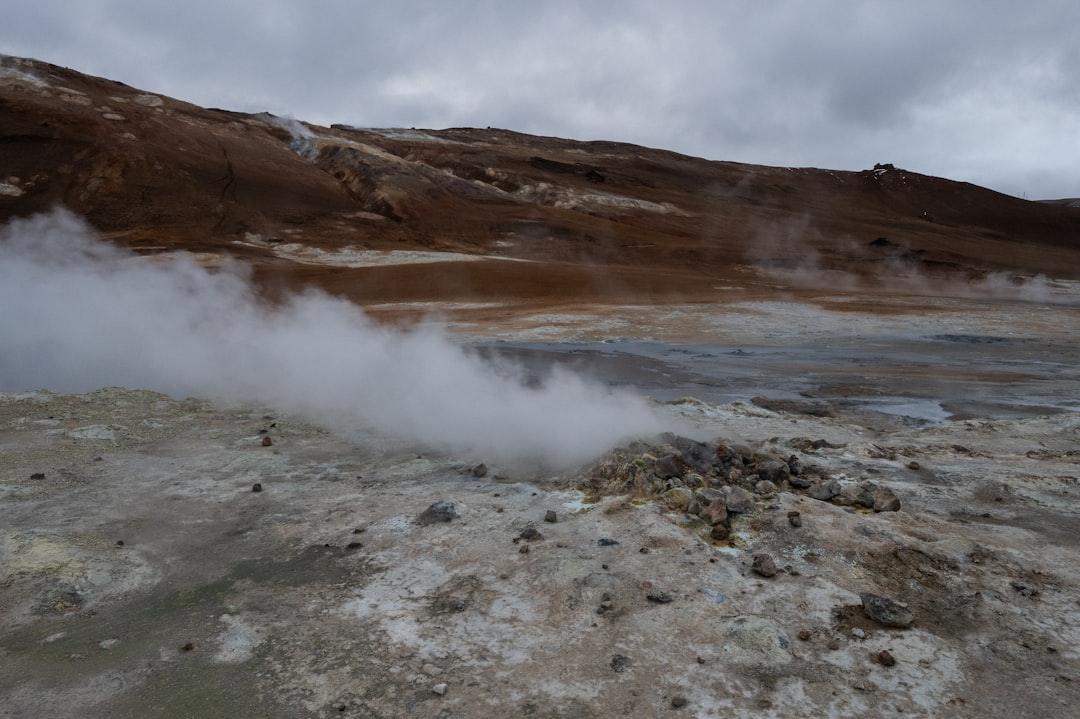
The Salton Sea, a saline lake in California’s Imperial Valley, contains geothermal brine with significant lithium concentrations. This resource has attracted attention as global demand for lithium has increased substantially, driven by the expansion of electric vehicle production and renewable energy storage systems. Lithium is a critical component in rechargeable batteries and is essential for these emerging technologies.
The region’s existing geothermal power plants provide an additional advantage for lithium extraction. These facilities currently generate electricity by utilizing heat from the Earth’s interior. Integrating lithium extraction with existing geothermal operations creates operational efficiencies, as both processes can utilize the same brine resources.
This approach allows companies to extract lithium while maintaining electricity generation, potentially reducing operational costs and environmental impacts compared to standalone extraction methods. The Salton Sea’s geothermal brine represents a domestic source of lithium that could help address supply chain concerns and reduce dependence on international lithium sources. As battery demand continues to grow with the transition toward electric vehicles and grid-scale energy storage, developing lithium extraction capabilities at the Salton Sea could contribute to meeting both regional and national energy material requirements.
Learn about the environmental impacts of lithium mining in this informative video.
Key Takeaways
- The Salton Sea’s geothermal brine holds significant potential as a source of lithium, crucial for clean energy technologies.
- Extracting lithium from geothermal brine involves innovative processes that integrate with existing geothermal energy production.
- Sustainable extraction methods are essential to minimize environmental impacts and preserve the Salton Sea ecosystem.
- Economic benefits include job creation and strengthening the domestic supply chain for lithium, reducing reliance on imports.
- Government policies and technological advancements play a critical role in overcoming challenges and scaling up lithium extraction efforts.
Understanding the Geothermal Brine and Lithium Connection
Geothermal brine is a hot, mineral-rich fluid that is found deep within the Earth’s crust, often associated with geothermal energy production. This brine contains various dissolved minerals, including lithium, which is increasingly recognized for its value in modern technology. The connection between geothermal brine and lithium lies in the unique geological conditions of regions like the Salton Sea, where tectonic activity has created an environment conducive to high concentrations of lithium.
As geothermal plants extract heat from these brines, they inadvertently provide access to valuable minerals that can be processed and utilized. The lithium found in geothermal brine is often more accessible than that extracted from traditional hard rock mining or clay deposits. The extraction process from brine can be less invasive and more efficient, making it an attractive alternative for meeting the growing demand for lithium.
Understanding this connection is crucial for stakeholders looking to invest in or develop lithium extraction projects in geothermal regions. The interplay between geothermal energy production and lithium extraction not only enhances the economic viability of such projects but also aligns with broader sustainability goals by reducing reliance on more environmentally damaging mining practices.
The Process of Extracting Lithium from Geothermal Brine
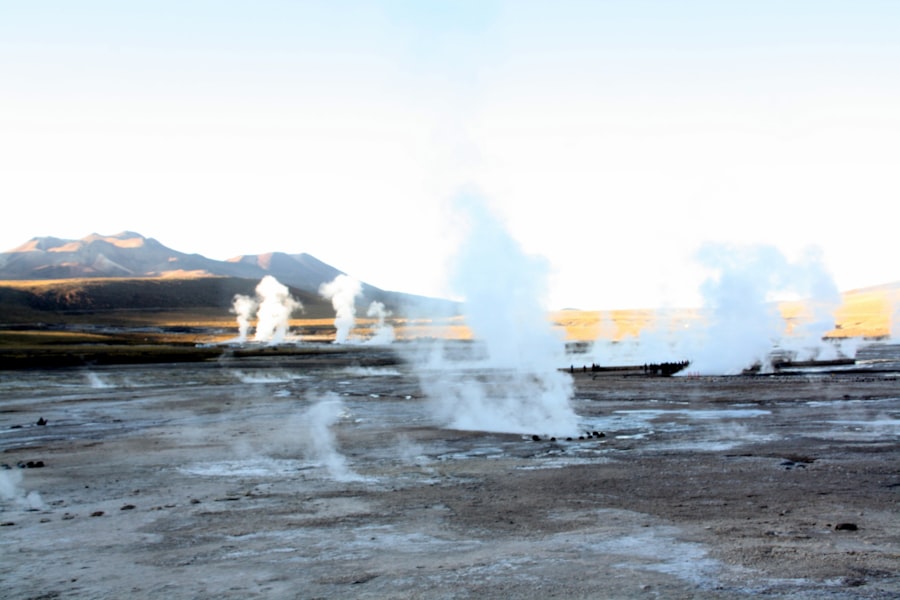
Extracting lithium from geothermal brine involves several key steps that capitalize on the unique properties of the brine itself. Initially, the geothermal brine is pumped from deep underground reservoirs to the surface, where it is cooled and processed. During this cooling phase, various minerals precipitate out of the solution, allowing for the separation of lithium from other elements present in the brine.
This process typically employs techniques such as evaporation, filtration, and chemical precipitation to isolate lithium compounds. Once extracted, the lithium can be converted into various forms suitable for battery production, such as lithium carbonate or lithium hydroxide. These compounds are essential for manufacturing high-performance batteries used in electric vehicles and energy storage systems.
The efficiency of this extraction process is enhanced by advancements in technology and innovation, which have led to more effective methods of separating lithium from other minerals while minimizing waste and environmental impact. As research continues to evolve, the extraction process is likely to become even more streamlined and sustainable.
Environmental Impacts and Sustainability of Lithium Extraction at Salton Sea
While the extraction of lithium from geothermal brine presents numerous advantages, it is essential to consider the environmental impacts associated with this process. One of the primary concerns is the potential alteration of local ecosystems due to changes in water chemistry and temperature resulting from brine extraction. The Salton Sea itself has faced significant ecological challenges over the years, including declining water levels and increasing salinity, which have affected local wildlife and plant species.
Therefore, any lithium extraction efforts must be carefully managed to mitigate adverse effects on this fragile environment. Sustainability is a critical aspect of lithium extraction at the Salton Sea. Unlike traditional mining methods that can lead to extensive land degradation and habitat destruction, extracting lithium from geothermal brine has a lower environmental footprint.
The process can be designed to minimize water usage and reduce greenhouse gas emissions by utilizing existing geothermal infrastructure. Moreover, as companies adopt more sustainable practices and technologies, they can ensure that lithium extraction contributes positively to both local economies and environmental conservation efforts.
Economic Opportunities and Benefits of Lithium Extraction
| Metric | Value | Unit | Notes |
|---|---|---|---|
| Lithium Concentration in Brine | 200-300 | mg/L | Typical range in Salton Sea geothermal brine |
| Brine Temperature | 150-180 | °C | Temperature of geothermal fluid used for extraction |
| Estimated Lithium Resource | 600,000 | Metric tons | Estimated lithium content in Salton Sea area |
| Extraction Efficiency | 85-90 | % | Typical recovery rate of lithium from brine |
| Geothermal Power Capacity | 300 | MW | Installed geothermal power capacity in Salton Sea region |
| Annual Lithium Production Potential | 20,000-25,000 | Metric tons/year | Projected lithium output from geothermal extraction |
| Water Usage | Minimal | n/a | Geothermal extraction uses existing brine, reducing freshwater use |
The economic opportunities presented by lithium extraction at the Salton Sea are substantial. As global demand for lithium continues to rise, driven by the electric vehicle market and renewable energy storage solutions, local economies stand to benefit significantly from this burgeoning industry. Job creation is one of the most immediate advantages; new positions will emerge not only in extraction but also in processing, research, and development sectors related to lithium production.
Furthermore, the establishment of a robust lithium supply chain in the region could attract additional investments and foster innovation within related industries. Local businesses may experience growth as they provide goods and services to support lithium extraction operations. Additionally, revenue generated from lithium sales could be reinvested into community development projects, infrastructure improvements, and educational initiatives, ultimately enhancing the quality of life for residents in surrounding areas.
Challenges and Obstacles in Unlocking Lithium at Salton Sea
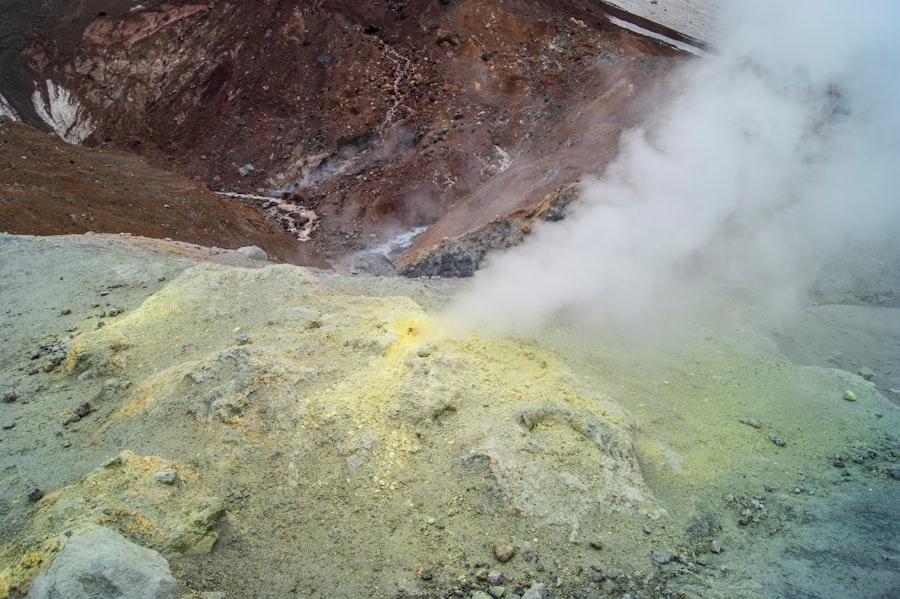
Despite its potential, unlocking lithium resources at the Salton Sea is not without challenges. One significant obstacle is regulatory hurdles that can delay or complicate extraction projects. Navigating local, state, and federal regulations requires careful planning and compliance efforts that can slow down progress.
Additionally, securing permits for water usage and environmental assessments can be time-consuming processes that deter potential investors. Another challenge lies in technological limitations associated with extracting lithium efficiently and sustainably. While advancements have been made in recent years, further research is needed to optimize extraction methods and reduce costs.
Companies must also contend with competition from other regions with established lithium production capabilities, which can impact market dynamics and pricing strategies. Addressing these challenges will require collaboration among stakeholders, including government agencies, private companies, and research institutions.
The Role of Technology and Innovation in Geothermal Lithium Extraction
Technology plays a pivotal role in enhancing the efficiency and sustainability of lithium extraction from geothermal brine. Innovations in extraction techniques have led to improved methods for separating lithium from other minerals while minimizing waste generation. For instance, advancements in membrane technology and selective adsorption processes have shown promise in increasing recovery rates of lithium from brine solutions.
Moreover, ongoing research into alternative extraction methods continues to push the boundaries of what is possible in this field. For example, direct lithium extraction (DLE) technologies are being developed that could significantly reduce processing times and costs compared to traditional methods. By leveraging cutting-edge technology and fostering a culture of innovation within the industry, stakeholders can unlock new opportunities for sustainable lithium production at the Salton Sea.
The Importance of Lithium in the Clean Energy Transition
Lithium has emerged as a cornerstone of the clean energy transition due to its critical role in battery technology. As societies worldwide strive to reduce carbon emissions and shift towards renewable energy sources, lithium-ion batteries have become essential for storing energy generated from solar panels and wind turbines. These batteries enable greater flexibility in energy use and help stabilize power grids by storing excess energy during peak production times.
The demand for electric vehicles (EVs) further underscores the importance of lithium in achieving climate goals. As automakers commit to transitioning their fleets away from fossil fuels, the need for efficient battery systems powered by lithium will only increase. Consequently, securing a stable supply of lithium through sustainable practices—such as those being explored at the Salton Sea—will be vital for supporting this global shift towards cleaner transportation options.
The Future of Lithium Extraction at Salton Sea
Looking ahead, the future of lithium extraction at the Salton Sea appears promising yet complex. As technological advancements continue to evolve, they will likely enhance both efficiency and sustainability in extraction processes. Furthermore, as global demand for lithium escalates due to its critical role in clean energy technologies, interest in developing this resource will likely intensify.
However, stakeholders must remain vigilant about environmental considerations and community impacts as they pursue these opportunities. Engaging local communities in decision-making processes will be essential for fostering trust and ensuring that benefits are equitably shared among residents.
The Role of Government and Policy in Supporting Geothermal Lithium Extraction
Government policy plays a crucial role in shaping the landscape for geothermal lithium extraction at the Salton Sea. Supportive regulations can facilitate investment by providing clear guidelines for environmental assessments, permitting processes, and resource management practices. Additionally, government incentives such as tax breaks or grants can encourage companies to invest in sustainable technologies that enhance extraction efficiency while minimizing ecological impacts.
Moreover, collaboration between government agencies and private sector stakeholders can foster innovation within the industry. By investing in research initiatives focused on improving extraction methods or developing new technologies, policymakers can help ensure that California remains at the forefront of sustainable lithium production. Ultimately, effective government support will be instrumental in unlocking the full potential of geothermal lithium resources while balancing economic growth with environmental protection.
Global Implications of Salton Sea’s Geothermal Lithium Extraction
The implications of successful geothermal lithium extraction at the Salton Sea extend far beyond California’s borders; they resonate on a global scale as countries grapple with their own energy transitions. As one of the few regions capable of producing significant quantities of lithium sustainably, the Salton Sea could become a vital player in international supply chains for battery materials. This could help alleviate some pressures on traditional mining operations that often face scrutiny over their environmental impacts.
Furthermore, advancements made at the Salton Sea could serve as a model for other regions seeking to harness geothermal resources for mineral extraction purposes. By demonstrating that it is possible to balance economic development with ecological responsibility, California could inspire similar initiatives worldwide—ultimately contributing to a more sustainable future for global energy systems. As nations strive towards achieving their climate goals through cleaner technologies, successful projects like those at the Salton Sea will play an increasingly important role in shaping a greener planet.
The Salton Sea has emerged as a significant site for geothermal lithium extraction, drawing attention for its potential to contribute to the growing demand for lithium in battery production. For a deeper understanding of the processes and implications of this extraction method, you can read more in the article available at mygeoquest.
com/sample-page/’>this link. This article explores the environmental impacts, technological advancements, and economic opportunities associated with lithium extraction in the region.
WATCH THIS! 🌍 “THE WATER IS GONE: Inside the Desert Killing the EV Revolution
FAQs
What is the Salton Sea geothermal lithium extraction project?
The Salton Sea geothermal lithium extraction project involves extracting lithium from geothermal brine found beneath the Salton Sea in Southern California. This process uses geothermal energy to bring lithium-rich brine to the surface, where lithium is separated and purified for use in batteries and other applications.
Why is lithium extraction important at the Salton Sea?
Lithium is a critical component in rechargeable batteries for electric vehicles and renewable energy storage. The Salton Sea region has one of the largest known lithium resources in the United States, making it a strategic location for domestic lithium production to reduce reliance on foreign sources.
How does geothermal energy aid lithium extraction at the Salton Sea?
Geothermal energy provides a sustainable heat source to bring lithium-rich brine from deep underground to the surface. The heat and pressure conditions help concentrate lithium, allowing for more efficient extraction compared to traditional mining methods.
What are the environmental benefits of geothermal lithium extraction?
Geothermal lithium extraction at the Salton Sea uses renewable geothermal energy, which reduces carbon emissions compared to conventional lithium mining. Additionally, it can help manage geothermal brine disposal and potentially improve local air quality by reducing dust from the drying Salton Sea lakebed.
Are there any environmental concerns associated with lithium extraction at the Salton Sea?
While geothermal lithium extraction is cleaner than traditional mining, concerns include potential impacts on local water resources, habitat disruption, and the management of geothermal brine byproducts. Ongoing monitoring and regulation aim to minimize these environmental risks.
How much lithium can be produced from the Salton Sea geothermal brine?
Estimates suggest that the Salton Sea geothermal brine contains enough lithium to supply a significant portion of U.S. demand for decades. However, actual production depends on technological advancements, economic viability, and regulatory approvals.
What companies are involved in lithium extraction at the Salton Sea?
Several companies and partnerships are actively developing lithium extraction projects at the Salton Sea, including energy firms specializing in geothermal power and lithium producers focused on sustainable extraction technologies.
How does lithium extraction at the Salton Sea impact local communities?
The project has the potential to create jobs and stimulate economic growth in the region. However, it also requires careful management to address concerns related to environmental justice, water use, and community health.
Is the lithium extracted from the Salton Sea used in electric vehicle batteries?
Yes, lithium extracted from the Salton Sea can be processed into battery-grade lithium compounds used in electric vehicle batteries, energy storage systems, and other high-tech applications.
What technologies are used for lithium extraction from geothermal brine?
Technologies include direct lithium extraction (DLE) methods such as adsorption, ion exchange, and solvent extraction, which selectively remove lithium from geothermal brine with higher efficiency and lower environmental impact than traditional evaporation ponds.