Free, Prior, and Informed Consent (FPIC) is a fundamental principle in mining operations, particularly regarding Indigenous peoples’ rights. FPIC requires that communities retain the authority to approve or reject projects that could impact their territories, natural resources, and economic activities. This principle functions as a protective mechanism against corporate exploitation and ensures Indigenous communities participate meaningfully in decision-making processes affecting their interests.
Historically, the mining industry has experienced significant conflicts between corporations and Indigenous populations. Numerous mining projects have advanced without sufficient community consultation, resulting in substantial social and environmental damage. When mining companies implement FPIC protocols, they establish more constructive relationships with local communities, reduce operational risks from community opposition, and strengthen their corporate reputation.
As global mineral demand increases, incorporating FPIC into mining practices represents both an ethical obligation and a practical business requirement for sustainable operations.
Key Takeaways
- FPIC is essential for respecting Indigenous rights and ensuring ethical mining practices.
- It requires free, prior, and informed consent from Indigenous communities before mining activities begin.
- Implementing FPIC helps protect Indigenous lands and cultures from adverse mining impacts.
- Legal frameworks and stakeholder collaboration are critical for effective FPIC enforcement.
- Successful FPIC engagement can lead to economic benefits and more sustainable mining projects.
Understanding the Principles of Free, Prior, and Informed Consent
The principles of FPIC are rooted in the recognition of Indigenous peoples’ rights to self-determination and their inherent connection to their ancestral lands. “Free” signifies that consent must be given voluntarily, without coercion or manipulation. This aspect is crucial, as it ensures that communities can make decisions based on their own values and priorities rather than external pressures.
“Prior” indicates that consent must be sought before any project activities commence, allowing communities adequate time to consider the implications of proposed developments. Lastly, “Informed” means that communities must receive comprehensive information about the potential impacts of mining activities, enabling them to make educated decisions. Understanding these principles is essential for both mining companies and Indigenous communities.
For companies, adhering to FPIC can lead to more sustainable operations and reduce the likelihood of conflicts that can arise from perceived injustices. For Indigenous communities, FPIC represents an opportunity to assert their rights and protect their cultural heritage. The implementation of FPIC requires a commitment to transparency, respect, and ongoing dialogue between all parties involved.
This mutual understanding can pave the way for collaborative approaches that benefit both the mining industry and Indigenous populations. Learn about the environmental impacts of lithium mining in this informative video.
The Role of FPIC in Protecting Indigenous Communities

FPIC plays a pivotal role in safeguarding the rights and interests of Indigenous communities in the face of mining activities. By ensuring that these communities have a say in decisions that affect their lives, FPIC empowers them to protect their cultural heritage, traditional practices, and natural resources. The principle acts as a bulwark against potential exploitation and environmental degradation that can arise from mining operations.
When Indigenous peoples are actively involved in decision-making processes, they are better equipped to advocate for their rights and negotiate terms that reflect their needs and aspirations. Moreover, FPIC fosters a sense of ownership among Indigenous communities regarding the land and resources they inhabit. This ownership is not merely physical but also cultural and spiritual.
By engaging in the FPIC process, communities can articulate their concerns and aspirations, ensuring that their voices are not drowned out by corporate interests. This empowerment is crucial for maintaining social cohesion within these communities and preserving their identity in an increasingly globalized world. Ultimately, FPIC serves as a mechanism for justice, allowing Indigenous peoples to reclaim agency over their lands and futures.
FPIC as a Tool for Ensuring Ethical Mining Practices
Incorporating FPIC into mining operations is not just about compliance; it is also about fostering ethical practices within the industry. By prioritizing consent from Indigenous communities, mining companies can demonstrate their commitment to corporate social responsibility and ethical governance. This approach not only enhances the legitimacy of mining projects but also builds trust between companies and local populations.
Ethical mining practices rooted in FPIC can lead to more sustainable outcomes, benefiting both the environment and local economies. Furthermore, ethical mining practices informed by FPIC can help mitigate risks associated with community opposition and legal challenges. When companies engage meaningfully with Indigenous communities from the outset, they are more likely to identify potential issues early on and address them proactively.
This proactive engagement can lead to smoother project implementation and reduce the likelihood of costly delays or conflicts down the line. In this way, FPIC serves as a strategic tool for companies seeking to navigate the complexities of modern mining while upholding ethical standards.
Challenges and Barriers to Implementing FPIC in the Mining Industry
| Metric | Description | Example Data | Source/Notes |
|---|---|---|---|
| Number of FPIC Consultations Conducted | Total consultations held with indigenous communities prior to mining projects | 45 consultations (2023) | Company reports and community records |
| Percentage of Mining Projects with FPIC Compliance | Share of mining projects that have obtained documented FPIC | 78% | International mining compliance audits |
| Average Duration of FPIC Process | Time taken from initial consultation to consent decision | 6 months | Case studies from Latin America |
| Community Satisfaction Rate | Percentage of indigenous communities reporting satisfaction with FPIC process | 65% | Survey data from affected communities |
| Number of FPIC-related Disputes | Reported conflicts or legal cases related to FPIC in mining | 12 cases (2023) | Legal and NGO reports |
| Percentage of Mining Revenue Shared with Indigenous Communities | Portion of profits allocated as benefits or compensation | 10% | Company financial disclosures |
Despite its importance, implementing FPIC in the mining industry is fraught with challenges and barriers. One significant obstacle is the lack of understanding or awareness of FPIC among both mining companies and Indigenous communities. Many companies may view consultation as a mere formality rather than a genuine process of engagement.
Conversely, some Indigenous communities may lack the resources or knowledge necessary to navigate complex legal frameworks or negotiate effectively with powerful corporations. Additionally, power imbalances often exist between mining companies and Indigenous communities, complicating the FPIC process. Corporations typically possess greater financial resources and legal expertise, which can create an uneven playing field during negotiations.
This disparity can lead to situations where consent is obtained under duress or without full comprehension of the implications involved. Addressing these challenges requires a concerted effort from all stakeholders to promote education, capacity-building, and equitable dialogue throughout the FPIC process.
Case Studies of Successful Implementation of FPIC in Mining Projects
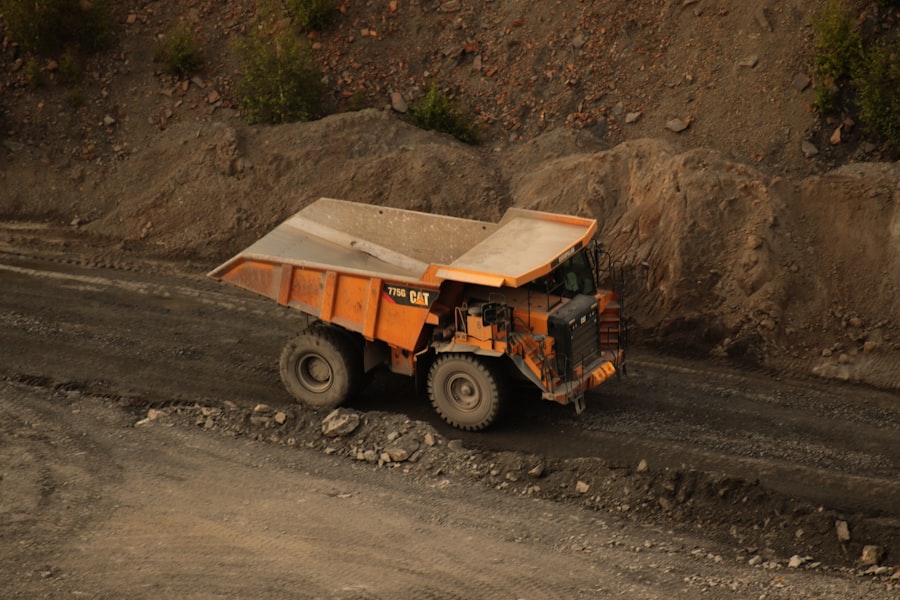
Several case studies illustrate the successful implementation of FPIC in mining projects, showcasing how meaningful engagement can lead to positive outcomes for both companies and Indigenous communities. One notable example is the collaboration between a Canadian mining company and the First Nations in British Columbia regarding a proposed mine development. Through extensive consultations and negotiations grounded in FPIC principles, the company was able to address community concerns about environmental impacts while also providing economic opportunities for local residents.
Another compelling case is found in Australia, where an iron ore mining project engaged with Indigenous groups to ensure that their cultural heritage sites were protected during operations. By incorporating traditional knowledge into environmental assessments and project planning, the company not only secured consent but also fostered a sense of partnership with local communities. These examples demonstrate that when FPIC is genuinely embraced, it can lead to innovative solutions that respect Indigenous rights while facilitating responsible resource extraction.
The Legal and Regulatory Framework for FPIC in the Mining Sector
The legal and regulatory framework surrounding FPIC varies significantly across different countries and regions. In some jurisdictions, national laws explicitly recognize the rights of Indigenous peoples to provide or withhold consent for projects affecting their lands. International instruments such as the United Nations Declaration on the Rights of Indigenous Peoples (UNDRIP) further reinforce these rights on a global scale.
However, enforcement mechanisms often remain weak or poorly implemented, leading to inconsistencies in how FPIC is applied in practice. In many cases, mining companies must navigate a complex web of local, national, and international regulations when seeking consent from Indigenous communities. This complexity can create confusion and uncertainty for both parties involved.
To enhance the effectiveness of FPIC processes, there is a pressing need for clearer guidelines and standards that outline best practices for engagement with Indigenous peoples in the context of mining operations. Strengthening legal frameworks around FPIC can help ensure that Indigenous rights are upheld consistently across different contexts.
The Role of Stakeholders in Upholding FPIC in Mining Operations
Upholding FPIC in mining operations requires active participation from various stakeholders, including government agencies, civil society organizations, mining companies, and Indigenous communities themselves. Each stakeholder has a unique role to play in promoting respect for Indigenous rights and ensuring that consent processes are conducted fairly and transparently. Governments must establish robust legal frameworks that protect Indigenous rights while facilitating meaningful engagement between companies and communities.
Civil society organizations also play a crucial role by advocating for Indigenous rights and holding companies accountable for their commitments to FPIThese organizations can provide valuable support to Indigenous communities by offering resources, training, and legal assistance during negotiations with mining companies. Additionally, mining companies must prioritize building genuine relationships with Indigenous peoples based on trust and mutual respect. By recognizing the importance of collaboration among all stakeholders, it becomes possible to create an environment where FPIC can thrive.
The Economic Benefits of Respecting FPIC in Mining Projects
Respecting FPIC can yield significant economic benefits for both mining companies and Indigenous communities alike. For companies, engaging meaningfully with local populations can lead to smoother project implementation, reduced risks of conflict, and enhanced reputational capital. When communities feel respected and valued in decision-making processes, they are more likely to support mining initiatives rather than oppose them.
This support can translate into operational efficiencies and cost savings over time. For Indigenous communities, respecting FPIC opens up opportunities for economic development while preserving cultural integrity. When consent is obtained through genuine engagement, communities can negotiate terms that ensure they receive fair compensation for resource extraction on their lands.
This compensation can take various forms—such as revenue-sharing agreements or investment in community development projects—that contribute to long-term sustainability. Ultimately, respecting FPIC creates a win-win scenario where both parties benefit economically while fostering social harmony.
Best Practices for Engaging with Indigenous Communities in the FPIC Process
Engaging effectively with Indigenous communities during the FPIC process requires adherence to best practices that prioritize respect, transparency, and inclusivity. One key practice is establishing open lines of communication early on in project planning stages. Companies should seek to build relationships based on trust by actively listening to community concerns and incorporating feedback into project designs.
Another best practice involves providing accessible information about proposed projects in languages understood by community members. This ensures that all individuals have an opportunity to comprehend potential impacts fully before making decisions regarding consent. Additionally, involving community representatives throughout negotiations fosters a sense of ownership over outcomes while empowering local leaders to advocate for their constituents’ interests effectively.
The Future of FPIC and its Impact on the Mining Industry
The future of FPIC holds significant implications for the mining industry as global awareness around Indigenous rights continues to grow. As more stakeholders recognize the importance of respecting consent processes, there is potential for transformative change within the sector. Companies that embrace FPIC as a core principle will likely find themselves better positioned to navigate an increasingly complex landscape marked by heightened scrutiny from consumers, investors, and regulatory bodies alike.
Moreover, as climate change concerns intensify alongside demands for sustainable resource extraction practices, integrating FPIC into mining operations will become even more critical. By prioritizing community engagement through informed consent processes now—rather than viewing it merely as an obligation—mining companies can contribute positively toward building resilient ecosystems while fostering social equity among marginalized populations worldwide. In conclusion, Free, Prior, and Informed Consent represents not only a fundamental right for Indigenous peoples but also an essential framework for ethical engagement within the mining industry.
By understanding its principles and actively working towards its implementation across all levels—from local negotiations through international regulations—stakeholders can create pathways toward sustainable development that honors both people’s rights and environmental stewardship alike.
For a deeper understanding of how FPIC is implemented in various contexts, you can read more in this related article on the topic. For further insights, check out the article available at this link.
WATCH THIS! 🌍 “THE WATER IS GONE: Inside the Desert Killing the EV Revolution
FAQs
What does FPIC stand for in the context of mining?
FPIC stands for Free, Prior, and Informed Consent. It is a principle that requires obtaining the voluntary agreement of indigenous peoples or local communities before starting any mining activities on their lands or territories.
Why is FPIC important in mining projects?
FPIC is important because it respects the rights of indigenous peoples and local communities, ensuring they have control over decisions affecting their lands, resources, and livelihoods. It helps prevent conflicts, promotes sustainable development, and upholds human rights.
What does “Free, Prior, and Informed” mean in FPIC?
– Free: Consent is given voluntarily without coercion, manipulation, or intimidation.
– Prior: Consent is sought sufficiently in advance of any authorization or commencement of activities.
– Informed: Communities receive all relevant information in a clear and accessible manner to make an informed decision.
Who is responsible for obtaining FPIC in mining operations?
Mining companies or project developers are responsible for engaging with affected communities and obtaining FPIC before starting exploration or extraction activities. Governments also play a role in enforcing FPIC requirements through laws and regulations.
Which communities are entitled to FPIC in mining?
FPIC primarily applies to indigenous peoples and local communities who have customary or legal rights to the land and resources where mining is proposed. The specific groups entitled to FPIC may vary depending on national laws and international standards.
Is FPIC legally binding?
FPIC is recognized in various international instruments, such as the United Nations Declaration on the Rights of Indigenous Peoples (UNDRIP), and is increasingly incorporated into national laws. While its legal status varies by country, it is considered a key human rights standard in mining and development projects.
What happens if FPIC is not obtained before mining?
Failure to obtain FPIC can lead to social conflicts, legal challenges, project delays, reputational damage, and potential violations of human rights. It may also result in the suspension or cancellation of mining permits.
How is FPIC implemented in practice?
Implementation involves meaningful consultation and dialogue with affected communities, providing accessible information about the project’s impacts, benefits, and risks, and allowing communities to make decisions without pressure. Agreements are often documented and monitored throughout the project lifecycle.
Does FPIC mean communities can veto mining projects?
FPIC gives communities the right to give or withhold consent to mining activities on their lands. In practice, this means they can effectively approve or reject projects, making their participation crucial to project legitimacy and success.
What international standards guide FPIC in mining?
Key international standards include the United Nations Declaration on the Rights of Indigenous Peoples (UNDRIP), the International Labour Organization Convention 169 (ILO 169), and guidelines from organizations like the World Bank and the International Finance Corporation (IFC).