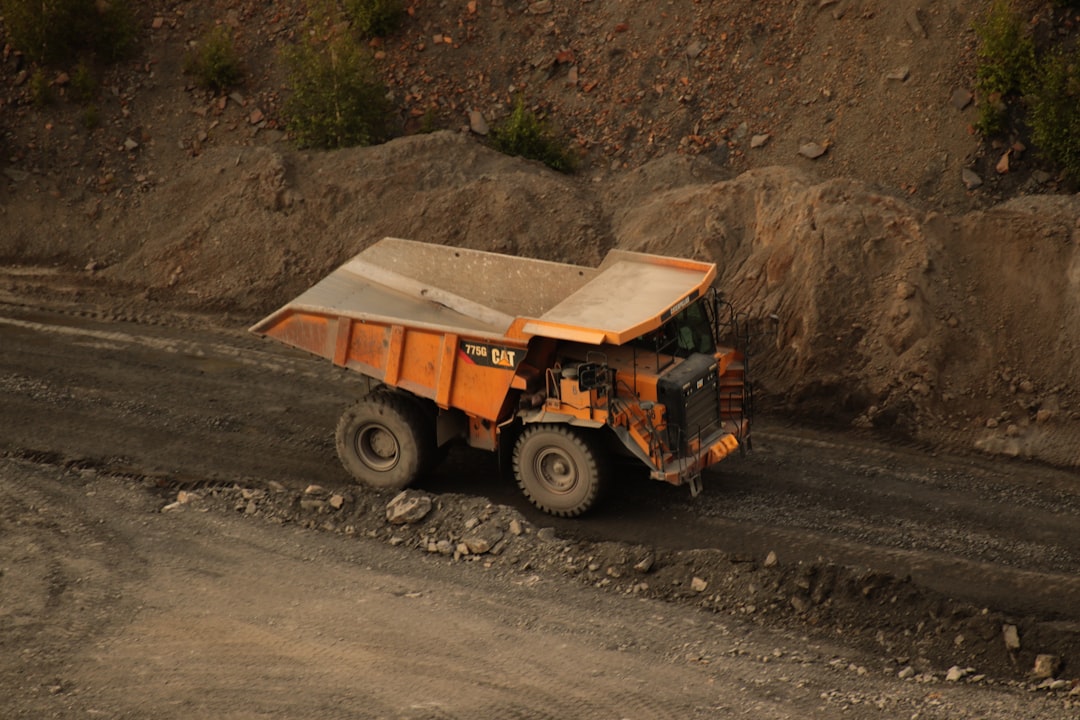
Spodumene is a lithium-bearing mineral that has become increasingly important due to its use in lithium-ion battery production. With growing demand for renewable energy and electric vehicles, lithium consumption has increased substantially, making spodumene hard rock deposits valuable targets for mining operations and investors. The mineral occurs primarily in pegmatitic rocks, which are coarse-grained igneous formations created through magma crystallization.
Spodumene typically contains between 4% and 8% lithium oxide (Li2O) by weight, establishing it as a major lithium source. Extracting spodumene from hard rock deposits requires multiple processing steps to separate the mineral from surrounding ore components. This extraction process is essential for producing high-purity lithium suitable for battery manufacturing and industrial applications.
Knowledge of spodumene’s properties—including its crystal structure and chemical composition—is necessary for developing efficient extraction techniques and maximizing mining productivity. As global energy systems transition toward sustainable sources, spodumene hard rock mining will continue to grow in importance, creating ongoing requirements for research and technological advancement in extraction and processing methods.
Key Takeaways
- Spodumene hard rock is a key source of lithium, essential for battery production and energy storage.
- Australia hosts significant spodumene deposits, with unique geological formations favorable for mining.
- Advanced mining and processing techniques are improving the efficiency and yield of spodumene extraction.
- Environmental management and regulatory compliance are critical challenges in sustainable spodumene mining.
- Growing global demand for lithium positions Australia’s spodumene industry as vital to the energy transition and economic growth.
The Geology of Spodumene Hard Rock Deposits in Australia
Australia is home to some of the largest and most economically viable spodumene hard rock deposits in the world. The geology of these deposits is primarily associated with the formation of granitic pegmatites, which are rich in lithium-bearing minerals. These pegmatites typically form during the late stages of magma crystallization, resulting in a concentration of rare elements, including lithium, tantalum, and niobium.
The geological conditions that favor the formation of spodumene deposits are often found in regions with a history of tectonic activity, which can lead to the creation of suitable environments for pegmatite formation. The Greenbushes Lithium Mine in Western Australia is one of the most notable examples of a spodumene hard rock deposit. This mine has been operational since the 1980s and has undergone several expansions to meet the growing demand for lithium.
The geological characteristics of the Greenbushes deposit include a complex arrangement of spodumene-rich zones interspersed with other minerals, which presents both challenges and opportunities for mining operations. Understanding these geological features is critical for effective resource management and extraction strategies, as they can significantly influence the economic viability of mining projects. Learn about the environmental impacts of lithium mining in this informative video.
Mining and Processing Spodumene Hard Rock
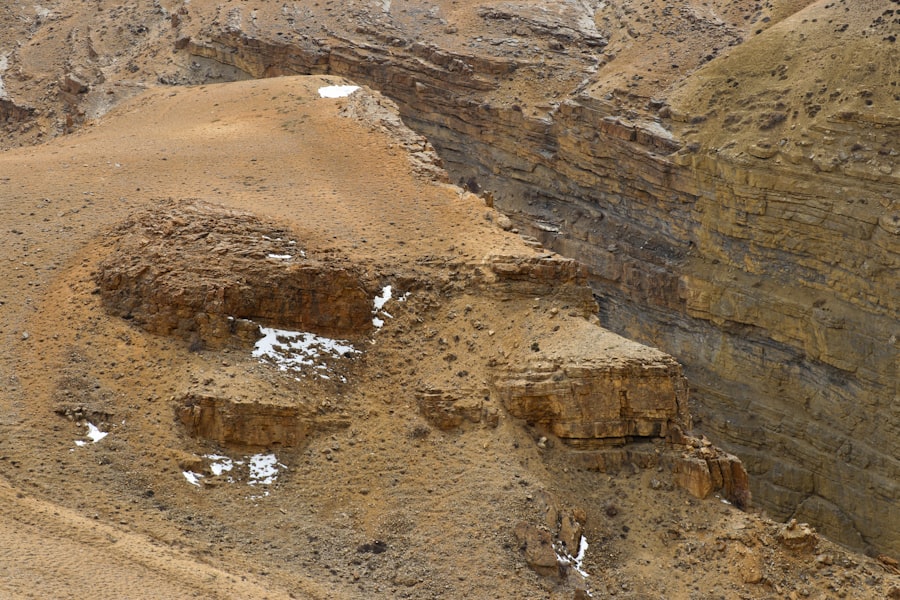
The mining of spodumene hard rock typically involves open-pit mining techniques, which allow for the efficient extraction of large volumes of ore. This method is favored due to its cost-effectiveness and lower environmental impact compared to underground mining. Once extracted, the ore undergoes a series of processing steps to separate spodumene from other minerals and impurities.
The initial stage involves crushing and grinding the ore to liberate the spodumene crystals, followed by flotation processes that concentrate the lithium-bearing mineral. After concentration, the spodumene is often subjected to a thermal treatment known as roasting, which converts it into a more reactive form called beta-spodumene. This transformation is essential for subsequent chemical processes that extract lithium from the mineral.
The final product is typically lithium carbonate or lithium hydroxide, both of which are crucial for battery manufacturing. The efficiency of these processes can significantly impact the overall economics of spodumene mining, making advancements in processing technology a key area of focus for industry stakeholders.
The Economic Potential of Spodumene Hard Rock in Australia
The economic potential of spodumene hard rock mining in Australia is substantial, driven by the increasing global demand for lithium-ion batteries. As electric vehicles become more mainstream and renewable energy storage solutions gain traction, the need for high-quality lithium sources has never been greater. Australia has positioned itself as a leading supplier of lithium, with its hard rock deposits providing a reliable and consistent source of this critical mineral.
The country’s stable political environment and established mining infrastructure further enhance its attractiveness as an investment destination. Moreover, the economic benefits extend beyond direct mining activities. The development of spodumene hard rock projects creates jobs, stimulates local economies, and fosters technological innovation within the mining sector.
As companies invest in exploration and production capabilities, they also contribute to advancements in sustainable mining practices and environmental stewardship.
Environmental Considerations in Spodumene Hard Rock Mining
| Metric | Value | Unit | Notes |
|---|---|---|---|
| Annual Production | 150,000 | tonnes of spodumene concentrate | Typical output from major Australian hard rock mines |
| Ore Grade | 1.2 – 2.0 | % Li2O | Concentration of lithium oxide in ore |
| Mine Life | 15 – 25 | years | Estimated operational lifespan of mines |
| Strip Ratio | 2.5 | Waste:Ore | Amount of waste rock removed per tonne of ore |
| Processing Recovery Rate | 70 – 75 | % | Percentage of lithium recovered during processing |
| Energy Consumption | 150 – 200 | kWh per tonne of concentrate | Energy used in mining and processing |
| Water Usage | 1.5 – 3.0 | cubic meters per tonne of concentrate | Water consumed in processing operations |
| Major Mining Regions | Greenbushes, Mt Cattlin, Bald Hill | N/A | Key spodumene hard rock mining sites in Australia |
While the economic benefits of spodumene hard rock mining are significant, it is essential to address the environmental considerations associated with these activities. Mining operations can have various impacts on local ecosystems, including habitat destruction, water usage, and pollution. As such, it is crucial for companies to implement responsible mining practices that minimize their environmental footprint.
This includes conducting thorough environmental impact assessments (EIAs) before commencing operations and adhering to strict regulations governing land use and resource extraction. Additionally, many companies are exploring innovative approaches to reduce their environmental impact further. This includes investing in technologies that enhance water recycling during processing, reducing energy consumption through more efficient machinery, and rehabilitating mined land post-extraction.
By prioritizing sustainability, the spodumene hard rock industry can not only mitigate its environmental impact but also enhance its reputation among stakeholders and consumers who increasingly value responsible sourcing practices.
Current and Future Market Trends for Spodumene Hard Rock

The market for spodumene hard rock has experienced significant fluctuations over recent years, driven by changes in global demand for lithium products. Currently, there is a strong upward trend in demand due to the rapid growth of electric vehicle production and renewable energy storage systems. Analysts predict that this trend will continue as more countries commit to reducing carbon emissions and transitioning to sustainable energy sources.
Consequently, spodumene hard rock deposits are likely to remain a focal point for investment and exploration. Looking ahead, several factors will shape the future market dynamics for spodumene hard rock. The emergence of new technologies in battery production may influence demand patterns, as manufacturers seek to optimize performance while reducing costs.
Additionally, geopolitical factors could impact supply chains and trade relationships, further affecting market stability. As such, stakeholders within the industry must remain agile and responsive to these evolving trends to capitalize on opportunities while mitigating potential risks.
Technological Advances in Spodumene Hard Rock Extraction
Technological advancements play a pivotal role in enhancing the efficiency and sustainability of spodumene hard rock extraction processes. Innovations in mining equipment have led to improved ore recovery rates and reduced operational costs. For instance, automated drilling systems and advanced geological modeling software enable more precise targeting of high-grade ore zones, minimizing waste and maximizing resource utilization.
Furthermore, advancements in processing technologies have also contributed to increased efficiency in lithium extraction from spodumene. Techniques such as hydrometallurgical processing are being explored as alternatives to traditional methods, offering potential benefits in terms of lower energy consumption and reduced environmental impact. As research continues to evolve in this area, it is likely that new methods will emerge that further enhance the viability of spodumene as a key source of lithium.
Challenges and Opportunities in Spodumene Hard Rock Exploration
Despite its promising economic potential, exploring spodumene hard rock deposits presents several challenges that must be navigated effectively. One significant challenge is the geological complexity associated with pegmatite formations, which can vary widely in composition and grade even within small areas. This variability necessitates extensive exploration efforts to accurately assess resource potential and inform mining strategies.
However, these challenges also present opportunities for innovation within the industry. Companies that invest in advanced exploration techniques—such as geophysical surveys or machine learning algorithms—can gain a competitive edge by identifying high-potential areas more efficiently. Additionally, collaboration between industry stakeholders, research institutions, and government agencies can foster knowledge sharing and drive advancements in exploration methodologies.
Government Policies and Regulations Impacting Spodumene Hard Rock Mining
Government policies and regulations play a crucial role in shaping the landscape of spodumene hard rock mining in Australia. Regulatory frameworks are designed to ensure that mining activities are conducted responsibly while balancing economic development with environmental protection. These regulations often encompass various aspects of mining operations, including land use permits, environmental assessments, and community engagement requirements.
In recent years, there has been a growing emphasis on sustainable mining practices within regulatory frameworks. Governments are increasingly recognizing the importance of minimizing environmental impacts while promoting economic growth through resource extraction. As such, companies operating within this space must stay informed about evolving regulations and actively engage with policymakers to advocate for balanced approaches that support both industry growth and environmental stewardship.
Investing in Australia’s Spodumene Hard Rock Industry
Investing in Australia’s spodumene hard rock industry presents significant opportunities for both domestic and international investors. With its abundant resources and established mining infrastructure, Australia offers a favorable environment for investment in lithium production. The increasing global demand for lithium-ion batteries further enhances the attractiveness of this sector as a long-term investment opportunity.
Investors should consider various factors when evaluating potential investments within this industry. These include assessing the quality and size of mineral resources, understanding market dynamics, and evaluating company management teams’ capabilities. Additionally, investors may want to explore partnerships with companies focused on sustainable practices or those engaged in technological innovation within lithium extraction processes.
The Role of Spodumene Hard Rock in Australia’s Energy Transition
As Australia seeks to transition towards a more sustainable energy future, spodumene hard rock plays a vital role in this endeavor. The mineral’s significance lies not only in its contribution to lithium production but also in its potential to support broader efforts aimed at reducing carbon emissions across various sectors. By providing a reliable source of lithium for battery manufacturing, spodumene enables advancements in electric vehicle technology and renewable energy storage solutions.
Moreover, Australia’s commitment to achieving net-zero emissions by 2050 further underscores the importance of developing its lithium resources responsibly.
Australian spodumene hard rock mining has gained significant attention due to its critical role in the lithium supply chain, essential for battery production. For a deeper understanding of the geological aspects and mining techniques involved, you can refer to a related article on MyGeoQuest, which provides valuable insights into the mining processes and the importance of spodumene in the energy transition. For more information, visit MyGeoQuest.
WATCH THIS! 🌍 “THE WATER IS GONE: Inside the Desert Killing the EV Revolution
FAQs
What is spodumene and why is it important in mining?
Spodumene is a lithium-bearing mineral commonly found in hard rock deposits. It is an important source of lithium, which is used in batteries, ceramics, glass, and other industrial applications. Mining spodumene is crucial for supplying lithium to meet the growing demand for electric vehicles and energy storage.
Where are the main spodumene hard rock mining sites in Australia?
Australia hosts some of the world’s largest spodumene hard rock mining operations, primarily in Western Australia. Key mining sites include the Greenbushes Lithium Mine, which is one of the largest and highest-grade spodumene deposits globally, as well as other projects in the Pilbara and Goldfields regions.
How is spodumene extracted in hard rock mining?
Spodumene is extracted through conventional hard rock mining methods, including open-pit and underground mining. The ore is drilled, blasted, and transported to processing facilities where it is crushed and concentrated to produce spodumene concentrate, which is then further processed to extract lithium.
What environmental considerations are associated with Australian spodumene mining?
Environmental considerations include land disturbance, water usage, and waste management. Mining companies in Australia are required to follow strict environmental regulations to minimize impacts, including rehabilitation of mined land, managing water resources responsibly, and reducing emissions and waste.
How does Australian spodumene mining contribute to the global lithium supply?
Australia is the world’s largest producer of spodumene concentrate, contributing a significant portion of the global lithium supply. The country’s spodumene hard rock mining operations play a vital role in meeting international demand for lithium, especially for battery manufacturing in electric vehicles and renewable energy storage.
What are the challenges faced by spodumene hard rock mining in Australia?
Challenges include fluctuating lithium prices, technical difficulties in ore processing, environmental and regulatory compliance, and competition from other lithium sources such as brine deposits. Additionally, infrastructure and logistics in remote mining areas can pose operational challenges.
What is the future outlook for spodumene hard rock mining in Australia?
The future outlook is positive due to increasing global demand for lithium driven by the electric vehicle and renewable energy sectors. Ongoing exploration and development of new spodumene deposits, technological advancements in processing, and supportive government policies are expected to sustain and grow Australia’s spodumene mining industry.