China has become the world’s leading lithium processor in recent years. This position reflects growing global demand for lithium-ion batteries, particularly for electric vehicles and renewable energy storage systems. China’s dominance results from deliberate government policies and substantial investments designed to secure supply chains and advance battery manufacturing technology.
This market leadership carries significant implications for global economics, geopolitics, and environmental policy. China controls a substantial portion of the global lithium supply chain, from raw material extraction through refining to battery-grade material production. This integrated approach enables operational efficiency and cost advantages.
The concentration of lithium processing capacity in China has created concerns among other nations about supply chain dependency on a single country for this essential resource.
Key Takeaways
- China leads the global lithium processing market due to strategic investments and resource control.
- Its dominance significantly influences global lithium prices and supply chains.
- Environmental and social concerns arise from China’s extensive lithium processing activities.
- Other countries face challenges but also opportunities to diversify lithium processing outside China.
- Future market shifts depend on technological advances and international strategies to reduce reliance on China.
China’s Role in Global Lithium Production
China’s influence in global lithium production is profound, with the country accounting for a substantial share of the world’s lithium supply. The nation is home to some of the largest lithium reserves and production facilities, which have been developed through a combination of state-owned enterprises and private investments. This strategic positioning has enabled China to dominate not only the extraction of lithium but also its processing into usable forms for battery manufacturing.
The country’s vast resources, coupled with its advanced technological capabilities, have made it a linchpin in the global lithium market. Moreover, China’s role extends beyond mere production; it has also become a critical player in the international trade of lithium. By establishing trade agreements and partnerships with lithium-rich countries such as Australia and Chile, China has secured access to essential raw materials while simultaneously expanding its influence in these regions.
This multifaceted approach has allowed China to maintain a competitive edge in the lithium market, ensuring that it remains a key supplier to major industries worldwide, particularly in the automotive and electronics sectors. Learn about the environmental impacts of lithium mining in this informative video.
Factors Contributing to China’s Dominance in Lithium Processing
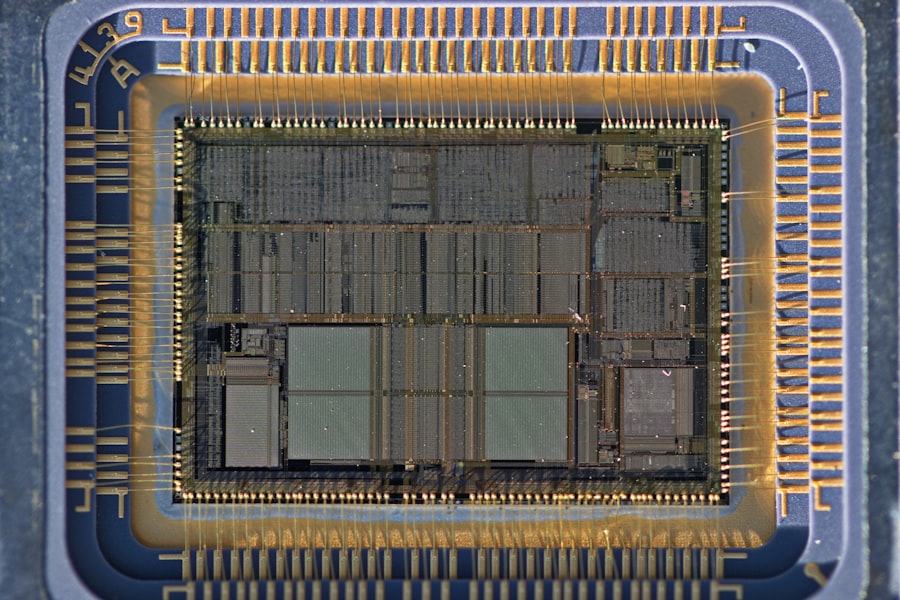
Several factors contribute to China’s dominance in lithium processing, with government policy playing a pivotal role. The Chinese government has implemented a series of initiatives aimed at promoting the development of the lithium industry, including subsidies for mining operations and investments in research and development. These policies have created an environment conducive to growth, allowing Chinese companies to innovate and scale their operations rapidly.
Additionally, the government’s focus on electric vehicle production has further fueled demand for processed lithium, reinforcing China’s position as a leader in this sector. Another significant factor is China’s investment in infrastructure and technology. The country has made substantial investments in refining facilities and processing plants, enabling it to convert raw lithium into high-purity materials efficiently.
This investment in technology not only enhances production capabilities but also reduces costs, making Chinese lithium products more competitive on the global stage. Furthermore, China’s emphasis on vertical integration—controlling every aspect of the supply chain from extraction to processing—has allowed it to optimize operations and maintain quality standards that meet international requirements.
Impact of China’s Dominance on Global Lithium Prices
China’s dominance in lithium processing has had a pronounced impact on global lithium prices, creating both opportunities and challenges for various stakeholders. As the leading processor of lithium, China effectively sets benchmarks for pricing, which can influence market dynamics worldwide. When demand surges—driven by increased production of electric vehicles or renewable energy technologies—China’s ability to ramp up processing capacity can stabilize prices.
Conversely, any disruptions within China’s processing capabilities can lead to significant fluctuations in global prices, affecting manufacturers and consumers alike. The implications of these price dynamics are far-reaching. For countries reliant on imported lithium for their industries, fluctuations can lead to increased production costs and ultimately higher prices for end consumers.
Additionally, as other nations seek to develop their own lithium processing capabilities, they may find themselves at a disadvantage due to China’s established infrastructure and economies of scale. This situation underscores the need for strategic planning and investment in alternative sources of lithium processing to mitigate risks associated with price volatility.
China’s Investment in Lithium Processing Technology
| Metric | Value | Notes |
|---|---|---|
| Global Lithium Processing Capacity | 1.2 million metric tons (2023) | China accounts for approximately 60% |
| China’s Lithium Refining Market Share | 60% | Dominates global lithium hydroxide and carbonate production |
| Top Chinese Lithium Processors | Ganfeng Lithium, Tianqi Lithium, Jiangxi Ganfeng | Leading companies in lithium chemical processing |
| China’s Lithium Chemical Exports | Over 70% of global exports | Includes lithium carbonate and lithium hydroxide |
| Investment in Lithium Processing Facilities (2023) | Over 5 billion | Focus on expanding refining and battery-grade material production |
| China’s Control of Lithium Supply Chain | Vertical integration from mining to battery production | Ensures dominance in electric vehicle battery market |
| Global Lithium Demand Growth Rate | 20% CAGR (2023-2030) | Driven by EV and energy storage sectors |
China’s commitment to advancing lithium processing technology is evident through its substantial investments in research and development. The country has prioritized innovation within its lithium industry, focusing on improving extraction methods, refining processes, and battery production techniques. By fostering collaboration between academic institutions and industry leaders, China has been able to accelerate technological advancements that enhance efficiency and reduce environmental impacts associated with lithium processing.
Moreover, these investments are not limited to domestic advancements; China is also actively seeking partnerships with international firms to leverage cutting-edge technologies from around the world. This collaborative approach allows China to stay at the forefront of lithium processing technology while simultaneously expanding its influence in global markets. As new technologies emerge—such as more sustainable extraction methods or advanced recycling techniques—China’s proactive stance positions it well to adapt and lead in an evolving industry landscape.
Environmental and Social Implications of China’s Dominance in Lithium Processing
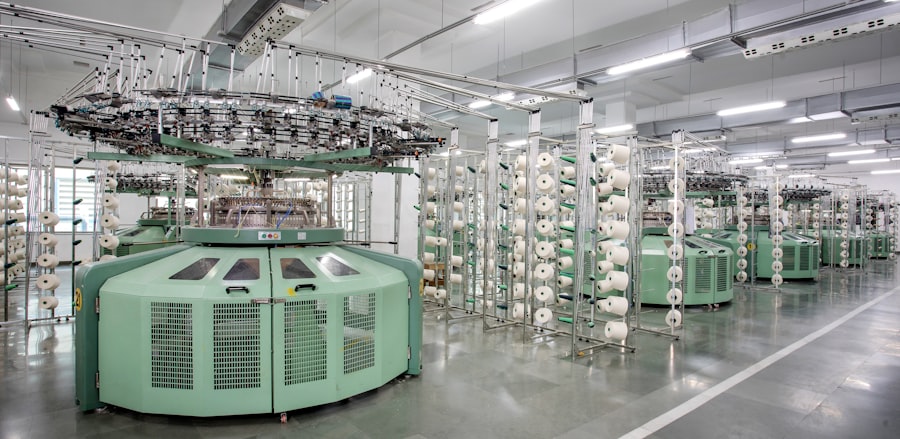
While China’s dominance in lithium processing brings economic benefits, it also raises significant environmental and social concerns. The extraction and processing of lithium can have detrimental effects on local ecosystems, including water depletion and soil degradation. In regions where lithium mining occurs, communities often face challenges related to land use and resource allocation, leading to tensions between local populations and mining companies.
These social implications highlight the need for responsible practices that prioritize environmental sustainability and community welfare. Furthermore, as global awareness of environmental issues grows, there is increasing scrutiny on the practices employed by Chinese companies in their lithium operations. International consumers are becoming more conscious of the ethical implications of their purchases, prompting calls for greater transparency and accountability within supply chains.
In response, some Chinese firms are beginning to adopt more sustainable practices, such as investing in water recycling technologies or engaging with local communities to address their concerns. However, achieving a balance between economic growth and environmental stewardship remains a complex challenge that requires ongoing attention.
Challenges and Opportunities for Other Countries in the Lithium Processing Market
As China continues to dominate the lithium processing market, other countries face both challenges and opportunities in this evolving landscape. One significant challenge is the need for substantial investment in infrastructure and technology to compete effectively with China’s established capabilities. Countries like Australia and Chile possess rich lithium resources but may struggle to develop processing facilities that can match China’s efficiency and cost-effectiveness.
However, this challenge also presents an opportunity for innovation and collaboration among nations seeking to diversify their lithium supply chains. By pooling resources and expertise, countries can develop alternative processing methods that prioritize sustainability while reducing reliance on Chinese imports. Additionally, as global demand for lithium continues to rise, there is potential for new entrants into the market who can offer unique value propositions—such as environmentally friendly extraction techniques or localized processing solutions—that appeal to conscious consumers.
China’s Influence on Lithium Battery Manufacturing
China’s dominance in lithium processing extends seamlessly into its influence over lithium battery manufacturing. As one of the largest producers of batteries globally, China plays a crucial role in shaping industry standards and driving technological advancements within this sector. The close relationship between lithium processing and battery production allows China to maintain control over critical components of the supply chain, ensuring that it remains a key player as demand for electric vehicles and renewable energy storage solutions grows.
Moreover, China’s investment in battery technology has led to significant advancements in performance and efficiency. Chinese companies are at the forefront of developing next-generation batteries that offer longer lifespans, faster charging times, and improved safety features. This innovation not only enhances the competitiveness of Chinese manufacturers but also sets benchmarks that other countries must strive to meet if they wish to compete effectively in the global market.
Potential Shifts in the Global Lithium Processing Market
The global lithium processing market is poised for potential shifts as various factors come into play. One significant driver of change is the increasing emphasis on sustainability within industries reliant on lithium-ion batteries. As consumers demand more environmentally friendly products, companies are exploring alternative sources of lithium that minimize ecological impacts.
This shift could lead to new players emerging in the market who prioritize sustainable practices over traditional methods.
As nations seek greater self-sufficiency in critical minerals, there may be a push towards developing domestic processing facilities or forming strategic alliances with other resource-rich countries.
Such shifts could disrupt China’s current dominance while fostering a more diversified global supply chain that mitigates risks associated with over-dependence on a single nation.
Strategies for Diversifying Lithium Processing Beyond China
To diversify lithium processing beyond China, countries must adopt strategic approaches that encompass investment, innovation, and collaboration. One effective strategy involves fostering public-private partnerships that encourage investment in local processing facilities while leveraging existing resources. By creating favorable regulatory environments and providing incentives for companies willing to invest in domestic operations, nations can stimulate growth within their own lithium industries.
Furthermore, international collaboration can play a pivotal role in diversifying supply chains. Countries rich in lithium resources can work together to share best practices and develop joint ventures focused on sustainable extraction and processing methods. By pooling expertise and resources, these nations can create competitive advantages that challenge China’s dominance while promoting responsible practices within the industry.
Implications for the Future of the Lithium Processing Market
In conclusion, China’s dominance in the lithium processing market presents both challenges and opportunities for stakeholders worldwide. As demand for lithium continues to rise amid the transition towards sustainable energy solutions, understanding China’s role becomes increasingly critical for navigating this complex landscape. While China’s established capabilities provide it with significant advantages, there is potential for diversification through innovation and collaboration among other nations.
The future of the lithium processing market will likely be shaped by ongoing developments related to sustainability, technological advancements, and geopolitical dynamics. As countries seek to reduce their reliance on Chinese imports while promoting responsible practices within their own industries, a more balanced global supply chain may emerge—one that prioritizes environmental stewardship alongside economic growth. Ultimately, how stakeholders respond to these challenges will determine the trajectory of the lithium processing market in the years ahead.
China’s dominance in the lithium processing market has significant implications for the global supply chain, particularly as demand for electric vehicles continues to rise. A related article that delves into the intricacies of this market and its geopolitical ramifications can be found at MyGeoQuest. This resource provides valuable insights into how China’s control over lithium resources is shaping the future of energy storage and electric mobility.
WATCH THIS! 🌍 “THE WATER IS GONE: Inside the Desert Killing the EV Revolution
FAQs
What is lithium processing?
Lithium processing refers to the extraction and refining of lithium from raw materials such as spodumene, lithium brine, or other lithium-containing minerals. The process involves several stages including mining, concentration, chemical treatment, and purification to produce lithium compounds used in batteries and other applications.
Why is China dominant in the lithium processing market?
China is dominant in the lithium processing market due to its significant investments in lithium refining infrastructure, access to raw materials through domestic mining and international partnerships, and a strong manufacturing base for lithium-ion batteries. The country has developed advanced processing technologies and controls a large share of the global lithium chemical production capacity.
What are the main sources of lithium used in processing?
The main sources of lithium used in processing are hard rock minerals like spodumene and lithium-rich brine deposits found in salt flats. China processes lithium from both domestic hard rock mines and imported raw materials, including spodumene concentrates from Australia and lithium brines from South America.
How does lithium processing impact the global battery market?
Lithium processing is critical to the global battery market because lithium compounds such as lithium carbonate and lithium hydroxide are essential raw materials for manufacturing lithium-ion batteries. China’s dominance in processing gives it significant influence over the supply chain and pricing of battery-grade lithium chemicals worldwide.
What challenges does China face in maintaining its lithium processing dominance?
Challenges include environmental regulations, the need for sustainable and efficient processing technologies, competition from other countries investing in lithium refining capacity, and geopolitical risks affecting raw material supply chains. Additionally, fluctuations in lithium demand and prices can impact the profitability of processing operations.
Are there any environmental concerns related to lithium processing in China?
Yes, lithium processing can have environmental impacts such as water consumption, chemical waste generation, and emissions. China has been working to improve environmental standards and implement cleaner technologies to reduce the ecological footprint of lithium refining activities.
How does China’s lithium processing capacity affect global lithium prices?
China’s large lithium processing capacity allows it to influence global supply levels of lithium chemicals, which can affect market prices. When China increases production, it can lead to lower prices, while capacity constraints or export restrictions may tighten supply and push prices higher.
What role do government policies play in China’s lithium processing industry?
Government policies in China support the lithium processing industry through subsidies, research and development funding, and strategic resource management. Policies aimed at promoting electric vehicles and renewable energy also drive demand for lithium, encouraging further investment in processing capacity.