
Access to clean water is a fundamental human right and essential for public health, particularly in rural communities. Rural areas frequently lack adequate infrastructure to supply reliable and safe drinking water, resulting in numerous health problems. Clean water is necessary for drinking, sanitation, agriculture, and livestock management—all critical for rural populations’ survival and economic wellbeing.
Without access to clean water, communities experience higher rates of waterborne diseases, malnutrition, and poverty, perpetuating a difficult cycle to reverse. The significance of clean water extends beyond immediate health concerns to encompass education and economic development. Children, particularly girls, frequently travel to distant water sources to collect water, which disrupts their education.
When communities have dependable access to clean water, they can dedicate more time to schooling and economic pursuits, creating a more productive and healthier society. Therefore, providing access to clean water addresses not only health needs but also serves as a foundation for sustainable development in rural regions.
Key Takeaways
- Access to clean water is crucial for health and development in rural communities.
- Tanker water delivery offers a practical solution to water scarcity in remote areas.
- Government and NGO collaboration is essential for effective tanker water delivery programs.
- Ensuring water quality and community involvement enhances the success of delivery initiatives.
- Sustainable practices and innovation are key to overcoming logistical challenges and improving future water access.
Challenges Faced by Rural Communities in Accessing Clean Water
Rural communities encounter numerous challenges in their quest for clean water. One of the most significant obstacles is the lack of infrastructure. Many rural areas are not connected to centralized water supply systems, making it difficult for residents to access safe drinking water.
The geographical isolation of these communities often exacerbates the problem, as they may be located far from urban centers where resources and services are more readily available. This isolation can lead to increased costs and logistical difficulties in obtaining clean water. In addition to infrastructural challenges, rural communities often face financial constraints that hinder their ability to invest in water purification technologies or infrastructure improvements.
Limited economic opportunities can result in insufficient funding for essential services, including water supply systems. Furthermore, climate change poses an additional threat, as changing weather patterns can lead to droughts or flooding, further complicating the availability of clean water. These challenges create a complex web of issues that rural communities must navigate to secure their most basic need: safe drinking water. Learn about the environmental impacts of lithium mining in this informative video.
Tanker Water Delivery as a Solution for Rural Communities
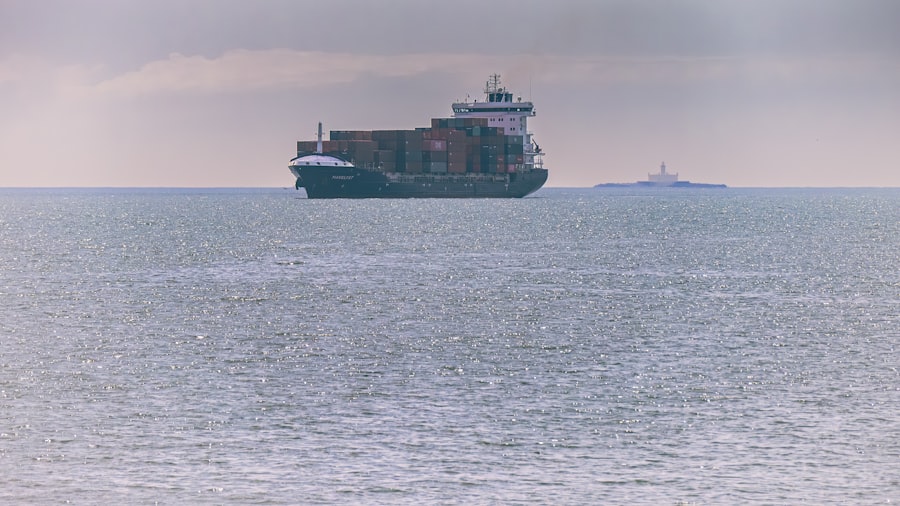
Tanker water delivery has emerged as a viable solution for rural communities struggling with access to clean water. This method involves transporting water from a reliable source directly to the communities in need, bypassing the limitations of existing infrastructure. Tanker delivery can be particularly effective in areas where traditional water supply systems are either non-existent or severely underdeveloped.
By providing immediate access to clean water, tanker delivery can significantly improve public health outcomes and enhance the quality of life for residents. Moreover, tanker water delivery can be tailored to meet the specific needs of different communities. For instance, delivery schedules can be adjusted based on demand, ensuring that residents receive adequate supplies during peak usage times.
Additionally, this method allows for flexibility in sourcing water from various locations, which can be particularly beneficial during periods of drought or contamination at local sources. As such, tanker water delivery represents a practical and adaptable approach to addressing the pressing issue of clean water access in rural areas.
The Role of Government and NGOs in Providing Tanker Water Delivery
The involvement of government agencies and non-governmental organizations (NGOs) is crucial in establishing effective tanker water delivery systems in rural communities. Governments can play a pivotal role by developing policies that support the implementation of such programs, including funding initiatives and regulatory frameworks that ensure safe and efficient operations. By collaborating with local authorities and community leaders, governments can better understand the unique challenges faced by rural populations and tailor their interventions accordingly.
NGOs often complement government efforts by providing on-the-ground support and expertise in implementing tanker water delivery systems. They can mobilize resources, conduct assessments to identify the most affected areas, and facilitate community engagement in the planning process. Additionally, NGOs can help raise awareness about the importance of clean water access and advocate for sustainable practices within communities.
Together, government agencies and NGOs can create a comprehensive approach that not only addresses immediate needs but also fosters long-term solutions for clean water access.
Advantages of Tanker Water Delivery for Rural Communities
| Metric | Description | Typical Value | Unit |
|---|---|---|---|
| Average Daily Water Delivery | Amount of water delivered per day to rural households | 500 – 2000 | Liters |
| Number of Households Served | Average number of households served per tanker trip | 20 – 50 | Households |
| Delivery Frequency | Number of tanker deliveries per week | 2 – 5 | Times per week |
| Distance to Water Source | Average distance traveled by tanker from source to community | 10 – 50 | Kilometers |
| Cost per Liter | Cost of water delivery per liter | 0.05 – 0.20 | Currency units |
| Water Quality Compliance | Percentage of deliveries meeting safety standards | 85 – 95 | Percent (%) |
| Average Delivery Time | Time taken to complete one delivery trip | 3 – 6 | Hours |
| Storage Capacity per Household | Average water storage capacity available at each household | 100 – 500 | Liters |
Tanker water delivery offers several advantages for rural communities facing challenges in accessing clean water. One of the primary benefits is its immediacy; tanker delivery can provide quick relief during emergencies or when traditional sources are compromised. This rapid response capability is essential in preventing outbreaks of waterborne diseases that can arise from contaminated sources or during natural disasters.
Additionally, tanker delivery systems can be designed to ensure that the water provided meets safety standards. By sourcing water from regulated facilities and employing proper transportation methods, communities can have greater confidence in the quality of the water they receive. This assurance is particularly important in rural areas where residents may have limited knowledge about water quality testing or treatment options.
Furthermore, tanker delivery can stimulate local economies by creating jobs related to transportation and distribution, thereby contributing to overall community development.
Implementing Sustainable Tanker Water Delivery Programs
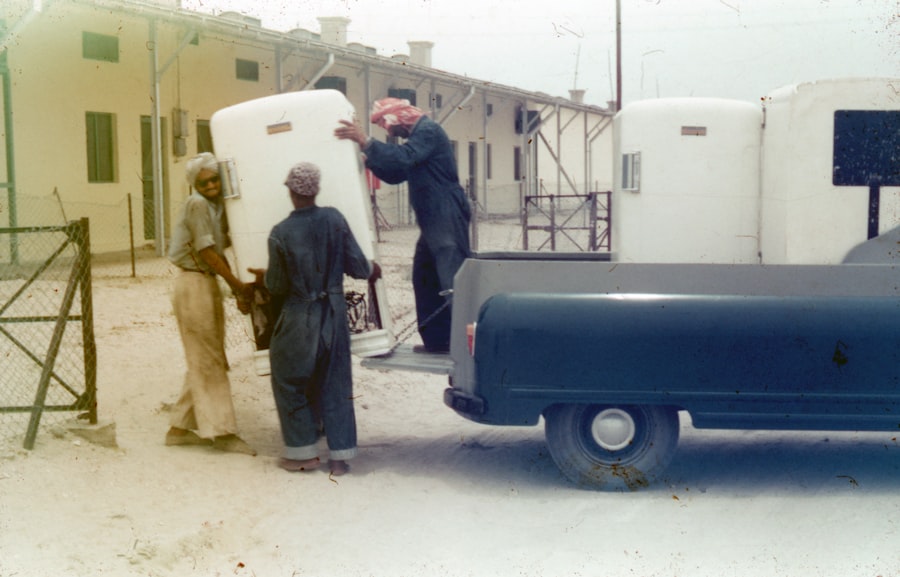
For tanker water delivery programs to be effective and sustainable, careful planning and implementation are essential. This involves conducting thorough assessments to identify the specific needs of each community and determining the most appropriate sources for clean water. Engaging with local stakeholders is crucial during this phase; their insights can help shape programs that are culturally sensitive and aligned with community priorities.
Sustainability also requires ongoing monitoring and evaluation to ensure that the programs remain effective over time. This includes tracking water quality, assessing community satisfaction with the service, and making necessary adjustments based on feedback. By fostering a sense of ownership among community members through participation in program design and implementation, tanker delivery initiatives can become more resilient and better integrated into the social fabric of rural areas.
Overcoming Infrastructure and Logistics Challenges in Tanker Water Delivery
Despite its advantages, tanker water delivery is not without its challenges, particularly concerning infrastructure and logistics. Rural roads may be poorly maintained or non-existent, complicating transportation efforts and increasing costs associated with delivery. To address these issues, it is essential to invest in improving road infrastructure where feasible or developing alternative routes that facilitate access to remote communities.
Logistical planning is also critical for ensuring timely deliveries. This includes establishing efficient scheduling systems that account for varying demand levels throughout the week or month. Utilizing technology such as GPS tracking can enhance route planning and optimize fuel usage, ultimately reducing operational costs.
By addressing these infrastructure and logistics challenges proactively, tanker water delivery programs can operate more effectively and reach those who need it most.
Ensuring Quality and Safety of Tanker Water Delivery
Ensuring the quality and safety of tanker-delivered water is paramount for protecting public health in rural communities. This necessitates strict adherence to safety protocols throughout the entire process—from sourcing and transporting to storing and distributing the water. Regular testing for contaminants should be conducted at various stages to guarantee that the delivered water meets established health standards.
Training personnel involved in tanker operations is also essential for maintaining high safety standards.
Community members should also be informed about how to store and use delivered water safely to minimize risks associated with improper handling or storage practices.
By prioritizing quality assurance measures, tanker water delivery programs can build trust within communities and ensure that residents receive safe drinking water consistently.
Community Involvement and Empowerment in Tanker Water Delivery Programs
Community involvement is a critical component of successful tanker water delivery programs. Engaging residents in the planning and implementation phases fosters a sense of ownership over the initiative, which can lead to greater commitment to maintaining the system long-term. Community members can provide valuable insights into local needs and preferences, ensuring that programs are tailored effectively.
Empowerment through education is another vital aspect of community involvement. By providing training on water management practices or hygiene education, residents can become advocates for their own health and well-being. This empowerment not only enhances the effectiveness of tanker delivery programs but also encourages community resilience as individuals take an active role in safeguarding their access to clean water.
Monitoring and Evaluation of Tanker Water Delivery Programs
Monitoring and evaluation are essential components of any successful tanker water delivery program. Establishing clear metrics for success allows stakeholders to assess the effectiveness of their initiatives continually. This may include tracking improvements in health outcomes related to clean water access or measuring community satisfaction with the service provided.
Regular evaluations also provide opportunities for learning and adaptation. By analyzing data collected from monitoring efforts, program managers can identify areas for improvement or potential challenges that may arise over time. Engaging community members in this process ensures that their voices are heard and that programs remain responsive to their evolving needs.
Future Opportunities and Innovations in Tanker Water Delivery for Rural Communities
The future of tanker water delivery holds significant promise as technology continues to advance and new solutions emerge. Innovations such as mobile applications could facilitate real-time tracking of tanker deliveries, allowing residents to receive updates on when they can expect their next supply of clean water. Additionally, integrating renewable energy sources into tanker operations could reduce costs while promoting sustainability.
Furthermore, partnerships between governments, NGOs, private sector entities, and local communities could lead to more comprehensive approaches that address not only immediate needs but also long-term sustainability goals. By leveraging collective resources and expertise, stakeholders can develop innovative solutions that enhance access to clean water while fostering economic development in rural areas. In conclusion, while challenges remain in ensuring access to clean water for rural communities, tanker water delivery presents a viable solution that can significantly improve public health outcomes and enhance quality of life.
Through collaboration among various stakeholders and a commitment to sustainability, these programs have the potential to transform how rural populations access one of their most essential resources: clean drinking water.
In many rural communities, access to clean water remains a significant challenge, often requiring innovative solutions such as tanker water delivery systems. A related article that explores the impact of these systems on rural water accessibility can be found at this link. This resource provides valuable insights into how tanker deliveries can improve water quality and availability for underserved populations.
WATCH THIS! 🌍 “THE WATER IS GONE: Inside the Desert Killing the EV Revolution
FAQs
What is tanker water delivery?
Tanker water delivery is a service that transports potable water using large tanker trucks to areas where direct access to clean water is limited or unavailable.
Why is tanker water delivery important for rural communities?
Many rural communities lack reliable infrastructure for clean water supply. Tanker water delivery provides an essential source of safe drinking water, helping to meet daily needs and improve public health.
How is the water quality ensured in tanker deliveries?
Water delivered by tankers is typically sourced from treated municipal supplies or certified clean water sources. Tankers are cleaned and sanitized regularly to prevent contamination during transport.
What are common challenges faced in tanker water delivery to rural areas?
Challenges include difficult terrain, long distances, limited road access, scheduling difficulties, and ensuring consistent water quality throughout the delivery process.
How often do rural communities receive tanker water deliveries?
The frequency varies depending on community size, water demand, and local infrastructure. Deliveries can range from daily to weekly or as needed during shortages.
Are there alternatives to tanker water delivery for rural communities?
Yes, alternatives include drilling wells, installing rainwater harvesting systems, building local water treatment plants, and developing piped water supply networks.
Who typically manages tanker water delivery services?
Services may be managed by local governments, private companies, non-governmental organizations, or community cooperatives depending on the region and available resources.
Is tanker water delivery a sustainable long-term solution?
While tanker delivery addresses immediate water needs, it is generally considered a temporary or supplementary solution. Sustainable long-term water access usually requires infrastructure development and resource management.
How can rural communities ensure fair access to tanker water deliveries?
Communities can establish transparent scheduling, equitable distribution policies, and community oversight to ensure all residents receive adequate water supply.
What safety measures are taken during tanker water delivery?
Safety measures include using clean and sealed tankers, proper handling and storage of water, driver training, and adherence to health and sanitation standards to prevent contamination.