
Brine evaporation is a natural process essential to various industrial applications, particularly salt and mineral production. The process concentrates brine—a high-salinity solution—by evaporating water and leaving behind solid salts and dissolved minerals. Beyond salt production, brine evaporation enables the extraction of valuable resources including lithium, potash, and magnesium.
As industries increasingly depend on this method for resource extraction, understanding its mechanisms is critical. Brine evaporation has been employed for centuries, with ancient civilizations using solar energy to evaporate seawater for salt production. Modern technological advances and increased mineral demand have resulted in more efficient evaporation techniques.
Despite its long history, brine evaporation remains a complex process affected by multiple environmental and operational variables. As industries work to optimize production while reducing costs and environmental impact, comprehensive knowledge of brine evaporation is essential.
Key Takeaways
- Brine evaporation is a critical process influencing production timelines and efficiency.
- Multiple factors, including temperature and salinity, affect the rate of brine evaporation.
- Delays caused by brine evaporation can significantly impact overall project schedules.
- Monitoring and managing brine evaporation through innovative technologies can mitigate negative effects.
- Environmental and economic considerations are essential when addressing brine evaporation challenges.
Understanding the Timeline of Brine Evaporation
The timeline of brine evaporation can vary significantly depending on several factors, including climate conditions, the concentration of the brine, and the specific method employed for evaporation. In solar evaporation ponds, for instance, the process can take several weeks to months, as water gradually evaporates under the sun’s heat. The initial stages often involve a rapid decrease in water levels, followed by a slower phase where the remaining water becomes increasingly concentrated with salts.
This timeline is critical for producers to understand, as it directly impacts their operational planning and resource allocation. In contrast, mechanical evaporation methods can expedite the process considerably. These techniques utilize heat exchangers and vacuum systems to accelerate water removal from brine solutions.
While this approach can significantly reduce the timeline for brine evaporation, it often requires substantial energy input and investment in technology. Therefore, producers must weigh the benefits of faster evaporation against the associated costs and energy consumption. Understanding these timelines allows companies to optimize their production schedules and manage resources effectively. Learn about the environmental impacts of lithium mining in this informative video.
Factors Contributing to Brine Evaporation
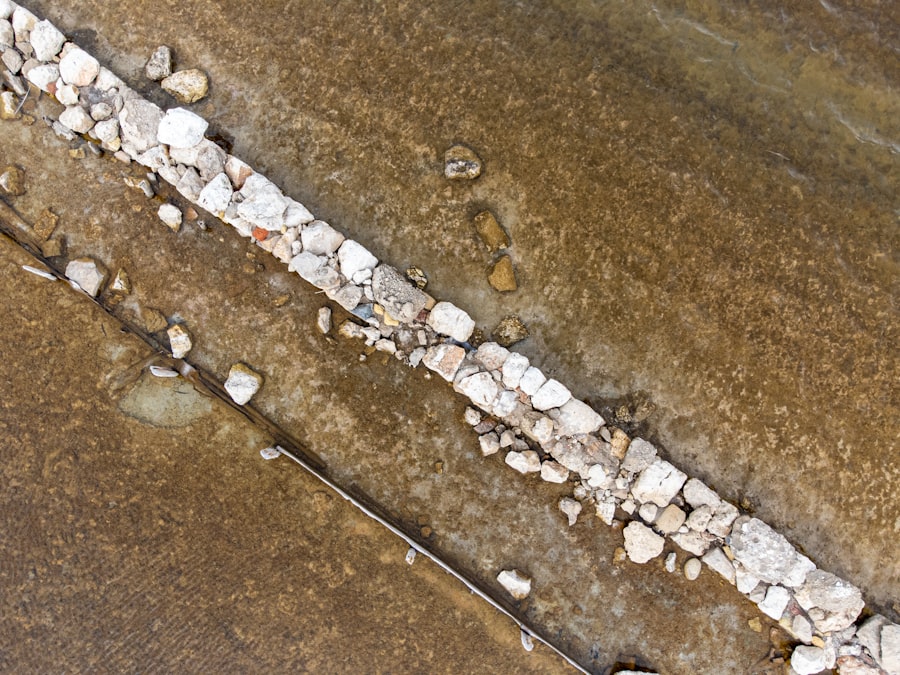
Several factors contribute to the efficiency and effectiveness of brine evaporation processes. One of the most significant is environmental conditions, particularly temperature and humidity. Higher temperatures generally enhance evaporation rates by increasing the kinetic energy of water molecules, allowing them to escape into the atmosphere more readily.
Conversely, high humidity can hinder evaporation by saturating the air with moisture, reducing the gradient necessary for water to evaporate. Thus, producers must carefully consider local climate conditions when designing and operating brine evaporation systems. Another critical factor is the salinity of the brine itself.
As brine becomes more concentrated with dissolved salts, its physical properties change, affecting evaporation rates. For instance, highly concentrated brine solutions may exhibit lower vapor pressures, which can slow down the evaporation process. Additionally, the presence of impurities or other dissolved minerals can alter the boiling point and freezing point of the solution, further complicating the evaporation dynamics.
Understanding these factors is essential for optimizing brine evaporation processes and ensuring efficient resource extraction.
Impact of Brine Evaporation on Production
The impact of brine evaporation on production is multifaceted, influencing both output levels and operational efficiency. For industries reliant on salt and mineral extraction, effective brine evaporation is crucial for meeting market demands. A well-optimized evaporation process can lead to higher yields of desired products while minimizing waste and resource consumption.
Conversely, inefficiencies in brine evaporation can result in lower production rates and increased operational costs, ultimately affecting a company’s bottom line. Moreover, the quality of the final product is closely tied to the effectiveness of the brine evaporation process. Inconsistent or incomplete evaporation can lead to impurities in the extracted minerals, which may necessitate additional processing steps or result in lower market value.
Therefore, producers must prioritize optimizing their brine evaporation methods to ensure high-quality outputs that meet industry standards. This focus on quality not only enhances profitability but also strengthens a company’s reputation in a competitive market.
Delays Caused by Brine Evaporation
| Stage | Duration (Days) | Expected Output (Liters) | Delay Impact (Days) | Notes |
|---|---|---|---|---|
| Initial Brine Collection | 3 | 10,000 | 0 | Collection from source wells |
| Pre-Evaporation Processing | 2 | 9,800 | 1 | Filtration and impurity removal |
| Evaporation Phase 1 | 7 | 7,000 | 3 | Initial concentration of brine |
| Evaporation Phase 2 | 5 | 4,000 | 2 | Final concentration and crystallization |
| Harvesting Crystals | 2 | 3,800 | 1 | Collection of salt crystals |
| Packaging & Storage | 3 | 3,800 | 0 | Preparation for shipment |
| Total | 22 | 3,800 | 7 | Overall production timeline and delay |
Delays in production due to brine evaporation can have significant repercussions for companies operating in this sector. These delays may arise from various factors, including unexpected weather conditions that hinder evaporation rates or equipment malfunctions that disrupt operations. Such setbacks can lead to missed deadlines and increased costs as companies scramble to adjust their production schedules and manage inventory levels.
Additionally, delays caused by inefficient brine evaporation processes can create a ripple effect throughout the supply chain. For instance, if a company cannot meet its production targets due to slow evaporation rates, it may struggle to fulfill orders from customers or maintain relationships with suppliers. This situation can ultimately harm a company’s reputation and market position.
Therefore, addressing potential delays in brine evaporation is essential for maintaining operational efficiency and ensuring long-term success in this competitive industry.
Importance of Monitoring Brine Evaporation

Monitoring brine evaporation is vital for optimizing production processes and ensuring resource efficiency. By closely tracking evaporation rates and environmental conditions, companies can make informed decisions about when to adjust their operations or implement changes to improve efficiency. This proactive approach allows producers to identify potential issues before they escalate into significant problems that could disrupt production.
Furthermore, monitoring enables companies to gather valuable data that can inform future strategies for brine evaporation management.
This data-driven approach not only improves current practices but also lays the groundwork for future innovations in brine evaporation technology.
Strategies for Managing Brine Evaporation
Effective management strategies for brine evaporation are essential for maximizing production efficiency and minimizing costs. One common approach involves optimizing pond design and layout to enhance sunlight exposure and airflow, which can significantly improve evaporation rates. By strategically positioning ponds to take advantage of prevailing winds and sunlight patterns, companies can create an environment conducive to rapid water removal.
Another strategy involves implementing advanced monitoring systems that provide real-time data on environmental conditions and brine concentrations. These systems can help operators make timely adjustments to their processes based on current conditions, ensuring optimal performance throughout the evaporation cycle. Additionally, investing in automation technologies can streamline operations and reduce labor costs while enhancing overall efficiency.
Technology and Innovation in Brine Evaporation
The field of brine evaporation has seen significant technological advancements in recent years, driven by the need for more efficient and sustainable practices. Innovations such as solar-powered evaporators and advanced heat exchangers have emerged as viable alternatives to traditional methods, offering improved energy efficiency and reduced environmental impact. These technologies not only enhance production rates but also align with global sustainability goals by minimizing resource consumption.
Moreover, research into new materials and coatings for evaporation surfaces has shown promise in improving efficiency by reducing fouling and scaling issues that often plague traditional systems. By leveraging these innovations, companies can optimize their brine evaporation processes while addressing challenges related to maintenance and operational costs. The ongoing evolution of technology in this field underscores the importance of staying abreast of developments that can enhance productivity and sustainability.
Environmental Considerations in Brine Evaporation
Environmental considerations play a crucial role in the management of brine evaporation processes. The extraction of minerals through this method can have significant ecological impacts if not conducted responsibly. For instance, improper management of brine disposal can lead to soil salinization and contamination of local water sources, posing risks to surrounding ecosystems and communities.
To mitigate these risks, companies must adopt environmentally sustainable practices that prioritize responsible resource management. This includes implementing measures to minimize water usage during evaporation processes and exploring options for recycling or reusing brine solutions whenever possible. By prioritizing environmental stewardship alongside production goals, companies can contribute positively to their communities while ensuring long-term viability in an increasingly eco-conscious market.
Economic Implications of Brine Evaporation
The economic implications of brine evaporation are significant for industries reliant on mineral extraction. Efficient brine evaporation processes can lead to reduced operational costs and increased profitability by maximizing yields while minimizing waste. Conversely, inefficiencies or delays in these processes can result in substantial financial losses due to increased labor costs or missed market opportunities.
Furthermore, fluctuations in global demand for minerals extracted through brine evaporation can impact pricing structures and profitability margins.
By investing in innovative technologies and sustainable practices, businesses can position themselves favorably within an evolving economic landscape.
Addressing Brine Evaporation Challenges
In conclusion, addressing the challenges associated with brine evaporation is essential for optimizing production processes and ensuring sustainable resource management. As industries continue to rely on this method for mineral extraction, understanding its complexities becomes increasingly important. By monitoring environmental conditions, implementing effective management strategies, and embracing technological innovations, companies can enhance their operational efficiency while minimizing environmental impact.
The future of brine evaporation lies in balancing economic viability with ecological responsibility. As global demand for minerals grows alongside increasing environmental awareness, companies must prioritize sustainable practices that align with both production goals and community well-being. By tackling the challenges posed by brine evaporation head-on, industries can pave the way for a more sustainable future while continuing to meet market demands effectively.
The recent delays in brine evaporation timelines have raised concerns in the industry, particularly regarding the impact on production schedules. For a deeper understanding of the factors contributing to these delays, you can read more in the article available on MyGeoQuest’s website. Check it out here: MyGeoQuest.
WATCH THIS! 🌍 “THE WATER IS GONE: Inside the Desert Killing the EV Revolution
FAQs
What is brine evaporation in industrial production?
Brine evaporation is a process used to extract salts and other minerals from saline water by evaporating the water content, typically using solar energy or mechanical means. This process is commonly employed in the production of salt, lithium, and other mineral compounds.
What factors can cause delays in the brine evaporation timeline?
Delays in the brine evaporation timeline can be caused by several factors including adverse weather conditions (such as excessive rainfall or low temperatures), equipment malfunctions, changes in brine composition, regulatory approvals, and operational inefficiencies.
How does weather impact the brine evaporation process?
Weather plays a critical role in brine evaporation, especially in solar evaporation ponds. Rainfall can dilute the brine, slowing evaporation rates, while low temperatures reduce evaporation speed. Conversely, high temperatures and low humidity accelerate evaporation.
What are the typical stages in the brine evaporation timeline?
The typical stages include brine extraction, concentration through evaporation ponds or mechanical evaporators, crystallization of minerals, harvesting of the crystals, and processing or refining of the extracted minerals.
How can production delays affect the overall project timeline?
Production delays in brine evaporation can extend the time required to reach target mineral concentrations, postpone harvesting schedules, increase operational costs, and potentially impact supply contracts and revenue projections.
What measures can be taken to mitigate production delays in brine evaporation?
Mitigation measures include optimizing pond design, using mechanical evaporation technologies, implementing weather forecasting and monitoring systems, maintaining equipment regularly, and adjusting operational parameters based on brine composition and environmental conditions.
Is brine evaporation a seasonal process?
In many regions, brine evaporation is seasonal due to reliance on solar energy and favorable weather conditions. Evaporation rates are typically higher in warmer, drier months and slower during wet or cold seasons.
How long does the brine evaporation process usually take?
The duration varies widely depending on climate, brine concentration, pond size, and technology used. It can range from several weeks to several months to achieve the desired mineral concentration for harvesting.
What industries rely on brine evaporation?
Industries such as salt production, lithium extraction for batteries, potash mining, and other mineral extraction sectors commonly use brine evaporation as part of their production processes.
Can technological advancements reduce brine evaporation delays?
Yes, advancements such as improved mechanical evaporators, automated monitoring systems, and enhanced pond designs can increase evaporation efficiency and reduce delays caused by environmental or operational factors.