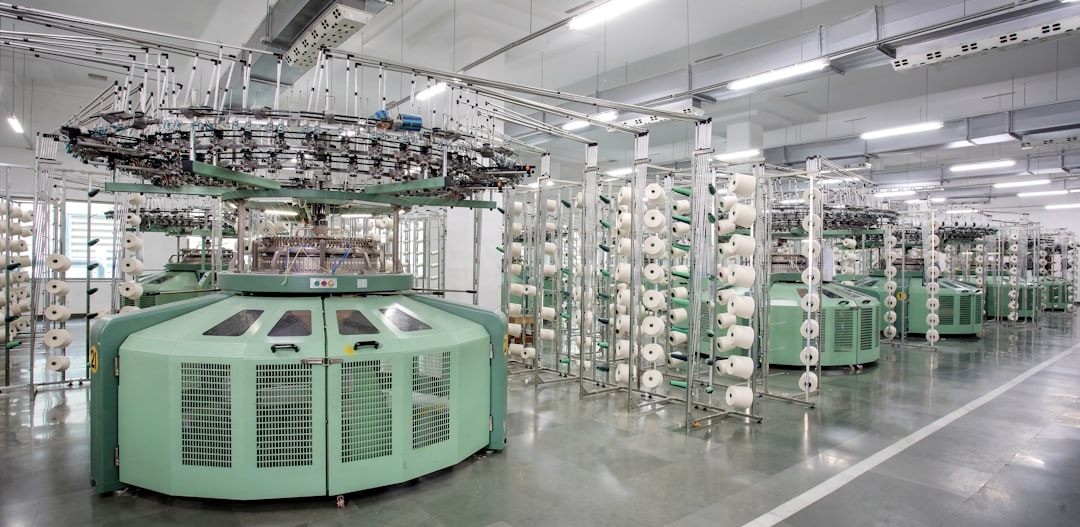
China has become the world’s leading lithium processor in recent years, controlling a significant share of global lithium processing capacity. Lithium is a critical material used in rechargeable batteries that power electric vehicles, smartphones, and consumer electronics.
China’s market position results from multiple factors, including access to raw materials, substantial capital investments, technological expertise, and an integrated supply chain that connects mining, processing, and battery manufacturing. China’s lithium processing capabilities support its broader strategy to develop advanced technology industries and achieve energy independence. The country has invested heavily in lithium extraction and refining infrastructure, particularly in regions with significant lithium deposits.
China’s dominance in lithium processing has important consequences for global supply chains, manufacturing costs, and international trade relationships. As demand for lithium continues to grow with the expansion of electric vehicle markets and energy storage systems worldwide, China’s processing capacity and export capabilities will significantly influence global battery production, technology development, and energy transition timelines across multiple industries.
Key Takeaways
- China has become the global leader in lithium processing, controlling a significant portion of the supply chain.
- The Chinese government actively supports the lithium processing industry through investments and policies.
- China’s dominance influences global lithium prices, impacting markets worldwide.
- Other countries face challenges competing with China due to its scale, investment, and infrastructure.
- Environmental and social concerns arise from China’s lithium processing activities, prompting calls for sustainable practices.
The Rise of China as a Global Leader in Lithium Processing
China’s ascent as a global leader in lithium processing can be traced back to its early investments in mining and refining technologies. The country possesses substantial lithium reserves, particularly in regions like Qinghai and Tibet, which have provided a solid foundation for its processing capabilities. However, it is not just the availability of resources that has propelled China to the forefront; it is also the government’s proactive policies aimed at fostering growth in this sector.
By offering incentives for domestic production and encouraging foreign investment, China has created an environment conducive to rapid expansion. Moreover, China’s focus on developing a comprehensive supply chain has been instrumental in its rise. The country has invested heavily in infrastructure, including transportation networks and processing facilities, which has enabled it to streamline operations and reduce costs.
This integrated approach allows Chinese companies to dominate not only in lithium extraction but also in refining and manufacturing battery components. As a result, China has positioned itself as a one-stop shop for lithium-related products, making it challenging for other nations to compete effectively. Learn about the environmental impacts of lithium mining in this informative video.
China’s Control Over Lithium Supply Chain

China’s control over the lithium supply chain is a multifaceted phenomenon that encompasses various stages of production, from mining to processing and distribution. The country has established a robust network of companies that specialize in different aspects of lithium production, allowing it to maintain a significant degree of control over the entire supply chain. This vertical integration not only enhances efficiency but also provides China with leverage over pricing and availability in the global market.
Furthermore, China’s dominance extends beyond its borders, as it has secured strategic partnerships with lithium-rich countries such as Australia and Argentina. By investing in mining operations abroad, Chinese companies have ensured a steady supply of raw materials while simultaneously gaining access to advanced technologies and expertise. This global reach further solidifies China’s position as a leader in lithium processing, making it increasingly difficult for other nations to break into the market or establish independent supply chains.
Impact of China’s Dominance on Global Lithium Prices
The implications of China’s dominance in the lithium processing market are profound, particularly concerning global lithium prices. As the leading producer and processor of lithium, China wields significant influence over pricing dynamics. When demand surges, as seen with the rise of electric vehicles, China’s ability to ramp up production can stabilize prices; conversely, any disruptions within its supply chain can lead to price volatility that reverberates across the globe.
Moreover, China’s pricing strategies often reflect its broader economic goals. By controlling prices, China can make its products more competitive on the international stage while simultaneously exerting pressure on rival producers. This dynamic creates challenges for countries attempting to establish their own lithium processing industries, as they must contend with fluctuating prices driven by China’s market maneuvers.
Consequently, nations reliant on imported lithium face uncertainty that can hinder their efforts to transition to greener technologies.
Chinese Government’s Role in Supporting Lithium Processing Industry
| Metric | Value | Notes |
|---|---|---|
| Global Lithium Processing Capacity | ~1.2 million metric tons (2023) | Estimated total global capacity |
| China’s Share of Global Lithium Processing | ~70% | Dominant market position in refining and processing |
| China’s Lithium Hydroxide Production | ~400,000 metric tons (2023) | Key processed product for battery manufacturing |
| China’s Lithium Carbonate Production | ~350,000 metric tons (2023) | Primary lithium compound for batteries |
| China’s Lithium Processing Companies | Top 5 control >60% of market | Includes Ganfeng Lithium, Tianqi Lithium |
| China’s Import Dependency on Lithium Ore | ~50% | Imports mainly from Australia, South America |
| China’s Investment in Lithium Processing (2022-2023) | Significant increase (~20% YoY) | Focus on expanding refining capacity and technology |
| Global Lithium Battery Production Share by China | ~80% | Driven by lithium processing dominance |
The Chinese government’s role in supporting the lithium processing industry cannot be overstated. Through a combination of policy initiatives, financial incentives, and strategic planning, the government has fostered an environment that encourages growth and innovation within this sector. For instance, subsidies for research and development have enabled companies to invest in cutting-edge technologies that enhance processing efficiency and reduce environmental impact.
Additionally, the government has implemented regulations that prioritize domestic production while simultaneously promoting international partnerships. By encouraging Chinese firms to acquire foreign mining assets and technology, the government has ensured that the country remains at the forefront of lithium processing advancements. This proactive approach not only strengthens China’s position in the global market but also aligns with its long-term goals of achieving energy independence and sustainability.
Challenges Faced by Other Countries in Competing with China in Lithium Processing
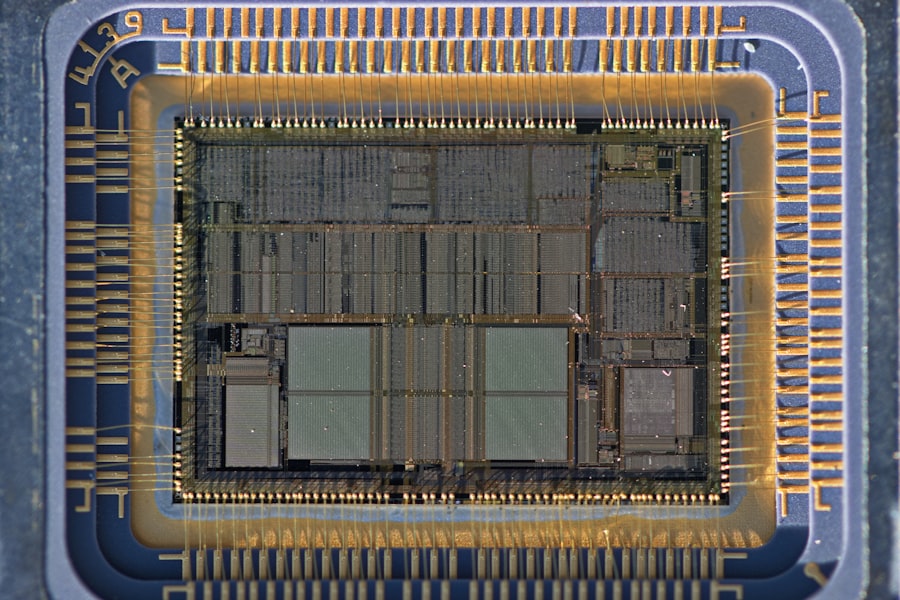
Countries seeking to compete with China in lithium processing face numerous challenges that stem from China’s established dominance and integrated supply chain. One significant hurdle is the scale of investment required to develop competitive processing facilities and infrastructure. Many nations lack the financial resources or political will to make such substantial investments, which can deter potential entrants into the market.
Moreover, technological expertise plays a crucial role in lithium processing efficiency. Chinese companies have invested heavily in research and development, resulting in advanced techniques that enhance productivity and reduce costs. Other countries may struggle to keep pace with these innovations due to limited access to funding or skilled labor.
As a result, they may find themselves at a disadvantage when attempting to establish their own lithium processing capabilities.
Environmental and Social Implications of China’s Dominance in Lithium Processing
While China’s dominance in lithium processing has economic benefits, it also raises significant environmental and social concerns. The extraction and processing of lithium can have detrimental effects on local ecosystems, particularly in regions where water resources are scarce. In some cases, mining operations have led to water shortages for local communities, sparking protests and social unrest.
Additionally, there are concerns about labor practices within China’s lithium industry. Reports of poor working conditions and inadequate safety measures have surfaced, highlighting the need for greater oversight and regulation. As global demand for lithium continues to rise, addressing these environmental and social implications will be crucial for ensuring sustainable practices within the industry.
China’s Investment in Research and Development for Lithium Processing
China’s commitment to research and development (R&D) in lithium processing is a key factor driving its dominance in the market. The government has recognized that innovation is essential for maintaining competitive advantages and addressing environmental challenges associated with lithium extraction and processing. As such, substantial funding has been allocated to R&D initiatives aimed at improving extraction techniques, refining processes, and developing new battery technologies.
Chinese companies are also collaborating with academic institutions and research organizations to advance their understanding of lithium chemistry and processing methods.
By prioritizing R&D investments, China is not only solidifying its position as a leader in lithium processing but also paving the way for future advancements that could reshape the industry.
Strategies for Other Countries to Reduce Dependence on China for Lithium Processing
To mitigate dependence on China for lithium processing, other countries must adopt strategic approaches that focus on developing their own capabilities while fostering international collaboration. One potential strategy involves investing in domestic mining operations to secure local sources of lithium. By establishing robust supply chains within their borders, countries can reduce reliance on imports from China.
Additionally, fostering partnerships with other nations rich in lithium resources can create alternative supply chains that bypass Chinese dominance. Collaborative efforts focused on technology sharing and joint ventures can enhance processing capabilities while promoting sustainable practices. Furthermore, governments can incentivize research and development initiatives aimed at improving extraction methods or developing alternative materials for battery production.
Potential Shifts in the Global Lithium Processing Market
As global demand for lithium continues to grow, potential shifts in the market may alter the current landscape dominated by China. Emerging players from countries such as Australia, Canada, and Chile are beginning to invest heavily in their own lithium processing capabilities. These nations possess significant reserves and are increasingly recognizing the strategic importance of developing independent supply chains.
Moreover, advancements in battery technology may lead to changes in demand dynamics within the industry. As researchers explore alternative materials or recycling methods that reduce reliance on newly mined lithium, the market could experience shifts that challenge China’s current dominance. The interplay between technological innovation and geopolitical factors will likely shape the future of the global lithium processing market.
Implications of China’s Dominance for the Future of Lithium Processing Industry
China’s dominance in the lithium processing market presents both opportunities and challenges for the global economy. While it has positioned itself as a leader in this critical sector through strategic investments and technological advancements, concerns regarding environmental sustainability and social equity remain paramount. As other countries seek to reduce their dependence on China for lithium processing, they must navigate complex geopolitical landscapes while fostering innovation within their own industries.
The future of the lithium processing industry will likely be characterized by increased competition as emerging players strive to carve out their own niches within the market. Additionally, ongoing advancements in battery technology may reshape demand dynamics, prompting shifts that could challenge China’s current supremacy. Ultimately, understanding these trends will be essential for stakeholders across industries as they adapt to an evolving landscape driven by sustainability goals and technological progress.
China’s dominance in the lithium processing market has significant implications for the global supply chain, particularly as demand for electric vehicles and renewable energy storage continues to rise. A related article that delves into the intricacies of this market and its geopolitical ramifications can be found at MyGeoQuest. This resource provides valuable insights into how China’s control over lithium resources is shaping the future of energy technologies worldwide.
WATCH THIS! 🌍 “THE WATER IS GONE: Inside the Desert Killing the EV Revolution
FAQs
What is lithium processing?
Lithium processing refers to the extraction and refining of lithium from raw materials such as spodumene, lithium brine, or other lithium-containing minerals. The process involves several steps including mining, concentration, chemical treatment, and purification to produce lithium compounds used in batteries and other applications.
Why is China dominant in the lithium processing market?
China is dominant in the lithium processing market due to its significant investments in lithium refining infrastructure, access to raw materials through domestic mining and international partnerships, and a strong manufacturing base for lithium-ion batteries. The country has developed advanced processing technologies and controls a large share of the global lithium chemical production capacity.
What are the main sources of lithium used in processing?
The main sources of lithium used in processing are hard rock minerals like spodumene and lithium-rich brine deposits found in salt flats. China processes lithium from both domestic hard rock mines and imported raw materials, including spodumene concentrates from Australia and lithium brine from South America.
How does lithium processing impact the global battery market?
Lithium processing is critical to the global battery market because lithium compounds such as lithium carbonate and lithium hydroxide are essential raw materials for manufacturing lithium-ion batteries. China’s dominance in processing gives it significant influence over the supply chain and pricing of battery-grade lithium chemicals worldwide.
What challenges does China face in maintaining its lithium processing dominance?
Challenges include environmental regulations, the need for sustainable and efficient processing technologies, competition from other countries investing in lithium refining capacity, and geopolitical risks affecting raw material supply chains. Additionally, fluctuations in lithium demand and prices can impact the profitability of processing operations.
Are there any environmental concerns related to lithium processing in China?
Yes, lithium processing can have environmental impacts such as water consumption, chemical waste generation, and emissions from mining and refining activities. China has been working to implement stricter environmental standards and promote cleaner technologies to mitigate these concerns.
How does China’s lithium processing capacity affect global lithium prices?
China’s large lithium processing capacity allows it to influence global supply levels of lithium chemicals, which can affect market prices. When China increases production, it can lead to lower prices, while capacity constraints or export restrictions may tighten supply and push prices higher.
What role do government policies play in China’s lithium processing industry?
Government policies in China support the lithium processing industry through subsidies, investment incentives, and strategic resource management. Policies aimed at securing supply chains for critical materials and promoting electric vehicle adoption also drive demand for lithium processing and refining activities.