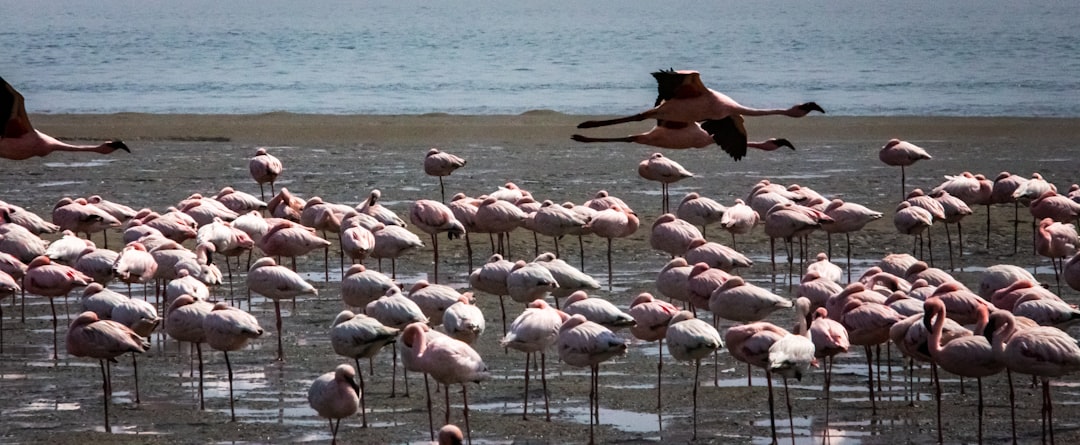
Flamingos are large wading birds known for their distinctive pink feathers and long, slender legs. In recent decades, flamingo populations have declined significantly in many regions worldwide. This population reduction indicates a loss of biodiversity and reflects broader environmental degradation.
Flamingos are sensitive indicators of ecosystem health, as their survival depends on maintaining balanced environmental conditions. Addressing the causes of population decline is essential for effective conservation strategies. Flamingo population decline results from multiple interconnected factors, including environmental changes, habitat destruction, and human activities.
Flamingos require specific habitats for breeding and feeding, and any environmental disruption negatively affects their survival. A critical factor in flamingo population sustainability is water availability. Flamingos depend on wetland environments, salt lakes, and lagoons for feeding and reproduction.
Insufficient water sources directly reduce breeding success and increase mortality rates among flamingo populations.
Key Takeaways
- Flamingo populations are declining primarily due to water scarcity affecting their habitats.
- Water is crucial for flamingos’ feeding, breeding, and survival.
- Climate change and human activities contribute significantly to water shortages.
- Conservation efforts require collaboration between governments and organizations for sustainable water management.
- Implementing targeted solutions can help reverse the decline and protect flamingo populations.
The Importance of Water for Flamingos
Water is the lifeblood of flamingo habitats, playing a crucial role in their survival and reproduction. These birds are often found in shallow lakes, lagoons, and estuaries where they can feed on algae, crustaceans, and other small organisms that thrive in saline or brackish waters. The unique feeding behavior of flamingos, which involves filtering water through their specialized beaks, highlights their dependence on specific aquatic environments.
Without access to clean and abundant water sources, flamingos cannot find the food necessary for their sustenance, leading to malnutrition and weakened populations. Moreover, water bodies serve as breeding grounds for flamingos. During the breeding season, they gather in large colonies to nest in areas with stable water levels.
The availability of suitable nesting sites is directly linked to water levels; if these levels fluctuate dramatically due to drought or human intervention, it can result in failed breeding attempts. Consequently, the health of flamingo populations is intricately tied to the quality and quantity of water in their habitats, making water conservation efforts essential for their survival. Learn about the environmental impacts of lithium mining in this informative video.
Factors Contributing to Water Scarcity
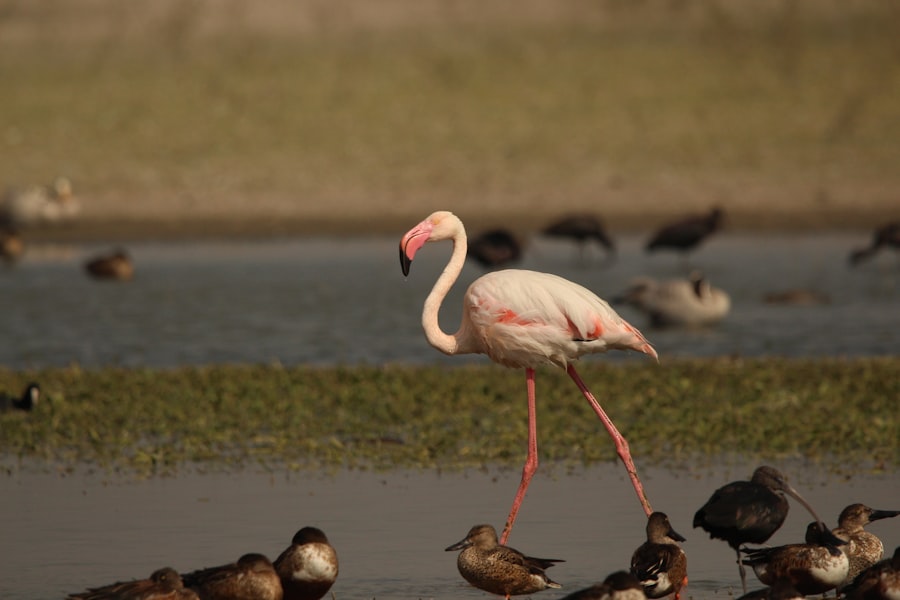
The issue of water scarcity affecting flamingo habitats is complex and influenced by various factors. One significant contributor is climate change, which has led to altered precipitation patterns and increased evaporation rates in many regions. As temperatures rise, water bodies may shrink or dry up entirely, leaving flamingos without the necessary resources for feeding and breeding.
Additionally, climate change can exacerbate extreme weather events such as droughts and floods, further destabilizing the delicate ecosystems that flamingos depend on. Human activities also play a pivotal role in exacerbating water scarcity. Urbanization, agriculture, and industrial development often lead to the diversion of water sources for human use.
This not only reduces the available habitat for flamingos but also compromises the quality of the water that remains. The cumulative impact of these factors creates a precarious situation for flamingos, pushing them closer to the brink of extinction.
Impact of Water Scarcity on Flamingo Habitats
The consequences of water scarcity on flamingo habitats are profound and far-reaching. As water levels decline, the salinity of remaining water bodies can increase, making them inhospitable for many of the organisms that flamingos rely on for food. This shift in salinity can lead to a decline in food availability, forcing flamingos to travel greater distances in search of sustenance.
Such increased mobility can result in higher energy expenditure and stress on the birds, ultimately affecting their health and reproductive success. Furthermore, the loss of suitable nesting sites due to fluctuating water levels can lead to decreased breeding success among flamingo populations. When water bodies dry up or become too saline, flamingos may abandon their nests or fail to reproduce altogether.
This decline in reproductive rates can have cascading effects on population dynamics, leading to a downward spiral that is difficult to reverse. The impact of water scarcity extends beyond individual species; it disrupts entire ecosystems and threatens the biodiversity that relies on these habitats.
Case Studies of Flamingo Population Decline
| Metric | Value | Unit | Notes |
|---|---|---|---|
| Flamingo Population Decline Rate | 15 | % per year | Average decline in key habitats over the last decade |
| Water Scarcity Index in Flamingo Habitats | 0.75 | Index (0-1) | Higher values indicate severe water scarcity |
| Average Annual Rainfall Reduction | 20 | % | Decrease in rainfall affecting wetland areas |
| Wetland Area Loss | 30 | % | Loss of wetland habitat due to drought and human activity |
| Number of Flamingo Breeding Sites Affected | 12 | Sites | Sites impacted by water scarcity in the last 5 years |
| Average Water Level Drop in Lakes | 1.2 | meters | Reduction in water depth critical for flamingo feeding |
Several case studies illustrate the alarming trend of flamingo population decline across different regions. In East Africa’s Lake Nakuru National Park, for instance, a significant reduction in flamingo numbers has been observed over the past few decades. This decline has been attributed to changes in water levels caused by climate variability and human encroachment on natural habitats.
As the lake’s salinity increased due to reduced inflow from rivers and increased evaporation, food sources diminished, leading to a drastic drop in flamingo populations. Similarly, in South America’s Salar de Uyuni, once a thriving habitat for flamingos, water scarcity has led to a notable decrease in their numbers. The salt flats have experienced significant changes due to climate change and increased mining activities that divert water from natural sources.
As a result, flamingos have struggled to find suitable breeding grounds and food sources, leading to a concerning decline in their population. These case studies underscore the urgent need for targeted conservation efforts that address both environmental changes and human impacts on flamingo habitats.
Efforts to Address Water Scarcity for Flamingos
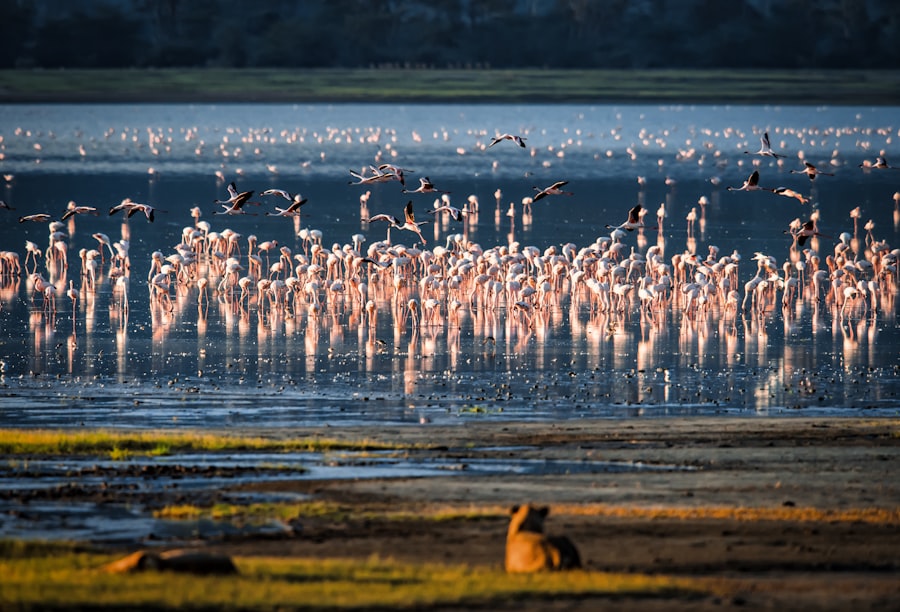
In response to the alarming decline in flamingo populations due to water scarcity, various conservation organizations and governments have initiated efforts aimed at protecting these iconic birds and their habitats. One approach involves restoring wetlands and other critical habitats that provide essential resources for flamingos. By re-establishing natural water flow patterns and improving water quality, these initiatives aim to create more sustainable environments where flamingos can thrive.
Additionally, education and awareness campaigns play a vital role in conservation efforts. By engaging local communities and stakeholders in discussions about the importance of preserving water resources for wildlife, organizations can foster a sense of stewardship towards these ecosystems. Collaborative efforts between conservationists and local populations can lead to innovative solutions that balance human needs with environmental protection.
The Role of Climate Change in Flamingo Population Decline
Climate change is an overarching factor that exacerbates many of the challenges facing flamingo populations today. Rising global temperatures contribute to altered weather patterns that affect precipitation rates and evaporation levels across various regions. As climate change continues to intensify, its impact on water availability becomes increasingly pronounced, creating a precarious situation for species like flamingos that depend on stable aquatic environments.
Moreover, climate change can lead to habitat fragmentation as rising sea levels threaten coastal areas where many flamingo species breed. The loss of these critical habitats not only reduces available nesting sites but also increases competition for resources among remaining populations. As climate change continues to reshape ecosystems worldwide, it is imperative that conservation strategies incorporate adaptive measures that account for these ongoing changes.
Collaboration between Conservation Organizations and Governments
Addressing the challenges posed by water scarcity and its impact on flamingo populations requires collaboration between conservation organizations and governmental bodies. Effective policy-making is essential for implementing sustainable water management practices that prioritize both human needs and wildlife conservation. By working together, these entities can develop comprehensive strategies that address the root causes of water scarcity while ensuring the protection of critical habitats.
International cooperation is also crucial in addressing transboundary issues related to water management. Many flamingo populations migrate across borders in search of suitable habitats; therefore, collaborative efforts between countries are necessary to ensure their protection throughout their migratory routes. By sharing knowledge, resources, and best practices, governments and conservation organizations can create a unified front against the threats facing flamingos.
The Need for Sustainable Water Management
Sustainable water management practices are essential for reversing the trend of flamingo population decline caused by water scarcity. This involves implementing policies that prioritize the conservation of natural water sources while balancing agricultural and industrial demands. Strategies such as rainwater harvesting, efficient irrigation techniques, and pollution control measures can significantly improve water availability for both humans and wildlife.
Furthermore, protecting existing wetlands and restoring degraded ecosystems should be at the forefront of sustainable management efforts. Wetlands act as natural buffers against flooding and drought while providing critical habitats for numerous species, including flamingos. By investing in wetland conservation and restoration projects, communities can enhance biodiversity while securing vital resources for future generations.
Potential Solutions to Reverse Flamingo Population Decline
To effectively reverse the decline in flamingo populations due to water scarcity, a multifaceted approach is necessary. One potential solution involves enhancing habitat connectivity by creating wildlife corridors that allow flamingos to access different feeding and breeding sites more easily. This would enable them to adapt more effectively to changing environmental conditions while reducing competition for limited resources.
Additionally, promoting ecotourism initiatives centered around flamingo habitats can provide economic incentives for local communities to engage in conservation efforts actively. By showcasing the beauty and ecological importance of these birds, communities may be more inclined to protect their habitats rather than exploit them for short-term gains. Such initiatives not only benefit wildlife but also foster a sense of pride among local populations regarding their natural heritage.
Conclusion and Call to Action for Flamingo Conservation
The decline in flamingo populations serves as a stark reminder of the interconnectedness between humans and nature. As these magnificent birds face increasing threats from water scarcity and habitat loss, it becomes imperative for individuals, communities, governments, and organizations to take action.
A collective commitment to conservation is essential not only for protecting flamingos but also for preserving the rich biodiversity that sustains our planet’s ecosystems. Each person has a role to play—whether through advocacy, education, or responsible consumption choices—towards ensuring a future where flamingos continue to grace our wetlands with their beauty and grace. The time for action is now; together we can make a difference in safeguarding these iconic birds for generations to come.
The decline in flamingo populations is closely linked to water scarcity, which affects their breeding and feeding habitats. A related article that delves deeper into this issue can be found at this link. It discusses the various environmental factors contributing to the diminishing water sources that are crucial for sustaining healthy flamingo populations.
WATCH THIS! 🌍 “THE WATER IS GONE: Inside the Desert Killing the EV Revolution
FAQs
What is causing the decline in flamingo populations?
The decline in flamingo populations is primarily caused by water scarcity, which affects their breeding and feeding habitats. Reduced water levels in lakes and wetlands limit the availability of food sources such as algae and small invertebrates.
How does water scarcity impact flamingo habitats?
Water scarcity leads to the drying up of wetlands and salt lakes where flamingos live and breed. This habitat loss reduces nesting sites and food availability, making it difficult for flamingos to survive and reproduce.
Are flamingos able to adapt to changing water conditions?
Flamingos can sometimes relocate to other suitable habitats if their current environment becomes unsuitable. However, widespread water scarcity and habitat degradation limit their options, leading to population declines.
What regions are most affected by flamingo population decline due to water scarcity?
Regions such as parts of Africa, South America, and Asia where flamingos breed in saline or alkaline lakes are most affected. These areas are experiencing increased droughts and water diversion for agriculture and human use.
What conservation efforts are in place to protect flamingos from water scarcity?
Conservation efforts include protecting and restoring wetland habitats, regulating water use to maintain lake levels, and monitoring flamingo populations. Some organizations also work on creating artificial wetlands to provide alternative habitats.
How does climate change relate to water scarcity and flamingo populations?
Climate change contributes to altered rainfall patterns and increased drought frequency, exacerbating water scarcity. This intensifies habitat loss for flamingos, further threatening their populations.
Can human activities be modified to help prevent flamingo population decline?
Yes, sustainable water management, reducing pollution, and protecting wetland areas can help maintain flamingo habitats. Limiting water extraction and promoting habitat conservation are key strategies.
Why are flamingos important to their ecosystems?
Flamingos play a role in maintaining the health of wetland ecosystems by feeding on algae and small organisms, which helps control these populations. They also contribute to nutrient cycling and serve as indicators of wetland health.