
The supply chain for acid-base chemicals is essential across pharmaceuticals, agriculture, and manufacturing sectors. Reliable delivery of these chemicals in appropriate quantities maintains production schedules and fulfills customer requirements. An efficient supply chain directly influences operational performance, cost control, and business outcomes.
When supply chains function effectively, organizations can adapt to market fluctuations, allocate resources efficiently, and strengthen their competitive position. Acid-base chemicals require specific handling and transportation procedures due to their corrosive and reactive characteristics. An effective supply chain ensures timely delivery while maintaining safety standards throughout distribution.
This is particularly critical in industries subject to regulatory requirements. A dependable supply chain reduces risks from delays or improper handling, protecting company reputation and ensuring customer satisfaction.
Key Takeaways
- Smooth supply chain management is critical for the safe and efficient handling of acid-base chemicals.
- Establishing reliable suppliers and effective inventory management helps prevent disruptions and shortages.
- Leveraging technology enhances supply chain visibility and streamlines processes.
- Quality control, compliance, and contingency planning are essential to mitigate risks in the supply chain.
- Continuous communication, collaboration, and training improve overall supply chain performance and resilience.
Identifying Key Challenges in Supply Chain Management for Acid-Base Chemicals
Managing the supply chain for acid-base chemicals presents a unique set of challenges that require careful consideration and strategic planning. One of the primary challenges is the volatility of raw material prices, which can fluctuate due to market demand, geopolitical factors, or natural disasters. Such unpredictability can lead to increased costs and affect the overall profitability of businesses relying on these chemicals.
Companies must develop strategies to navigate these fluctuations, such as establishing long-term contracts with suppliers or diversifying their sourcing options. Another significant challenge is the regulatory landscape surrounding the production and transportation of acid-base chemicals. Compliance with local, national, and international regulations can be complex and time-consuming.
Companies must stay informed about changes in legislation and ensure that their supply chain practices align with these requirements. Failure to comply can result in hefty fines, legal repercussions, and damage to a company’s reputation. Therefore, organizations must invest in compliance training and maintain open lines of communication with regulatory bodies to stay ahead of potential challenges. Learn about the environmental impacts of lithium mining in this informative video.
Establishing Reliable Suppliers for Acid-Base Chemicals

The foundation of a successful supply chain for acid-base chemicals lies in establishing reliable suppliers. Identifying suppliers who not only provide high-quality products but also adhere to safety and regulatory standards is essential. Companies should conduct thorough assessments of potential suppliers, evaluating their production capabilities, quality control measures, and track record in the industry.
Building strong relationships with suppliers can lead to better pricing, priority access during shortages, and improved collaboration on product development. Furthermore, fostering long-term partnerships with suppliers can enhance supply chain resilience. By working closely with suppliers, companies can gain insights into market trends and potential disruptions.
This collaborative approach allows for proactive problem-solving and innovation in sourcing strategies. Additionally, companies should consider diversifying their supplier base to reduce dependency on a single source, thereby minimizing risks associated with supply chain disruptions.
Implementing Effective Inventory Management for Acid-Base Chemicals
Effective inventory management is crucial for maintaining a smooth supply chain for acid-base chemicals. Companies must strike a balance between having enough inventory to meet demand while avoiding excess stock that can lead to increased holding costs or spoilage. Implementing just-in-time (JIT) inventory practices can help organizations optimize their stock levels by aligning inventory with production schedules and customer orders.
Moreover, utilizing advanced inventory management systems can provide real-time visibility into stock levels, enabling companies to make informed decisions about reordering and production planning. These systems can also facilitate better forecasting by analyzing historical data and market trends. By leveraging technology in inventory management, companies can enhance their responsiveness to market fluctuations and improve overall supply chain efficiency.
Utilizing Technology for Streamlining Supply Chain Processes
| Metric | Description | Typical Values | Unit | Notes |
|---|---|---|---|---|
| Lead Time | Time from order placement to delivery | 7-21 | Days | Varies by supplier and location |
| Purity Level | Concentration of active acid/base chemical | 95-99.9 | % | Higher purity required for analytical use |
| Storage Temperature | Recommended temperature for chemical storage | 15-25 | °C | Prevents degradation and hazards |
| Packaging Size | Common container sizes for shipment | 1, 5, 25, 200 | Liters | Depends on customer requirements |
| Safety Classification | Hazard class according to regulations | Class 8 | UN Hazard Class | Corrosive substances |
| Supply Reliability | Percentage of on-time deliveries | 90-98 | % | Critical for continuous production |
| Inventory Turnover | Number of times inventory is replaced annually | 4-12 | Times/Year | Depends on demand and storage capacity |
In today’s digital age, technology plays a vital role in streamlining supply chain processes for acid-base chemicals. Automation tools can significantly reduce manual tasks, allowing employees to focus on more strategic initiatives. For instance, automated order processing systems can enhance order accuracy and speed up fulfillment times.
Additionally, technologies such as blockchain can improve transparency in the supply chain by providing an immutable record of transactions, which is particularly important for tracking hazardous materials. Furthermore, data analytics can offer valuable insights into supply chain performance. By analyzing data from various sources, companies can identify bottlenecks, assess supplier performance, and optimize logistics operations.
Predictive analytics can also help organizations anticipate demand fluctuations and adjust their supply chain strategies accordingly. Embracing technology not only enhances operational efficiency but also positions companies to adapt to changing market dynamics.
Ensuring Quality Control and Compliance in the Supply Chain
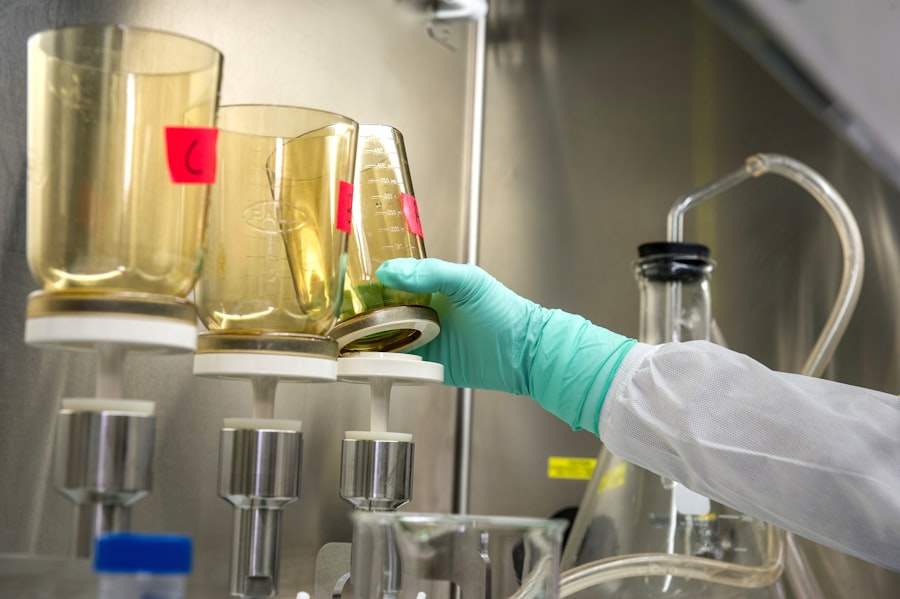
Quality control is paramount in the supply chain for acid-base chemicals due to the potential hazards associated with these substances. Companies must implement rigorous quality assurance protocols at every stage of the supply chain, from sourcing raw materials to final delivery. Regular audits of suppliers and internal processes can help identify areas for improvement and ensure compliance with industry standards.
In addition to quality control measures, organizations must prioritize compliance with environmental regulations governing the handling and disposal of acid-base chemicals. This includes adhering to guidelines set forth by agencies such as the Environmental Protection Agency (EPA) or equivalent bodies in other countries. By fostering a culture of compliance within the organization and among suppliers, companies can mitigate risks associated with regulatory violations and enhance their reputation as responsible industry players.
Developing Contingency Plans for Supply Chain Disruptions
Supply chain disruptions are an inevitable reality in today’s interconnected world. Natural disasters, geopolitical tensions, or unexpected supplier failures can all impact the flow of acid-base chemicals. To mitigate these risks, companies must develop comprehensive contingency plans that outline specific actions to take in response to various scenarios.
This proactive approach enables organizations to respond swiftly to disruptions while minimizing downtime and financial losses. Contingency plans should include alternative sourcing strategies, emergency communication protocols, and predefined roles for team members during a crisis. Regularly testing these plans through simulations or drills can help ensure that employees are prepared to execute them effectively when needed.
By prioritizing contingency planning, companies can enhance their resilience against unforeseen challenges and maintain continuity in their operations.
Collaborating with Logistics Partners for Efficient Transportation of Acid-Base Chemicals
Transportation is a critical component of the supply chain for acid-base chemicals, given the need for specialized handling and safety measures during transit. Collaborating with logistics partners who have expertise in transporting hazardous materials is essential for ensuring compliance with regulations and maintaining product integrity. These partners can provide valuable insights into best practices for packaging, labeling, and transporting acid-base chemicals safely.
Additionally, establishing strong relationships with logistics providers can lead to improved service levels and cost efficiencies. Companies should engage in regular communication with their logistics partners to discuss performance metrics, address any issues promptly, and explore opportunities for optimization. By working collaboratively with logistics partners, organizations can enhance their transportation processes and ensure timely delivery of acid-base chemicals to customers.
Improving Communication and Collaboration with Stakeholders in the Supply Chain
Effective communication is vital for fostering collaboration among stakeholders in the supply chain for acid-base chemicals. Companies should prioritize open lines of communication with suppliers, logistics partners, regulatory bodies, and internal teams to ensure that everyone is aligned on goals and expectations. Regular meetings or updates can facilitate information sharing and help identify potential challenges before they escalate.
Moreover, leveraging collaborative tools such as shared platforms or project management software can enhance transparency across the supply chain. These tools enable stakeholders to access real-time information about inventory levels, order statuses, and production schedules. By improving communication and collaboration among all parties involved in the supply chain, companies can enhance overall efficiency and responsiveness.
Investing in Training and Development for Supply Chain Personnel
The success of a supply chain for acid-base chemicals hinges on the expertise of its personnel.
Training initiatives should cover topics such as regulatory compliance, safety protocols, inventory management techniques, and emerging technologies.
Furthermore, fostering a culture of continuous learning within the organization encourages employees to stay updated on industry trends and best practices. This commitment to professional development not only enhances individual performance but also contributes to the overall effectiveness of the supply chain. By prioritizing training and development, companies can build a knowledgeable workforce capable of driving innovation and improvement within their supply chains.
Monitoring and Evaluating Supply Chain Performance for Continuous Improvement
Continuous improvement is a fundamental principle in effective supply chain management for acid-base chemicals. Companies should establish key performance indicators (KPIs) to monitor various aspects of their supply chains, including delivery times, inventory turnover rates, supplier performance, and compliance metrics. Regularly evaluating these KPIs allows organizations to identify areas for improvement and implement targeted strategies to enhance efficiency.
Additionally, conducting periodic reviews of supply chain processes can uncover opportunities for optimization or innovation. Engaging employees at all levels in this evaluation process fosters a culture of accountability and encourages contributions from diverse perspectives. By committing to ongoing monitoring and evaluation of supply chain performance, companies can adapt to changing market conditions and continuously refine their operations for greater success in managing acid-base chemicals.
In the context of the reagent supply chain for acid-base chemicals, understanding the logistics and sourcing strategies is crucial for maintaining efficiency and quality. A related article that delves into these aspects can be found on MyGeoQuest, which discusses the intricacies of chemical supply chains and their impact on laboratory operations. For more insights, you can read the article [here](https://www.mygeoquest.com/sample-page/).
WATCH THIS! 🌍 “THE WATER IS GONE: Inside the Desert Killing the EV Revolution
FAQs
What are reagent supply chains in the context of acid-base chemicals?
Reagent supply chains for acid-base chemicals involve the sourcing, manufacturing, transportation, storage, and distribution of chemical reagents used in various industrial, laboratory, and research applications. These supply chains ensure the availability of acids, bases, and related chemicals to end-users.
Why is the supply chain important for acid-base chemicals?
The supply chain is critical because it affects the availability, quality, and cost of acid-base reagents. Efficient supply chains help prevent shortages, ensure timely delivery, maintain chemical integrity, and comply with safety and regulatory standards.
What are common challenges in the reagent supply chain for acid-base chemicals?
Challenges include raw material scarcity, transportation restrictions due to hazardous material regulations, storage requirements to prevent degradation or accidents, geopolitical factors affecting trade, and fluctuations in demand from industries such as pharmaceuticals, agriculture, and manufacturing.
How are acid-base chemicals typically transported in the supply chain?
Acid-base chemicals are transported using specialized containers that comply with safety regulations, such as corrosion-resistant drums, tanks, or intermediate bulk containers (IBCs). Transportation modes include road, rail, sea, and air, with strict adherence to hazardous materials handling protocols.
What safety measures are involved in the supply chain of acid-base reagents?
Safety measures include proper labeling, use of personal protective equipment (PPE), secure packaging, adherence to storage temperature and humidity conditions, emergency response plans, and compliance with local and international regulations such as OSHA, REACH, and DOT guidelines.
How do manufacturers ensure the quality of acid-base chemicals in the supply chain?
Quality assurance involves rigorous testing of raw materials and finished products, certification of suppliers, batch traceability, adherence to Good Manufacturing Practices (GMP), and regular audits to ensure chemical purity and consistency.
What role do regulations play in the supply chain of acid-base chemicals?
Regulations govern the production, transportation, storage, and disposal of acid-base chemicals to ensure environmental protection, worker safety, and public health. Compliance with regulations such as the Globally Harmonized System (GHS) and local chemical safety laws is mandatory.
How can disruptions in the reagent supply chain impact industries?
Disruptions can lead to production delays, increased costs, compromised product quality, and inability to meet customer demands. Industries relying on acid-base reagents, such as pharmaceuticals, agriculture, and manufacturing, may face operational challenges during supply interruptions.
What strategies are used to mitigate risks in the acid-base chemical supply chain?
Strategies include diversifying suppliers, maintaining safety stock, investing in supply chain visibility technologies, establishing strong supplier relationships, and developing contingency plans for transportation or regulatory changes.
Where can businesses source acid-base reagents reliably?
Businesses can source acid-base reagents from certified chemical manufacturers, authorized distributors, and specialized suppliers who comply with quality and safety standards. It is important to verify supplier credentials and product certifications before procurement.