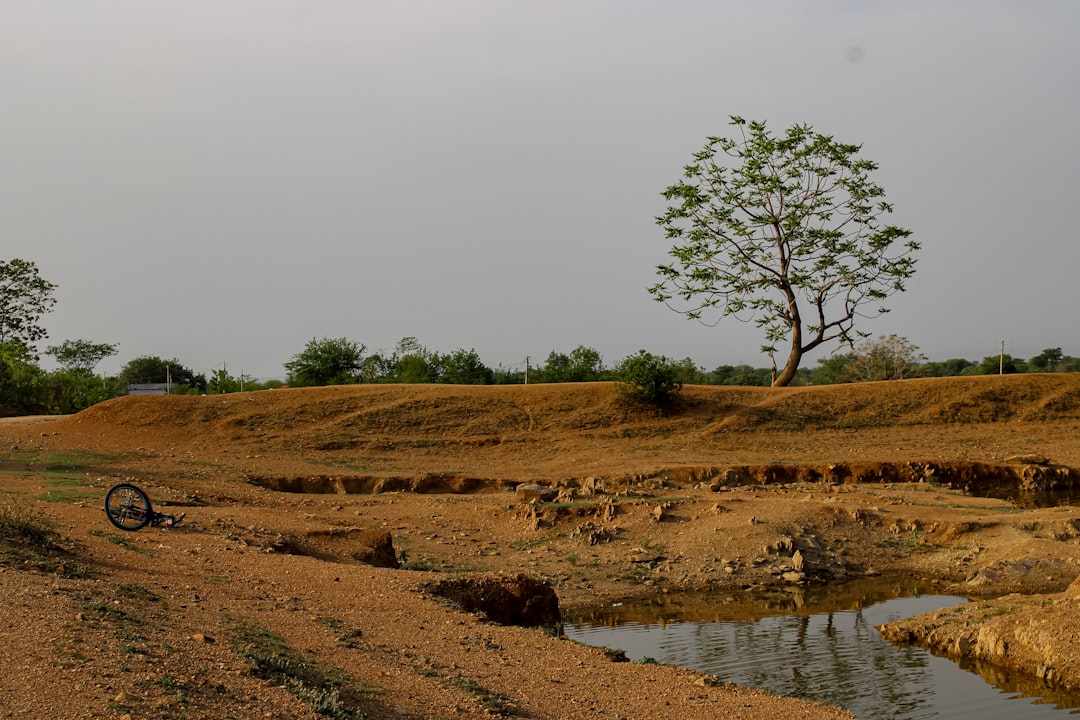
The Salar de Atacama, located in northern Chile, is one of the largest salt flats in the world and represents a distinctive desert ecosystem. This expansive salt flat, characterized by arid conditions and dramatic landscapes, is surrounded by the Andes mountains and contains diverse flora and fauna adapted to extreme environmental conditions. The region is particularly notable for its substantial lithium deposits, an element that has become increasingly valuable for electric vehicle batteries and renewable energy storage systems.
The Salar de Atacama holds significant economic importance both regionally and globally. The mineral-rich deposits have made the area a major center for mining operations, as global lithium demand continues to increase. However, expanded mining activities present environmental challenges, particularly regarding water resource management in an already water-scarce region.
The sustainability of future development in the Salar de Atacama depends on balancing economic interests with environmental conservation and the protection of limited water supplies.
Key Takeaways
- Salar de Atacama relies heavily on groundwater, which is crucial for its ecosystem and local communities.
- Lithium mining significantly contributes to groundwater depletion in the region.
- Groundwater depletion leads to severe environmental damage, including habitat loss and reduced water availability.
- Economic growth from lithium extraction poses social challenges, impacting indigenous populations and local livelihoods.
- Sustainable water management and strong government regulations are essential to balance development with environmental conservation.
The Importance of Groundwater in Salar de Atacama
Groundwater serves as a lifeline for the ecosystems and communities surrounding the Salar de Atacama. Beneath the arid surface lies a complex network of aquifers that provide essential water resources for both human consumption and agricultural activities. In a region where rainfall is minimal, these underground reservoirs are crucial for sustaining life.
The indigenous communities, as well as local farmers, rely heavily on this groundwater for their livelihoods, making it an invaluable resource. Moreover, groundwater in the Salar de Atacama supports various ecosystems, including wetlands that are home to diverse species of birds and other wildlife. These ecosystems are not only important for biodiversity but also play a role in regulating local climate conditions.
The intricate relationship between groundwater and surface water bodies highlights the need for careful management of this precious resource. As mining activities increase, understanding the dynamics of groundwater becomes even more critical to ensure that both human needs and ecological health are met. Learn about the environmental impacts of lithium mining in this informative video.
The Impact of Lithium Mining on Groundwater Depletion
The burgeoning lithium mining industry in the Salar de Atacama has raised alarms regarding groundwater depletion. Mining companies extract lithium through a process that involves pumping brine from underground aquifers to the surface, where it is then processed to extract lithium salts. This extraction process can significantly lower the water table, leading to concerns about the long-term sustainability of groundwater resources.
As companies ramp up production to meet global demand, the pressure on these aquifers intensifies. The consequences of this depletion are far-reaching. With reduced groundwater levels, local communities face challenges in accessing clean water for drinking and irrigation.
Additionally, the ecological balance of the region is threatened as wetlands dry up and habitats for various species diminish. The interplay between mining operations and groundwater levels necessitates a thorough examination of how these activities can be conducted responsibly without compromising the vital water resources that sustain both people and nature.
Environmental Consequences of Groundwater Depletion
The environmental ramifications of groundwater depletion in the Salar de Atacama are profound and multifaceted. As aquifers are drained to support lithium extraction, the delicate ecosystems that depend on these water sources begin to suffer. Wetlands, which serve as critical habitats for migratory birds and other wildlife, are particularly vulnerable.
The loss of these habitats not only threatens biodiversity but also disrupts local food chains and ecological processes. Furthermore, groundwater depletion can lead to soil salinization, a phenomenon where salt accumulates in the soil due to reduced water levels. This can render land unproductive for agriculture, further exacerbating food security issues for local communities.
The drying up of natural springs and rivers can also alter local climate patterns, leading to increased temperatures and reduced humidity. These environmental changes underscore the urgent need for sustainable practices that prioritize both ecological health and economic interests.
Economic and Social Implications of Groundwater Depletion
| Metric | Value | Unit | Notes |
|---|---|---|---|
| Annual Groundwater Extraction | 15 | Million cubic meters/year | Estimated water withdrawal for mining and agriculture |
| Groundwater Level Decline | 0.5 – 1.0 | meters/year | Observed average drop in water table in the Salar de Atacama basin |
| Recharge Rate | 5 | Million cubic meters/year | Natural replenishment from precipitation and inflows |
| Salinity Increase | 10 – 15 | mg/L per year | Increase in groundwater salinity due to depletion and concentration |
| Impact on Local Ecosystems | High | N/A | Significant stress on native flora and fauna dependent on groundwater |
| Mining Water Use Percentage | 70 | % | Proportion of groundwater used by lithium mining operations |
The economic implications of groundwater depletion in the Salar de Atacama are significant, particularly for local communities that depend on agriculture and traditional livelihoods. As water becomes scarcer, farmers face challenges in maintaining crop yields, which can lead to food shortages and increased prices for basic goods. The social fabric of these communities may also be strained as competition for dwindling water resources intensifies.
Moreover, while lithium mining presents opportunities for economic growth and job creation, it also raises questions about equity and access to resources. Wealth generated from mining often does not trickle down to local populations, leading to disparities between mining companies and indigenous communities. Addressing these social implications requires a comprehensive approach that considers not only economic benefits but also the rights and needs of those most affected by groundwater depletion.
Efforts to Address Groundwater Depletion in Salar de Atacama
In response to growing concerns about groundwater depletion, various stakeholders have initiated efforts to address this pressing issue in the Salar de Atacama. Local governments, non-governmental organizations (NGOs), and community groups are increasingly advocating for sustainable water management practices that prioritize conservation and responsible resource use. These initiatives aim to raise awareness about the importance of groundwater and promote collaborative approaches to managing this vital resource.
One notable effort involves the establishment of monitoring programs to track groundwater levels and assess the impacts of mining activities on local aquifers. By gathering data on water usage and availability, stakeholders can make informed decisions about resource allocation and develop strategies to mitigate depletion. Additionally, some mining companies are beginning to adopt more sustainable practices, such as recycling water used in extraction processes or investing in projects that replenish aquifers.
The Role of Government Regulations in Managing Groundwater Depletion
Government regulations play a crucial role in managing groundwater depletion in the Salar de Atacama. Policymakers are tasked with balancing economic development with environmental protection, a challenge that requires careful consideration of various interests. Effective regulations can help ensure that mining activities do not compromise the sustainability of groundwater resources while also safeguarding the rights of local communities.
In recent years, there has been a push for stricter regulations governing water usage in mining operations. This includes requirements for environmental impact assessments before new projects are approved and ongoing monitoring of water resources during extraction activities. By implementing robust regulatory frameworks, governments can promote transparency and accountability among mining companies while fostering a culture of responsible resource management.
The Need for Sustainable Water Management Practices
The urgency of adopting sustainable water management practices in the Salar de Atacama cannot be overstated. As groundwater resources become increasingly strained due to mining activities and climate change, innovative solutions are needed to ensure long-term viability. Sustainable practices may include rainwater harvesting, improved irrigation techniques, and community-led conservation initiatives that empower local populations to take charge of their water resources.
Education and awareness-raising campaigns are also essential components of sustainable water management.
Collaborative efforts between governments, NGOs, and local communities can lead to more effective management strategies that benefit both people and the environment.
Balancing Economic Development with Environmental Conservation
Finding a balance between economic development and environmental conservation is a complex challenge facing the Salar de Atacama. While lithium mining presents significant economic opportunities, it is imperative that these activities do not come at the expense of vital water resources or local ecosystems. Striking this balance requires a multi-faceted approach that considers both short-term gains and long-term sustainability.
Stakeholders must engage in open dialogue to explore alternative economic models that prioritize environmental health while still supporting local livelihoods. This may involve diversifying economic activities beyond mining or investing in renewable energy projects that harness the region’s abundant solar resources. By fostering innovation and collaboration, it is possible to create a future where economic growth aligns with environmental stewardship.
International Collaboration in Addressing Groundwater Depletion
Addressing groundwater depletion in the Salar de Atacama is not solely a national issue; it requires international collaboration and shared responsibility among countries that rely on similar ecosystems. As global demand for lithium continues to rise, countries must work together to establish best practices for sustainable resource management that transcend borders. International partnerships can facilitate knowledge sharing, technology transfer, and capacity building among nations facing similar challenges related to groundwater depletion.
Collaborative research initiatives can help identify effective strategies for conserving water resources while promoting economic development. By fostering a sense of global responsibility towards shared ecosystems, countries can collectively address the pressing issue of groundwater depletion.
The Future of Salar de Atacama and Groundwater Depletion
The future of the Salar de Atacama hinges on how stakeholders navigate the complex interplay between economic development and environmental conservation. Groundwater depletion poses significant challenges not only for local communities but also for the delicate ecosystems that define this unique region. As demand for lithium continues to grow, it is imperative that all parties involved prioritize sustainable practices that protect vital water resources.
Looking ahead, there is hope for a future where responsible resource management coexists with economic growth in the Salar de Atacama. Through collaborative efforts among governments, communities, NGOs, and international partners, it is possible to create a framework that ensures both ecological health and social equity are upheld. By embracing innovative solutions and fostering a culture of stewardship, stakeholders can work towards a sustainable future for one of the world’s most remarkable landscapes.
Groundwater depletion is a significant concern in regions like the Salar de Atacama in Chile, where the extraction of water for mining and agriculture has led to alarming declines in water levels. For a deeper understanding of the implications of this issue, you can read a related article that discusses the environmental impacts and potential solutions. Check it out here: Groundwater Depletion in Chile’s Salar de Atacama.
WATCH THIS! 🌍 “THE WATER IS GONE: Inside the Desert Killing the EV Revolution
FAQs
What is groundwater depletion?
Groundwater depletion refers to the excessive extraction of groundwater from aquifers, leading to a decline in water levels and reduced availability of this vital resource.
Where is the Salar de Atacama located?
The Salar de Atacama is a large salt flat located in the northern part of Chile, within the Atacama Desert region.
Why is groundwater important in the Salar de Atacama?
Groundwater in the Salar de Atacama supports local ecosystems, indigenous communities, and industrial activities such as lithium mining, which relies on brine extracted from underground aquifers.
What causes groundwater depletion in the Salar de Atacama?
Groundwater depletion in the Salar de Atacama is primarily caused by intensive water extraction for mining operations, agriculture, and increasing human consumption in the region.
What are the environmental impacts of groundwater depletion in this area?
Depleting groundwater can lead to the drying up of wetlands, loss of biodiversity, soil degradation, and negative effects on local flora and fauna that depend on stable water sources.
How does groundwater depletion affect local communities?
Local communities, including indigenous groups, may face water scarcity, reduced agricultural productivity, and challenges to their traditional ways of life due to declining groundwater availability.
What measures are being taken to address groundwater depletion in the Salar de Atacama?
Efforts include implementing sustainable water management practices, regulating water extraction, promoting water recycling in mining, and conducting environmental impact assessments to balance economic activities with conservation.
Is groundwater depletion a problem only in Chile?
No, groundwater depletion is a global issue affecting many arid and semi-arid regions worldwide, but the situation in the Salar de Atacama is notable due to its ecological sensitivity and economic importance.
Can groundwater levels recover after depletion?
Recovery is possible but can take many years or decades, depending on the rate of recharge, reduction in extraction, and natural climatic conditions.
Why is the Salar de Atacama significant for lithium production?
The Salar de Atacama contains some of the world’s largest lithium reserves, extracted from brine beneath the salt flat, making it a critical site for global lithium supply used in batteries and electronics.