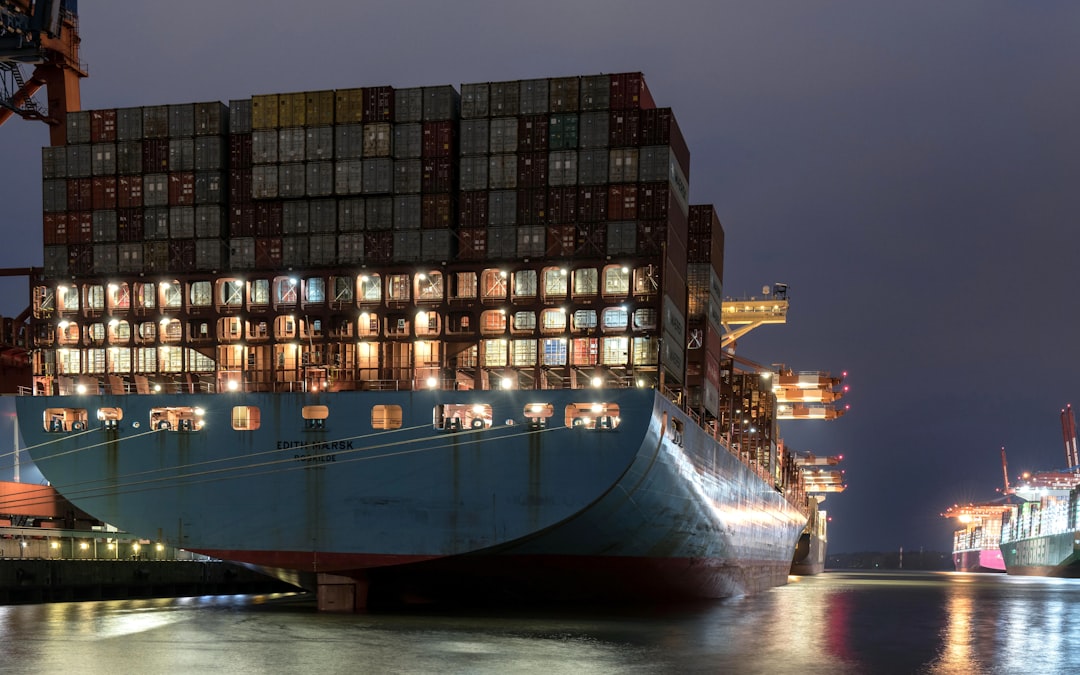
Weather routing algorithms have become essential tools in modern maritime navigation, utilizing meteorological data to determine optimal shipping routes. These systems analyze real-time weather conditions to reduce voyage duration and fuel consumption while improving vessel safety. As international trade expands, the application of these algorithms addresses the operational challenges posed by variable weather patterns across ocean routes.
The implementation of weather routing algorithms provides significant environmental benefits alongside operational efficiency. By calculating routes based on current meteorological information, shipping companies can lower fuel usage and associated carbon emissions. This capability is particularly important as the maritime industry seeks to reduce its environmental impact in response to climate change and shifting weather patterns.
Learn about the environmental impacts of lithium mining in this informative video.
Key Takeaways
- Weather routing algorithms optimize shipping routes by analyzing weather conditions to enhance safety and efficiency.
- These algorithms consider factors like wind, waves, and storms to minimize risks and delays during voyages.
- Implementing weather routing leads to significant cost savings, fuel efficiency, and reduced environmental impact.
- Integration with other shipping technologies improves real-time decision-making and route adjustments.
- Ongoing innovations aim to overcome current limitations and further advance the accuracy and usability of weather routing systems.
Understanding the Impact of Weather on Shipping
Weather plays a crucial role in maritime operations, influencing everything from vessel speed to safety protocols. Factors such as wind speed, wave height, and visibility can dramatically affect a ship’s performance and the safety of its crew. For instance, strong winds can hinder navigation, while rough seas can lead to increased fuel consumption and potential damage to the vessel.
Understanding these elements is essential for shipping companies aiming to optimize their operations and ensure the safety of their crews and cargo. Moreover, adverse weather conditions can lead to significant delays and increased operational costs. For example, storms can force ships to alter their routes or delay departures, resulting in missed deadlines and financial losses.
By comprehensively understanding how weather impacts shipping, companies can better prepare for these challenges and implement strategies to mitigate risks. This is where weather routing algorithms come into play, providing a data-driven approach to navigating the unpredictable nature of maritime weather.
Benefits of Using Weather Routing Algorithm for Shipping
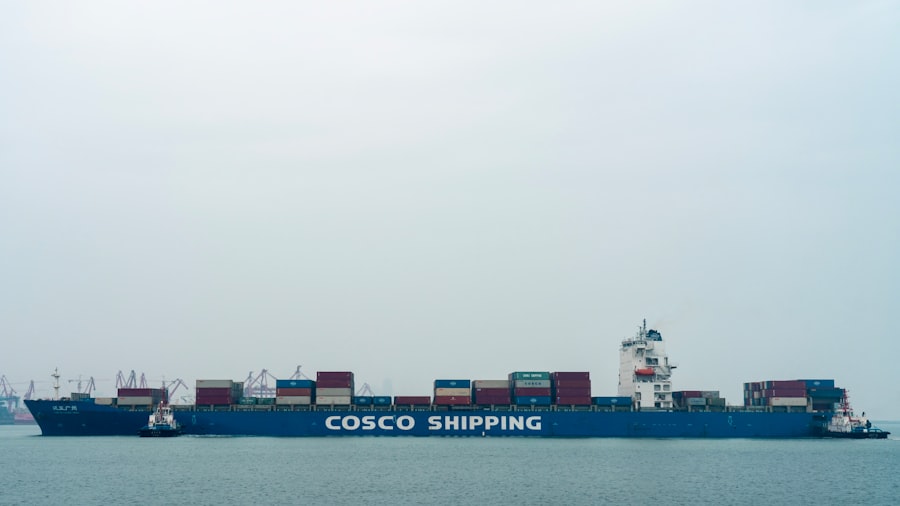
The implementation of weather routing algorithms offers numerous advantages for shipping companies. One of the most significant benefits is the potential for cost savings. By optimizing routes based on real-time weather data, vessels can avoid hazardous conditions that may lead to increased fuel consumption or damage to the ship.
This not only reduces operational costs but also enhances overall efficiency, allowing companies to allocate resources more effectively. In addition to financial benefits, weather routing algorithms contribute to improved safety for crews and cargo. By providing accurate forecasts and route recommendations, these algorithms help vessels avoid dangerous weather conditions, reducing the likelihood of accidents at sea.
Furthermore, enhanced safety measures can lead to lower insurance premiums for shipping companies, further incentivizing the adoption of this technology. Ultimately, the combination of cost savings and improved safety makes weather routing algorithms an invaluable asset in modern shipping practices.
How Weather Routing Algorithm Works
At its core, a weather routing algorithm functions by analyzing vast amounts of meteorological data to determine the most efficient route for a vessel. This process begins with the collection of real-time weather information from various sources, including satellite imagery, buoys, and meteorological stations. The algorithm then processes this data using complex mathematical models that take into account factors such as wind speed, wave height, and ocean currents.
Once the data is analyzed, the algorithm generates a series of potential routes for the vessel to consider. These routes are evaluated based on criteria such as fuel efficiency, travel time, and safety. The algorithm may also incorporate historical weather patterns to predict future conditions along each route.
By weighing these factors, the weather routing algorithm provides shipping companies with actionable insights that enable them to make informed decisions about their navigation strategies.
Factors Considered in Weather Routing Algorithm
| Metric | Description | Typical Value / Range | Impact on Shipping Optimization |
|---|---|---|---|
| Fuel Consumption Reduction | Percentage decrease in fuel usage due to optimized routing | 5% – 15% | Lower operational costs and reduced emissions |
| Voyage Time Savings | Reduction in total travel time by avoiding adverse weather | 2% – 10% | Improved delivery schedules and increased fleet utilization |
| Route Deviation Distance | Additional distance traveled to avoid severe weather | 0 – 50 nautical miles | Trade-off between safety and efficiency |
| Weather Data Update Frequency | Interval at which weather information is refreshed | 30 minutes – 2 hours | Accuracy of routing decisions and responsiveness to changing conditions |
| Algorithm Computation Time | Time taken to calculate optimal route | Seconds to a few minutes | Feasibility of real-time route adjustments |
| Safety Incident Reduction | Decrease in weather-related accidents or delays | 10% – 30% | Enhanced crew safety and reduced insurance costs |
| CO2 Emissions Reduction | Lower carbon emissions due to optimized routing | 5% – 12% | Environmental compliance and sustainability goals |
Several key factors are taken into account when developing a weather routing algorithm. First and foremost is the current and forecasted weather conditions along the proposed route. This includes not only wind speed and direction but also wave height, sea state, and visibility.
Each of these elements can significantly impact a vessel’s performance and safety. Additionally, the algorithm considers the specific characteristics of the vessel itself. Factors such as hull design, engine type, and cargo weight all play a role in determining how a ship will respond to various weather conditions.
By integrating this information into the routing process, the algorithm can provide tailored recommendations that optimize performance based on the unique attributes of each vessel. This comprehensive approach ensures that shipping companies receive accurate and relevant guidance for their operations.
Case Studies of Successful Implementation of Weather Routing Algorithm
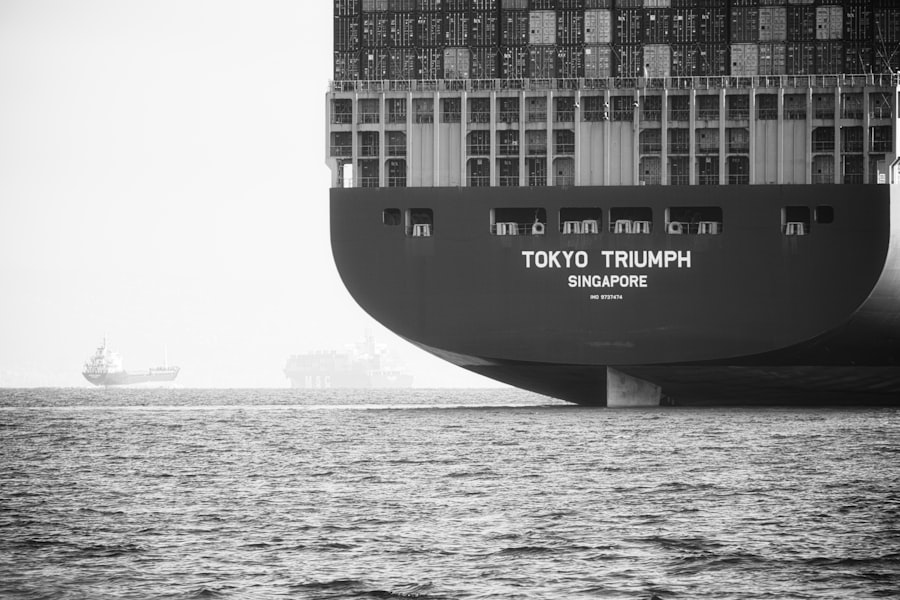
Numerous shipping companies have successfully implemented weather routing algorithms to enhance their operations. One notable example is a major container shipping line that adopted an advanced weather routing system to optimize its trans-Pacific routes. By utilizing real-time weather data and predictive analytics, the company was able to reduce fuel consumption by 10% over a six-month period.
This not only resulted in significant cost savings but also contributed to a reduction in greenhouse gas emissions. Another case study involves a bulk carrier operator that faced challenges navigating through storm-prone regions. By integrating a weather routing algorithm into their operations, they were able to avoid severe weather conditions that had previously caused delays and damage to their vessels.
The algorithm provided real-time updates and route adjustments based on changing weather patterns, allowing the company to maintain schedules while ensuring crew safety. These examples illustrate how effective implementation of weather routing algorithms can lead to tangible benefits in terms of efficiency and safety.
Challenges and Limitations of Weather Routing Algorithm
Despite their many advantages, weather routing algorithms are not without challenges and limitations. One significant hurdle is the reliance on accurate and timely meteorological data. In some regions, particularly remote areas or developing countries, access to reliable weather information may be limited.
This can hinder the effectiveness of the algorithm and lead to suboptimal routing decisions. Additionally, while algorithms can process vast amounts of data quickly, they may not always account for unforeseen circumstances or rapidly changing conditions at sea. For instance, sudden storms or unexpected changes in ocean currents may not be reflected in real-time data feeds, potentially leading to inaccurate route recommendations.
Shipping companies must remain vigilant and be prepared to adapt their strategies in response to evolving conditions, even when utilizing advanced technology like weather routing algorithms.
Integrating Weather Routing Algorithm with Other Shipping Technologies
The future of shipping lies in the seamless integration of various technologies that enhance operational efficiency and safety. Weather routing algorithms are increasingly being combined with other systems such as automated navigation tools and fleet management software. This integration allows for a more holistic approach to maritime operations, enabling shipping companies to optimize not only their routes but also their overall fleet performance.
Additionally, integrating these algorithms with fleet management software allows companies to monitor multiple vessels simultaneously, ensuring that each ship is operating at peak efficiency while adhering to safety protocols. This interconnected approach represents a significant advancement in maritime technology and positions shipping companies for success in an increasingly competitive industry.
Cost Savings and Environmental Benefits of Weather Routing Algorithm
The financial implications of adopting weather routing algorithms are profound. By optimizing routes based on real-time weather data, shipping companies can achieve substantial cost savings through reduced fuel consumption and operational efficiencies. For instance, vessels that avoid adverse weather conditions are less likely to experience delays or damage that could result in costly repairs or insurance claims.
Moreover, the environmental benefits associated with these algorithms are equally noteworthy. As global awareness of climate change intensifies, shipping companies are under increasing pressure to reduce their carbon emissions. Weather routing algorithms facilitate this by enabling vessels to take more efficient routes that minimize fuel usage and emissions.
By adopting such technologies, companies not only enhance their bottom line but also contribute positively to global sustainability efforts.
Future Developments and Innovations in Weather Routing Algorithm
As technology continues to evolve, so too will the capabilities of weather routing algorithms. Future developments may include enhanced predictive analytics that leverage artificial intelligence (AI) and machine learning (ML) techniques to improve accuracy in forecasting weather patterns. These advancements could enable algorithms to provide even more precise route recommendations based on historical data trends and real-time conditions.
Additionally, there is potential for greater collaboration between shipping companies and meteorological organizations to improve data sharing and access to high-quality forecasts. Such partnerships could lead to more robust algorithms capable of adapting quickly to changing conditions at sea. As innovations continue to emerge in this field, it is likely that weather routing algorithms will play an increasingly central role in shaping the future of maritime navigation.
The Future of Shipping with Weather Routing Algorithm
In conclusion, the integration of weather routing algorithms into maritime operations represents a significant leap forward for the shipping industry. By harnessing real-time meteorological data and advanced analytics, these algorithms offer unparalleled opportunities for optimizing routes, enhancing safety, and reducing costs. As global trade continues to expand amidst growing environmental concerns, the importance of such technologies will only increase.
Looking ahead, it is clear that weather routing algorithms will be instrumental in shaping the future of shipping. With ongoing advancements in technology and greater collaboration within the industry, these tools will continue to evolve, providing shipping companies with innovative solutions for navigating the complexities of maritime operations in an ever-changing world. The future of shipping is bright with the promise of enhanced efficiency and sustainability through the power of weather routing algorithms.
In the realm of shipping optimization, weather routing algorithms play a crucial role in enhancing efficiency and safety at sea. A related article that delves deeper into this topic can be found at com/sample-page/’>this link, where various strategies and technologies are discussed to improve maritime navigation by considering weather conditions.
By leveraging such algorithms, shipping companies can significantly reduce fuel consumption and transit times, ultimately leading to more sustainable operations.
WATCH THIS! 🌍 “THE WATER IS GONE: Inside the Desert Killing the EV Revolution
FAQs
What is a weather routing algorithm in shipping?
A weather routing algorithm in shipping is a computational method used to determine the optimal path for a vessel by considering weather conditions such as wind, waves, and currents. The goal is to enhance safety, reduce fuel consumption, and improve overall voyage efficiency.
How does weather routing improve shipping optimization?
Weather routing improves shipping optimization by identifying routes that avoid severe weather, minimize travel time, and reduce fuel usage. This leads to cost savings, lower emissions, and safer voyages for crew and cargo.
What types of data are used in weather routing algorithms?
Weather routing algorithms use data including meteorological forecasts (wind speed and direction, temperature, pressure), oceanographic data (wave height, currents), and vessel-specific information (speed, fuel consumption, draft) to calculate optimal routes.
Are weather routing algorithms used in real-time navigation?
Yes, many weather routing systems provide real-time updates and route adjustments based on the latest weather forecasts and vessel position, allowing dynamic optimization throughout the voyage.
What are the main benefits of using weather routing algorithms in shipping?
The main benefits include enhanced safety by avoiding hazardous weather, reduced fuel consumption and emissions, shorter voyage times, and improved operational efficiency.
Can weather routing algorithms handle different types of vessels?
Yes, weather routing algorithms can be customized to accommodate various vessel types by incorporating specific performance characteristics, such as speed, maneuverability, and fuel efficiency.
Is weather routing mandatory for commercial shipping?
While not universally mandatory, many shipping companies and regulatory bodies encourage or require weather routing to improve safety and environmental performance.
What challenges exist in implementing weather routing algorithms?
Challenges include the accuracy and resolution of weather forecasts, computational complexity, integration with existing navigation systems, and the need for skilled personnel to interpret and act on routing recommendations.
How do weather routing algorithms contribute to environmental sustainability?
By optimizing routes to reduce fuel consumption and avoid adverse weather, weather routing algorithms help lower greenhouse gas emissions and minimize the environmental impact of shipping operations.
Are there commercial software solutions available for weather routing?
Yes, several commercial weather routing software packages are available, offering features such as route optimization, real-time updates, and integration with vessel navigation systems.