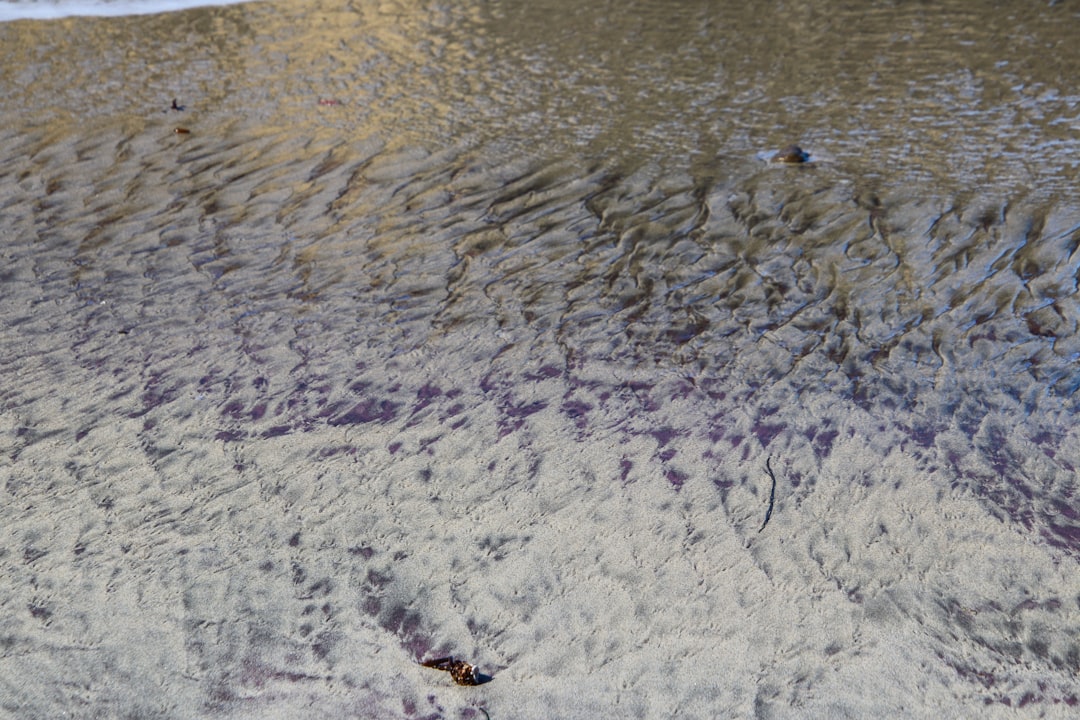
Wind patterns are a fundamental aspect of meteorology that influence various environmental processes. They are primarily driven by the uneven heating of the Earth’s surface, which creates areas of high and low pressure. As warm air rises, cooler air rushes in to fill the void, resulting in the movement of air known as wind.
These patterns vary significantly based on geographical location, time of year, and local topography. For example, coastal areas often experience sea breezes due to temperature differences between land and water, while mountainous regions develop unique wind patterns influenced by elevation changes. The Coriolis effect further influences wind patterns by causing winds to curve rather than move in a straight line.
This phenomenon results from the Earth’s rotation and affects wind direction across different latitudes. Understanding these dynamics is essential for weather prediction and comprehending how wind interacts with other environmental elements, such as water bodies. The interaction between wind and water is particularly significant in aquatic ecosystems, where wind influences surface currents, temperature stratification, and nutrient distribution.
Learn about the environmental impacts of lithium mining in this informative video.
Key Takeaways
- Wind patterns significantly influence water movement and surface conditions in ponds.
- Wind shearing affects pond surface dynamics, impacting aquatic ecosystems and water quality.
- Various factors, including geography and climate, determine local wind patterns and their effects.
- Managing wind shearing is crucial for maintaining healthy aquatic plants, animals, and overall pond health.
- Implementing solutions to minimize wind shearing can improve pond maintenance and ecosystem stability.
The Relationship Between Wind and Water Movement
The relationship between wind and water movement is a dynamic one, characterized by the transfer of energy from the atmosphere to the surface of water bodies. When wind blows across a lake or pond, it exerts frictional forces on the water’s surface, generating waves and currents. These movements can vary in intensity depending on wind speed and duration.
For example, a gentle breeze may create ripples, while strong gusts can lead to choppy waters and larger waves. This interaction is not only visually striking but also plays a critical role in the physical and biological processes within aquatic environments. Moreover, wind-driven currents can significantly affect the distribution of nutrients and oxygen within a water body.
As wind stirs the surface, it promotes mixing, which can enhance the availability of essential elements for aquatic life. This mixing process is vital for maintaining a healthy ecosystem, as it helps to distribute heat and nutrients evenly throughout the water column. Consequently, understanding how wind influences water movement is essential for managing aquatic habitats and ensuring their sustainability.
Factors Affecting Wind Patterns

Several factors contribute to the formation and variation of wind patterns across different regions. One of the most significant influences is geography, including the presence of mountains, valleys, and bodies of water. For instance, mountainous terrain can create localized wind patterns known as katabatic winds, which occur when cold air descends from high elevations.
Similarly, large bodies of water can moderate temperatures and influence local wind patterns through phenomena such as lake breezes. Seasonal changes also play a crucial role in shaping wind patterns. During summer months, land heats up more quickly than water, leading to thermal gradients that drive winds from cooler water to warmer land.
Conversely, in winter, this pattern reverses, with cold air over land creating high-pressure systems that can lead to strong winds blowing over warmer waters. Additionally, human activities such as urbanization can alter local wind patterns by changing land surfaces and introducing obstacles that disrupt natural airflow.
The Effect of Wind Shearing on Pond Surface
Wind shearing refers to the variation in wind speed and direction at different heights above the surface of a body of water. This phenomenon can have profound effects on the surface characteristics of ponds and lakes. When wind shear occurs, it can create turbulence at the water’s surface, leading to increased wave action and mixing.
This turbulence can disrupt the thermal stratification that often develops in ponds during warmer months, where layers of water with different temperatures form. The implications of wind shearing extend beyond mere surface agitation; it can also influence sediment resuspension and nutrient cycling within the pond ecosystem. As waves generated by wind shear crash against the shoreline or stir up sediments from the bottom, they can release nutrients that were previously trapped in the sediment.
This process can enhance productivity in aquatic ecosystems but may also lead to issues such as algal blooms if nutrient levels become excessively high.
Impact on Aquatic Ecosystems
| Parameter | Unit | Typical Range | Description |
|---|---|---|---|
| Wind Speed | m/s | 0.5 – 10 | Speed of wind blowing over the pond surface |
| Shear Stress | Pa (Pascals) | 0.01 – 0.5 | Force per unit area exerted by wind on pond surface |
| Surface Velocity | cm/s | 0.1 – 5 | Velocity of water movement at pond surface due to wind shear |
| Wind Direction | Degrees (°) | 0 – 360 | Direction from which the wind is blowing |
| Surface Roughness Length | m | 0.0001 – 0.01 | Measure of surface texture affecting wind flow |
| Water Temperature | °C | 5 – 30 | Temperature of pond water influencing viscosity and shear |
| Viscosity of Water | Pa·s | 0.0008 – 0.001 | Dynamic viscosity affecting shear stress transmission |
The impact of wind shearing on aquatic ecosystems is multifaceted and significant. By promoting mixing and circulation within ponds, wind shear plays a crucial role in maintaining ecological balance. It helps distribute oxygen throughout the water column, which is essential for the survival of fish and other aquatic organisms.
Additionally, this mixing process can facilitate the transport of nutrients necessary for plant growth, thereby supporting a diverse range of life forms. However, excessive wind shear can also have detrimental effects on aquatic ecosystems. For instance, increased turbulence may lead to higher rates of erosion along shorelines, which can degrade habitats for fish and other wildlife.
Furthermore, if nutrient levels become imbalanced due to excessive resuspension from sediment, it can trigger harmful algal blooms that deplete oxygen levels and create dead zones within the pond. Thus, understanding the dual nature of wind shear’s impact is vital for effective ecosystem management.
Influence on Water Quality
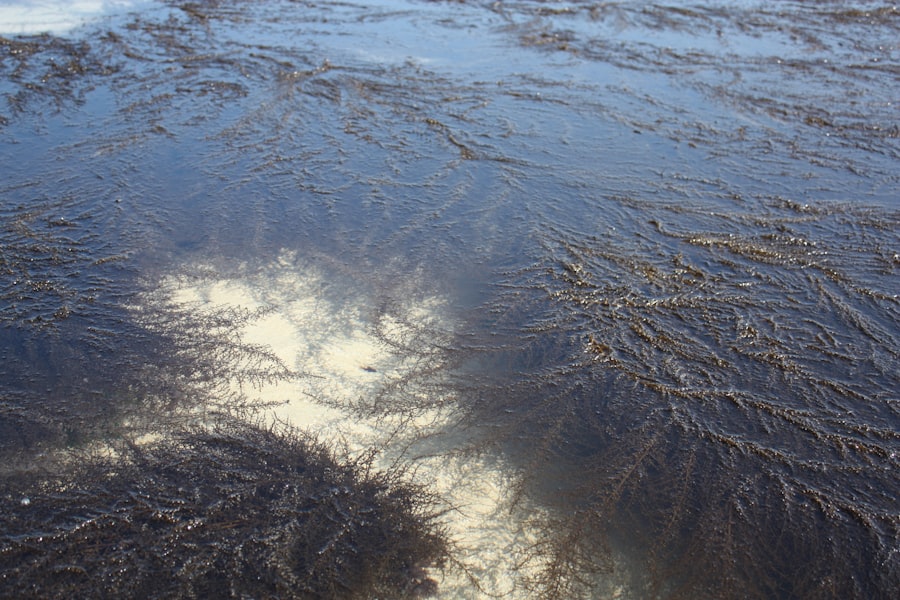
Water quality in ponds is intricately linked to various environmental factors, including wind patterns and their associated effects. Wind-driven mixing can enhance water quality by promoting oxygenation and nutrient distribution; however, it can also introduce challenges. For example, when sediments are resuspended due to strong winds or turbulent conditions, they can carry pollutants or excess nutrients into the water column.
This influx can lead to deteriorating water quality and negatively impact aquatic life. Moreover, wind shear can influence temperature stratification within ponds. In warmer months, stratification often leads to distinct thermal layers that can affect oxygen levels at different depths.
Wind-induced mixing can disrupt this stratification, potentially leading to more uniform temperatures but also risking hypoxic conditions if oxygen levels drop significantly in deeper waters. Therefore, monitoring how wind affects water quality is essential for maintaining healthy aquatic ecosystems.
Importance for Aquatic Plants and Animals
Aquatic plants and animals rely heavily on their environment for survival, making them particularly sensitive to changes in wind patterns and their effects on water movement. For instance, submerged plants benefit from nutrient distribution facilitated by wind-driven mixing; this process allows them to access essential resources for growth and reproduction. Additionally, many fish species depend on well-oxygenated waters for their survival; thus, effective mixing driven by wind is crucial for maintaining healthy populations.
However, not all species thrive under conditions influenced by strong winds or turbulent waters. Some delicate organisms may struggle to adapt to rapid changes in their environment caused by excessive mixing or sediment resuspension. Understanding these dynamics is vital for conservation efforts aimed at protecting vulnerable species and ensuring biodiversity within aquatic ecosystems.
Managing Wind Shearing in Ponds
Effective management of wind shearing in ponds requires a comprehensive understanding of its effects on both physical conditions and biological communities.
For instance, creating buffer zones with vegetation along shorelines can help reduce erosion caused by wave action while providing habitat for wildlife.
Another management strategy may involve implementing aeration systems that promote oxygenation without relying solely on natural wind-driven mixing. These systems can help maintain optimal conditions for aquatic life while minimizing potential disturbances caused by excessive turbulence or sediment resuspension. By adopting a proactive approach to managing wind shearing effects, pond managers can foster healthier ecosystems that support diverse plant and animal communities.
Implications for Pond Maintenance
The implications of wind shearing extend beyond ecological considerations; they also play a significant role in pond maintenance practices. Regular monitoring of water quality parameters such as dissolved oxygen levels and nutrient concentrations is essential for identifying potential issues related to wind-driven mixing or sediment resuspension. By understanding how these factors interact with one another, pond managers can implement timely interventions to maintain optimal conditions.
Additionally, maintenance practices such as sediment removal or vegetation management may be necessary to address challenges posed by excessive nutrient loading or erosion caused by strong winds. By integrating knowledge about wind patterns into maintenance strategies, pond managers can ensure that their efforts are effective in promoting long-term ecological health.
Potential Solutions for Minimizing Wind Shearing
Minimizing the adverse effects of wind shearing requires innovative solutions tailored to specific pond environments. One potential approach involves utilizing floating islands or artificial structures designed to reduce wave action while providing habitat for wildlife. These structures can help stabilize sediments and mitigate erosion while promoting biodiversity within the pond ecosystem.
Another solution may involve planting native vegetation along shorelines to act as natural buffers against wave action caused by strong winds. These plants not only help stabilize sediments but also provide habitat for various species while enhancing overall ecosystem resilience. By exploring diverse strategies aimed at minimizing wind shearing effects, pond managers can foster healthier aquatic environments that support thriving communities.
Future Research and Considerations
As climate change continues to alter weather patterns globally, understanding how these changes will impact wind dynamics becomes increasingly important for managing aquatic ecosystems effectively. Future research should focus on investigating how shifts in temperature and precipitation patterns may influence local wind regimes and their subsequent effects on ponds and lakes. Additionally, studies exploring the long-term impacts of wind shearing on specific species within aquatic ecosystems will be crucial for developing targeted conservation strategies.
By prioritizing research efforts that address these pressing questions, scientists and managers alike can work towards ensuring sustainable management practices that protect vital freshwater resources for generations to come. In conclusion, comprehending the intricate relationship between wind patterns and aquatic ecosystems is essential for effective management practices aimed at preserving these vital environments. By recognizing both the benefits and challenges posed by wind shearing, stakeholders can implement strategies that promote ecological health while minimizing negative impacts on water quality and biodiversity.
Wind patterns play a crucial role in influencing pond surface shearing, as they can create varying levels of turbulence and shear stress on the water’s surface. Understanding these dynamics is essential for managing aquatic ecosystems and predicting sediment transport.