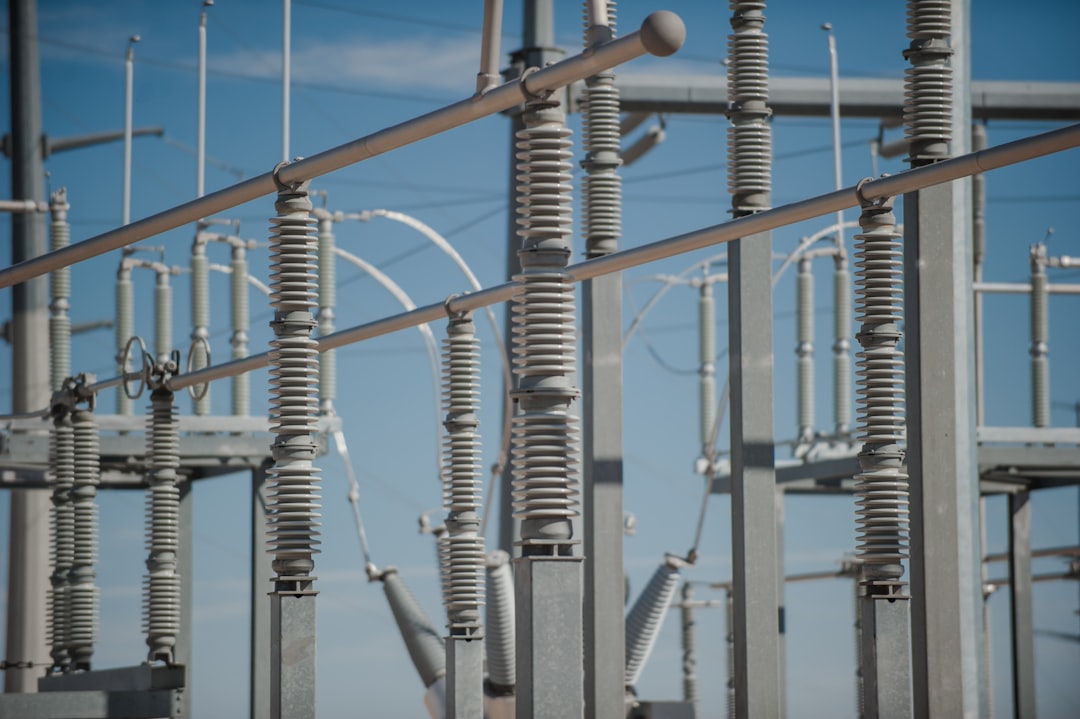
Power grid brownouts are a significant concern for many regions around the world, particularly in areas where energy demand often exceeds supply. A brownout is characterized by a temporary reduction in voltage in an electrical power supply system, which can lead to dimming lights and reduced performance of electrical devices. Unlike blackouts, which result in a complete loss of power, brownouts can be less noticeable but still have detrimental effects on both residential and commercial operations.
The causes of brownouts can vary widely, including extreme weather conditions, equipment failures, or increased demand during peak usage times. The implications of brownouts can be far-reaching. For businesses, a drop in voltage can lead to equipment malfunctions, data loss, and decreased productivity.
In homes, sensitive electronics may be damaged or fail to operate correctly. Furthermore, the economic impact of brownouts can be substantial, as businesses may incur losses due to interrupted operations. Understanding the dynamics of power grid brownouts is essential for developing effective strategies to mitigate their effects and ensure a stable power supply.
Learn about the environmental impacts of lithium mining in this informative video.
Key Takeaways
- Diesel generators play a crucial role in mitigating power grid brownouts by providing reliable backup power.
- Proper sizing and maintenance of diesel generators are essential for optimal performance and longevity.
- Integrating diesel generators with automatic transfer switches ensures seamless power transitions during outages.
- Environmental impact and government regulations must be considered when deploying diesel generators.
- Training operators and planning for future grid stability are key to effective diesel generator use in critical infrastructure.
The Role of Diesel Generators in Mitigating Brownouts
Diesel generators play a crucial role in alleviating the challenges posed by power grid brownouts. These generators serve as reliable backup power sources that can be deployed quickly during periods of reduced voltage or power outages. Their ability to provide immediate power makes them invaluable for both residential and commercial applications.
In many cases, diesel generators can be used to supplement the grid during peak demand periods, helping to stabilize voltage levels and prevent brownouts from occurring. Moreover, diesel generators are known for their durability and efficiency. They can operate for extended periods without interruption, making them ideal for emergency situations where grid power is compromised.
By integrating diesel generators into their energy management strategies, organizations can significantly reduce the risks associated with power grid instability.
Choosing the Right Size Diesel Generator for Your Needs
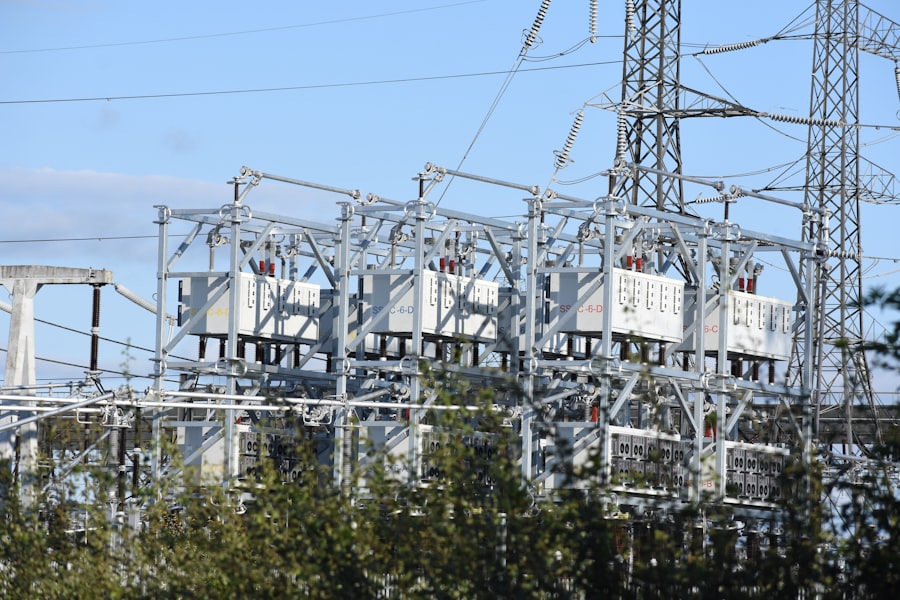
Selecting the appropriate size diesel generator is critical to ensuring that it meets specific power requirements effectively. The process begins with a thorough assessment of the electrical load that needs to be supported during a brownout or power outage. This involves calculating the total wattage of all devices and systems that will be powered by the generator.
It is essential to consider not only the continuous load but also any potential surge loads that may occur when equipment starts up. In addition to load calculations, factors such as fuel efficiency, runtime, and noise levels should also be taken into account when choosing a diesel generator. A generator that is too small may struggle to provide adequate power, while one that is excessively large could lead to inefficiencies and increased operational costs.
Therefore, consulting with experts or utilizing generator sizing calculators can help individuals and businesses make informed decisions that align with their specific energy needs.
Ensuring Proper Maintenance of Diesel Generators
Proper maintenance of diesel generators is vital for ensuring their reliability and longevity. Regular maintenance routines should include checking fluid levels, inspecting filters, and testing battery performance. Additionally, it is essential to conduct periodic load tests to verify that the generator can handle its rated capacity effectively.
Neglecting maintenance can lead to unexpected failures during critical times when backup power is needed most. Furthermore, keeping detailed records of maintenance activities can help identify patterns or recurring issues that may need addressing.
By prioritizing maintenance, users can enhance the performance of their diesel generators and extend their operational lifespan, ultimately providing peace of mind during power grid uncertainties.
Integrating Diesel Generators into the Power Grid
| Metric | Description | Typical Values | Unit |
|---|---|---|---|
| Frequency of Brownouts | Number of brownout events per year in a given power grid | 5 – 20 | Events/year |
| Duration of Brownouts | Average length of each brownout event | 10 – 120 | Minutes |
| Diesel Generator Capacity | Power output capacity of diesel generators used during brownouts | 500 – 5000 | kW |
| Fuel Consumption Rate | Diesel fuel consumption per hour at full load | 0.2 – 0.4 | Liters/kWh |
| Emissions (NOx) | Nitrogen Oxides emissions from diesel generators | 5 – 15 | g/kWh |
| Emissions (CO2) | Carbon dioxide emissions from diesel generators | 600 – 900 | g/kWh |
| Backup Time | Duration diesel generators can supply power during brownouts | 4 – 24 | Hours |
| Cost of Operation | Operational cost excluding capital expenses | 0.15 – 0.30 | Per kWh |
Integrating diesel generators into the existing power grid infrastructure presents both opportunities and challenges. On one hand, these generators can serve as valuable assets that enhance grid resilience by providing supplemental power during peak demand or emergencies. On the other hand, careful planning is required to ensure that their integration does not disrupt the overall stability of the grid.
Collaboration between utility companies and generator operators is essential for successful integration. This includes establishing protocols for when and how generators will be activated during brownouts or other grid disturbances. Additionally, advancements in technology have made it possible for diesel generators to be equipped with smart controls that allow for real-time monitoring and automated responses to grid conditions.
Such innovations can significantly improve the efficiency and effectiveness of diesel generators as part of a broader energy management strategy.
The Environmental Impact of Diesel Generators
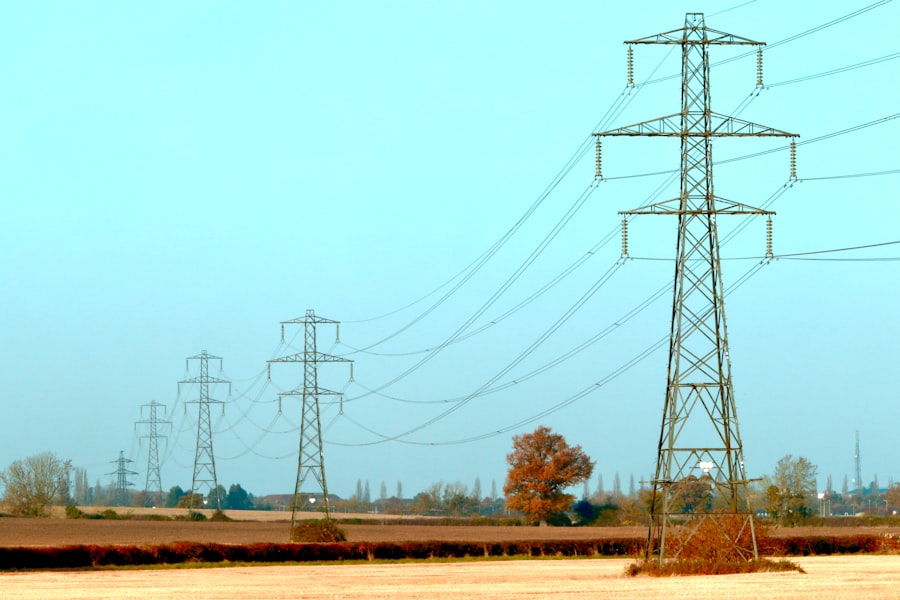
While diesel generators offer numerous benefits in terms of reliability and performance, they also raise environmental concerns that cannot be overlooked. The combustion of diesel fuel produces emissions such as nitrogen oxides (NOx), particulate matter, and carbon dioxide (CO2), which contribute to air pollution and climate change. As awareness of environmental issues grows, there is increasing pressure on industries to adopt cleaner energy solutions.
To mitigate the environmental impact of diesel generators, many manufacturers are investing in technologies that reduce emissions and improve fuel efficiency. Additionally, alternative fuels such as biodiesel are gaining traction as more sustainable options for powering diesel generators. By transitioning to cleaner technologies and fuels, organizations can continue to benefit from the reliability of diesel generators while minimizing their ecological footprint.
Backup Power Solutions for Critical Infrastructure
Critical infrastructure sectors such as healthcare, telecommunications, and emergency services rely heavily on uninterrupted power supply systems. In these sectors, even brief interruptions in power can have severe consequences. Therefore, implementing robust backup power solutions is paramount for maintaining operational continuity during brownouts or outages.
Diesel generators are often at the forefront of backup power solutions for critical infrastructure due to their reliability and capacity to handle high loads. Hospitals, for instance, require constant power for life-saving equipment; thus, many have dedicated diesel generators on-site to ensure that they can function seamlessly during emergencies. By investing in reliable backup systems, critical infrastructure facilities can safeguard against potential disruptions and protect public safety.
Implementing Automatic Transfer Switches for Seamless Power Transitions
Automatic transfer switches (ATS) are essential components in backup power systems that facilitate seamless transitions between grid power and generator power. When a brownout or outage occurs, an ATS automatically detects the loss of utility power and initiates the startup sequence for the diesel generator without requiring manual intervention. This ensures that critical loads remain powered with minimal interruption.
The integration of ATS technology enhances the overall efficiency of backup power systems by reducing response times during outages. Additionally, modern ATS units often come equipped with monitoring capabilities that provide real-time data on generator performance and fuel levels. This information allows operators to make informed decisions regarding maintenance and operational readiness, further enhancing the reliability of diesel generators as backup solutions.
Training and Education for Diesel Generator Operators
The effective operation of diesel generators requires skilled personnel who understand both the technical aspects of the equipment and best practices for safety and maintenance. Training programs for diesel generator operators should cover a range of topics, including basic engine mechanics, troubleshooting techniques, and emergency response protocols. Investing in training not only enhances operational efficiency but also promotes safety within facilities that rely on diesel generators for backup power.
Well-trained operators are better equipped to identify potential issues before they escalate into significant problems, thereby reducing downtime and maintenance costs. Furthermore, ongoing education ensures that operators stay updated on advancements in technology and regulatory requirements related to diesel generator use.
Government Regulations and Compliance for Diesel Generator Use
The use of diesel generators is subject to various government regulations aimed at ensuring safety and minimizing environmental impact. These regulations may include emissions standards set by environmental agencies as well as safety codes established by local authorities. Compliance with these regulations is essential for organizations operating diesel generators to avoid penalties and ensure public safety.
Organizations must stay informed about relevant regulations and engage with regulatory bodies to ensure compliance. This may involve conducting regular emissions testing or obtaining necessary permits for generator operation. By adhering to government regulations, organizations not only contribute to environmental protection but also enhance their reputation as responsible corporate citizens.
The Future of Power Grid Stability with Diesel Generators
As energy demands continue to rise globally, the role of diesel generators in maintaining power grid stability will likely evolve. While renewable energy sources are increasingly being integrated into power systems, diesel generators will remain a vital component due to their reliability and ability to provide immediate backup power when needed. The future may see advancements in hybrid systems that combine renewable energy sources with diesel generators to create more sustainable energy solutions.
Such systems could leverage the strengths of both technologies while minimizing their weaknesses—using renewable sources during peak production times while relying on diesel generators during periods of low generation or high demand. In conclusion, understanding the complexities surrounding power grid brownouts and the role of diesel generators is essential for ensuring reliable energy access in an increasingly demanding world. By choosing appropriately sized generators, maintaining them diligently, integrating them effectively into existing infrastructures, and adhering to regulations, organizations can harness the benefits of diesel generators while contributing positively to environmental sustainability and public safety.
In recent discussions about the increasing frequency of power grid brownouts, many have turned to diesel generators as a reliable backup solution. These generators can provide essential power during outages, ensuring that critical systems remain operational. For a deeper understanding of the implications and benefits of using diesel generators in such scenarios, you can read more in this related article: Understanding Diesel Generators and Power Grid Resilience.
WATCH THIS! 🌍 “THE WATER IS GONE: Inside the Desert Killing the EV Revolution
FAQs
What is a power grid brownout?
A power grid brownout is a temporary drop in voltage in the electrical power supply. Unlike a blackout, which is a complete loss of power, a brownout results in dimmer lights and reduced electrical performance. Brownouts are often used intentionally by utility companies to reduce load during peak demand or can occur due to faults in the power grid.
What causes brownouts in the power grid?
Brownouts can be caused by high electricity demand exceeding supply capacity, equipment failures, maintenance activities, or faults in the transmission and distribution system. Weather events and natural disasters can also contribute to brownouts by damaging infrastructure.
How do diesel generators help during brownouts?
Diesel generators provide an independent source of electricity when the main power grid experiences brownouts or outages. They can supply backup power to critical systems, ensuring continuous operation of essential equipment and facilities during voltage drops or power interruptions.
Are diesel generators reliable during power grid brownouts?
Yes, diesel generators are generally reliable and widely used for backup power. They can start quickly and provide consistent power output, making them effective for mitigating the effects of brownouts. However, regular maintenance and proper fuel storage are necessary to ensure their readiness.
What are the advantages of using diesel generators during brownouts?
Diesel generators offer several advantages, including high power output, fuel efficiency, durability, and the ability to operate independently of the power grid. They are suitable for both short-term and extended backup power needs during brownouts or blackouts.
Are there any environmental concerns with diesel generators?
Yes, diesel generators emit pollutants such as nitrogen oxides (NOx), particulate matter, and carbon dioxide (CO2), which contribute to air pollution and climate change. Proper maintenance and the use of cleaner fuels or emission control technologies can help reduce their environmental impact.
Can diesel generators be used for residential power backup during brownouts?
Yes, diesel generators can be used for residential backup power, especially in areas prone to frequent brownouts or outages. However, they tend to be larger and noisier than other types of generators, so homeowners should consider size, noise levels, and fuel storage before installation.
How long can a diesel generator run during a brownout?
The runtime of a diesel generator depends on its fuel tank capacity and load demand. With sufficient fuel, diesel generators can operate continuously for many hours or even days, making them suitable for extended power interruptions.
What maintenance is required for diesel generators used during brownouts?
Regular maintenance includes checking and changing engine oil, inspecting and replacing air and fuel filters, testing the battery, ensuring proper coolant levels, and running the generator periodically to keep it in good working condition. This helps ensure reliable operation during brownouts.
Are there alternatives to diesel generators for backup power during brownouts?
Yes, alternatives include natural gas generators, battery energy storage systems, solar power with battery backup, and uninterruptible power supplies (UPS). The choice depends on factors such as power requirements, environmental considerations, and cost.