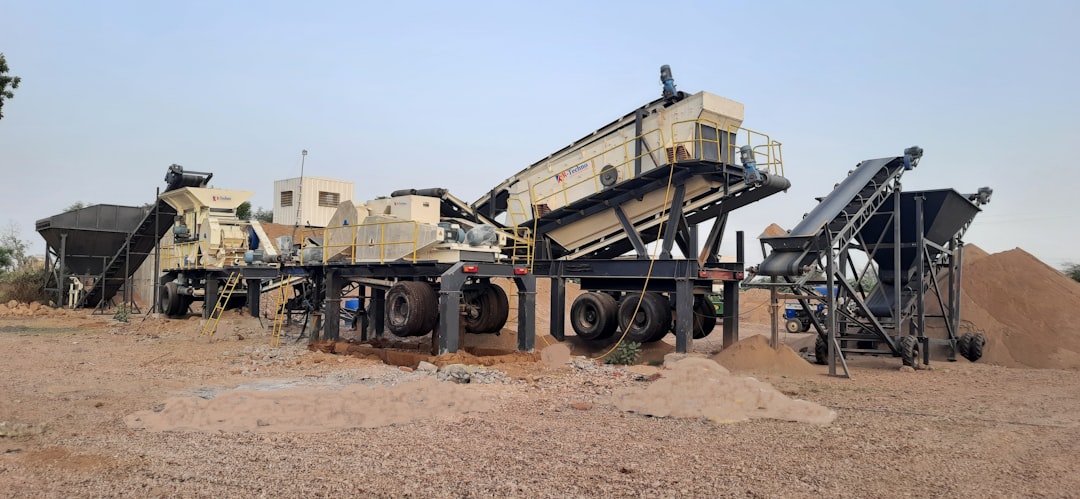
Heat stress represents a significant occupational hazard in mining operations, where workers frequently encounter extreme temperatures combined with physically demanding tasks. The interaction of elevated ambient temperatures, high humidity levels, and the inherent physical demands of mining work can result in serious health complications, including heat exhaustion and heat stroke. These conditions threaten worker health and safety while simultaneously reducing productivity and increasing operational expenses for mining enterprises.
A comprehensive understanding of heat stress physiology is essential for risk reduction and the establishment of safe working conditions. The human body maintains optimal function through precise temperature regulation mechanisms. When exposed to excessive heat, the body’s ability to maintain core temperature becomes compromised, resulting in symptoms that impair both cognitive and physical performance.
In mining environments, where tasks demand sustained concentration and significant physical effort, even moderate heat stress can produce serious consequences. Workers may develop fatigue, dizziness, and impaired mental clarity, which elevate accident and injury risk. Consequently, early identification of heat stress symptoms and implementation of preventive strategies are critical for protecting worker safety and maintaining operational effectiveness.
Learn about the environmental impacts of lithium mining in this informative video.
Key Takeaways
- Heat stress poses significant risks to mining workers and equipment performance.
- Regular maintenance and cooling systems are essential to prevent machinery overheating.
- Worker training and use of PPE help reduce heat-related health issues.
- Continuous monitoring and remote technology improve heat exposure management.
- Developing comprehensive heat stress policies with health experts enhances safety.
Importance of Regular Equipment Maintenance
Regular equipment maintenance is a cornerstone of operational efficiency in mining, particularly when it comes to managing heat stress. Machinery that is not properly maintained can overheat, leading to breakdowns that not only halt production but also expose workers to additional heat hazards. Ensuring that equipment operates within safe temperature ranges is vital for minimizing risks associated with heat stress.
This involves routine inspections, timely repairs, and adherence to manufacturer guidelines for maintenance schedules. Moreover, well-maintained equipment contributes to a safer working environment by reducing the likelihood of malfunctions that could endanger workers. For instance, cooling systems within machinery must be regularly checked and serviced to ensure they function effectively.
Neglecting these systems can lead to overheating, which not only affects the machinery but also increases ambient temperatures in the work area. By prioritizing regular maintenance, mining companies can enhance safety protocols and create a more comfortable environment for their workforce.
Implementing Cooling Systems for Machinery
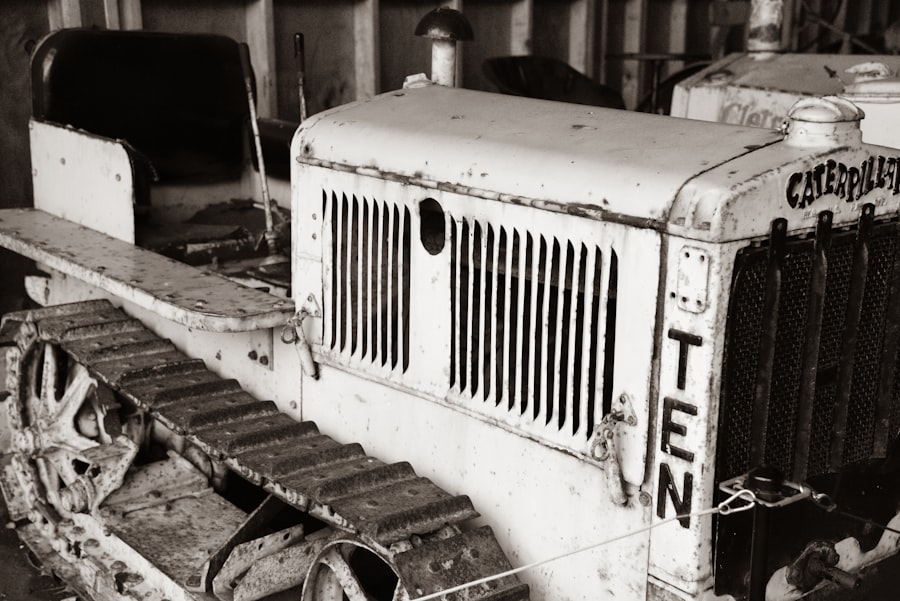
The implementation of cooling systems for machinery is a proactive approach to combatting heat stress in mining operations. These systems are designed to regulate the temperature of equipment, ensuring that it operates efficiently even in high-temperature environments. Various cooling technologies are available, ranging from traditional air conditioning units to advanced liquid cooling systems that can significantly lower the temperature of machinery components.
Investing in effective cooling systems not only prolongs the lifespan of equipment but also enhances worker safety by reducing the overall heat load in the mining environment. For example, when machinery operates at optimal temperatures, it generates less heat, which can contribute to a cooler atmosphere for workers. Additionally, integrating cooling systems into equipment design can lead to improved performance and reduced downtime due to overheating issues.
As such, mining companies should consider these systems as essential components of their operational strategy.
Training and Education for Workers
Training and education play a pivotal role in preventing heat stress among mining workers. It is essential for employees to understand the risks associated with high temperatures and the importance of recognizing early signs of heat-related illnesses. Comprehensive training programs should cover topics such as hydration strategies, acclimatization processes, and the proper use of personal protective equipment (PPE).
Furthermore, ongoing education is crucial as it reinforces safety protocols and keeps workers informed about best practices for managing heat exposure. Regular workshops and refresher courses can help maintain awareness and encourage a culture of safety within the organization.
When workers feel confident in their ability to identify and respond to heat stress, they are more likely to take necessary precautions, ultimately leading to a safer work environment.
Monitoring and Managing Heat Exposure
| Metric | Description | Typical Range/Value | Impact on Equipment |
|---|---|---|---|
| Operating Temperature | Temperature at which mining equipment operates | 40°C – 80°C (104°F – 176°F) | Higher temps increase risk of overheating and failure |
| Heat Stress Duration | Length of time equipment is exposed to high temperatures | 4 – 12 hours per shift | Prolonged exposure accelerates wear and component degradation |
| Failure Rate Due to Heat Stress | Percentage of equipment failures attributed to heat stress | 15% – 30% | Significant contributor to downtime and maintenance costs |
| Cooling System Efficiency | Effectiveness of cooling mechanisms in maintaining safe temps | 70% – 90% | Lower efficiency leads to increased heat stress and failures |
| Mean Time Between Failures (MTBF) | Average operational time before failure occurs | 500 – 1500 hours | Heat stress reduces MTBF significantly |
| Ambient Mine Temperature | Environmental temperature inside the mine | 30°C – 50°C (86°F – 122°F) | Higher ambient temps increase equipment heat load |
| Preventive Maintenance Frequency | Interval between scheduled maintenance to prevent heat damage | Every 250 – 500 operational hours | More frequent maintenance reduces failure risk |
Monitoring and managing heat exposure is essential for maintaining worker safety in mining operations. This involves implementing strategies to assess environmental conditions regularly and track individual worker exposure levels. Utilizing tools such as wet bulb globe temperature (WBGT) meters can provide real-time data on heat stress risk factors, allowing supervisors to make informed decisions regarding work schedules and rest breaks.
In addition to environmental monitoring, it is important for companies to establish protocols for managing heat exposure among workers. This may include implementing work-rest cycles that allow employees to take breaks in cooler areas or providing access to hydration stations stocked with water and electrolyte-replenishing beverages. By actively managing heat exposure, mining companies can significantly reduce the incidence of heat-related illnesses and enhance overall worker well-being.
Utilizing Personal Protective Equipment (PPE)
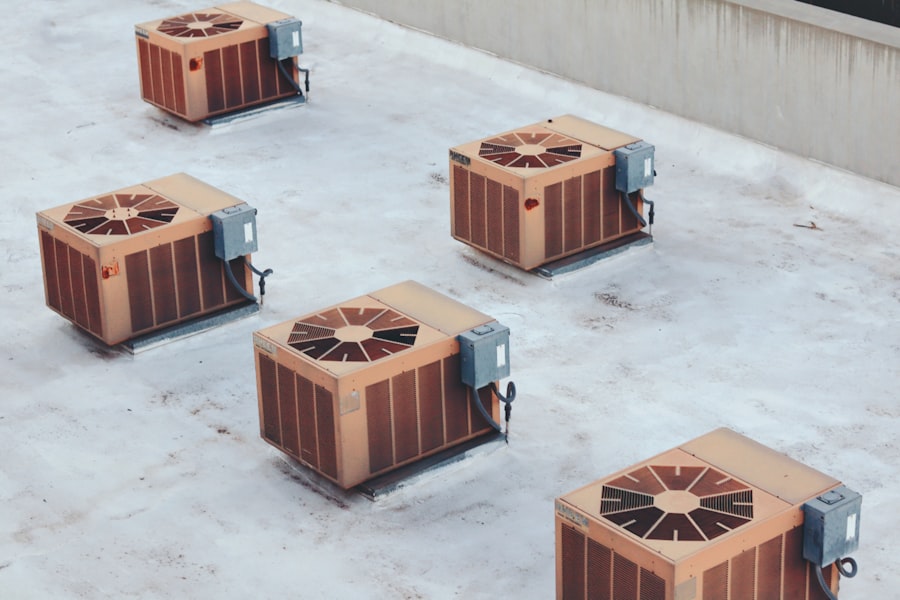
The use of personal protective equipment (PPE) is a critical component in safeguarding workers from heat stress in mining environments. While PPE is often associated with protection against physical hazards, it also plays a vital role in thermal regulation. Selecting appropriate clothing that allows for breathability while providing necessary protection from environmental hazards is essential for minimizing heat accumulation.
Employers should prioritize providing PPE designed specifically for high-temperature conditions. This may include lightweight, moisture-wicking fabrics that help keep workers cool while still offering protection from potential hazards such as sharp objects or chemicals. Additionally, educating workers on the proper use and maintenance of PPE can further enhance its effectiveness in preventing heat stress.
By fostering a culture that values PPE usage, mining companies can create a safer work environment that prioritizes employee health.
Creating a Heat Stress Management Plan
Developing a comprehensive heat stress management plan is crucial for any mining operation aiming to protect its workforce from the dangers of excessive heat exposure. Such a plan should outline specific policies and procedures for identifying, assessing, and mitigating heat stress risks. It should also include guidelines for monitoring environmental conditions and establishing protocols for responding to heat-related incidents.
A well-structured management plan not only provides clear direction for supervisors and workers but also fosters accountability within the organization. By involving employees in the development of this plan, companies can ensure that it addresses their unique needs and concerns regarding heat stress. Regular reviews and updates to the plan will help maintain its relevance as working conditions change or new technologies emerge.
Conducting Regular Inspections of Equipment
Conducting regular inspections of equipment is an integral part of maintaining safety standards in mining operations, particularly concerning heat stress management. These inspections should focus on identifying potential issues that could lead to overheating or malfunctions during operation. By systematically checking machinery components such as cooling systems, ventilation fans, and exhaust systems, companies can proactively address problems before they escalate into serious hazards.
In addition to preventing equipment failures, regular inspections also serve as an opportunity to educate workers about the importance of equipment maintenance in relation to their safety. When employees understand how well-maintained machinery contributes to a safer working environment, they are more likely to take ownership of their responsibilities regarding equipment care. This collaborative approach fosters a culture of safety that benefits both workers and the organization as a whole.
Utilizing Remote Monitoring Technology
The advent of remote monitoring technology has revolutionized how mining companies manage heat stress risks in their operations. By employing sensors and data analytics tools, organizations can continuously monitor environmental conditions and equipment performance from a distance. This real-time data allows supervisors to make informed decisions regarding worker safety without needing constant physical presence on-site.
Remote monitoring technology can also facilitate early detection of potential overheating issues within machinery, enabling timely interventions before problems escalate into costly breakdowns or safety incidents. Furthermore, this technology can be integrated with wearable devices that track individual worker exposure levels, providing valuable insights into how different employees are affected by heat stress throughout their shifts. By leveraging these advancements, mining companies can enhance their ability to manage heat-related risks effectively.
Implementing Heat Stress Policies and Procedures
Implementing robust heat stress policies and procedures is essential for creating a safe working environment in mining operations. These policies should clearly outline expectations regarding worker behavior during high-temperature conditions, including guidelines for hydration practices, acclimatization processes, and emergency response protocols for heat-related illnesses. By establishing clear procedures, companies can ensure that all employees understand their roles in preventing heat stress.
Moreover, effective communication is key when implementing these policies.
Encouraging open dialogue between management and workers fosters a culture of safety where employees feel comfortable voicing concerns or suggesting improvements related to heat exposure risks.
Collaboration with Occupational Health Professionals
Collaboration with occupational health professionals is vital for developing effective strategies to combat heat stress in mining operations. These experts bring valuable insights into best practices for managing worker health in extreme conditions and can assist companies in creating tailored programs that address specific challenges faced by their workforce. By partnering with occupational health professionals, mining companies can ensure that their approaches are evidence-based and aligned with industry standards.
Additionally, occupational health professionals can play a crucial role in conducting assessments of workplace conditions and identifying potential areas for improvement regarding heat stress management. Their expertise can help organizations implement effective monitoring systems, develop training programs, and establish protocols for responding to heat-related incidents. Ultimately, this collaboration enhances the overall health and safety framework within mining operations while promoting a culture of well-being among employees.
Heat stress can significantly impact equipment performance in mining operations, leading to potential failures and costly downtime. For a deeper understanding of this issue, you can read more about the implications of heat stress on mining equipment in the article found at this link. Addressing heat-related challenges is crucial for maintaining operational efficiency and ensuring the safety of personnel in extreme conditions.
WATCH THIS! 🌍 “THE WATER IS GONE: Inside the Desert Killing the EV Revolution
FAQs
What is heat stress in the context of mining?
Heat stress in mining refers to the physical strain experienced by workers and equipment due to high temperatures and humidity levels commonly found in underground and surface mining environments. It can affect worker health and the performance of mining equipment.
How does heat stress cause equipment failure in mining?
Heat stress can lead to equipment failure by causing overheating of machinery components, degradation of lubricants, increased wear and tear, and electrical malfunctions. Prolonged exposure to high temperatures can reduce the lifespan and reliability of mining equipment.
What types of mining equipment are most vulnerable to heat stress?
Equipment such as diesel engines, hydraulic systems, electrical motors, ventilation fans, and conveyor belts are particularly vulnerable to heat stress. These systems rely on proper cooling and lubrication, which can be compromised in high-temperature environments.
What are common signs of heat stress-related equipment failure?
Common signs include unusual noises, reduced operational efficiency, frequent breakdowns, overheating warnings, increased maintenance needs, and visible damage such as melted components or degraded seals.
How can mining operations prevent heat stress equipment failure?
Preventative measures include regular maintenance and inspections, installing adequate cooling and ventilation systems, using heat-resistant materials and lubricants, monitoring equipment temperature, and implementing operational controls to reduce heat exposure.
What role does ventilation play in managing heat stress in mining?
Ventilation is critical in controlling ambient temperature and humidity levels in mining environments. Proper ventilation helps dissipate heat generated by equipment and workers, reducing the risk of heat stress and equipment overheating.
Are there specific standards or guidelines for managing heat stress in mining equipment?
Yes, organizations such as the Mine Safety and Health Administration (MSHA) and the International Organization for Standardization (ISO) provide guidelines and standards for managing heat stress and ensuring equipment safety in mining operations.
Can heat stress affect worker safety in mining?
Absolutely. Heat stress can lead to heat exhaustion, heat stroke, dehydration, and reduced cognitive function in workers, increasing the risk of accidents and injuries. Managing heat stress is essential for both worker safety and equipment reliability.
What technologies are used to monitor heat stress in mining equipment?
Technologies include temperature sensors, thermal imaging cameras, real-time monitoring systems, and predictive maintenance software that analyze equipment conditions to detect early signs of heat-related issues.
How does climate change impact heat stress risks in mining?
Climate change can increase ambient temperatures and the frequency of heatwaves, exacerbating heat stress risks for both workers and equipment in mining operations, making effective heat management strategies increasingly important.