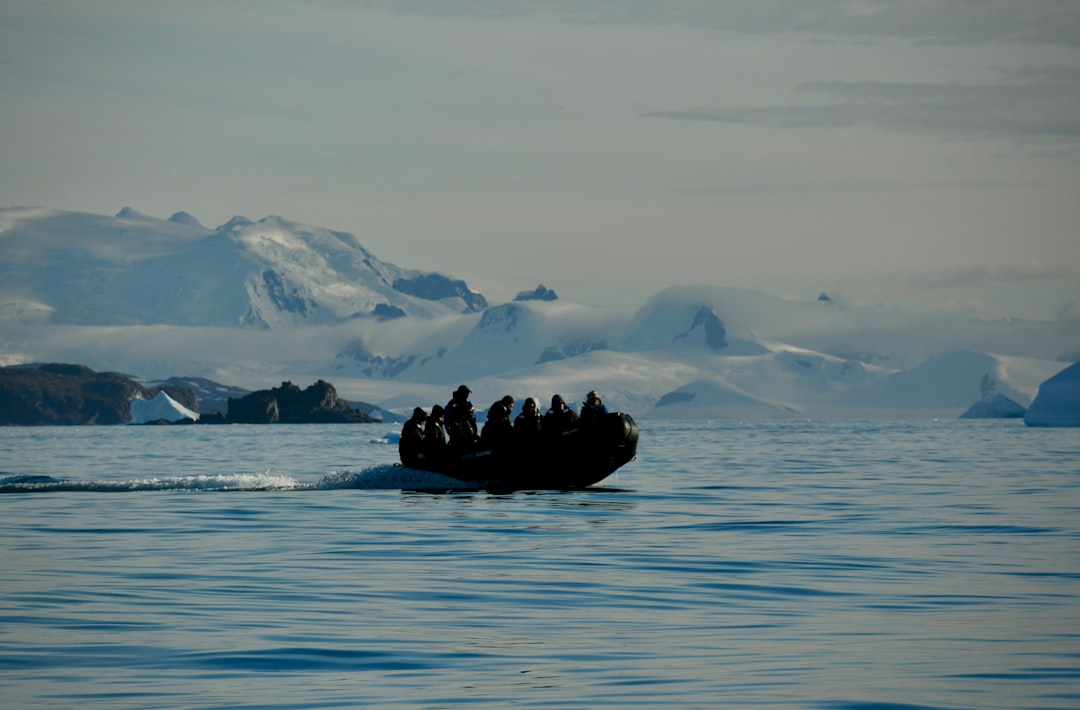
The Drake Passage is a body of water located between South America and Antarctica, characterized by rough seas and dramatic scenery. It is named after Sir Francis Drake, an English explorer who sailed through the region in the late 16th century. The passage serves as an important maritime route for travel and exploration, providing access to Antarctica’s ice-covered terrain and supporting scientific research and wildlife studies.
The Drake Passage represents a significant geographical corridor for polar exploration. Crossing the Drake Passage presents considerable challenges for mariners. The journey involves unpredictable weather patterns and strong ocean currents that test the capabilities of experienced sailors.
The passage experiences some of the most severe maritime conditions on Earth, including high winds and substantial wave heights.
The passage remains a critical gateway for those conducting polar research and studying Antarctic fauna and flora.
The treacherous waters of the Drake Passage are known for their unpredictable weather and powerful currents.
Key Takeaways
- The Drake Passage is a crucial and unique maritime route connecting the Atlantic and Pacific Oceans.
- It hosts diverse wildlife, including seabirds, whales, and seals, making it a rich area for nature encounters.
- The region is known for its challenging weather and rough seas, requiring careful navigation and preparation.
- The passage holds historical importance as a key route for explorers and researchers over centuries.
- Crossing the Drake Passage offers unforgettable experiences, combining adventure, wildlife, and scientific discovery.
The unique geography of the Drake Passage
The geography of the Drake Passage is characterized by its narrow width and deep waters, which create a unique marine environment. Stretching approximately 800 kilometers (500 miles) from Cape Horn in Chile to the Antarctic Peninsula, the passage is one of the most significant maritime routes in the world. Its depth reaches over 4,000 meters (13,000 feet) in some areas, contributing to its reputation as a challenging body of water for navigation.
The convergence of the Atlantic and Pacific Oceans within this passage results in complex oceanic currents that can create rough seas, particularly during stormy weather. The underwater topography of the Drake Passage is equally fascinating. The seafloor features a series of ridges and valleys that influence marine life and oceanic circulation.
This unique geography not only affects navigation but also plays a crucial role in the distribution of nutrients in the water, supporting diverse ecosystems. The interplay between the cold Antarctic waters and the warmer currents from the north creates a rich habitat for various species, making the Drake Passage an area of interest for marine biologists and ecologists.
Wildlife encounters in the Drake Passage
The Drake Passage is a haven for wildlife enthusiasts, offering unparalleled opportunities to observe a variety of marine species in their natural habitat. The nutrient-rich waters support an abundance of life, including krill, which serves as a primary food source for many larger animals. As travelers navigate these waters, they may encounter majestic whales, including humpback, minke, and orca whales, which are often seen breaching or feeding in the area.
The sight of these magnificent creatures is a highlight for many who venture into the passage. In addition to whales, seabirds are abundant in the Drake Passage. Species such as albatrosses, petrels, and skuas can be spotted soaring above the waves, taking advantage of the strong winds that sweep through the region.
The sight of an albatross gliding effortlessly across the sky is a breathtaking experience that captures the essence of this remote environment. For those interested in ornithology, the passage offers a unique opportunity to observe these birds up close and learn about their behaviors and habitats.
Weather and climate in the Drake Passage
The weather in the Drake Passage is notoriously unpredictable, characterized by rapidly changing conditions that can shift from calm to stormy within moments. The region experiences strong winds and heavy seas, particularly during the winter months when storms are more frequent. Travelers should be prepared for a range of weather conditions, from sunny skies to torrential rain and snow.
This variability adds an element of adventure to any journey through the passage but also requires careful planning and preparation. The climate in the Drake Passage is influenced by its proximity to Antarctica, resulting in cooler temperatures year-round. Summer months (November to March) offer milder conditions, making it the preferred time for expeditions and cruises.
During this period, temperatures can range from 0°C to 10°C (32°F to 50°F), providing a more comfortable experience for travelers. However, even in summer, it is essential to dress in layers and be prepared for sudden changes in weather that can occur at any time.
Historical significance of the Drake Passage
| Metric | Value | Notes |
|---|---|---|
| Annual Tourist Visits | ~50,000 | Approximate number of tourists crossing Drake Passage to Antarctica per year |
| Average Crossing Duration | 2 days | Time taken to cross the Drake Passage from South America to Antarctica |
| Distance | 800 km (500 miles) | Approximate width of the Drake Passage |
| Sea Conditions | Highly variable | Can range from calm to very rough seas, affecting travel comfort |
| Common Wildlife Sightings | Albatross, whales, seals, penguins | Species often seen during the passage and in Antarctic waters |
| Environmental Impact | Moderate | Tourism regulated to minimize ecological footprint |
| Number of Vessels Annually | ~50 | Number of cruise ships and expedition vessels crossing annually |
| Typical Season | November to March | Southern Hemisphere summer, peak tourism period |
The historical significance of the Drake Passage cannot be overstated. It has long been a critical route for explorers, traders, and scientists seeking to navigate between continents. Sir Francis Drake’s expedition in 1578 marked one of the first recorded crossings of this treacherous waterway, paving the way for future exploration of Antarctica and beyond.
Over the centuries, numerous explorers have braved its waters in search of new lands and resources, contributing to our understanding of geography and navigation. In addition to its role in exploration, the Drake Passage has also been significant in maritime history due to its challenges. Many ships have met their fate in these turbulent waters, leading to advancements in navigation technology and safety protocols.
The passage has become synonymous with adventure and risk-taking, embodying the spirit of exploration that has driven humanity to push boundaries throughout history.
Activities and excursions in the Drake Passage

For those venturing into the Drake Passage, a plethora of activities and excursions await. Many travelers embark on cruises that offer guided tours through this stunning region, providing opportunities to witness wildlife up close and explore remote islands along the way. These cruises often include educational programs led by naturalists who share insights about the unique ecosystems and history of the area.
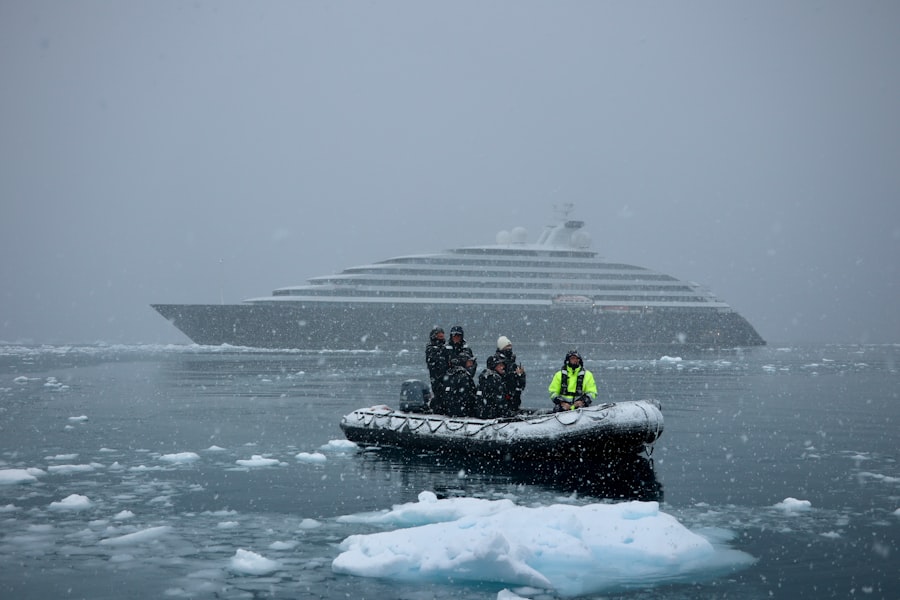
In addition to cruising, kayaking is a popular activity for those seeking a more intimate experience with nature. Paddling through icy waters allows adventurers to get closer to icebergs and marine life while enjoying breathtaking views of the surrounding landscapes. For thrill-seekers, zodiac excursions provide an exhilarating way to explore hidden coves and observe wildlife from a different perspective.
Each activity offers a unique way to connect with this remarkable environment and create lasting memories.
Research opportunities in the Drake Passage
The Drake Passage serves as an important site for scientific research due to its unique marine ecosystems and climatic conditions. Researchers from around the world flock to this region to study various aspects of oceanography, marine biology, and climate change. The convergence of different ocean currents creates an ideal environment for studying nutrient distribution and its impact on marine life.
Additionally, researchers are increasingly focused on understanding how climate change affects this fragile ecosystem.
Collaborative research efforts often involve universities, governmental organizations, and environmental NGOs working together to gather data that can inform conservation strategies and policy decisions.
Conservation efforts in the Drake Passage
Conservation efforts in the Drake Passage are vital to preserving its unique ecosystems and protecting marine life from human impact. Various organizations are dedicated to promoting sustainable practices in this region, focusing on issues such as overfishing, pollution, and climate change. Initiatives aimed at reducing plastic waste and promoting responsible tourism are essential components of these conservation efforts.
Furthermore, international agreements such as the Antarctic Treaty System play a crucial role in safeguarding this pristine environment. These agreements establish guidelines for scientific research and tourism activities while ensuring that human presence does not compromise the delicate balance of marine ecosystems. Ongoing education and awareness campaigns are also essential in fostering a sense of responsibility among travelers who visit this remarkable region.
Navigating the Drake Passage: Tips for a smooth journey
Navigating the Drake Passage can be an exhilarating experience, but it also requires careful preparation to ensure a smooth journey. Travelers should consider booking with reputable tour operators who have experience navigating these waters and prioritize safety measures on board their vessels. It is advisable to check weather forecasts regularly before embarking on any journey through the passage.
Packing appropriately is crucial for comfort during travel. Layered clothing is recommended due to fluctuating temperatures, along with waterproof gear to protect against rain or splashes from waves. Seasickness can be common in these turbulent waters; therefore, travelers may want to bring motion sickness medication or remedies just in case.
Being mentally prepared for potential rough seas can also enhance one’s experience while crossing this iconic passage.
The allure of crossing the Drake Passage
The allure of crossing the Drake Passage lies not only in its breathtaking landscapes but also in its sense of adventure and discovery. For many travelers, this journey represents a significant milestone—a chance to explore one of Earth’s last frontiers while connecting with nature on an intimate level. The thrill of navigating through unpredictable waters adds an element of excitement that few other travel experiences can match.
Moreover, crossing the Drake Passage often serves as a prelude to exploring Antarctica itself—a dream destination for many adventurers seeking solitude amidst stunning ice formations and unique wildlife encounters. The anticipation builds as travelers approach their destination; each wave that crashes against their vessel brings them closer to one of nature’s most awe-inspiring regions.
The unforgettable experience of the Drake Passage
In conclusion, traversing the Drake Passage is an unforgettable experience that combines adventure with natural beauty and historical significance. From its unique geography to its rich biodiversity, this remarkable body of water offers something for everyone—whether it be wildlife encounters or opportunities for scientific research. As travelers navigate its unpredictable waters, they become part of a long tradition of exploration that has shaped our understanding of this remote corner of the world.
The memories created while crossing the Drake Passage will linger long after one’s journey has ended—each wave crashing against the hull serving as a reminder of nature’s power and beauty. For those who seek adventure beyond conventional travel experiences, there are few places as captivating as this iconic passage between continents—a true testament to humanity’s enduring spirit of exploration.
Antarctic tourism has been on the rise, with many adventurers eager to explore the breathtaking landscapes and unique wildlife of the region. One of the most challenging yet rewarding routes for travelers is through the Drake Passage, known for its rough seas and stunning views. For more insights into the experiences and considerations of Antarctic tourism, you can read a related article on this topic at My Geo Quest.
WATCH THIS 🛑 Drake Passage: Earth’s Deadliest Waters Revealed
FAQs
What is the Drake Passage?
The Drake Passage is the body of water located between the southern tip of South America (Cape Horn) and the northern tip of the Antarctic Peninsula. It connects the Atlantic and Pacific Oceans and is known for its rough seas and challenging weather conditions.
Why is the Drake Passage important for Antarctic tourism?
The Drake Passage is the main route for ships traveling from South America to Antarctica. Most Antarctic cruises and expeditions cross the Drake Passage to reach the continent, making it a critical part of Antarctic tourism.
How long does it take to cross the Drake Passage?
The crossing typically takes about 1.5 to 2 days, depending on weather and sea conditions. The distance is approximately 800 kilometers (500 miles).
What kind of vessels are used for Antarctic tourism across the Drake Passage?
Tourists usually travel on specially designed expedition cruise ships or research vessels equipped to handle the rough seas and cold temperatures of the Drake Passage and Antarctic waters.
What are the weather conditions like in the Drake Passage?
The Drake Passage is known for its unpredictable and often harsh weather, including strong winds, large waves, and cold temperatures. Conditions can change rapidly, making the crossing challenging.
Is it safe to travel through the Drake Passage?
Yes, it is generally safe when traveling on well-equipped vessels with experienced crews. However, passengers should be prepared for potentially rough seas and follow safety instructions provided by the tour operators.
What wildlife can be seen during the Drake Passage crossing?
Travelers may see various seabirds such as albatrosses and petrels, as well as marine mammals like whales, dolphins, and seals during the crossing.
When is the best time to visit Antarctica via the Drake Passage?
The Antarctic tourism season typically runs from November to March, during the Southern Hemisphere summer, when weather conditions are milder and wildlife is more active.
Are there any environmental concerns related to tourism in the Drake Passage and Antarctica?
Yes, there are concerns about the impact of tourism on the fragile Antarctic ecosystem. Strict regulations and guidelines are in place to minimize environmental impact, including limits on the number of visitors and rules for waste management and wildlife interaction.
Do travelers need special permits to cross the Drake Passage and visit Antarctica?
Travelers do not need a special permit to cross the Drake Passage, but visiting Antarctica is regulated under the Antarctic Treaty System. Tour operators must comply with international agreements designed to protect the environment and ensure responsible tourism.