Navigation has evolved significantly from ancient celestial methods to modern satellite technology. Early humans navigated using stars, the sun, and the moon to determine their position during travel. Ancient mariners observed constellations and celestial bodies to guide ocean voyages.
The Polynesians developed sophisticated navigation techniques using knowledge of stars, ocean currents, and wind patterns to traverse the Pacific Ocean across vast distances. Navigation methods advanced as civilizations developed. The compass, invented in the 11th century, represented a major advancement by allowing sailors to determine direction regardless of weather conditions that obscured celestial bodies.
During the Age of Exploration, European navigators traveled into uncharted waters for discovery and trade purposes. The development of precise maps and instruments such as sextants and chronometers enabled explorers to chart courses with greater accuracy. These innovations established the foundation for contemporary navigation systems.
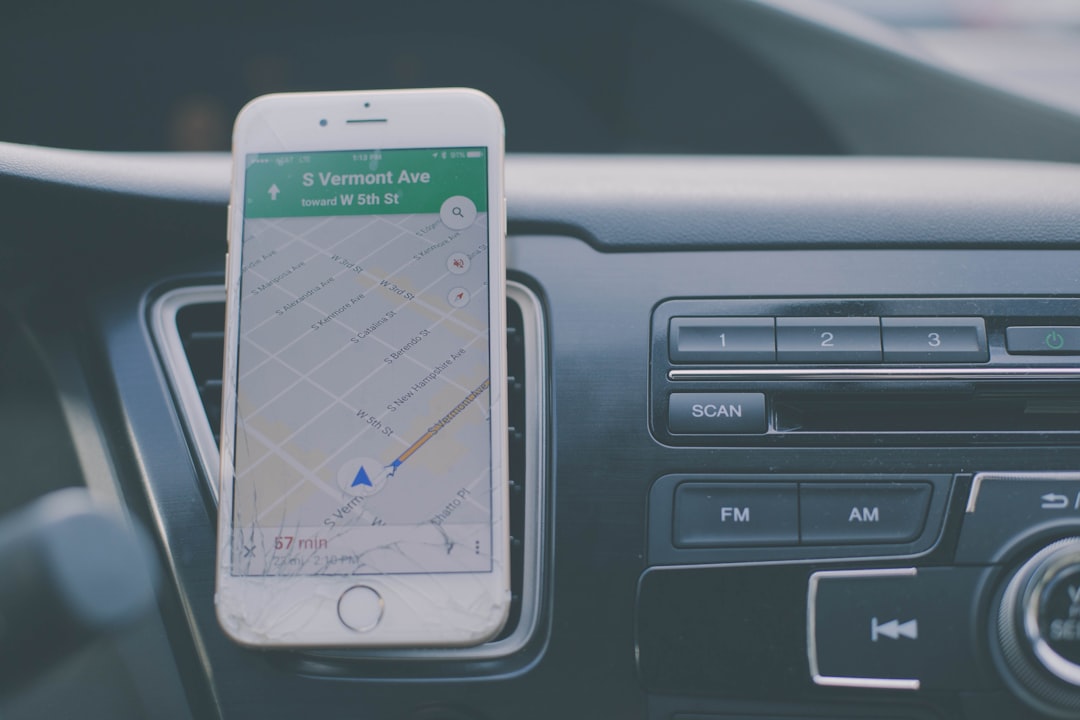
The Global Positioning System (GPS), developed in the late 20th century, represents the culmination of navigation technology advancement. GPS has fundamentally changed navigation practices for individuals and industries worldwide.
Key Takeaways
- Navigation has evolved from using celestial bodies to advanced satellite technology.
- Modern navigation relies heavily on technology but still benefits from natural cues like the sun and stars.
- Traditional wayfinding skills, including landmark recognition and compass use, remain vital for outdoor activities.
- Overreliance on GPS can lead to challenges, highlighting the need to learn indigenous and natural navigation methods.
- The future of navigation involves integrating technological advances with time-tested natural techniques for better accuracy and reliability.
The Role of Technology in Modern Navigation
In contemporary society, technology plays an indispensable role in navigation, reshaping how people traverse both familiar and unfamiliar terrains. GPS technology has become ubiquitous, providing real-time location data that is accessible through smartphones and dedicated devices. This advancement has not only enhanced personal navigation but has also revolutionized industries such as logistics, aviation, and maritime operations.
With GPS, drivers can receive turn-by-turn directions, while pilots can navigate complex airspaces with precision. The integration of mapping applications has further simplified navigation by offering users detailed information about traffic conditions, alternative routes, and estimated arrival times. However, the reliance on technology for navigation comes with its own set of challenges.
While GPS provides convenience and efficiency, it can also lead to a diminished understanding of traditional navigation skills. Many individuals have become overly dependent on their devices, often neglecting to develop their innate sense of direction or map-reading abilities. This reliance raises concerns about what might happen in situations where technology fails—such as during natural disasters or in remote areas where signals are weak or nonexistent.
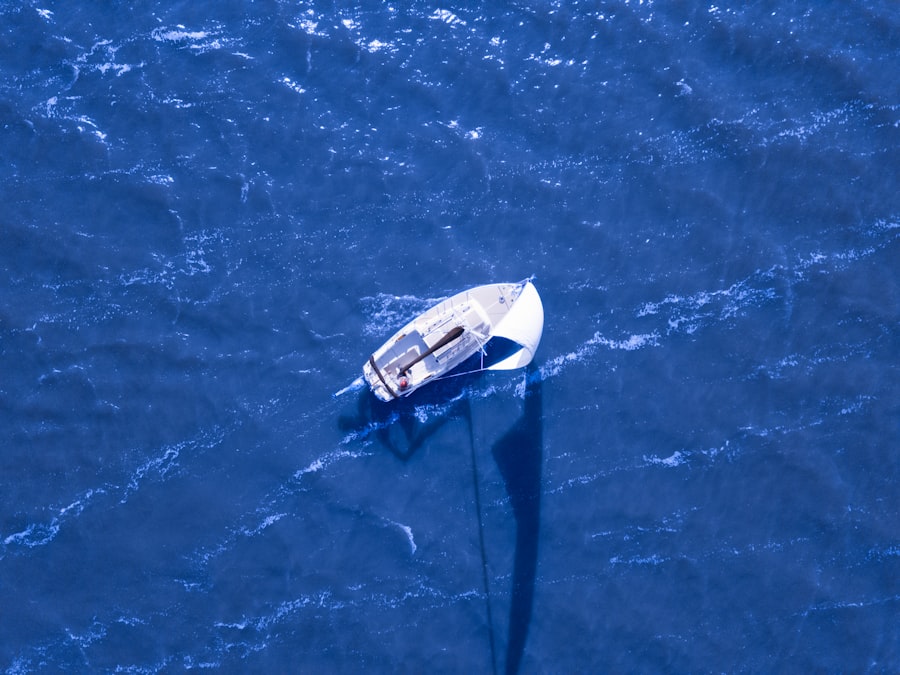
As society continues to embrace technological advancements in navigation, it becomes increasingly important to strike a balance between leveraging these tools and maintaining fundamental navigational skills. The treacherous waters of the Drake Passage are known for their unpredictable weather and challenging navigation.
Understanding Natural Navigation: Using the Sun, Moon, and Stars
Natural navigation remains a vital skill that connects individuals to their surroundings in a profound way. By observing celestial bodies such as the sun, moon, and stars, one can gain insights into direction and time. For instance, the sun rises in the east and sets in the west, providing a reliable reference point during daylight hours.
By noting the position of the sun at different times of day, navigators can estimate their cardinal directions. Similarly, the moon’s phases and position can offer guidance during nighttime travels. The North Star, or Polaris, has long been a beacon for those navigating in the Northern Hemisphere due to its fixed position in the sky.
Understanding these natural cues requires not only observation but also an appreciation for the rhythms of nature. Indigenous cultures around the world have honed these skills over generations, using them to navigate vast landscapes without modern tools. For example, the Inuit people have developed intricate knowledge of their environment, relying on the sun’s position and seasonal changes to guide their movements across icy terrains.
By embracing natural navigation techniques, individuals can cultivate a deeper connection with their environment while enhancing their ability to navigate without technological aids.
The Art of Wayfinding: Navigating by Landmarks and Natural Signs
Wayfinding is an art that involves navigating through landscapes by recognizing landmarks and interpreting natural signs. This practice has been essential for countless cultures throughout history, allowing them to traverse vast distances without relying solely on maps or compasses. Landmarks such as mountains, rivers, and distinctive rock formations serve as reference points that help travelers orient themselves within their surroundings.
For instance, a towering mountain may indicate a specific direction or destination, while a winding river can guide individuals toward fertile lands or settlements. In addition to physical landmarks, natural signs such as animal behavior and plant growth can provide valuable information for navigation. Observing animal migration patterns or noting which plants thrive in certain conditions can help individuals understand their environment better.
Indigenous peoples have long utilized these signs to navigate their territories effectively. For example, some Native American tribes would follow specific animal trails or observe seasonal changes in vegetation to find food sources or safe passage through challenging terrains. By honing the art of wayfinding, individuals can develop a more intuitive understanding of their environment while fostering a sense of place and belonging.
The Importance of Compass Navigation in Outdoor Activities
| Aspect | Modern Navigation | Nature-Based Navigation |
|---|---|---|
| Primary Tools | GPS devices, digital maps, compasses, radar | Sun, stars, landmarks, ocean currents, wind patterns |
| Accuracy | Within a few meters | Varies; generally within hundreds of meters depending on skill |
| Dependence on Technology | High | None |
| Environmental Impact | Electronic waste, energy consumption | Minimal; uses natural cues |
| Learning Curve | Moderate; requires understanding of devices and software | High; requires deep knowledge of natural signs and experience |
| Reliability in Adverse Conditions | Can fail due to signal loss or device malfunction | Can be more reliable if natural cues are visible and understood |
| Speed of Route Planning | Instantaneous with software | Time-consuming; requires observation and interpretation |
| Use Cases | Urban travel, aviation, maritime navigation, hiking with devices | Traditional seafaring, indigenous travel, survival situations |
Despite advancements in technology, compass navigation remains an essential skill for outdoor enthusiasts and adventurers alike.
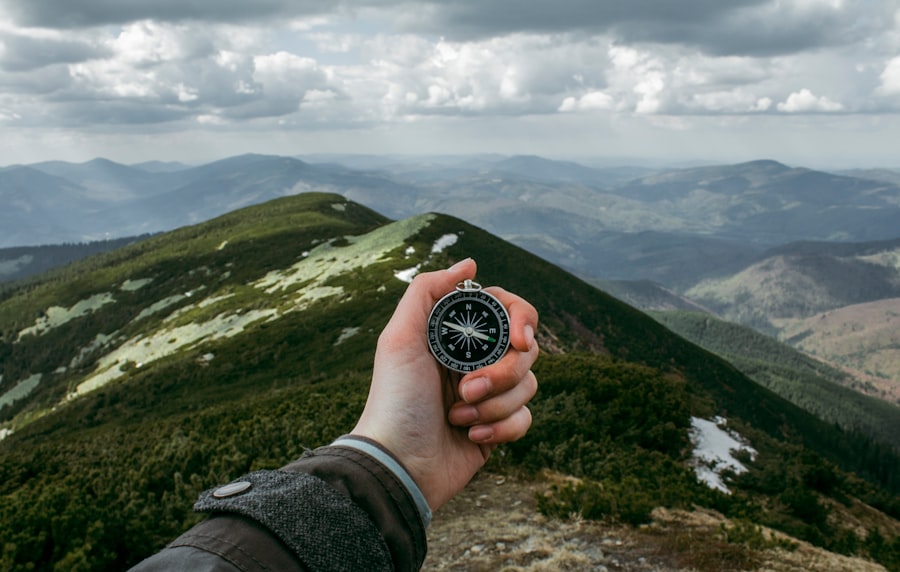
Whether hiking through dense forests or traversing rugged mountains, having a compass on hand can provide reassurance and guidance when navigating off established trails.
Unlike GPS devices that rely on batteries and signals, compasses are simple mechanical instruments that require no power source—making them invaluable in remote areas where technology may fail. Moreover, learning to use a compass effectively enhances one’s overall navigational skills. Understanding how to read topographic maps in conjunction with a compass allows outdoor enthusiasts to plan routes more effectively and make informed decisions about their journeys.
This knowledge fosters confidence in navigating diverse terrains while promoting safety during outdoor activities.
Challenges of Modern Navigation: GPS Reliance and Technology Failures
While modern navigation technologies have undoubtedly improved efficiency and convenience, they also present significant challenges that cannot be overlooked. One major concern is the over-reliance on GPS systems, which can lead to a decline in traditional navigational skills among users. Many individuals now depend solely on their devices for directions without developing an understanding of maps or basic orientation techniques.
This reliance can be particularly problematic in emergency situations where technology may fail due to battery depletion or signal loss. Additionally, GPS systems are not infallible; they are susceptible to inaccuracies caused by various factors such as atmospheric conditions or interference from buildings and natural obstacles. Instances of GPS errors leading travelers astray are not uncommon—ranging from minor detours to dangerous situations where individuals find themselves lost in unfamiliar territories.
As society continues to embrace technological advancements in navigation, it is crucial to recognize these limitations and encourage individuals to cultivate complementary skills that enhance their ability to navigate effectively without complete dependence on technology.
Developing Navigation Skills: Learning from Indigenous Cultures
Indigenous cultures around the world possess rich traditions of navigation that offer valuable lessons for contemporary society. These communities have developed intricate systems of knowledge passed down through generations—skills honed through lived experiences in diverse environments. By studying these practices, modern navigators can gain insights into alternative methods of wayfinding that prioritize observation and connection with nature.
For instance, many Indigenous peoples utilize storytelling as a means of imparting navigational knowledge. Through oral traditions, they share tales that highlight significant landmarks or seasonal changes that guide movement across landscapes. This approach not only preserves cultural heritage but also reinforces the importance of understanding one’s environment intimately.
By engaging with Indigenous perspectives on navigation, individuals can cultivate a deeper appreciation for their surroundings while developing practical skills that transcend technological reliance.
Integrating Modern and Natural Navigation Techniques for Optimal Results
The future of navigation lies in finding harmony between modern technologies and traditional methods. By integrating both approaches, individuals can enhance their navigational capabilities while fostering a deeper connection with their environment. For example, using GPS technology alongside map-reading skills allows travelers to verify their positions while remaining aware of their surroundings.
This dual approach encourages critical thinking and adaptability—qualities essential for effective navigation. Moreover, incorporating natural navigation techniques into modern practices can enrich outdoor experiences significantly. For instance, hikers can use landmarks observed along their route to supplement GPS directions or employ celestial navigation techniques during nighttime travels.
By blending these methods seamlessly, individuals can cultivate resilience against potential technological failures while embracing the beauty of nature’s guidance.
The Impact of Environmental Factors on Navigation
Navigating through diverse environments presents unique challenges influenced by various environmental factors such as weather conditions, terrain types, and seasonal changes. For instance, heavy rain or fog can obscure visibility and make it difficult to rely solely on visual cues for navigation. Similarly, rugged terrains may require different strategies than flat landscapes—requiring navigators to adapt their techniques accordingly.
Understanding these environmental influences is crucial for effective navigation; it allows individuals to anticipate potential obstacles while planning their routes strategically. For example, knowing how seasonal changes affect river levels or animal migration patterns can inform decisions about when to travel through specific areas safely. By developing an awareness of environmental factors impacting navigation choices—whether through traditional knowledge or modern technology—individuals can enhance their overall navigational proficiency.
Navigating in Remote Areas: Using Nature as a Guide
In remote areas where technology may falter or be entirely absent, relying on nature becomes paramount for successful navigation. Understanding local flora and fauna can provide essential clues about one’s surroundings; for instance, certain plants may indicate proximity to water sources while animal tracks might reveal pathways used by wildlife over time. Additionally, natural features such as mountains or rivers serve as reliable landmarks that guide travelers through unfamiliar territories.
Moreover, developing an intuitive sense of direction based on environmental cues fosters resilience during outdoor adventures—especially when faced with unexpected challenges like sudden weather changes or equipment failures. By honing these skills through practice and observation—whether through solo expeditions or guided experiences—individuals can cultivate confidence in navigating remote landscapes while deepening their connection with nature.
The Future of Navigation: Balancing Technology and Traditional Methods
As society continues to advance technologically at an unprecedented pace, the future of navigation will likely involve a delicate balance between embracing innovation and preserving traditional methods. While GPS technology offers unparalleled convenience and efficiency for everyday travel needs—its limitations necessitate an ongoing commitment to developing foundational navigational skills rooted in nature’s guidance. By fostering an appreciation for both modern tools and traditional practices—individuals can cultivate resilience against potential technological failures while enhancing their overall navigational proficiency across diverse environments.
Ultimately—the future of navigation lies not solely within devices but rather within each person’s ability to connect with their surroundings meaningfully—drawing upon centuries-old wisdom alongside cutting-edge advancements as they chart their courses through life’s journey.
In today’s world, the debate between modern navigation technologies and traditional methods rooted in nature continues to evolve. A fascinating article that explores this topic in depth is available at this link. It discusses how advancements in GPS and digital mapping have transformed the way we navigate, while also highlighting the importance of understanding natural navigation techniques that have been used for centuries.
WATCH THIS 🛑 Drake Passage: Earth’s Deadliest Waters Revealed
FAQs
What is modern navigation?
Modern navigation refers to the use of advanced technology such as GPS (Global Positioning System), digital maps, and electronic compasses to determine location and plan routes. It relies on satellites, sensors, and computer systems to provide accurate and real-time positioning information.
What does navigation using nature involve?
Navigation using nature involves traditional methods such as reading the sun, stars, wind patterns, landmarks, and natural signs like animal trails or plant growth to determine direction and location. It is often referred to as natural or traditional navigation.
How accurate is modern navigation compared to natural navigation?
Modern navigation is generally more accurate and reliable, providing precise location data within meters or even centimeters. Natural navigation depends on the navigator’s skill and environmental conditions, making it less precise but still effective in many situations.
What are the advantages of modern navigation?
Advantages of modern navigation include high accuracy, ease of use, real-time updates, route optimization, and the ability to navigate in unfamiliar or complex environments. It also enhances safety by providing emergency location services.
What are the benefits of using nature for navigation?
Using nature for navigation promotes a deeper understanding of the environment, enhances survival skills, and does not rely on technology or batteries. It can be useful in remote areas where modern devices may fail or lack signal.
Can modern navigation replace natural navigation completely?
While modern navigation is widely used and highly effective, natural navigation skills remain valuable, especially in situations where technology fails or is unavailable. Many experts recommend learning both methods for comprehensive navigation ability.
What are some common tools used in modern navigation?
Common tools include GPS devices, smartphones with navigation apps, digital compasses, radar, sonar, and electronic chart display systems used in aviation and maritime navigation.
What natural indicators are commonly used in traditional navigation?
Natural indicators include the position of the sun and stars, the direction of prevailing winds, the flow of rivers, the growth patterns of moss on trees, and the behavior of animals.
Is natural navigation still taught or practiced today?
Yes, natural navigation is still taught and practiced, especially among indigenous communities, outdoor enthusiasts, sailors, and survival experts. It is also studied for cultural preservation and environmental education.
How do environmental conditions affect natural navigation?
Environmental conditions such as weather, visibility, and seasonal changes can significantly impact the effectiveness of natural navigation. For example, cloudy skies can obscure celestial bodies, and dense forests may limit landmark visibility.