
The Drake Passage is a body of water located between the southern tip of South America and Antarctica, approximately 800 kilometers (500 miles) wide. It is named after English explorer Sir Francis Drake, who sailed through the region in the late 16th century. The passage is characterized by severe weather conditions and challenging seas due to the convergence of multiple ocean systems.
The Drake Passage serves as a critical junction where the Atlantic, Pacific, and Southern Oceans meet, creating a unique marine environment. This convergence generates powerful ocean currents, including the Antarctic Circumpolar Current, which is the world’s largest ocean current. The passage supports diverse marine species and plays a significant role in global ocean circulation patterns.
The passage functions as a key component of the global thermohaline circulation, commonly referred to as the ocean conveyor belt. This circulation system transports heat and nutrients across the world’s oceans and significantly influences global climate patterns and temperature regulation.
Scientific research in the Drake Passage provides valuable data on ocean dynamics, climate systems, and marine ecosystems. The extreme conditions and oceanographic significance of the passage make it an important area for understanding how ocean processes influence global environmental patterns and climate change.
Key Takeaways
- The Drake Passage is a critical ocean gateway influencing Earth’s climate and ocean circulation.
- It hosts the Antarctic Circumpolar Current, which plays a key role in regulating global climate patterns.
- The passage supports unique oceanographic conditions vital for the Southern Ocean ecosystem and global carbon cycling.
- Climate change poses significant risks to the Drake Passage’s physical and ecological dynamics.
- Ongoing research and conservation efforts aim to protect the Drake Passage amid environmental changes.
The role of the Drake Passage in regulating Earth’s climate
The Drake Passage plays an instrumental role in regulating Earth’s climate through its influence on ocean currents and heat distribution. The interaction between the cold waters of the Southern Ocean and the warmer waters from the Atlantic and Pacific Oceans creates a unique thermal dynamic that affects weather patterns far beyond its immediate vicinity. This mixing of waters contributes to the formation of the Antarctic Circumpolar Current, which encircles Antarctica and acts as a barrier to warmer oceanic influences from the north.
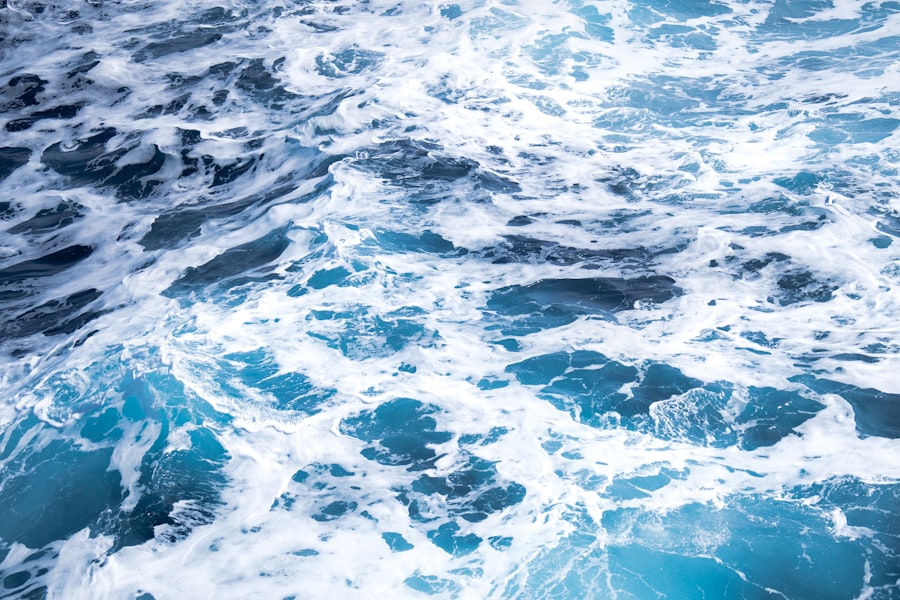
Moreover, the passage facilitates the transport of cold, nutrient-rich waters to the surface, promoting phytoplankton growth that forms the foundation of the Southern Ocean’s food web. This biological productivity not only supports local marine life but also plays a significant role in carbon sequestration. By absorbing carbon dioxide from the atmosphere, these waters help mitigate climate change effects, underscoring the Drake Passage’s importance in maintaining global climate stability. The treacherous waters of the Drake Passage are known for their unpredictable weather and powerful currents.
The unique oceanographic features of the Drake Passage

The oceanographic characteristics of the Drake Passage are as diverse as they are complex. One of its most notable features is the Antarctic Circumpolar Current (ACC), which is the world’s largest ocean current. This current flows continuously around Antarctica, driven by strong westerly winds and the unique geography of the continent.
The ACC not only influences local marine ecosystems but also has far-reaching effects on global ocean circulation patterns. In addition to the ACC, the Drake Passage is characterized by its deep-sea trenches and underwater topography, which create varied habitats for marine life. The mixing of different water masses leads to significant temperature gradients and salinity variations, fostering a rich biodiversity that includes species such as krill, seals, and various types of whales.
These unique oceanographic features make the Drake Passage a critical area for scientific research, as understanding these dynamics can provide insights into broader oceanic processes.
The impact of the Antarctic Circumpolar Current on global climate
The Antarctic Circumpolar Current (ACC) is a powerful force that significantly impacts global climate systems. As it flows around Antarctica, it acts as a barrier that prevents warmer waters from reaching the continent, thereby maintaining its icy conditions. This current also plays a crucial role in regulating heat distribution across the world’s oceans, influencing weather patterns in regions far removed from its immediate vicinity.
The ACC’s ability to transport vast amounts of heat and nutrients has profound implications for marine ecosystems and climate regulation.
By facilitating the exchange of heat between different ocean basins, the ACC also influences atmospheric circulation patterns, affecting weather systems across continents and contributing to phenomena such as El Niño and La Niña.
The significance of the Drake Passage in the Southern Ocean ecosystem
| Metric | Value | Unit | Description |
|---|---|---|---|
| Average Sea Surface Temperature | 1.5 | °C | Typical temperature of the Drake Passage surface waters |
| Salinity | 34.5 | PSU | Average salinity level in the Drake Passage |
| Water Current Speed | 2.5 | m/s | Average speed of the Antarctic Circumpolar Current through the passage |
| Heat Transport | 100 | TW (terawatts) | Estimated heat transported by the Drake Passage currents |
| Depth | 2000 | m | Average depth of the Drake Passage |
| Role in Earth’s Thermostat | High | N/A | Significance in regulating global climate by controlling ocean heat distribution |
The Drake Passage is a vital component of the Southern Ocean ecosystem, serving as a migratory route for numerous marine species. Its nutrient-rich waters support an abundance of phytoplankton, which forms the base of the food web and sustains larger organisms such as krill, fish, seals, and seabirds. The passage’s unique environmental conditions create a rich tapestry of habitats that are essential for breeding and feeding.
Additionally, the Drake Passage acts as a critical corridor for migratory species traveling between feeding grounds in the Southern Ocean and breeding sites on land or ice. For example, many whale species traverse these waters during their seasonal migrations, relying on the passage’s rich resources to sustain them during their journeys. The ecological significance of this area cannot be overstated; it is a hotspot for biodiversity that plays an essential role in maintaining healthy marine ecosystems.
The connection between the Drake Passage and the global carbon cycle
The Drake Passage is intricately linked to the global carbon cycle through its role in carbon sequestration and nutrient cycling. The cold waters of this passage absorb significant amounts of carbon dioxide from the atmosphere, helping to mitigate climate change impacts. This process is particularly important given rising atmospheric CO2 levels due to human activities.
Phytoplankton blooms in the nutrient-rich waters of the Drake Passage play a crucial role in this carbon cycling process. As these microscopic organisms photosynthesize, they draw down carbon dioxide from the water column and convert it into organic matter. When these organisms die or are consumed by larger marine animals, some of this carbon sinks to deeper ocean layers, effectively sequestering it away from the atmosphere for extended periods.
This natural mechanism highlights how vital the Drake Passage is not only for local ecosystems but also for global climate regulation.
The role of the Drake Passage in driving oceanic and atmospheric circulation
The Drake Passage serves as a critical junction for both oceanic and atmospheric circulation patterns. Its geographical position allows for significant interactions between different ocean currents, particularly through the flow of cold Antarctic waters meeting warmer currents from other oceans. This interaction is essential for driving thermohaline circulation—the global conveyor belt that regulates climate by distributing heat across oceans.
In addition to its influence on ocean currents, the Drake Passage also affects atmospheric circulation patterns. The strong westerly winds that prevail in this region contribute to weather systems that can impact areas as far away as North America and Europe. These winds help drive surface currents and influence storm tracks, demonstrating how interconnected Earth’s systems are and how changes in one area can have cascading effects globally.
The potential effects of climate change on the Drake Passage
Climate change poses significant threats to the delicate balance within the Drake Passage ecosystem and its broader climatic functions. As global temperatures rise, melting ice from Antarctica could alter salinity levels and disrupt current patterns within this vital waterway. Such changes could have profound implications for marine life that relies on stable environmental conditions for survival.
Moreover, shifts in temperature could affect phytoplankton productivity, which is crucial for carbon sequestration and supporting marine food webs. A decline in these primary producers could lead to cascading effects throughout the ecosystem, impacting everything from krill populations to larger predators like seals and whales. Understanding these potential changes is critical for developing effective conservation strategies aimed at preserving this unique environment.
Research and scientific exploration in the Drake Passage
The Drake Passage has long been a focal point for scientific research due to its unique oceanographic features and ecological significance. Numerous research expeditions have been conducted to study everything from marine biodiversity to climate change impacts within this region. Scientists utilize advanced technologies such as autonomous underwater vehicles and satellite imagery to gather data on water temperature, salinity, and biological productivity.
Research conducted in this area has yielded valuable insights into global climate systems and marine ecology. For instance, studies have shown how changes in ocean currents can influence weather patterns across continents or how shifts in species distributions may signal broader environmental changes. Continued exploration of the Drake Passage is essential for enhancing understanding of these complex interactions and informing conservation efforts aimed at protecting this vital ecosystem.
Conservation efforts and protection of the Drake Passage
Given its ecological significance and vulnerability to climate change, conservation efforts in the Drake Passage are increasingly important. Various international agreements aim to protect marine biodiversity within this region while promoting sustainable fishing practices that minimize ecological disruption. Organizations such as the Commission for the Conservation of Antarctic Marine Living Resources (CCAMLR) work collaboratively with countries involved in Antarctic research to establish protected areas that safeguard critical habitats.
Public awareness campaigns also play a crucial role in conservation efforts by highlighting the importance of preserving this unique environment. Engaging local communities and stakeholders can foster a sense of stewardship over marine resources while promoting sustainable tourism practices that minimize human impact on fragile ecosystems. As climate change continues to pose challenges to marine environments worldwide, proactive conservation measures will be essential for ensuring the long-term health of the Drake Passage.
The future of the Drake Passage in a changing climate
The future of the Drake Passage remains uncertain as climate change continues to reshape global environments. Predictions indicate that rising temperatures will lead to further melting of Antarctic ice, potentially altering current patterns and impacting marine ecosystems within this vital waterway. These changes could have far-reaching consequences not only for local biodiversity but also for global climate systems.
However, there is hope that continued research and conservation efforts can mitigate some of these impacts. By enhancing understanding of how climate change affects oceanic processes within the Drake Passage, scientists can develop strategies aimed at preserving its ecological integrity. Collaborative international efforts will be crucial in addressing these challenges while fostering resilience within this unique environment for generations to come.
In conclusion, while challenges abound regarding climate change’s impact on ecosystems like those found within the Drake Passage, proactive measures can help safeguard its future significance both ecologically and climatically.
The Drake Passage plays a crucial role in regulating Earth’s climate, often referred to as the planet’s thermostat. This unique body of water facilitates the exchange of heat and nutrients between the Atlantic and Pacific Oceans, significantly impacting global weather patterns. For a deeper understanding of how ocean currents influence climate, you can read more in this related article on My Geo Quest.
WATCH THIS 🛑 Drake Passage: Earth’s Deadliest Waters Revealed
FAQs
What is the Drake Passage?
The Drake Passage is a body of water located between the southern tip of South America and the northern tip of the Antarctic Peninsula. It connects the southwestern part of the Atlantic Ocean with the southeastern part of the Pacific Ocean.
Why is the Drake Passage important for Earth’s climate?
The Drake Passage plays a crucial role in Earth’s climate system because it allows the Antarctic Circumpolar Current (ACC) to flow uninterrupted around Antarctica. This current helps regulate global ocean circulation and heat distribution, acting as a natural thermostat for the planet.
How does the Drake Passage influence ocean circulation?
The Drake Passage enables the Antarctic Circumpolar Current to circulate cold water around Antarctica, which drives the global “conveyor belt” of ocean currents. This circulation helps transport heat and nutrients across the world’s oceans, impacting weather patterns and climate.
What is meant by the term “Earth’s thermostat” in relation to the Drake Passage?
The term “Earth’s thermostat” refers to the Drake Passage’s role in regulating global temperatures by controlling the flow of cold Antarctic waters. This regulation helps maintain a balance in Earth’s climate by influencing ocean heat uptake and atmospheric temperatures.
Has the Drake Passage always existed in its current form?
No, the Drake Passage formed around 30 to 40 million years ago when South America separated from Antarctica. This opening allowed the Antarctic Circumpolar Current to develop, which significantly impacted global climate by isolating Antarctica and promoting its glaciation.
How might changes in the Drake Passage affect future climate?
Changes in the Drake Passage, such as alterations in current strength or water temperature, could disrupt global ocean circulation patterns. This disruption may affect heat distribution, potentially leading to shifts in climate and weather patterns worldwide.
Can the Drake Passage be studied to understand past climate changes?
Yes, scientists study sediment cores and oceanographic data from the Drake Passage to reconstruct past ocean conditions and climate changes. These studies help improve understanding of how ocean currents and Earth’s thermostat functioned over geological time.