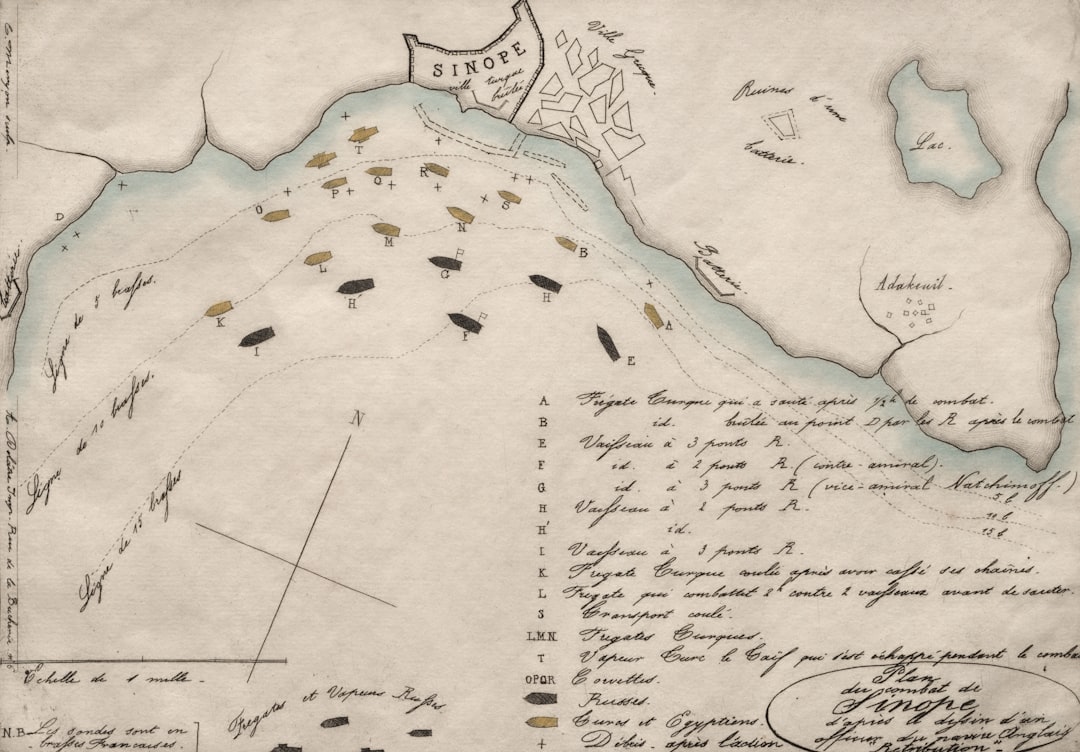
The Drake Passage is a body of water located between the southern tip of South America and Antarctica, approximately 800 kilometers (500 miles) wide. It connects the Atlantic and Pacific Oceans and serves as a critical maritime route to the Antarctic region. The passage is named after English explorer Sir Francis Drake, who sailed through these waters in the late 16th century.
The Drake Passage is characterized by severe weather conditions and rough seas. Waves regularly reach heights of 15 meters (49 feet), and strong winds are common throughout the year. These hazardous conditions have made it one of the most challenging maritime routes in the world.
Despite its dangerous conditions, the Drake Passage supports significant marine biodiversity. The region is home to whales, seals, and numerous seabird species. The combination of ocean currents and climatic conditions creates a distinct ecosystem that attracts scientific research and wildlife observation activities.
The passage remains an important route for maritime commerce and polar exploration.
Key Takeaways
- The Drake Passage is a crucial and challenging maritime route connecting the Atlantic and Pacific Oceans.
- Early explorations revealed its treacherous conditions, leading to numerous shipwrecks and navigation difficulties.
- Advances in modern technology have significantly improved the safety and efficiency of voyages through the passage.
- Environmental concerns have prompted conservation efforts to protect the unique ecosystem of the region.
- The future of navigating the Drake Passage involves balancing maritime trade demands with environmental sustainability.
Early Explorations and Discoveries
The history of exploration in the Drake Passage dates back to the late 1500s when Sir Francis Drake became one of the first Europeans to traverse these treacherous waters. His journey was part of a larger expedition aimed at circumnavigating the globe, and it marked a significant milestone in maritime exploration. Drake’s accounts of his voyage provided valuable insights into the geography and conditions of the passage, laying the groundwork for future explorers.
His navigation through these perilous waters not only showcased his skills as a sailor but also highlighted the potential for new trade routes and discoveries in the southern hemisphere. Following Drake’s pioneering journey, numerous explorers sought to chart the Drake Passage and uncover its secrets. In the 18th century, figures such as Captain James Cook ventured into these waters, conducting extensive surveys and mapping the region.
Cook’s expeditions were instrumental in expanding knowledge about Antarctica and its surrounding seas. His meticulous records and observations contributed significantly to cartography and navigation, providing a clearer understanding of the Drake Passage’s geography. These early explorations set the stage for subsequent voyages that would further illuminate the mysteries of this formidable maritime corridor. The treacherous waters of the Drake Passage are known for their unpredictable weather and challenging navigation.
Challenges of Navigating the Drake Passage
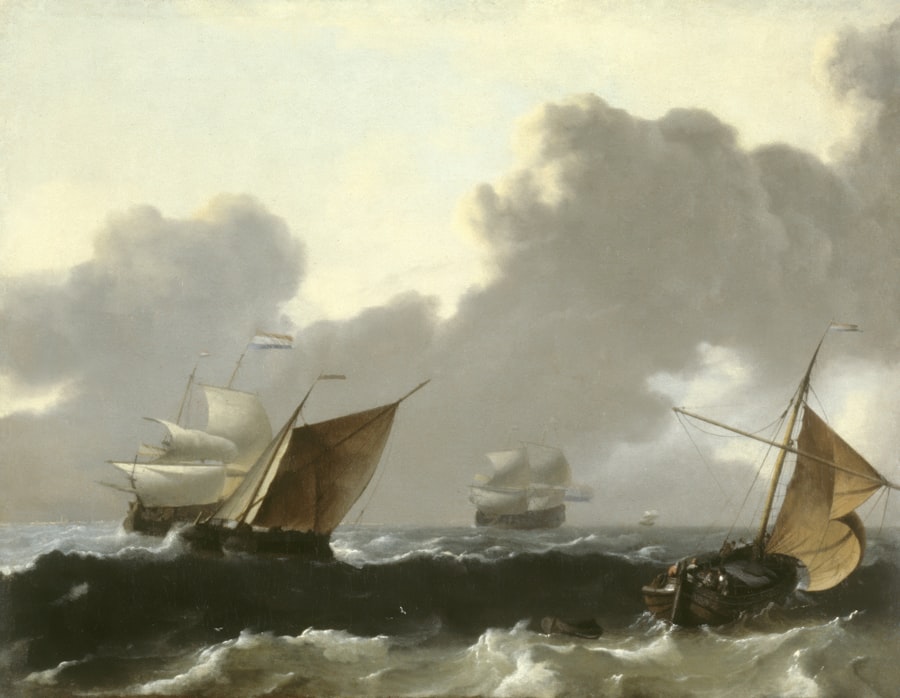
Navigating the Drake Passage presents a myriad of challenges that have tested even the most seasoned mariners. The unpredictable weather patterns are perhaps the most daunting aspect, with storms capable of developing rapidly and without warning. Sailors often find themselves contending with fierce winds that can shift direction suddenly, creating treacherous conditions for vessels attempting to traverse the passage.
The combination of strong currents and turbulent seas can lead to a disorienting experience for those unaccustomed to such extremes, making careful navigation essential. Moreover, the passage’s unique geography contributes to its challenges. The convergence of cold Antarctic waters with warmer currents from the north creates a volatile environment where fog and rough seas are common.
This unpredictability necessitates advanced navigational skills and equipment, as well as a deep understanding of meteorological patterns. For many sailors, successfully navigating the Drake Passage is not just a test of skill but also a demonstration of resilience in the face of nature’s formidable forces. The passage remains a rite of passage for adventurers seeking to prove their mettle against one of the world’s most challenging maritime routes.
Notable Shipwrecks and Disasters
The treacherous nature of the Drake Passage has led to numerous shipwrecks and maritime disasters throughout history. One of the most infamous incidents occurred in 1914 when the SS Endurance, captained by Ernest Shackleton, became trapped in pack ice while attempting to reach Antarctica. The ship ultimately sank after months of entrapment, forcing Shackleton and his crew to embark on a harrowing journey across the ice and open water in search of rescue.
This tale of survival has become legendary, illustrating both the dangers inherent in navigating these waters and the indomitable spirit of those who dare to venture into them. Another notable disaster was the sinking of the MV Kulluk in 2012, which ran aground near Kodiak Island after losing power during a storm while en route through the passage. The incident highlighted not only the perils faced by modern vessels but also raised questions about safety protocols and preparedness in navigating such challenging waters.
These shipwrecks serve as stark reminders of the Drake Passage’s unforgiving nature, underscoring the importance of respecting its power while also advancing maritime safety measures.
The Race to Discover a Safe Route
| Metric | Value | Description |
|---|---|---|
| Location | Between Cape Horn (South America) and the South Shetland Islands (Antarctica) | Geographical position of the Drake Passage |
| Width | Approx. 800 km (500 miles) | Distance between the closest points of South America and Antarctica |
| Depth | Up to 3,400 meters (11,155 feet) | Maximum depth of the Drake Passage |
| First European Navigation | 1578 | Sir Francis Drake’s circumnavigation, first known European to sail through the passage |
| Significance in Maritime History | Major shipping route before Panama Canal | Key route for ships traveling between Atlantic and Pacific Oceans |
| Average Sea Temperature | 1°C to 5°C (34°F to 41°F) | Typical surface water temperature range |
| Notable Shipwrecks | Numerous, including the SS City of Rio de Janeiro (1901) | Due to rough seas and storms |
| Current Maritime Traffic | Moderate to High | Used by research vessels, cruise ships, and cargo ships |
Throughout history, there has been an ongoing quest to discover safer routes through the Drake Passage. As maritime trade expanded and interest in Antarctic exploration grew, navigators sought ways to mitigate risks associated with this perilous stretch of water. In the early 20th century, advancements in ship design and navigation technology began to emerge, leading to improved safety measures for vessels traversing these waters.
The introduction of ice-strengthened ships allowed for more reliable travel through icy conditions, while enhanced navigational tools provided greater accuracy in charting courses. Despite these advancements, challenges remained. The quest for a safe route through the Drake Passage has often been hindered by unpredictable weather patterns and shifting ice conditions.
Nevertheless, ongoing research into ocean currents and climate patterns continues to inform navigational strategies. Modern explorers and scientists are dedicated to understanding these dynamics better, striving to create safer pathways for future generations of mariners navigating this formidable passage.
Modern Navigation and Technology
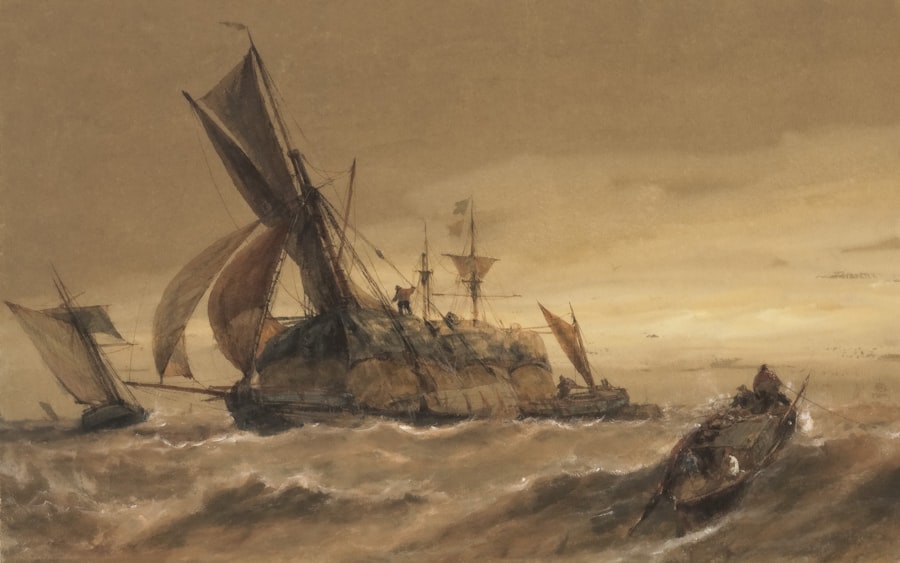
In recent years, advancements in technology have revolutionized navigation through the Drake Passage. Modern vessels are equipped with sophisticated radar systems, GPS technology, and real-time weather monitoring tools that enhance safety and efficiency during voyages. These innovations allow sailors to make informed decisions based on current conditions, significantly reducing risks associated with navigating this challenging waterway.
Additionally, satellite imagery has become an invaluable resource for mariners traversing the Drake Passage. By providing detailed visual data on ice formations and weather patterns, satellite technology enables sailors to plan their routes more effectively. This integration of technology into maritime navigation not only enhances safety but also fosters greater confidence among crews embarking on journeys through these treacherous waters.
As technology continues to evolve, it holds promise for further improving navigation in one of the world’s most challenging maritime environments.
The Impact of the Drake Passage on Maritime Trade
The Drake Passage plays a crucial role in global maritime trade by serving as a vital link between major shipping routes in the Atlantic and Pacific Oceans. Its strategic location facilitates access to markets in South America, North America, Europe, and beyond. As international trade has expanded over the years, so too has reliance on this passage for transporting goods between continents.
However, navigating these waters is not without its challenges. The unpredictable weather conditions can lead to delays and increased costs for shipping companies. Nevertheless, advancements in navigation technology have allowed vessels to traverse this route more efficiently than ever before.
As global trade continues to grow, understanding and adapting to the unique challenges posed by the Drake Passage will remain essential for ensuring smooth maritime operations.
Famous Expeditions and Voyages
The Drake Passage has been a backdrop for numerous famous expeditions that have shaped our understanding of polar regions and maritime exploration. One such expedition was led by Sir Ernest Shackleton during his ill-fated journey aboard the Endurance in 1914. Shackleton’s determination to reach Antarctica despite overwhelming odds has become synonymous with adventure and resilience in exploration history.
Another notable voyage was that of Captain James Cook in the 18th century when he undertook extensive mapping of the region during his explorations of Antarctica. Cook’s meticulous records provided invaluable insights into ocean currents and geography that continue to inform modern navigation practices today. These expeditions not only contributed significantly to scientific knowledge but also inspired generations of explorers who followed in their footsteps.
Environmental Concerns and Conservation Efforts
As interest in exploring the Drake Passage grows, so too do concerns about its environmental impact. The delicate ecosystems within this region face threats from climate change, pollution, and increased maritime traffic associated with tourism and commercial shipping.
Conservation efforts are underway to protect vulnerable species and habitats within the Drake Passage.
By fostering collaboration between scientists, policymakers, and industry stakeholders, there is hope for preserving this vital ecosystem for future generations.
Tales of Survival and Heroism
The Drake Passage is replete with tales of survival that highlight human resilience in extreme conditions. One such story is that of Shackleton’s crew after their ship sank; they endured months on ice floes before making a daring escape across treacherous waters in lifeboats. Their remarkable journey exemplifies courage under pressure—a testament to human determination against nature’s formidable forces.
Another inspiring tale comes from modern adventurers who have braved these waters for scientific research or personal challenges. Their experiences often involve overcoming physical hardships while navigating unpredictable seas—demonstrating not only individual strength but also camaraderie among those who share similar passions for exploration.
The Future of Navigating the Drake Passage
Looking ahead, navigating through the Drake Passage will likely continue evolving alongside advancements in technology and environmental awareness. As climate change alters oceanic conditions, researchers will need to adapt their approaches to ensure safe passage while minimizing ecological impacts on this fragile ecosystem. Furthermore, ongoing collaboration between nations regarding maritime regulations will be crucial for maintaining safety standards within these waters as traffic increases due to tourism or commercial interests.
By prioritizing sustainability alongside exploration efforts—balancing human curiosity with respect for nature—future generations may navigate this iconic passage with both confidence and responsibility. In conclusion, while navigating through one of Earth’s most challenging maritime corridors presents undeniable risks—it also offers unparalleled opportunities for discovery—both scientifically enriching our understanding while inspiring awe at nature’s grandeur within its depths!
The Drake Passage, a body of water located between the southern tip of South America and Antarctica, has long been a focal point in maritime history due to its treacherous waters and significant role in exploration. For a deeper understanding of the challenges faced by early explorers navigating this perilous route, you can read more in the related article on maritime history found here. This article delves into the experiences of notable figures who traversed the Drake Passage and the impact of their journeys on our understanding of the Southern Ocean.
WATCH THIS 🛑 Drake Passage: Earth’s Deadliest Waters Revealed
FAQs
What is the Drake Passage?
The Drake Passage is a body of water located between the southern tip of South America (Cape Horn) and the northern tip of the Antarctic Peninsula. It connects the southwestern part of the Atlantic Ocean with the southeastern part of the Pacific Ocean.
Why is the Drake Passage significant in maritime history?
The Drake Passage is historically significant because it was a key route for early explorers and sailors navigating between the Atlantic and Pacific Oceans before the construction of the Panama Canal. It is known for its challenging weather and sea conditions, which tested the skills and endurance of mariners.
Who was Sir Francis Drake and what is his connection to the Drake Passage?
Sir Francis Drake was an English sea captain and explorer in the 16th century. While he did not navigate the Drake Passage itself, the passage is named after him due to his pioneering voyages around South America, which contributed to European knowledge of the region.
What are the typical weather conditions in the Drake Passage?
The Drake Passage is known for its rough seas, strong winds, and frequent storms. The convergence of the Atlantic, Pacific, and Southern Oceans creates turbulent waters, making it one of the most challenging maritime routes in the world.
How has the Drake Passage influenced global shipping and exploration?
Before the Panama Canal opened in 1914, the Drake Passage was a critical route for ships traveling between the Atlantic and Pacific Oceans. It played a vital role in global trade, exploration, and naval expeditions, despite its hazardous conditions.
What role does the Drake Passage play in modern maritime navigation?
Today, the Drake Passage remains an important route for scientific research vessels, cruise ships heading to Antarctica, and some commercial shipping. Its challenging conditions require careful navigation and experienced crews.
Are there any notable historical voyages through the Drake Passage?
Yes, many famous explorers, including Ferdinand Magellan and James Cook, navigated waters near the Drake Passage during their voyages. The passage has been a critical part of Antarctic exploration history.
What wildlife can be found in the Drake Passage?
The Drake Passage is rich in marine life, including various species of whales, seals, penguins, and seabirds. Its nutrient-rich waters support a diverse ecosystem important for scientific study.
How has climate change affected the Drake Passage?
Climate change has impacted the Drake Passage by altering sea ice patterns, water temperatures, and marine ecosystems. These changes affect both the natural environment and the conditions faced by vessels navigating the passage.
Is the Drake Passage safe for all types of ships?
Due to its rough seas and unpredictable weather, the Drake Passage is considered challenging and potentially dangerous, especially for smaller or less sturdy vessels. Ships traveling through the passage must be well-equipped and crewed by experienced sailors.