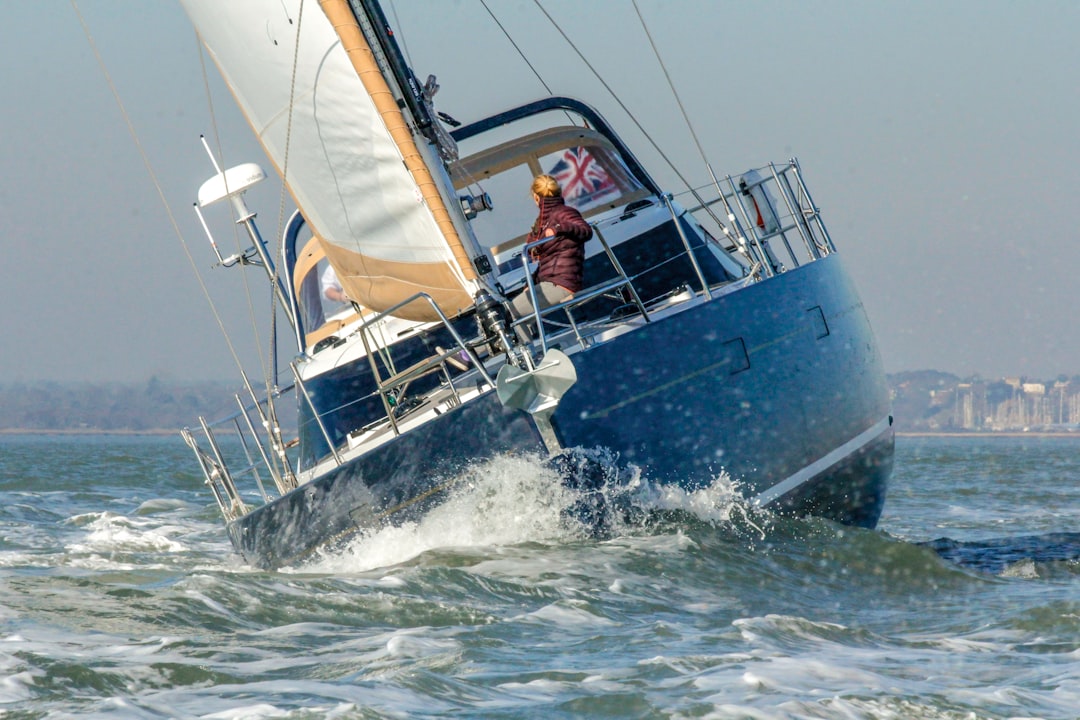
The Southern Ocean is one of the world’s most challenging bodies of water, extending from Antarctica’s coast to the southern extremities of South America, Africa, and Australia. It is characterized by persistent strong winds, large waves, and variable weather conditions.
Sailors operating in the Southern Ocean face several significant hazards. The region is known for severe storms that can develop rapidly, often with minimal warning. Strong ocean currents combined with changing weather systems create difficult conditions that test even experienced mariners.
Successful navigation of the Southern Ocean depends on thorough preparation, knowledge of local conditions, and the ability to respond quickly to changing circumstances. The ocean’s depth and scale present both navigational challenges and inherent risks that demand careful attention and respect for natural forces.
Key Takeaways
- The Southern Ocean presents unique and extreme challenges requiring specialized preparation and equipment.
- Navigating unpredictable weather and marine wildlife demands advanced skills and constant vigilance.
- Mental toughness, physical endurance, and strong teamwork are crucial for overcoming the harsh conditions.
- Learning from historical expeditions provides valuable insights into successful navigation and survival strategies.
- Environmental responsibility is essential to protect the fragile ecosystem while celebrating sailing achievements.
Preparing for the Journey: Essential Gear and Equipment for Sailing in the Southern Ocean
Preparation is key when embarking on a sailing expedition in the Southern Ocean. The right gear and equipment can mean the difference between a successful voyage and a perilous situation. Sailors must equip themselves with high-quality sailing gear designed to withstand extreme conditions.
Waterproof clothing, thermal layers, and sturdy footwear are essential to protect against the biting cold and relentless spray of seawater. Additionally, investing in a reliable life jacket and safety harness is non-negotiable, as these items can provide critical support in emergencies. Beyond personal gear, the vessel itself must be outfitted with specialized equipment to handle the challenges of the Southern Ocean.
A robust sail system capable of withstanding high winds is vital, as are reinforced rigging and durable hull materials. Sailors should also ensure that their navigation systems are up to date, incorporating advanced technology such as GPS and radar to help chart a safe course through treacherous waters. Emergency supplies, including flares, first aid kits, and communication devices, should be readily accessible to address any unforeseen circumstances that may arise during the journey. The treacherous waters of the Drake Passage are known for their unpredictable weather and powerful currents.
Weathering the Storms: Navigating the Unpredictable Weather Patterns of the Southern Ocean
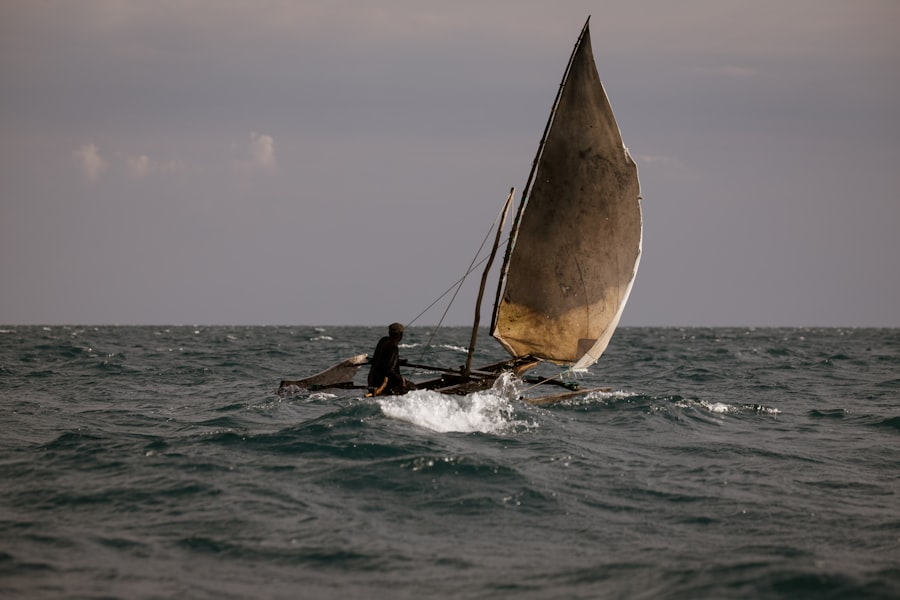
The weather in the Southern Ocean is notoriously unpredictable, often changing from calm to chaotic in a matter of moments. Sailors must develop a keen understanding of meteorological patterns to navigate these waters safely. The ocean is influenced by various factors, including the Antarctic Circumpolar Current and the surrounding landmasses, which can create sudden shifts in wind direction and intensity.
This unpredictability requires sailors to remain vigilant and adaptable, constantly monitoring weather forecasts and adjusting their plans accordingly. In addition to understanding weather patterns, sailors must also be prepared to respond quickly to changing conditions. This may involve altering sail configurations or even seeking shelter in a safe harbor when storms approach.
The ability to read the signs of impending weather changes—such as shifts in wind direction or changes in sea color—can be invaluable in avoiding dangerous situations. Ultimately, successful navigation through the Southern Ocean hinges on a sailor’s ability to anticipate and respond to the whims of nature.
Wildlife Encounters: Dealing with the Presence of Marine Life in the Southern Ocean
The Southern Ocean is home to an astonishing array of marine life, from majestic whales to playful seals and vibrant seabirds. While these encounters can be awe-inspiring, they also present unique challenges for sailors. Understanding how to coexist with this diverse wildlife is essential for ensuring both safety and respect for the natural environment.
Sailors must remain vigilant while navigating these waters, as large marine mammals can appear unexpectedly, posing potential hazards. Moreover, interactions with wildlife can also lead to unexpected delays or detours during a journey. For instance, a pod of whales may linger near a vessel, prompting sailors to slow down or change course to avoid disturbing them.
This requires not only awareness but also a deep appreciation for the delicate balance between human activity and marine ecosystems. By fostering a sense of stewardship towards these creatures, sailors can enhance their experience while contributing to the conservation of the Southern Ocean’s rich biodiversity.
The Mental and Physical Demands of Sailing in the Southern Ocean
| Challenge | Description | Impact on Sailing | Typical Conditions |
|---|---|---|---|
| Extreme Winds | Strong westerly winds known as the “Roaring Forties” and “Furious Fifties” | High risk of capsizing, difficult sail handling, increased fatigue | Winds often exceed 40 knots, gusts up to 60+ knots |
| Massive Waves | Large ocean swells generated by persistent strong winds over long distances | Challenging navigation, risk of hull damage, seasickness | Wave heights commonly 6-12 meters, occasionally exceeding 15 meters |
| Icebergs and Sea Ice | Floating ice hazards especially near Antarctic waters | Collision risk, requires constant vigilance and route adjustments | Icebergs can be several meters high, often partially submerged |
| Cold Temperatures | Sub-zero air and water temperatures | Hypothermia risk, equipment freezing, reduced crew efficiency | Air temperatures often below 0°C, water near freezing |
| Remote Location | Vast distances from rescue or support services | Limited emergency assistance, self-reliance critical | Thousands of kilometers from nearest ports or inhabited land |
| Unpredictable Weather | Rapidly changing weather patterns and storms | Requires constant weather monitoring and quick decision-making | Storms can develop within hours, visibility can drop suddenly |
Sailing in the Southern Ocean is not just a test of physical endurance; it also poses significant mental challenges. The isolation and harsh conditions can take a toll on sailors’ mental well-being, requiring them to cultivate resilience and focus throughout their journey.
Regular communication with crew members, engaging in mindfulness practices, and taking breaks when needed can help mitigate these challenges. Physical demands are equally significant. The combination of cold temperatures, rough seas, and strenuous sailing maneuvers can push even the fittest individuals to their limits.
Sailors must maintain peak physical condition through regular exercise and proper nutrition to ensure they are prepared for the rigors of life at sea. Building strength and stamina not only enhances performance but also fosters camaraderie among crew members as they work together to overcome obstacles.
Historical Expeditions: Learning from the Triumphs and Failures of Previous Sailors
The Southern Ocean has a rich history of exploration that offers valuable lessons for modern sailors. Historical expeditions have revealed both triumphs and failures that continue to inform contemporary sailing practices. From legendary voyages like those of Ernest Shackleton and James Cook to more recent adventures, each journey has contributed to a deeper understanding of this challenging environment.
By studying these accounts, sailors can gain insights into navigation techniques, survival strategies, and the importance of preparation. Moreover, historical expeditions serve as reminders of the risks associated with sailing in such treacherous waters. Many explorers faced insurmountable challenges that tested their resolve and ingenuity.
Learning from their experiences allows modern sailors to approach their journeys with humility and respect for the ocean’s power. By acknowledging past mistakes and successes, sailors can better prepare themselves for their own adventures in the Southern Ocean.
Navigation Techniques: Strategies for Safely Maneuvering Through the Southern Ocean
Navigating through the Southern Ocean requires a combination of traditional skills and modern technology. Sailors must be proficient in celestial navigation techniques while also utilizing advanced tools such as GPS and electronic charts. Understanding how to interpret navigational data is crucial for plotting safe courses through shifting currents and unpredictable weather patterns.
Additionally, maintaining situational awareness is essential; sailors should always be mindful of their surroundings and ready to adapt their plans as conditions change. One effective strategy for navigating these waters involves using waypoints—specific geographic locations that serve as reference points during a journey. By establishing waypoints based on current conditions and anticipated weather patterns, sailors can create flexible routes that allow for adjustments as needed.
This approach not only enhances safety but also fosters confidence among crew members as they work together to navigate through challenging terrain.
The Importance of Teamwork: Building Strong Relationships and Communication on Board
Sailing in the Southern Ocean is rarely a solo endeavor; it often requires a cohesive team working together towards a common goal. Building strong relationships among crew members is essential for fostering effective communication and collaboration on board. Trust and camaraderie are vital components that enable sailors to navigate challenges together while supporting one another through difficult moments.
Effective communication is particularly important during high-stress situations when quick decision-making is crucial. Crew members must feel comfortable expressing their thoughts and concerns while also being receptive to feedback from others. Regular team meetings before setting sail can help establish clear roles and responsibilities while encouraging open dialogue about expectations and potential challenges ahead.
By prioritizing teamwork, sailors can enhance their overall experience while ensuring safety throughout their journey.
Resilience and Perseverance: Overcoming Setbacks and Challenges While Sailing in the Southern Ocean
Setbacks are an inevitable part of any sailing expedition, especially in the unpredictable environment of the Southern Ocean. Whether facing equipment failures, adverse weather conditions, or personal challenges among crew members, resilience becomes paramount in overcoming obstacles. Sailors must cultivate a mindset that embraces adaptability and perseverance; this allows them to navigate difficulties with determination rather than despair.
Developing resilience involves recognizing that setbacks are opportunities for growth rather than insurmountable barriers. By fostering a positive attitude among crew members and encouraging problem-solving discussions during challenging moments, sailors can create an environment where setbacks are met with creativity rather than frustration. This collective resilience not only strengthens individual character but also reinforces team bonds as they work together towards shared goals.
Environmental Responsibility: Minimizing Impact and Respecting the Fragile Ecosystem of the Southern Ocean
As stewards of one of the planet’s most fragile ecosystems, sailors have a responsibility to minimize their impact on the Southern Ocean’s environment. This includes adhering to sustainable practices such as reducing waste generation onboard, using eco-friendly products whenever possible, and respecting wildlife habitats during encounters at sea. By prioritizing environmental responsibility, sailors contribute positively to preserving this unique ecosystem for future generations.
Education plays a crucial role in fostering environmental awareness among sailors. Understanding the delicate balance within marine ecosystems helps individuals appreciate their role in protecting these environments while navigating through them. Participating in conservation initiatives or supporting organizations dedicated to preserving marine life can further enhance sailors’ commitment to environmental stewardship during their journeys.
Celebrating Success: Stories of Triumph and Achievement in Sailing the Southern Ocean
Despite its challenges, sailing in the Southern Ocean offers countless opportunities for triumphs that deserve celebration. Stories abound of sailors who have successfully navigated these treacherous waters against all odds—whether completing ambitious voyages or overcoming personal challenges along the way. These narratives serve as inspiration not only for aspiring sailors but also for anyone facing adversity in their own lives.
Celebrating success involves recognizing both individual accomplishments and collective achievements among crew members. Sharing stories around campfires or during downtime at sea fosters camaraderie while reinforcing shared experiences that bind teams together. By honoring triumphs—big or small—sailors cultivate an atmosphere of positivity that encourages continued exploration while embracing future adventures with enthusiasm.
In conclusion, sailing in the Southern Ocean presents unique challenges that require careful preparation, resilience, teamwork, and respect for nature’s power. By understanding these complexities while celebrating successes along the way—sailors embark on journeys filled with growth opportunities both personally and collectively within this remarkable maritime realm.
Sailing in the Southern Ocean presents a unique set of challenges due to its unpredictable weather patterns and treacherous waters. For those interested in exploring these difficulties further, a related article can be found at My GeoQuest, which delves into the experiences of sailors navigating this formidable region.
WATCH THIS 🛑 Drake Passage: Earth’s Deadliest Waters Revealed
FAQs
What makes sailing in the Southern Ocean particularly challenging?
The Southern Ocean is known for its extreme weather conditions, including strong winds, massive waves, and frequent storms. The cold temperatures, icebergs, and remote location also add to the difficulty of sailing in this region.
How do sailors prepare for the harsh conditions of the Southern Ocean?
Sailors prepare by using specialized equipment and clothing designed for cold and wet conditions, reinforcing their vessels to withstand heavy seas, and planning routes carefully to avoid the worst weather. They also undergo rigorous training to handle emergencies and navigate in remote areas.
What are the main weather hazards encountered in the Southern Ocean?
The main hazards include gale-force winds, large and unpredictable waves, sudden storms, freezing temperatures, and the presence of icebergs and sea ice, which can pose significant risks to vessels.
Why is navigation in the Southern Ocean more difficult than in other oceans?
Navigation is more difficult due to the lack of nearby landmasses for reference, frequent poor visibility from fog and storms, strong currents, and the presence of ice. Additionally, the remoteness limits access to rescue services and communication.
Are there specific times of the year when sailing in the Southern Ocean is safer?
Sailing is generally safer during the Southern Hemisphere’s summer months (December to February) when weather conditions are relatively milder and daylight hours are longer. However, even in summer, conditions can be severe and unpredictable.
What types of vessels are best suited for Southern Ocean sailing?
Strong, well-built vessels designed for ocean racing or expedition cruising, often with reinforced hulls and advanced navigation and safety equipment, are best suited for Southern Ocean sailing. These vessels must be capable of handling extreme weather and rough seas.
How do sailors manage the risk of icebergs in the Southern Ocean?
Sailors use satellite imagery, radar, and lookout procedures to detect icebergs. They also follow established shipping routes that avoid known iceberg zones and maintain constant vigilance, especially in colder months when ice presence is higher.
What are some common safety measures taken during Southern Ocean voyages?
Common safety measures include carrying emergency beacons, life rafts, and survival suits; maintaining regular communication with support teams; having experienced crew onboard; and conducting thorough pre-voyage planning and risk assessments.
Is the Southern Ocean sailing experience different for recreational sailors compared to professional racers?
Yes, professional racers often have more advanced equipment, support teams, and experience, allowing them to push the limits despite the dangers. Recreational sailors typically take more conservative approaches, focusing on safety and avoiding the most hazardous conditions.
What environmental factors should sailors be aware of in the Southern Ocean?
Sailors should be aware of the impact of cold water temperatures on hypothermia risk, the presence of marine wildlife, rapidly changing weather patterns, and the importance of minimizing environmental impact in this pristine and sensitive ecosystem.