
The Drake Passage is a body of water located between the southern tip of South America and Antarctica, approximately 800 kilometers (500 miles) wide. It connects the Atlantic and Pacific Oceans and is named after English explorer Sir Francis Drake, who sailed through the region in the late 16th century. The passage serves as an important shipping route and is a significant area for scientific research and environmental conservation.
The Drake Passage is characterized by severe weather conditions and rough seas caused by strong winds and ocean currents. These challenging conditions make navigation difficult and require experienced seamanship. Despite these hazards, the passage remains an important maritime route and attracts researchers, adventurers, and tourists interested in Antarctic exploration.
The region supports diverse marine wildlife and ecosystems. The passage’s remote location and unique environmental conditions make it valuable for scientific study. For many travelers and sailors, crossing the Drake Passage represents a significant undertaking and is often viewed as a major achievement in Antarctic expeditions.
The treacherous waters of the Drake Passage are known for their unpredictable weather and challenging navigation.
Key Takeaways
- The Drake Passage is a historically significant and challenging maritime route known for its unpredictable weather and rough seas.
- Modern technology has greatly improved navigation and safety for vessels crossing the passage.
- The area is rich in wildlife and natural beauty, attracting adventurers and nature enthusiasts alike.
- Strict safety measures and environmental conservation efforts are essential for protecting both sailors and the fragile ecosystem.
- Popular routes offer unique experiences, and careful planning ensures a smooth and enjoyable journey through this iconic passage.
Historical significance of the Drake Passage
The historical significance of the Drake Passage cannot be overstated. It has long been a critical route for explorers and traders seeking to navigate between the Atlantic and Pacific Oceans. Sir Francis Drake’s expedition in 1578 marked one of the first recorded passages through these treacherous waters, paving the way for future explorers.
His journey not only contributed to the mapping of the region but also highlighted the potential for maritime trade routes that would later become essential for global commerce. In addition to its role in exploration, the Drake Passage has been pivotal in shaping maritime history. The passage served as a gateway for whalers and sealers during the 19th century, who exploited the rich marine resources of the Southern Ocean.
This period of exploitation had lasting impacts on both the environment and the indigenous wildlife populations. The historical narrative of the Drake Passage is intertwined with tales of adventure, survival, and the relentless pursuit of knowledge about the world’s oceans.
Weather patterns and challenges in the Drake Passage
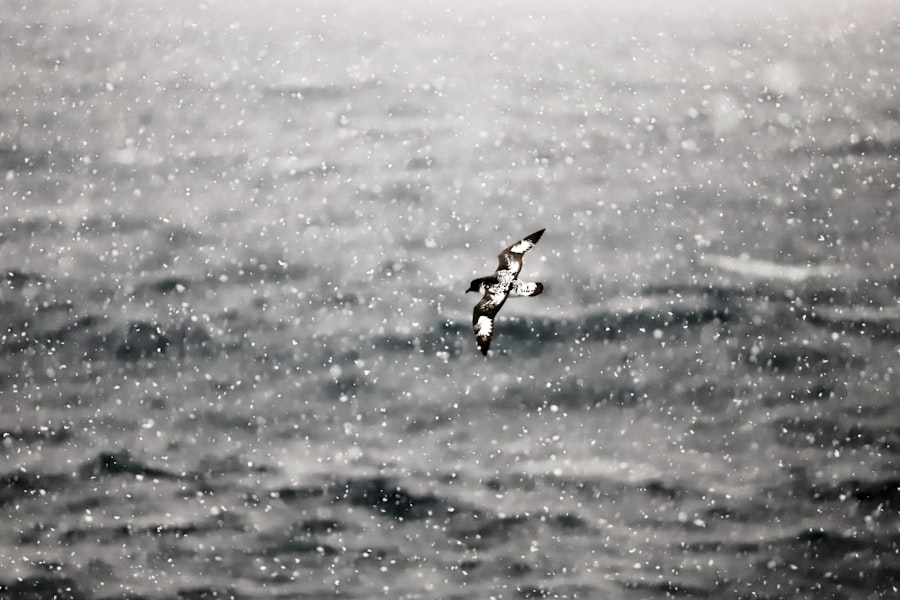
The weather patterns in the Drake Passage are notoriously volatile, characterized by strong winds, rapidly changing conditions, and high waves. The convergence of cold Antarctic waters with warmer currents from the north creates a unique microclimate that can lead to sudden storms and rough seas. Sailors often describe navigating these waters as a test of skill and endurance, as conditions can shift from calm to chaotic within minutes.
The infamous “Drake Shake,” a term used to describe the turbulent waters, is a rite of passage for many who venture into this region. The challenges posed by the weather are not merely physical; they also require mental fortitude and preparedness. Mariners must be equipped with knowledge about weather forecasting and navigation techniques to safely traverse these unpredictable waters.
Understanding how to read ocean currents, wind patterns, and potential storm systems is crucial for ensuring a safe journey through the passage. Despite these challenges, many sailors find that overcoming the obstacles presented by the Drake Passage adds to the sense of accomplishment and adventure associated with their voyages.
Modern technology and navigation in the Drake Passage
In recent years, advancements in technology have significantly improved navigation through the Drake Passage. Modern vessels are equipped with sophisticated navigation systems that utilize GPS, radar, and sonar technology to enhance safety and efficiency. These tools allow sailors to monitor weather conditions in real-time, track their position accurately, and avoid potential hazards such as icebergs or rocky outcrops.
The integration of technology into maritime navigation has transformed how sailors approach their journeys through this challenging region.
Sailors can now maintain contact with support teams on land or at sea, ensuring that assistance is readily available in case of emergencies.
This connectivity not only enhances safety but also allows for better coordination among vessels operating in the area. As technology continues to evolve, it is likely that navigation through the Drake Passage will become even more efficient and secure, encouraging more adventurers to explore this remarkable waterway.
Wildlife and natural beauty in the Drake Passage
| Metric | Value | Details |
|---|---|---|
| Distance | 800 km (500 miles) | Approximate width of the Drake Passage between Cape Horn and the South Shetland Islands |
| Average Crossing Time | 2-3 days | Depends on vessel type and weather conditions |
| Sea State | 4-7 (Moderate to High) | Wave heights typically range from 2 to 7 meters |
| Water Temperature | 0 to 5 °C (32 to 41 °F) | Cold waters influenced by Antarctic currents |
| Wind Speeds | 20-40 knots | Strong westerly winds common, can cause rough seas |
| Navigation Challenges | High waves, strong currents, icebergs | Requires experienced crew and modern navigation equipment |
| Vessel Types | Research ships, expedition cruise vessels, cargo ships | Ice-strengthened hulls recommended |
| Safety Measures | Satellite weather updates, AIS tracking, lifeboats | Mandatory for vessels crossing the passage |
The Drake Passage is not only known for its challenging conditions but also for its stunning natural beauty and rich biodiversity. The waters teem with marine life, including various species of whales, seals, and seabirds that thrive in this unique ecosystem. Humpback whales, orcas, and minke whales are commonly spotted during voyages through the passage, captivating travelers with their majestic presence.
Additionally, seabirds such as albatrosses and petrels glide gracefully above the waves, adding to the enchanting atmosphere of this remote region. The surrounding landscapes are equally breathtaking, with rugged coastlines and towering icebergs creating a dramatic backdrop for any journey through the passage. The stark contrast between the deep blue waters and white ice formations offers photographers and nature lovers countless opportunities to capture stunning images.
For many travelers, witnessing this pristine environment firsthand is a transformative experience that deepens their appreciation for nature’s wonders.
Safety measures and precautions for sailing in the Drake Passage

Given its reputation for unpredictable weather and challenging conditions, safety measures are paramount when sailing in the Drake Passage. Mariners are advised to conduct thorough pre-voyage preparations, including checking weather forecasts, ensuring that all safety equipment is onboard, and familiarizing themselves with emergency procedures. Life jackets, flares, first aid kits, and communication devices should be readily accessible to ensure that crews are prepared for any situation that may arise.
Additionally, it is essential for sailors to have a solid understanding of their vessel’s capabilities and limitations. Knowledge of how to handle rough seas and strong winds can make a significant difference in ensuring a safe passage. Many experienced sailors recommend taking part in training courses focused on navigating challenging waters before attempting a journey through the Drake Passage.
By prioritizing safety and preparedness, mariners can enhance their chances of successfully navigating this formidable yet awe-inspiring waterway.
Popular routes and destinations in the Drake Passage
The Drake Passage serves as a gateway to some of the most sought-after destinations on Earth, particularly for those venturing to Antarctica. One popular route begins in Ushuaia, Argentina, often referred to as the southernmost city in the world. From there, vessels embark on a journey across the passage to reach various points on the Antarctic Peninsula, including Deception Island and Paradise Bay.
These destinations offer travelers opportunities to explore stunning landscapes, observe wildlife up close, and engage in activities such as kayaking or hiking. Another notable route includes trips to South Georgia Island, known for its rich history related to whaling and its breathtaking scenery. The journey across the Drake Passage to South Georgia is often considered one of the most rewarding experiences for adventurers seeking to immerse themselves in both natural beauty and historical significance.
Each route through this remarkable passage offers unique experiences that cater to different interests, making it an appealing destination for a diverse range of travelers.
Tips for a smooth and enjoyable sailing experience in the Drake Passage
For those planning a voyage through the Drake Passage, several tips can help ensure a smooth and enjoyable experience. First and foremost, travelers should be prepared for varying weather conditions by packing appropriate clothing layers that can accommodate both warmth and waterproofing. Seasickness can also be a concern due to the passage’s notorious waves; therefore, bringing motion sickness medication or remedies can be beneficial.
Additionally, engaging with fellow travelers and crew members can enhance the overall experience. Sharing stories and insights about wildlife sightings or personal adventures fosters camaraderie among those on board. Participating in onboard activities such as lectures or workshops can also enrich one’s understanding of the region’s ecology and history.
By embracing both preparation and community spirit, travelers can create lasting memories during their journey through this extraordinary waterway.
Environmental conservation efforts in the Drake Passage
As awareness of environmental issues grows globally, conservation efforts in the Drake Passage have become increasingly important. The region’s unique ecosystem is home to numerous species that are vulnerable to climate change and human activity. Organizations dedicated to marine conservation work tirelessly to protect these habitats by advocating for sustainable practices among shipping companies and promoting responsible tourism.
Research initiatives focused on monitoring wildlife populations and assessing environmental impacts are also crucial components of conservation efforts in this area. By gathering data on marine life health and ecosystem dynamics, scientists can better understand how to mitigate threats posed by climate change or overfishing. Collaborative efforts between governments, NGOs, and local communities play an essential role in ensuring that future generations can continue to experience the natural wonders of the Drake Passage.
The future of sailing in the Drake Passage
The future of sailing in the Drake Passage appears promising yet complex as environmental concerns continue to shape maritime practices. With advancements in technology enhancing navigation safety and efficiency, more adventurers may be drawn to explore this remarkable waterway. However, balancing increased tourism with environmental conservation will be critical in preserving its unique ecosystem.
As global interest in polar regions grows due to climate change awareness, there is an opportunity for sustainable tourism practices to flourish within this context. By prioritizing eco-friendly initiatives and responsible travel guidelines, sailors can contribute positively to both their experiences and environmental stewardship efforts in the Drake Passage.
The allure and adventure of navigating the Drake Passage
Navigating the Drake Passage is an adventure filled with challenges, beauty, history, and ecological significance. From its tumultuous waters that test sailors’ skills to its breathtaking landscapes teeming with wildlife, this remarkable body of water continues to captivate those who dare to traverse it. As modern technology enhances safety measures while fostering environmental awareness among travelers, there lies an exciting future ahead for exploration within this iconic passage.
Ultimately, it is not just about reaching a destination; it is about embracing every moment spent on this journey through one of Earth’s last frontiers—a testament to human curiosity and resilience against nature’s formidable forces. The allure of adventure beckons all who seek it within these storied waters—a call that resonates deeply within those who yearn for exploration beyond familiar horizons.
Navigating the Drake Passage can be a challenging yet rewarding experience for adventurers and travelers alike. For those looking to learn more about this iconic route, a related article can be found at this link, which provides valuable insights and tips for making the journey across one of the most notorious stretches of ocean in the world.
WATCH THIS 🛑 Drake Passage: Earth’s Deadliest Waters Revealed
FAQs
What is the Drake Passage?
The Drake Passage is a body of water located between the southern tip of South America (Cape Horn) and the northern tip of the Antarctic Peninsula. It connects the southwestern part of the Atlantic Ocean with the southeastern part of the Pacific Ocean and the Southern Ocean.
Why is the Drake Passage significant?
The Drake Passage is significant because it is the shortest crossing from South America to Antarctica. It is also known for its challenging sea conditions, strong currents, and rough waters, making it a critical route for scientific expeditions and tourist cruises heading to Antarctica.
How long does it take to cross the Drake Passage?
The crossing of the Drake Passage typically takes between 24 to 48 hours, depending on weather conditions and the type of vessel. The distance is approximately 800 kilometers (500 miles).
What are the weather conditions like in the Drake Passage?
The weather in the Drake Passage can be highly variable and often harsh, with strong winds, large waves, and cold temperatures. Storms and rough seas are common, especially during the Southern Hemisphere’s winter months.
Is it safe to travel through the Drake Passage?
Traveling through the Drake Passage is generally safe when done with experienced crew and properly equipped vessels. Modern ships designed for polar conditions and experienced captains help mitigate risks associated with the challenging environment.
What types of vessels navigate the Drake Passage?
The Drake Passage is navigated by research vessels, icebreakers, expedition cruise ships, and occasionally cargo ships. Many tourist cruises use specially designed expedition ships to ensure safety and comfort.
What wildlife can be seen in the Drake Passage?
The Drake Passage is home to diverse marine wildlife, including various species of whales, seals, penguins, and seabirds such as albatrosses and petrels. Wildlife sightings are common during crossings.
When is the best time to navigate the Drake Passage?
The best time to navigate the Drake Passage is during the Antarctic summer months, from November to March, when weather conditions are relatively milder and daylight hours are longer.
What should travelers prepare for when crossing the Drake Passage?
Travelers should prepare for potentially rough seas by bringing motion sickness medication, warm and waterproof clothing, and sturdy footwear. It is also advisable to follow safety instructions provided by the crew.
Are there any alternatives to crossing the Drake Passage by sea?
Yes, some travelers opt for flights from South America to Antarctica to avoid the sea crossing. However, these flights are less common and can be affected by weather conditions. The sea route remains the primary method for most Antarctic expeditions and cruises.