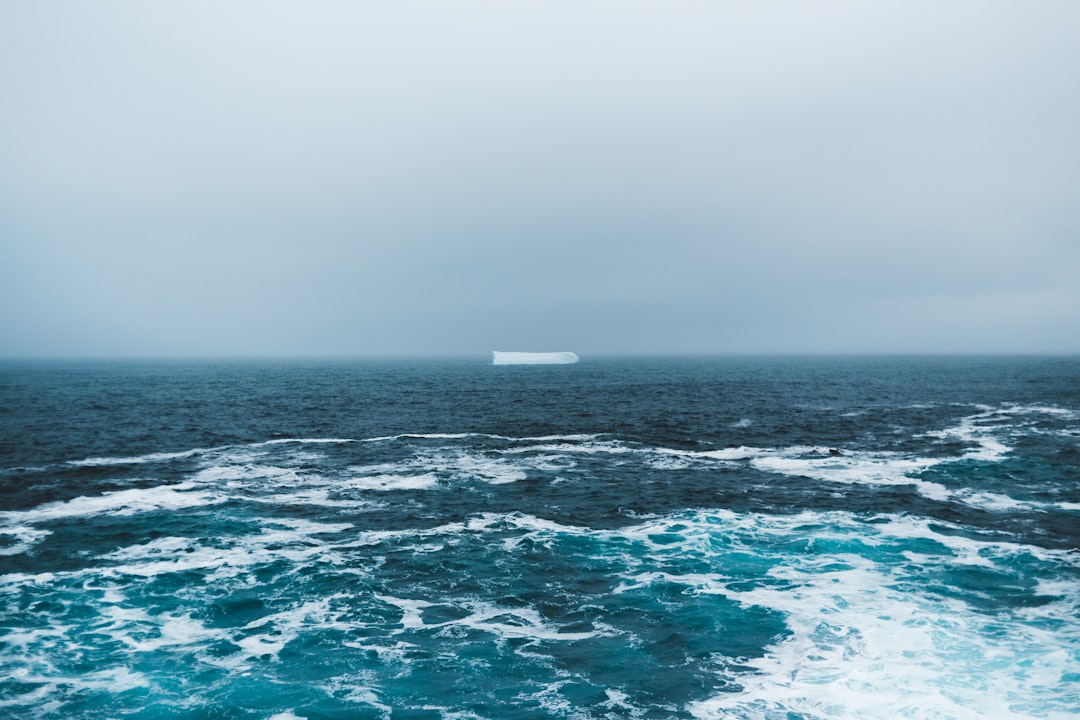
The Drake Passage is a body of water between the southern tip of South America and Antarctica, approximately 800 kilometers wide. It is a major maritime route for vessels traveling to and from the Antarctic region and is known for its severe weather conditions and rough seas. The passage features deep channels and strong currents that create difficult navigation conditions.
It was named after Sir Francis Drake, the English explorer who first sailed through these waters in the late 16th century. The Drake Passage presents significant navigational challenges beyond its physical distance. The convergence of the Atlantic and Pacific Oceans in this region creates rapidly changing weather patterns.
Mariners and researchers must carefully monitor these conditions, as they directly affect travel duration and vessel safety. The passage is considered one of the world’s roughest seas, with waves frequently exceeding 15 meters in height during storms. Due to these hazardous conditions, mariners require thorough knowledge of the Drake Passage’s characteristics before attempting to traverse it.
The treacherous waters of the
Several factors contribute to the complex weather patterns observed in the Southern Ocean, particularly in the Drake Passage. One of the most significant influences is the interaction between ocean currents and atmospheric conditions. The Antarctic Circumpolar Current flows through the Drake Passage, creating a unique environment where warm and cold water masses collide.
This interaction can lead to the formation of low-pressure systems that generate strong winds and turbulent seas. Additionally, the geographical features surrounding the passage play a crucial role in shaping its weather. The Andes mountain range along the coast of South America can block or redirect prevailing winds, leading to localized weather phenomena.
Furthermore, seasonal variations significantly impact weather conditions; during summer months, warmer temperatures can lead to increased storm activity, while winter months may bring more stable but colder conditions. Understanding these factors is essential for anyone navigating this challenging maritime route.
Impact of Weather on Navigating the Drake Passage
The impact of weather on navigating the Drake Passage cannot be overstated. Sudden changes in weather can transform calm seas into treacherous waters within minutes, posing significant risks to vessels. High winds and large swells can make maneuvering difficult, leading to potential accidents or delays.
For commercial shipping companies, these challenges can result in costly disruptions and increased insurance premiums. Moreover, adverse weather conditions can also affect visibility, making it challenging for navigators to maintain their course. Fog and rain are common occurrences in the region, further complicating navigation efforts.
As a result, mariners must be prepared for a range of scenarios and have contingency plans in place to address unexpected weather changes. The ability to adapt quickly to shifting conditions is vital for ensuring safe passage through this notoriously difficult stretch of water.
Technology and Tools for Weather Forecasting
| Date | Temperature (°C) | Wind Speed (knots) | Wind Direction | Wave Height (meters) | Precipitation | Visibility |
|---|---|---|---|---|---|---|
| 2024-06-01 | 2 | 35 | NW | 4.5 | Light Snow | Poor |
| 2024-06-02 | 1 | 40 | W | 5.0 | Snow Showers | Moderate |
| 2024-06-03 | 0 | 30 | SW | 3.8 | Cloudy | Good |
| 2024-06-04 | 1 | 25 | S | 3.0 | Clear | Excellent |
| 2024-06-05 | 2 | 20 | SE | 2.5 | Light Rain | Good |
Advancements in technology have revolutionized weather forecasting in recent years, providing mariners with tools that enhance their ability to predict conditions in the Drake Passage. Satellite imagery plays a crucial role in monitoring weather patterns over vast ocean areas, allowing meteorologists to track storm systems and analyze sea surface temperatures. This information is invaluable for sailors who rely on accurate forecasts to plan their routes effectively.
In addition to satellite technology, numerical weather prediction models have become increasingly sophisticated. These models use complex algorithms to simulate atmospheric conditions based on current data, providing detailed forecasts that can extend several days into the future. Coupled with real-time data from buoys and ships equipped with advanced sensors, these tools enable mariners to make informed decisions about their journeys through the Drake Passage.
Challenges of Navigating the Southern Ocean

Navigating the Southern Ocean presents numerous challenges beyond just unpredictable weather. The remoteness of this region means that vessels are often far from immediate assistance in case of emergencies. This isolation can exacerbate problems during severe weather events when communication systems may be compromised or when rescue operations become logistically complicated.
Additionally, icebergs pose a significant hazard in these waters, particularly during certain times of the year when melting ice from Antarctica increases their presence. Collisions with icebergs can cause catastrophic damage to vessels, making it imperative for navigators to remain vigilant and informed about iceberg locations. The combination of harsh weather conditions and potential ice hazards creates a formidable environment that requires careful planning and preparation for any vessel attempting to traverse the Drake Passage.
Safety Measures for Navigating the Drake Passage
Given the inherent risks associated with navigating the Drake Passage, implementing robust safety measures is essential for all vessels operating in this region. One critical aspect is ensuring that crews are well-trained in emergency procedures and equipped with appropriate safety gear. Life rafts, survival suits, and communication devices should be readily available on board to enhance crew safety during unexpected situations.
Moreover, maintaining an up-to-date understanding of weather forecasts is vital for making informed decisions about navigation routes. Vessels should have access to reliable communication systems that allow them to receive real-time updates on changing weather conditions. Additionally, establishing contingency plans for various scenarios—such as engine failure or severe weather—can significantly improve a vessel’s chances of safely navigating through challenging conditions.
Historical Weather Patterns in the Southern Ocean
Historical weather patterns in the Southern Ocean provide valuable insights into what mariners might expect when traversing the Drake Passage today. Over decades of observation, meteorologists have identified trends related to seasonal variations and storm frequency. For instance, summer months tend to experience more frequent storms due to warmer ocean temperatures, while winter months may bring more stable but colder conditions.
Understanding these historical patterns allows sailors to better prepare for their journeys by anticipating potential challenges based on past experiences. Additionally, analyzing long-term data helps researchers identify shifts in weather patterns that may be linked to broader climate changes affecting the Southern Ocean.
The Role of Climate Change in Southern Ocean Weather
Climate change has emerged as a significant factor influencing weather patterns in the Southern Ocean, including those experienced in the Drake Passage. Rising global temperatures are leading to changes in ocean currents and atmospheric circulation patterns, which can result in more extreme weather events. Increased storm intensity and frequency pose additional risks for vessels navigating these waters.
As icebergs become more prevalent due to melting glaciers, navigators must remain vigilant about potential hazards while also considering how these changes impact their routes and safety measures.
Tips for Planning a Safe Passage through the Drake Passage
Planning a safe passage through the Drake Passage requires careful consideration and preparation. First and foremost, mariners should conduct thorough research on current weather forecasts and historical patterns before setting sail. Understanding seasonal variations can help inform decisions about timing and route selection.
Additionally, ensuring that all safety equipment is in good working order is crucial for any voyage through these challenging waters. Crews should participate in safety drills regularly to familiarize themselves with emergency procedures and protocols. Finally, maintaining open lines of communication with other vessels and maritime authorities can provide valuable support during navigation through this unpredictable region.
Resources for Accessing Drake Passage Weather Forecasts
Accessing reliable weather forecasts is essential for anyone planning to navigate the Drake Passage. Numerous resources are available for mariners seeking up-to-date information on current conditions and forecasts. National meteorological services often provide detailed reports specific to maritime regions, including satellite imagery and numerical models tailored for ocean navigation.
In addition to government resources, various online platforms offer real-time updates on weather conditions in the Southern Ocean. These platforms often aggregate data from multiple sources, providing comprehensive insights into current sea states and potential hazards. By utilizing these resources effectively, sailors can enhance their preparedness and increase their chances of safely navigating through one of the world’s most challenging maritime routes.
For those interested in the weather conditions of the Drake Passage, it’s essential to stay updated with reliable forecasts. A related article that provides valuable insights into the climatic patterns and weather predictions for this region can be found at this link. This resource offers detailed information that can help travelers and researchers alike prepare for the unique challenges posed by the Drake Passage’s notorious weather.
WATCH THIS 🛑 Drake Passage: Earth’s Deadliest Waters Revealed
FAQs
What is the Drake Passage?
The Drake Passage is a body of water located between the southern tip of South America (Cape Horn) and the northern tip of the Antarctic Peninsula. It connects the southwestern part of the Atlantic Ocean with the southeastern part of the Pacific Ocean.
Why is the weather forecast important for the Drake Passage?
The Drake Passage is known for its rough seas and rapidly changing weather conditions. Accurate weather forecasts are crucial for the safety of ships and expeditions traveling through this area, as they help in planning routes and avoiding severe weather.
What kind of weather conditions are typical in the Drake Passage?
The Drake Passage often experiences strong winds, high waves, and cold temperatures. Storms and turbulent seas are common due to the convergence of ocean currents and atmospheric systems in this region.
How can I access a weather forecast for the Drake Passage?
Weather forecasts for the Drake Passage can be accessed through specialized maritime weather services, meteorological websites, and apps that provide marine weather updates. Some cruise operators and expedition companies also provide forecasts to their passengers.
How accurate are weather forecasts for the Drake Passage?
While modern meteorological technology has improved forecast accuracy, the Drake Passage’s volatile weather can still be unpredictable. Forecasts are generally reliable for short-term periods (up to 48 hours), but conditions can change rapidly.
What factors influence the weather in the Drake Passage?
The weather in the Drake Passage is influenced by the interaction of cold Antarctic air masses, warmer air from the north, strong ocean currents, and the region’s topography. These factors contribute to frequent storms and rough seas.
Is it safe to travel through the Drake Passage during bad weather?
Traveling through the Drake Passage during severe weather is risky due to high waves and strong winds. Ships and expeditions typically monitor weather forecasts closely and may delay or alter routes to ensure safety.
When is the best time to travel through the Drake Passage?
The austral summer months (December to February) generally offer milder weather and calmer seas, making it the preferred time for cruises and expeditions crossing the Drake Passage. However, weather can still be unpredictable year-round.