
The Drake Passage is a body of water located between the southern tip of South America and Antarctica, approximately 600 kilometers (370 miles) wide. It connects the Atlantic and Pacific Oceans and represents the shortest maritime route between these two continents. The passage plays a crucial role in global ocean circulation, facilitating major ocean currents and serving as a migration corridor for marine species.
The Drake Passage is characterized by severe weather conditions and rough seas. Wind speeds frequently exceed those found in most other ocean regions, and waves regularly reach heights of 30 feet or more during storms. These challenging conditions result from the unobstructed flow of westerly winds and the interaction of ocean currents in this region.
The passage’s hazardous reputation has made it a significant consideration for maritime navigation, though it remains an essential route for commercial shipping and scientific expeditions. Despite its harsh conditions, the Drake Passage supports diverse marine ecosystems and displays notable natural features. Icebergs calved from Antarctic glaciers drift through the waters, and the region supports populations of seabirds and marine mammals.
The passage continues to attract researchers studying oceanography, climate, and Antarctic ecosystems, as well as adventurers undertaking maritime expeditions.
Key Takeaways
- The Drake Passage is a crucial and challenging maritime route connecting the Atlantic and Pacific Oceans.
- It has a rich history of exploration and is known for its unpredictable weather and rough seas.
- The passage supports diverse marine wildlife, including unique species adapted to its harsh environment.
- Navigational difficulties and safety concerns require careful preparation and experienced handling.
- Climate change is impacting the Drake Passage, influencing future travel and ecological conditions.
The History of the Drake Passage
The history of the Drake Passage is steeped in exploration and discovery. Named after Sir Francis Drake, an English sea captain and privateer who sailed through these waters in the late 16th century, the passage has long been a focal point for maritime endeavors. Drake’s voyage was significant not only for its navigational achievements but also for its role in expanding European knowledge of the southern hemisphere.
His journey marked one of the first recorded crossings of the passage, paving the way for future explorers. In the centuries that followed, the Drake Passage became a critical route for whalers, sealers, and explorers seeking to uncover the mysteries of Antarctica. The passage was often viewed as a gateway to the frozen continent, attracting adventurers like Ernest Shackleton and Robert Falcon Scott, who sought to chart new territories and push the boundaries of human endurance.
The treacherous waters of the Drake Passage are known for their unpredictable weather and powerful currents.
Weather and Climate in the Drake Passage
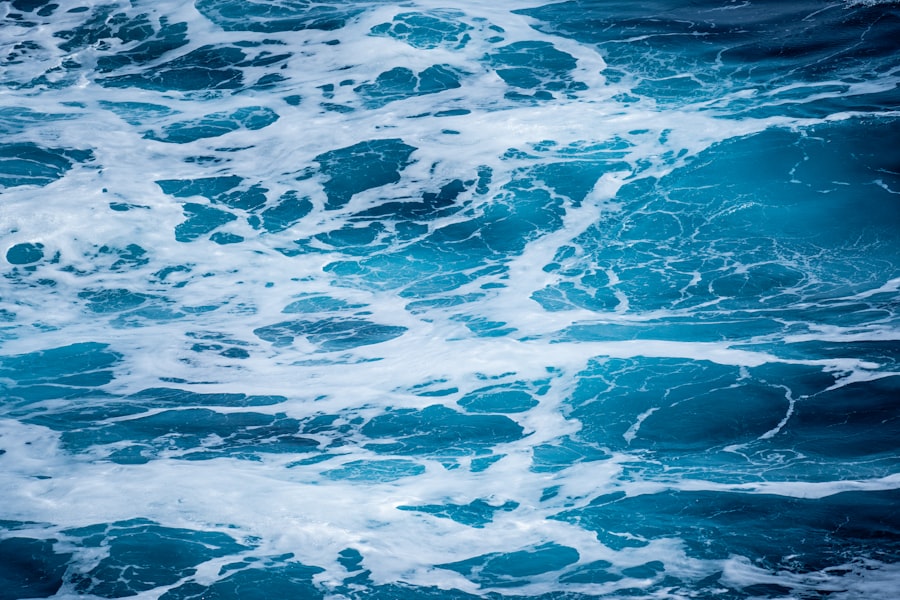
The weather in the Drake Passage is notoriously volatile, characterized by rapid changes that can occur within minutes. The region experiences a maritime climate influenced by the surrounding oceans, with strong winds and heavy precipitation being common occurrences. The convergence of warm and cold ocean currents creates a unique atmospheric environment that can lead to sudden storms and rough seas.
Mariners often find themselves at the mercy of these unpredictable weather patterns, making navigation a daunting task. Temperatures in the Drake Passage vary significantly throughout the year, with summer months offering relatively milder conditions compared to the harsh winters. During summer, temperatures can range from 0°C to 10°C (32°F to 50°F), while winter months can plunge well below freezing.
The presence of icebergs and pack ice further complicates navigation during colder months, as these floating masses can shift unpredictably. Understanding these climatic nuances is essential for anyone planning to cross this formidable passage.
Wildlife and Marine Life in the Drake Passage
The Drake Passage is not only a challenging maritime route but also a vibrant ecosystem teeming with diverse wildlife. The nutrient-rich waters support an array of marine life, including krill, which serves as a crucial food source for many species. This abundance attracts various seabirds, such as albatrosses and petrels, which glide gracefully over the waves in search of food.
The sight of these majestic birds soaring against the backdrop of a tumultuous sea is a testament to the unique biodiversity found in this region. In addition to seabirds, marine mammals such as whales frequently inhabit the waters of the Drake Passage. Species like humpback whales, orcas, and minke whales are often spotted during crossings, delighting passengers on expedition vessels.
The presence of these magnificent creatures highlights the ecological significance of the passage and underscores the importance of conservation efforts in protecting their habitats. Observing wildlife in this remote part of the world offers travelers an unforgettable experience that connects them to nature in its rawest form.
Navigational Challenges in the Drake Passage
| Metric | Data/Description |
|---|---|
| Location | Between the southern tip of South America (Cape Horn) and Antarctica |
| Width | Approximately 800 km (500 miles) |
| Average Sea Depth | About 3,400 meters (11,155 feet) |
| Wave Height | Can exceed 10 meters (33 feet) during storms |
| Wind Speeds | Often reach 40-50 knots (46-58 mph), with gusts higher |
| Currents | Strong Antarctic Circumpolar Current flows eastward at speeds up to 2-3 knots |
| Weather Conditions | Frequent storms, rapidly changing weather, and low visibility |
| Ice Hazards | Presence of icebergs and sea ice, especially in winter months |
| Navigation Difficulty | High due to rough seas, strong currents, and unpredictable weather |
| Historical Shipwrecks | Numerous, highlighting the passage’s danger to maritime travel |
Navigating the Drake Passage presents numerous challenges for mariners due to its unpredictable weather patterns and treacherous waters. The combination of strong currents, shifting winds, and sudden storms can create hazardous conditions that test even the most experienced sailors. The passage is known for its steep waves and turbulent swells, which can make it difficult for vessels to maintain stability.
As a result, careful planning and skilled seamanship are essential for successful navigation. Moreover, the presence of icebergs poses an additional risk for ships traversing these waters. Icebergs can drift into shipping lanes unexpectedly, creating potential hazards for vessels that may not be equipped to handle such obstacles.
The challenges presented by the Drake Passage serve as a reminder of nature’s power and unpredictability, demanding respect from all who venture into its depths.
Safety Precautions for Crossing the Drake Passage

Given the inherent risks associated with crossing the Drake Passage, safety precautions are paramount for any expedition or voyage through this region. Mariners are advised to conduct thorough weather assessments before embarking on their journey, ensuring they are well-informed about current conditions and forecasts. Additionally, vessels should be equipped with appropriate safety gear, including life jackets, emergency beacons, and communication devices capable of functioning in remote areas.
Training and preparedness are also crucial components of safe navigation in the Drake Passage. Crew members should undergo rigorous training in emergency procedures and survival techniques specific to maritime environments. Familiarity with vessel operations and safety protocols can make a significant difference in mitigating risks during challenging crossings.
By prioritizing safety measures and fostering a culture of preparedness, mariners can enhance their chances of successfully navigating this formidable passage.
Famous Expeditions and Explorations in the Drake Passage
Throughout history, numerous expeditions have sought to conquer the challenges posed by the Drake Passage, each contributing to our understanding of this remarkable region. One of the most notable figures is Ernest Shackleton, whose ill-fated Endurance expedition in 1914 aimed to cross Antarctica via the passage. When their ship became trapped in pack ice, Shackleton and his crew faced unimaginable hardships as they fought for survival against the elements.
Their incredible story of resilience has become legendary, inspiring countless adventurers to explore this remote part of the world. Another significant expedition was led by Robert Falcon Scott during his ill-fated journey to reach the South Pole in 1911. Scott’s team faced extreme conditions while navigating through the Drake Passage en route to their destination.
Although they ultimately met tragedy on their return journey, their contributions to polar exploration have left an indelible mark on history. These expeditions not only highlight human determination but also underscore the importance of scientific research in understanding polar environments.
Tips for Surviving the Drake Passage
For those daring enough to cross the Drake Passage, preparation is key to ensuring a safe and enjoyable experience. First and foremost, travelers should pack appropriate clothing that can withstand cold temperatures and wet conditions. Layering is essential; thermal base layers combined with waterproof outer garments will provide both warmth and protection from wind and rain.
Additionally, travelers should be mentally prepared for potential rough seas during their crossing. It is advisable to take seasickness medication before departure to mitigate discomfort caused by turbulent waters. Staying hydrated and consuming light meals can also help maintain energy levels while navigating through challenging conditions.
Finally, embracing flexibility in travel plans is crucial; weather-related delays or changes may occur unexpectedly, requiring adaptability from all involved.
The Impact of Climate Change on the Drake Passage
Climate change has begun to exert significant influence on the ecosystems surrounding the Drake Passage. Rising ocean temperatures are altering marine habitats and affecting species distribution within these waters. As krill populations fluctuate due to changing environmental conditions, many marine animals that rely on them for sustenance face potential food shortages.
This disruption could have cascading effects throughout the food web, impacting everything from seabirds to larger marine mammals. Furthermore, melting glaciers in Antarctica contribute to rising sea levels and increased iceberg calving in the region. This phenomenon poses additional navigational challenges for vessels traversing the passage while also raising concerns about environmental degradation.
As climate change continues to reshape this delicate ecosystem, it becomes increasingly important for researchers and policymakers to monitor these changes closely and implement conservation strategies aimed at preserving biodiversity within this unique marine environment.
The Future of Travel in the Drake Passage
As interest in polar exploration continues to grow, so too does the potential for travel through the Drake Passage. Advances in technology have led to improved vessel designs that enhance safety and comfort during crossings. Modern expedition ships are equipped with stabilizers that reduce motion sickness while providing passengers with panoramic views of breathtaking landscapes.
However, with increased tourism comes heightened responsibility regarding environmental stewardship. Sustainable practices must be prioritized to minimize human impact on fragile ecosystems within this region. Responsible tourism initiatives that promote conservation efforts can help ensure that future generations will have the opportunity to experience the wonders of the Drake Passage while preserving its natural beauty.
Personal Stories and Experiences of Crossing the Drake Passage
Personal accounts from those who have crossed the Drake Passage often reveal a mix of awe and trepidation at its raw power. Many travelers recount moments when they were struck by both fear and exhilaration as towering waves crashed against their vessels while navigating through turbulent waters. These experiences forge lasting memories that resonate long after their journeys have ended.
Others share tales of camaraderie among fellow passengers as they weathered storms together, forming bonds that transcended their initial motivations for travel. Whether it was witnessing a pod of whales breaching nearby or marveling at stunning ice formations illuminated by sunlight breaking through storm clouds, these personal stories highlight not only individual resilience but also humanity’s connection to nature’s grandeur within one of its most challenging environments. In conclusion, crossing the Drake Passage is an adventure filled with challenges and rewards alike.
From its rich history steeped in exploration to its vibrant ecosystems teeming with life, this remarkable body of water continues to captivate those who dare to traverse its depths. As climate change poses new threats to this fragile environment, it becomes imperative for travelers and researchers alike to advocate for sustainable practices that protect its unique beauty for generations to come.
The Drake Passage is notorious for its treacherous conditions, making it one of the most dangerous bodies of water in the world. The combination of strong currents, unpredictable weather, and the convergence of the Atlantic and Pacific Oceans creates a challenging environment for even the most experienced sailors. For a deeper understanding of the risks associated with this perilous passage, you can read more in this informative article on My Geo Quest.
WATCH THIS 🛑 Drake Passage: Earth’s Deadliest Waters Revealed
FAQs
What is the Drake Passage?
The Drake Passage is a body of water located between the southern tip of South America (Cape Horn) and the northern tip of the Antarctic Peninsula. It connects the southwestern part of the Atlantic Ocean with the southeastern part of the Pacific Ocean.
Why is the Drake Passage considered dangerous?
The Drake Passage is considered dangerous due to its extremely rough seas, strong winds, and unpredictable weather conditions. The convergence of the Atlantic, Pacific, and Southern Oceans creates powerful currents and large waves, making navigation challenging.
What causes the rough seas in the Drake Passage?
The rough seas are caused by the strong westerly winds known as the “Roaring Forties” and “Furious Fifties,” which blow uninterrupted around Antarctica. These winds generate large waves and swells, combined with the narrowness of the passage, which amplifies the turbulence.
How do the currents affect the safety of the Drake Passage?
The Antarctic Circumpolar Current flows through the Drake Passage, moving vast amounts of water around Antarctica. This current interacts with the seabed and coastal features, creating strong eddies and unpredictable water movements that can be hazardous for ships.
Are there any specific weather patterns that make the Drake Passage dangerous?
Yes, the Drake Passage is prone to sudden storms, high winds, and rapidly changing weather conditions. These factors contribute to poor visibility and rough seas, increasing the risk for vessels crossing the passage.
Is the Drake Passage dangerous for all types of vessels?
While the Drake Passage is challenging for all vessels, smaller boats and inexperienced crews face greater risks. Larger ships, such as research vessels and icebreakers, are better equipped to handle the harsh conditions but still must exercise caution.
What measures do ships take to safely navigate the Drake Passage?
Ships use advanced weather forecasting, route planning, and experienced crew members to navigate safely. Many vessels also have reinforced hulls and stabilizers to withstand rough seas. Timing the crossing during favorable weather windows is also a common practice.
Can the Drake Passage be avoided when traveling to Antarctica?
No, the Drake Passage is the shortest and most direct route between South America and Antarctica. While alternative routes exist, they are significantly longer and less practical for most expeditions and research missions.
Has the danger of the Drake Passage changed over time?
The inherent dangers of the Drake Passage remain largely the same due to its geographic and climatic conditions. However, improvements in navigation technology, weather forecasting, and ship design have enhanced safety for vessels crossing the passage.