
Unpredictable storms represent a growing concern for South America, a continent with diverse geographical and climatic conditions. The region experiences varied weather patterns, ranging from the arid deserts of Chile to the tropical rainforests of Brazil. In recent years, scientists, policymakers, and local communities have expressed increasing concern about the rising frequency and intensity of storms.
These weather events disrupt daily activities and create serious threats to infrastructure, agriculture, and public safety. Understanding the characteristics of these storms and their consequences is essential as South America addresses these challenges. Several factors contribute to the unpredictability of storms in South America, including climatic variability and geographical diversity.
The continent’s complex topography—featuring mountains, plains, and coastlines—creates intricate weather systems that interact in ways that produce sudden and severe weather changes. These conditions often leave communities vulnerable to unexpected storms. As the region continues to experience these unpredictable weather events, examining their impacts, underlying causes, and possible mitigation strategies becomes increasingly important.
The treacherous waters of the Drake Passage are known for their unpredictable weather and powerful currents.
Key Takeaways
- Unpredictable storms in South America have significant social, economic, and environmental impacts across the continent.
- Climate change is a major factor increasing the frequency and intensity of these storms.
- Early warning systems and international collaboration are crucial for effective storm preparedness and response.
- Case studies highlight the varied effects of recent storms and the importance of tailored mitigation strategies.
- Learning from past storms can improve future resilience and reduce the adverse consequences of unpredictable weather events.
The Impact of Unpredictable Storms on South American Countries
The impact of unpredictable storms on South American countries is profound and multifaceted. Economically, these storms can devastate agricultural production, which is a cornerstone of many nations’ economies. For instance, heavy rainfall can lead to flooding that destroys crops, while droughts can result from prolonged dry spells.
The agricultural sector, which employs millions across the continent, faces significant threats from these erratic weather patterns. In addition to agriculture, infrastructure is often severely affected; roads, bridges, and buildings may suffer extensive damage, leading to costly repairs and disruptions in transportation and trade. Socially, the consequences of unpredictable storms are equally alarming.
Communities often find themselves unprepared for the sudden onset of severe weather, leading to loss of life and displacement. Vulnerable populations, particularly those living in informal settlements or rural areas, are disproportionately affected. The psychological toll on individuals and families can be immense as they cope with the aftermath of destruction and loss.
Furthermore, the strain on emergency services and local governments can hinder effective response efforts, exacerbating the challenges faced by affected communities.
Factors Contributing to Unpredictable Storms in South America
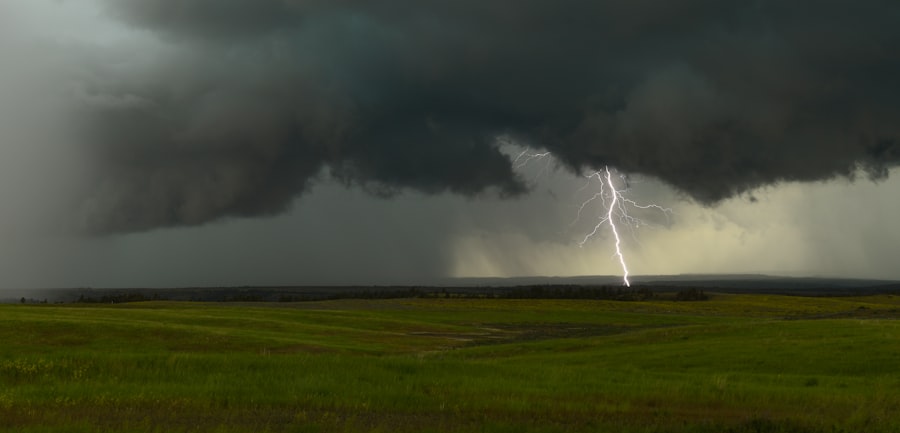
Several factors contribute to the unpredictability of storms in South America. One significant element is the region’s climatic variability, which is influenced by phenomena such as El Niño and La Niña. These oceanic and atmospheric patterns can lead to extreme weather conditions, including heavy rainfall or prolonged droughts.
The interplay between these phenomena and local weather systems creates a volatile environment where forecasting becomes increasingly challenging.
Deforestation, urbanization, and land-use changes have altered natural landscapes, affecting local climates and weather patterns.
For example, the removal of forests can disrupt rainfall patterns and increase the likelihood of flooding in nearby areas. As cities expand and populations grow, the demand for land often leads to encroachment on vulnerable ecosystems, further heightening the risks associated with unpredictable storms.
Case Studies of Recent Unpredictable Storms in South America
Recent case studies illustrate the devastating effects of unpredictable storms across South America. In 2021, Brazil experienced catastrophic flooding in its northeastern region due to intense rainfall that exceeded historical averages. The sudden deluge led to landslides that buried homes and infrastructure, resulting in significant loss of life and displacement of thousands.
The Brazilian government faced immense challenges in providing immediate relief and long-term recovery for affected communities. Similarly, Argentina has grappled with unpredictable storms that have caused severe hailstorms and flash floods in recent years. In 2020, a hailstorm struck Buenos Aires, damaging thousands of vehicles and properties within minutes.
The rapid onset of such extreme weather events highlights the need for improved forecasting and preparedness measures. These case studies underscore the urgent need for comprehensive strategies to address the growing threat posed by unpredictable storms in South America.
The Role of Climate Change in Unpredictable Storms in South America
| Metric | Value | Unit | Notes |
|---|---|---|---|
| Average Annual Storms | 15 | storms/year | Includes tropical storms and severe weather events |
| Storm Prediction Accuracy | 65 | % | Forecast accuracy for unpredictable storms |
| Average Storm Duration | 6 | hours | Duration of typical unpredictable storms |
| Maximum Wind Speed Recorded | 120 | km/h | Highest wind speed in recent unpredictable storms |
| Regions Most Affected | Amazon Basin, Andes Foothills | — | Areas with frequent unpredictable storm activity |
| Annual Rainfall Increase During Storms | 30 | % | Increase compared to average rainfall |
| Fatalities (Last 5 Years) | 120 | people | Deaths attributed to unpredictable storms |
Climate change is increasingly recognized as a driving force behind the rise of unpredictable storms in South America. As global temperatures continue to rise, weather patterns are becoming more erratic and extreme. Warmer ocean temperatures contribute to more intense storms, while shifting atmospheric conditions can lead to unexpected rainfall patterns.
This changing climate poses significant challenges for countries already vulnerable to natural disasters. Moreover, climate change exacerbates existing vulnerabilities within communities. As sea levels rise and extreme weather events become more frequent, low-lying coastal areas face heightened risks of flooding and erosion.
Rural communities dependent on agriculture are particularly susceptible to changing precipitation patterns that can lead to crop failures or water shortages. Addressing climate change is thus essential not only for mitigating its impacts on unpredictable storms but also for ensuring the resilience of communities across South America.
Strategies for Mitigating the Impact of Unpredictable Storms in South America
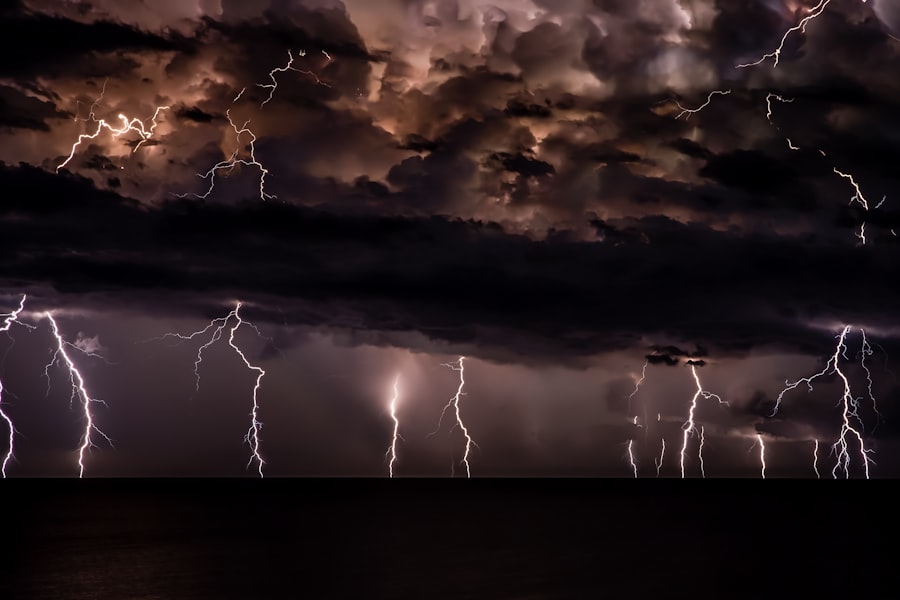
To mitigate the impact of unpredictable storms in South America, a multifaceted approach is necessary. First and foremost, enhancing infrastructure resilience is critical. Governments must invest in building flood-resistant structures, improving drainage systems, and reinforcing transportation networks to withstand extreme weather events.
Additionally, urban planning should prioritize sustainable development practices that consider potential storm impacts. Community engagement is another vital component of effective mitigation strategies. Educating residents about storm preparedness and response can empower individuals to take proactive measures during severe weather events.
Local governments can facilitate workshops and training sessions that equip communities with the knowledge needed to respond effectively to unpredictable storms. Furthermore, fostering collaboration between various stakeholders—such as government agencies, non-profit organizations, and local communities—can enhance collective efforts toward disaster preparedness.
The Importance of Early Warning Systems for Unpredictable Storms in South America
Early warning systems play a crucial role in minimizing the impact of unpredictable storms in South America. These systems provide timely information about impending weather events, allowing communities to prepare adequately and respond effectively. By utilizing advanced technology such as satellite imagery and meteorological data, early warning systems can predict storm trajectories and intensity with greater accuracy.
Implementing robust early warning systems requires collaboration between national meteorological agencies and local governments. Training personnel to interpret data accurately and disseminate information effectively is essential for ensuring that communities receive timely alerts. Moreover, public awareness campaigns can help educate residents about how to respond when warnings are issued.
By fostering a culture of preparedness through early warning systems, South American countries can significantly reduce the risks associated with unpredictable storms.
The Economic and Social Consequences of Unpredictable Storms in South America
The economic consequences of unpredictable storms in South America are staggering. Damage to infrastructure can lead to significant financial losses for governments and businesses alike. Repairing roads, bridges, and public facilities often requires substantial investment that diverts funds from other critical areas such as education or healthcare.
Additionally, agricultural losses can have ripple effects throughout local economies as farmers struggle to recover from crop failures. Socially, the consequences are equally dire. Displacement due to storm damage can lead to increased poverty rates as families lose their homes and livelihoods.
Vulnerable populations may face heightened risks of food insecurity and health issues as access to resources becomes limited. The psychological impact on individuals who experience loss or trauma during storms cannot be overlooked; mental health support becomes essential in helping communities rebuild after such devastating events.
The Need for International Collaboration in Addressing Unpredictable Storms in South America
Addressing the challenges posed by unpredictable storms in South America necessitates international collaboration. Many countries share similar vulnerabilities and face comparable threats from climate change and extreme weather events. By working together, nations can share knowledge, resources, and best practices for disaster preparedness and response.
International partnerships can also facilitate funding opportunities for infrastructure development and research initiatives aimed at understanding storm patterns better. Collaborative efforts can lead to more effective early warning systems that benefit multiple countries within the region. Furthermore, engaging with global organizations focused on climate change adaptation can enhance local capacities to address the impacts of unpredictable storms.
Lessons Learned from Previous Unpredictable Storms in South America
The experiences gained from previous unpredictable storms provide valuable lessons for future preparedness efforts in South America. One key takeaway is the importance of investing in resilient infrastructure that can withstand extreme weather events. Countries that have prioritized building codes and urban planning strategies that account for potential storm impacts have fared better during disasters.
Another lesson learned is the necessity of fostering community engagement in disaster preparedness initiatives. Empowering residents with knowledge about storm risks and response strategies enhances overall resilience within communities. Additionally, establishing strong communication channels between government agencies and local populations ensures that timely information reaches those most affected by unpredictable storms.
Moving Forward in Addressing Unpredictable Storms in South America
As South America continues to confront the challenges posed by unpredictable storms, a proactive approach is essential for safeguarding communities and economies alike. By understanding the factors contributing to these weather events and implementing effective mitigation strategies, countries can enhance their resilience against future storms. Investing in infrastructure improvements, fostering community engagement, and prioritizing early warning systems will be crucial steps toward minimizing the impact of unpredictable storms.
Moreover, addressing climate change through international collaboration will be vital for long-term sustainability in the region. By learning from past experiences and leveraging collective knowledge, South American nations can work together to build a safer future for their citizens amidst an increasingly unpredictable climate landscape.
Unpredictable storms in South America have become a growing concern for both local communities and researchers alike. These extreme weather events can lead to devastating consequences, including flooding and landslides. For a deeper understanding of the factors contributing to these unpredictable storms, you can read more in this related article on MyGeoQuest: MyGeoQuest. This resource provides valuable insights into the climatic changes affecting the region and the implications for future weather patterns.
WATCH THIS 🛑 Drake Passage: Earth’s Deadliest Waters Revealed
FAQs
What causes unpredictable storms in South America?
Unpredictable storms in South America are often caused by a combination of factors including the region’s diverse geography, varying climate zones, and atmospheric conditions such as the El Niño and La Niña phenomena. These factors can lead to sudden changes in weather patterns, making storms difficult to forecast accurately.
Which areas in South America are most affected by unpredictable storms?
Regions such as the Amazon Basin, the Andes Mountains, and coastal areas along the Pacific and Atlantic Oceans frequently experience unpredictable storms. Countries like Brazil, Colombia, Peru, and Argentina often face sudden heavy rainfall, thunderstorms, and flooding due to these weather events.
How do unpredictable storms impact South American communities?
Unpredictable storms can lead to severe flooding, landslides, damage to infrastructure, disruption of transportation, and agricultural losses. These impacts can affect the livelihoods of local populations, especially in rural and vulnerable areas, and may also pose risks to human safety.
Are there any seasonal patterns to storms in South America?
Yes, many parts of South America experience seasonal weather patterns. For example, the rainy season typically occurs during the austral summer months (December to March) in many regions. However, due to climate variability and phenomena like El Niño, storms can sometimes occur outside of these expected periods, contributing to their unpredictability.
What measures are being taken to improve storm prediction in South America?
Meteorological agencies in South America are investing in advanced weather monitoring technologies, satellite data, and climate modeling to improve storm forecasting. Regional cooperation and data sharing among countries also enhance the ability to predict and respond to severe weather events more effectively.
How does climate change affect the frequency and intensity of storms in South America?
Climate change is believed to influence the frequency and intensity of storms by altering atmospheric and oceanic conditions. Warmer temperatures can increase evaporation and moisture in the atmosphere, potentially leading to more intense rainfall and stronger storms. This can exacerbate the unpredictability and severity of weather events in the region.