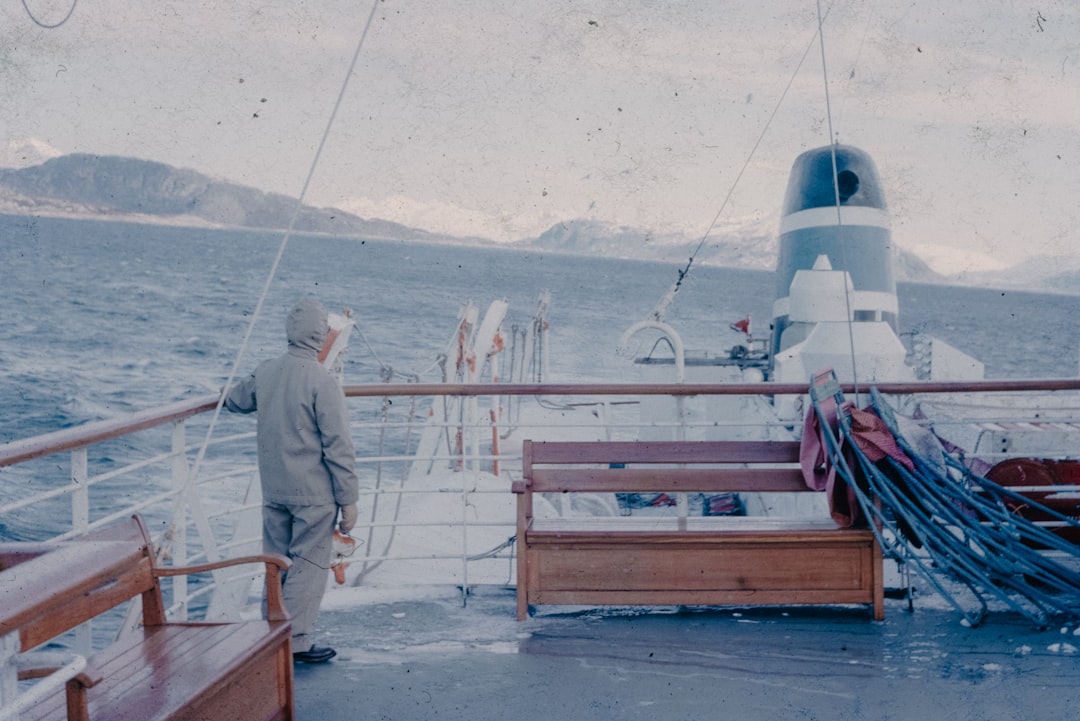
The Drake Passage is a body of water approximately 800 kilometers (500 miles) wide that separates South America from Antarctica, lying between Cape Horn and the Antarctic Peninsula. This passage serves as a critical maritime route and represents a significant ecological zone. The waters are characterized by unpredictable weather patterns, strong winds, and large waves that present substantial navigation challenges.
The Drake Passage functions as one of the world’s most important maritime corridors and plays a vital role in global oceanic circulation. Where the Atlantic and Pacific Oceans converge, the passage creates a dynamic environment that supports diverse marine life. The region serves as a natural laboratory for studying climate patterns and ecological interactions.
The waters contain complex ocean currents and weather systems that influence the species inhabiting the area.
Key Takeaways
- Drake Passage is a crucial and challenging maritime route connecting the Atlantic and Pacific Oceans.
- The region hosts unique wildlife and plays a significant role in global ocean circulation and climate.
- Filming in Drake Passage presents extreme weather and sea conditions, demanding skilled crews and equipment.
- Climate change is impacting the Drake Passage ecosystem, affecting both wildlife and ocean dynamics.
- The documentary highlights the passage’s natural beauty, scientific importance, and the efforts to preserve its future.
The Importance of Drake Passage
The Drake Passage holds immense importance for both ecological and economic reasons. As a crucial shipping route, it facilitates international trade by connecting the Atlantic and Pacific Oceans. This passage is particularly vital for vessels transporting goods to and from South America and Antarctica.
The strategic significance of the Drake Passage cannot be overstated; it serves as a lifeline for industries ranging from fishing to tourism. The passage’s waters are rich in marine resources, attracting fishermen seeking lucrative catches, while its stunning scenery draws adventure seekers from around the globe. Moreover, the Drake Passage is an essential area for scientific research.
Oceanographers and marine biologists flock to this region to study its unique ecosystems and the effects of climate change on marine life. The convergence of different ocean currents creates a nutrient-rich environment that supports an array of species, making it an ideal location for research on biodiversity and conservation efforts. Understanding the dynamics of the Drake Passage is crucial for predicting future changes in global climate patterns, as it plays a significant role in regulating ocean temperatures and currents. The treacherous waters of the Drake Passage are known for their unpredictable weather and challenging navigation.
The Challenges of Filming in Drake Passage
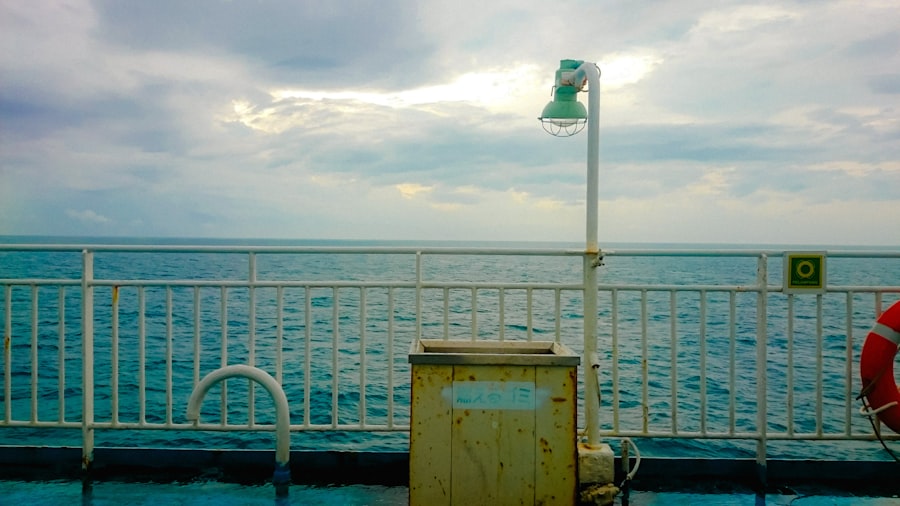
Filming in the Drake Passage presents a myriad of challenges that test the limits of even the most seasoned filmmakers. The unpredictable weather conditions can turn calm seas into raging storms within minutes, creating hazardous situations for crews attempting to capture footage. High winds and towering waves can make it difficult to maintain stability on camera equipment, often resulting in shaky shots or lost footage.
Additionally, the cold temperatures and harsh elements require filmmakers to be well-prepared with specialized gear to protect both themselves and their equipment. Logistical challenges also abound when filming in such a remote location. Accessing the Drake Passage often requires extensive planning and coordination with various maritime authorities.
Filmmakers must navigate strict regulations regarding wildlife protection and environmental conservation, ensuring that their activities do not disturb the delicate ecosystems present in the area. Despite these obstacles, many filmmakers are drawn to the Drake Passage for its unparalleled beauty and the opportunity to document its unique wildlife and landscapes.
The Wildlife of Drake Passage
The wildlife inhabiting the Drake Passage is as diverse as it is fascinating. This region serves as a critical habitat for numerous species of marine mammals, including whales, seals, and dolphins. Among these, the majestic humpback whale is often spotted breaching the surface, while orcas glide gracefully through the waters.
These birds play an essential role in the ecosystem, helping to maintain balance within the food chain. In addition to larger marine animals, the waters of the Drake Passage teem with life at every level.
The nutrient-rich currents support vast populations of krill, which serve as a primary food source for many species in the region. This abundance of krill attracts not only whales but also penguins and seals that rely on these small crustaceans for sustenance. The intricate web of life within the Drake Passage highlights the importance of preserving this unique environment, as any disruption could have far-reaching consequences for its inhabitants.
The History of Drake Passage
| Metric | Details |
|---|---|
| Title | Drake Passage Revealed |
| Genre | Documentary |
| Subject | Exploration of the Drake Passage, oceanography, and marine life |
| Duration | Approximately 60 minutes |
| Release Year | 2020 |
| Production Company | BBC Earth |
| Key Features | High-definition underwater footage, expert interviews, scientific data on currents and wildlife |
| Viewer Rating | 8.2/10 (IMDb) |
| Languages Available | English, Spanish, French |
The history of the Drake Passage is steeped in exploration and discovery. Named after Sir Francis Drake, who navigated these waters in the late 16th century, this passage has long been a focal point for adventurers seeking to chart unknown territories. The treacherous conditions posed by the passage have earned it a reputation as one of the most challenging maritime routes in the world.
Throughout history, countless ships have braved its waters, with many tales of shipwrecks and survival adding to its mystique. In addition to its role in exploration, the Drake Passage has been pivotal in shaping our understanding of global geography and oceanography. Early navigators relied on rudimentary maps and celestial navigation to traverse these waters, paving the way for modern maritime practices.
Over time, advancements in technology have allowed for more precise navigation and research capabilities, enabling scientists to study the complex interactions between ocean currents and climate systems. The legacy of exploration continues today as researchers seek to unlock the secrets held within this remarkable body of water.
The Science of Drake Passage

The scientific significance of the Drake Passage extends far beyond its role as a shipping route or tourist destination. Researchers are increasingly focused on understanding how this unique environment influences global climate patterns. The passage acts as a conduit for oceanic currents that transport heat and nutrients across vast distances, playing a crucial role in regulating temperatures around the globe.
By studying these currents, scientists can gain insights into climate change and its potential impacts on marine ecosystems. Moreover, ongoing research in the Drake Passage has revealed important information about biodiversity and species interactions within this dynamic environment. Scientists are utilizing advanced technologies such as remote sensing and underwater drones to gather data on marine life and habitat conditions.
This research not only enhances our understanding of ecological relationships but also informs conservation efforts aimed at protecting vulnerable species and habitats from human-induced threats.
The Crew Behind the Documentary
Creating a documentary about the Drake Passage requires a dedicated team of professionals who are passionate about storytelling and environmental conservation. From cinematographers capturing stunning visuals to researchers providing scientific context, each member plays a vital role in bringing the narrative to life. The crew often includes marine biologists who lend their expertise on local wildlife and ecosystems, ensuring that the documentary accurately represents the complexities of this unique environment.
Collaboration is key when working in such challenging conditions. Filmmakers must communicate effectively with their crew members to navigate logistical hurdles while maintaining safety protocols amidst unpredictable weather patterns. The camaraderie developed among team members fosters an atmosphere of creativity and resilience, allowing them to adapt quickly to changing circumstances while remaining focused on their mission: to unveil the beauty and significance of the Drake Passage.
The Impact of Climate Change on Drake Passage
Climate change poses significant threats to the delicate ecosystems within the Drake Passage. Rising ocean temperatures are altering marine habitats, affecting species distribution and abundance. As warmer waters encroach upon traditional feeding grounds, many marine animals are forced to adapt or migrate in search of suitable environments.
This shift can disrupt established food chains and lead to unforeseen consequences for both wildlife and human industries reliant on these resources. Additionally, melting ice from Antarctica contributes to rising sea levels and changes in salinity within the Drake Passage. These alterations can impact ocean currents, further exacerbating climate-related challenges faced by marine life.
Researchers are closely monitoring these changes to better understand their implications for biodiversity and ecosystem health. By documenting these shifts through film and scientific inquiry, filmmakers and scientists alike hope to raise awareness about climate change’s far-reaching effects on this vital region.
The Beauty of Drake Passage
The aesthetic allure of the Drake Passage is undeniable; its rugged landscapes and dramatic seascapes evoke a sense of wonder that captivates all who venture into its waters. Towering cliffs rise majestically from icy shores while glaciers calve into turquoise seas below—a breathtaking display of nature’s raw power. The interplay between light and shadow creates ever-changing vistas that inspire awe among photographers and filmmakers alike.
Beyond its visual splendor lies an emotional connection that many feel when experiencing this remote wilderness firsthand. The isolation found within the Drake Passage fosters introspection and appreciation for nature’s grandeur—a reminder of humanity’s place within the larger tapestry of life on Earth.
The Future of Drake Passage
Looking ahead, the future of the Drake Passage remains uncertain amid ongoing environmental changes and human activities. As interest in tourism grows, there is an increasing need for sustainable practices that minimize ecological impacts while allowing visitors to experience this remarkable region responsibly. Balancing economic interests with conservation efforts will be crucial in preserving the delicate ecosystems that thrive within these waters.
Furthermore, continued scientific research will play an essential role in understanding how best to protect this vital area from climate change’s effects. By fostering collaboration between researchers, policymakers, and local communities, there is hope for developing strategies that safeguard both biodiversity and cultural heritage associated with the Drake Passage. As awareness about its significance spreads through documentaries and educational initiatives, there lies potential for positive change that honors both nature’s beauty and humanity’s responsibility toward it.
Drake Passage Unveiled
In conclusion, the Drake Passage stands as a testament to nature’s power and resilience—a place where beauty meets challenge amidst an ever-changing landscape shaped by time itself. Its importance extends beyond mere geography; it serves as a critical hub for trade, scientific research, and ecological diversity while offering glimpses into our planet’s past—and future—through exploration and discovery. As filmmakers continue to unveil its mysteries through captivating documentaries, they shine a light on both its wonders and vulnerabilities—encouraging viewers worldwide to appreciate this extraordinary region’s significance within our global ecosystem.
Ultimately, understanding—and protecting—the Drake Passage is not just an environmental imperative; it is an invitation for humanity to reconnect with nature’s majesty while embracing stewardship over our shared planet for generations yet unborn.
The Drake Passage, known for its tumultuous waters and rich marine biodiversity, has been the subject of various explorations and documentaries. One such insightful piece is the article on My Geo Quest, which delves into the unique geographical features and ecological significance of this vital waterway. For more information, you can read the article [here](https://www.mygeoquest.com/).
WATCH THIS 🛑 Drake Passage: Earth’s Deadliest Waters Revealed
FAQs
What is the Drake Passage?
The Drake Passage is a body of water located between the southern tip of South America (Cape Horn) and the northern tip of the Antarctic Peninsula. It connects the southwestern part of the Atlantic Ocean with the southeastern part of the Pacific Ocean and is known for its rough seas and strong currents.
What is the documentary “Drake Passage Revealed” about?
The documentary “Drake Passage Revealed” explores the geography, oceanography, and wildlife of the Drake Passage. It highlights the challenges of navigating this treacherous stretch of water and showcases the unique ecosystems supported by the region.
Why is the Drake Passage significant?
The Drake Passage is significant because it is the shortest crossing from Antarctica to any other landmass, making it a critical route for scientific expeditions and shipping. It also plays a key role in global ocean circulation and climate regulation due to the Antarctic Circumpolar Current that flows through it.
What kind of wildlife can be found in the Drake Passage?
The Drake Passage is home to a variety of marine wildlife, including several species of whales, seals, penguins, and seabirds. The nutrient-rich waters support a diverse ecosystem that is important for both local biodiversity and global marine health.
What challenges do ships face when crossing the Drake Passage?
Ships crossing the Drake Passage often encounter rough seas, strong winds, and unpredictable weather conditions. The passage is known for its large waves and powerful currents, which can make navigation difficult and sometimes dangerous.
Who produced the “Drake Passage Revealed” documentary?
The documentary was produced by a team of filmmakers and scientists specializing in marine biology and oceanography. It aims to educate viewers about the natural environment of the Drake Passage and the importance of preserving this unique region.
Where can I watch the “Drake Passage Revealed” documentary?
The documentary is typically available on educational streaming platforms, nature documentary channels, or through the producing organization’s website. Availability may vary depending on your location and the platform’s distribution rights.
What scientific research is conducted in the Drake Passage?
Scientific research in the Drake Passage includes studies on ocean currents, climate change, marine ecosystems, and the behavior of marine species. Researchers use the passage to monitor environmental changes and gather data critical to understanding global ocean systems.