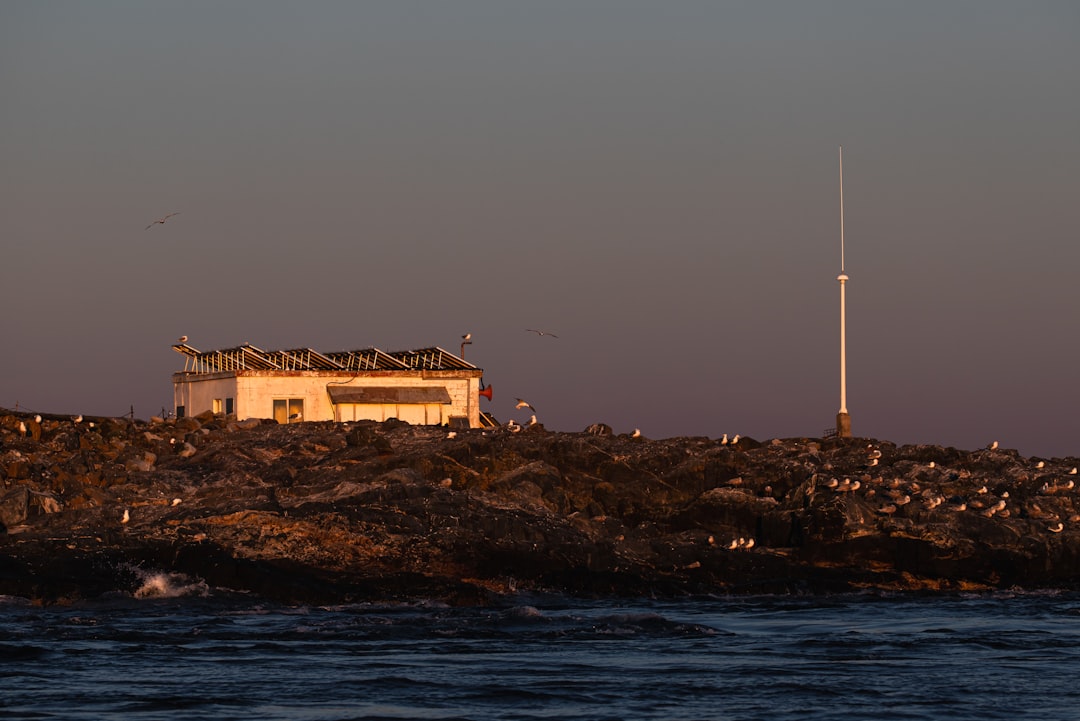
Ocean research has become an essential scientific discipline due to the complexity of marine ecosystems and their global significance. Oceans cover approximately 71% of Earth’s surface and serve critical functions including climate regulation, biodiversity support, and provision of resources necessary for human populations. Scientific investigation of oceanic systems reveals the mechanisms of marine life and demonstrates the interconnections between ocean health and planetary environmental systems.
Research findings directly influence environmental policies and conservation strategies designed to preserve marine resources. Ocean research addresses urgent environmental concerns rather than serving purely academic purposes.
Addressing these challenges requires integrated research across multiple disciplines including marine biology, oceanography, chemistry, geology, and engineering. Current research efforts focus on documenting existing ocean conditions, modeling future environmental changes, and establishing sustainable management practices. This collaborative scientific endeavor produces knowledge applicable to both marine conservation and human economic and social systems that depend on ocean health.
The treacherous waters of the Drake Passage are known for their unpredictable weather and powerful currents.
Key Takeaways
- Technological advancements have significantly enhanced ocean exploration and mapping of the ocean floor.
- New deep-sea species continue to be discovered, expanding our understanding of marine biodiversity.
- Climate change is profoundly affecting ocean ecosystems, prompting urgent research and conservation efforts.
- Innovations in renewable ocean energy and pollution solutions are key to sustainable marine resource use.
- International collaboration is crucial for advancing ocean research and addressing global marine challenges.
Advancements in Technology for Ocean Exploration
The field of ocean exploration has been revolutionized by significant advancements in technology, enabling researchers to venture into previously inaccessible depths. Innovations such as autonomous underwater vehicles (AUVs) and remotely operated vehicles (ROVs) have transformed the way scientists collect data and conduct experiments in the deep sea. These sophisticated machines are equipped with high-resolution cameras, sonar systems, and various sensors that allow for detailed mapping and analysis of underwater environments.
As a result, researchers can now explore areas of the ocean that were once thought to be beyond reach, uncovering new insights into marine ecosystems. In addition to AUVs and ROVs, satellite technology has also played a crucial role in ocean research. Satellites equipped with advanced imaging capabilities can monitor surface temperatures, chlorophyll concentrations, and ocean currents on a global scale.
This data is invaluable for understanding large-scale phenomena such as El Niño and its impact on weather patterns. Furthermore, the integration of artificial intelligence and machine learning into oceanographic research is paving the way for more efficient data analysis and interpretation. By harnessing these technologies, scientists can process vast amounts of information quickly, leading to more informed decisions regarding ocean conservation and management.
Mapping the Ocean Floor: New Discoveries

The mapping of the ocean floor has long been a challenging endeavor due to the vastness and depth of the oceans. However, recent technological advancements have led to remarkable discoveries that are reshaping our understanding of underwater landscapes. High-resolution mapping techniques, such as multibeam sonar, have allowed researchers to create detailed topographic maps of the seafloor, revealing features such as underwater volcanoes, deep-sea trenches, and expansive coral reefs.
These maps not only enhance scientific knowledge but also provide critical information for navigation, resource management, and environmental protection. One of the most exciting aspects of mapping the ocean floor is the potential for discovering new habitats and species. As researchers explore previously uncharted territories, they often encounter unique ecosystems that thrive in extreme conditions.
For instance, hydrothermal vents and cold seeps are home to diverse communities of organisms that rely on chemosynthesis rather than photosynthesis for energy. These discoveries challenge existing notions of biodiversity and highlight the resilience of life in harsh environments. The ongoing efforts to map the ocean floor promise to unveil even more hidden wonders, contributing to a deeper appreciation of the planet’s marine heritage.
Studying Deep Sea Creatures: Uncovering Hidden Species
The deep sea remains one of the least explored frontiers on Earth, harboring an astonishing array of life forms that continue to captivate scientists and enthusiasts alike. As researchers venture into these dark depths, they are uncovering hidden species that defy conventional understanding of biology and adaptation. Many deep-sea creatures possess unique characteristics that enable them to thrive in extreme conditions, such as bioluminescence for communication or specialized feeding mechanisms to capture scarce prey.
These adaptations not only provide insights into evolutionary processes but also raise questions about the potential applications of these biological traits in medicine and technology. The study of deep-sea creatures has also revealed the interconnectedness of marine ecosystems. For instance, the discovery of new species often leads to a better understanding of food webs and ecological relationships within these environments.
Researchers have documented instances where previously unknown organisms play crucial roles in nutrient cycling or serve as keystone species that maintain ecosystem balance. As scientists continue to explore the depths of the ocean, they are not only expanding our knowledge of biodiversity but also emphasizing the importance of conservation efforts to protect these fragile ecosystems from human-induced threats.
Impact of Climate Change on Ocean Ecosystems
| Research Area | Metric | Latest Data | Source/Project |
|---|---|---|---|
| Deep Sea Exploration | Max Depth Explored (meters) | 10,984 | Five Deeps Expedition (2020) |
| Ocean Acidification | Average pH Drop Since 1800 | 0.1 units | IPCC Special Report (2021) |
| Marine Biodiversity | New Species Discovered Annually | ~2,000 species | World Register of Marine Species (2023) |
| Ocean Circulation | Atlantic Meridional Overturning Circulation (AMOC) Strength | ~17.5 Sverdrups | OSNAP Project (2022) |
| Plastic Pollution | Estimated Tons of Plastic in Oceans | 150 million metric tons | UN Environment Programme (2023) |
| Sea Level Rise | Global Average Rise Since 1993 (mm/year) | 3.3 mm/year | NASA Satellite Data (2023) |
| Underwater Robotics | Max Operational Depth of Autonomous Vehicles (meters) | 11,000 | Deep Submergence Vehicle Research (2023) |
Climate change poses one of the most significant threats to ocean ecosystems, with far-reaching consequences for marine life and human communities alike. Rising sea temperatures have been linked to coral bleaching events, which devastate coral reefs—biodiversity hotspots that support countless species. Additionally, increased carbon dioxide levels lead to ocean acidification, affecting shell-forming organisms such as mollusks and corals.
These changes disrupt food chains and threaten the livelihoods of millions who depend on healthy oceans for their sustenance. Moreover, climate change is altering ocean circulation patterns, which can have profound effects on weather systems and marine habitats. For example, shifts in currents can impact nutrient distribution, leading to changes in fish populations and migration patterns.
As researchers study these dynamics, they emphasize the need for adaptive management strategies that consider both ecological resilience and socio-economic factors. Addressing climate change’s impact on ocean ecosystems requires a collaborative approach that involves scientists, policymakers, and local communities working together to develop sustainable solutions.
Harnessing Ocean Energy: Innovations in Renewable Energy

The oceans hold immense potential as a source of renewable energy, offering innovative solutions to meet global energy demands while reducing reliance on fossil fuels. Technologies such as tidal energy converters and wave energy devices are being developed to harness the power of ocean currents and waves. These renewable energy sources are not only sustainable but also provide a consistent energy supply due to the predictable nature of tides and waves.
As advancements continue in this field, there is growing optimism about the role of ocean energy in achieving energy security and combating climate change. In addition to tidal and wave energy, offshore wind farms are gaining traction as a viable solution for harnessing wind energy over open waters. These installations can generate significant amounts of electricity while minimizing land use conflicts associated with traditional wind farms.
The integration of ocean energy into national grids presents an opportunity for countries to diversify their energy portfolios while promoting economic growth through job creation in emerging industries. As research progresses and technologies mature, harnessing ocean energy could play a pivotal role in transitioning towards a more sustainable energy future.
Ocean Pollution: New Solutions and Initiatives
Ocean pollution has reached alarming levels, threatening marine life and ecosystems worldwide.
In response to this crisis, researchers and environmental organizations are developing innovative solutions aimed at mitigating pollution’s impact on marine environments.
Initiatives such as beach clean-up campaigns and community awareness programs are gaining momentum as individuals recognize their role in protecting oceans. Technological advancements are also playing a crucial role in addressing ocean pollution. For instance, innovative materials are being developed to create biodegradable alternatives to traditional plastics, reducing waste entering marine environments.
Additionally, advanced monitoring systems using drones and satellite imagery allow for real-time tracking of pollution sources and hotspots. By combining grassroots efforts with cutting-edge technology, there is hope for reversing some of the damage caused by pollution while fostering a culture of stewardship towards oceans.
Understanding Ocean Currents and their Influence on Climate
Ocean currents are fundamental components of Earth’s climate system, influencing weather patterns and regulating temperatures across the globe. The movement of water driven by wind patterns, temperature differences, and salinity variations plays a crucial role in distributing heat from equatorial regions to polar areas. Understanding these currents is essential for predicting climate changes and their potential impacts on ecosystems and human societies.
Recent research has highlighted how alterations in ocean currents due to climate change can lead to significant shifts in weather patterns. For example, changes in the Gulf Stream have been linked to increased storm intensity along the eastern coast of North America. By studying these dynamics, scientists aim to improve climate models that inform policymakers about potential future scenarios.
The intricate relationship between ocean currents and climate underscores the importance of continued research in this area as humanity grapples with the challenges posed by a changing planet.
Revolutionizing Marine Conservation Efforts
Marine conservation efforts are undergoing a transformation as new strategies emerge to protect vulnerable ecosystems and species from human activities. Traditional approaches often focused on establishing marine protected areas (MPAs), but recent initiatives emphasize a more holistic understanding of marine environments’ interconnectedness. This shift recognizes that effective conservation requires collaboration among various stakeholders, including governments, local communities, scientists, and industry representatives.
Innovative technologies are also enhancing conservation efforts by providing tools for monitoring biodiversity and assessing ecosystem health. For instance, underwater drones equipped with cameras can survey coral reefs or monitor fish populations without disturbing delicate habitats. Additionally, citizen science initiatives encourage public participation in data collection efforts, fostering a sense of ownership over local marine resources.
By embracing new methodologies and fostering collaboration across sectors, marine conservation is evolving into a more dynamic field capable of addressing contemporary challenges.
Exploring the Potential of Deep Sea Mining
Deep sea mining presents both opportunities and challenges as humanity seeks to tap into the vast mineral resources found on the ocean floor. With increasing demand for metals used in technology and renewable energy systems, interest in extracting resources such as polymetallic nodules has surged. However, this pursuit raises significant environmental concerns regarding potential impacts on fragile deep-sea ecosystems.
As researchers explore the feasibility of deep sea mining operations, they emphasize the need for stringent regulations to minimize ecological damage. The establishment of guidelines governing exploration activities is crucial to ensure that any resource extraction is conducted sustainably while safeguarding marine biodiversity. Balancing economic interests with environmental protection will be essential as society navigates this complex landscape in pursuit of valuable resources from the depths of the ocean.
Collaborative International Efforts in Ocean Research
The challenges facing oceans transcend national boundaries; thus, collaborative international efforts are vital for effective ocean research and management. Organizations such as UNESCO’s Intergovernmental Oceanographic Commission (IOC) facilitate cooperation among countries by promoting scientific collaboration and sharing best practices in ocean governance. These partnerships enable researchers from diverse backgrounds to pool resources and expertise toward common goals.
International agreements like the United Nations Convention on the Law of the Sea (UNCLOS) provide frameworks for managing ocean resources sustainably while addressing issues such as pollution control and biodiversity conservation. By fostering dialogue among nations and encouraging joint research initiatives, collaborative efforts can lead to more comprehensive solutions that benefit both marine ecosystems and human societies globally. As humanity faces unprecedented challenges related to oceans, unity in research endeavors will be paramount for ensuring a sustainable future for these vital resources.
Recent advancements in ocean research have shed light on the intricate ecosystems that thrive beneath the waves. A particularly insightful article on this topic can be found at My Geo Quest, where researchers discuss innovative techniques for studying marine biodiversity and the impacts of climate change on ocean habitats. This cutting-edge research not only enhances our understanding of the ocean’s role in the global ecosystem but also informs conservation efforts aimed at preserving these vital resources for future generations.
WATCH THIS 🛑 Drake Passage: Earth’s Deadliest Waters Revealed
FAQs
What is cutting edge ocean research?
Cutting edge ocean research refers to the latest scientific studies and technological advancements aimed at understanding the ocean’s ecosystems, geology, chemistry, and biology. This research often involves innovative tools and methods to explore previously inaccessible areas and gather new data.
Why is cutting edge ocean research important?
Ocean research is crucial for understanding climate change, marine biodiversity, natural resources, and the health of marine ecosystems. It helps inform conservation efforts, sustainable resource management, and disaster preparedness related to oceanic phenomena.
What technologies are used in cutting edge ocean research?
Technologies include autonomous underwater vehicles (AUVs), remotely operated vehicles (ROVs), advanced sonar mapping, satellite remote sensing, genetic sequencing, and deep-sea submersibles. These tools enable detailed exploration and data collection in challenging ocean environments.
What are some recent discoveries in ocean research?
Recent discoveries include new marine species, insights into deep-sea ecosystems, understanding ocean carbon cycles, and the mapping of underwater geological features such as hydrothermal vents and underwater volcanoes.
How does ocean research contribute to climate science?
Ocean research helps scientists understand how oceans absorb carbon dioxide, regulate global temperatures, and influence weather patterns. It also studies the impact of ocean acidification and warming on marine life and ecosystems.
Who conducts cutting edge ocean research?
Research is conducted by universities, government agencies, international organizations, and private institutions. Collaboration often occurs across countries to share data and resources for comprehensive ocean studies.
What challenges does cutting edge ocean research face?
Challenges include the vastness and depth of the oceans, high costs of expeditions, technological limitations, and the need for international cooperation. Environmental conditions such as pressure, darkness, and temperature extremes also pose difficulties.
How can the public support ocean research?
The public can support ocean research by advocating for funding, participating in citizen science projects, promoting ocean conservation, and staying informed about marine issues through educational programs and media.