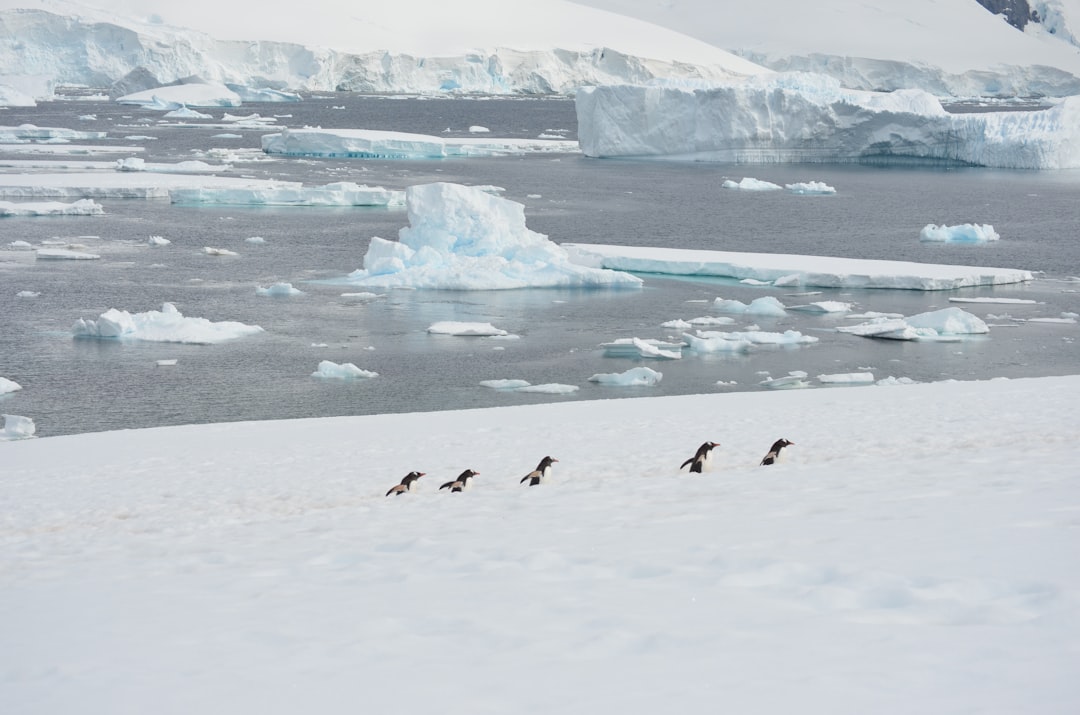
Antarctica is the world’s southernmost continent, characterized by extreme cold, vast ice sheets, and minimal human presence. The continent covers approximately 14.2 million square kilometers and is surrounded by the Southern Ocean. Its landscape consists primarily of glaciers, ice shelves, and rocky outcrops, with temperatures that regularly drop below -40°C (-40°F) during winter months.
The continent supports a distinctive ecosystem adapted to harsh conditions. Emperor and Adelie penguins are among the most prominent species, along with seals, whales, and various seabirds. The surrounding waters contain rich marine life, including krill, which forms the base of the Antarctic food chain.
Vegetation is limited to lichens, mosses, and a few hardy plant species in the Antarctic Peninsula region. Antarctica has become an increasingly popular tourist destination, with visitor numbers growing from approximately 4,700 in 1992 to over 70,000 in recent years. Most tourism occurs during the austral summer (November to March) when conditions are relatively more accessible.
Visitors typically arrive via cruise ships or aircraft, with the Antarctic Peninsula being the most visited region due to its slightly milder climate and accessible wildlife colonies. The continent is governed under the Antarctic Treaty System, established in 1961, which designates Antarctica as a scientific preserve and prohibits military activity. Tourism is regulated to minimize environmental impact, with visitor numbers and landing sites carefully controlled.
Research stations operated by various nations conduct studies in glaciology, astronomy, biology, and atmospheric science, taking advantage of the continent’s unique environmental conditions.
Key Takeaways
- Antarctica’s unique environment attracts increasing numbers of tourists, raising concerns about ecological impact.
- Sustainable tourism practices are emerging to balance preservation with visitor interest.
- Strict regulations and ethical guidelines are essential to protect Antarctica’s fragile ecosystem.
- Tourism can support scientific research but requires careful management to avoid exploitation.
- The future of Antarctic tourism depends on responsible practices and international cooperation.
The impact of tourism on the fragile ecosystem
While the allure of Antarctica is undeniable, the impact of tourism on its fragile ecosystem cannot be overlooked. The continent’s environment is incredibly sensitive, with ecosystems that have evolved over millions of years. The introduction of human activity, even in small numbers, can disrupt these delicate systems.
Tourists often leave behind waste, disturb wildlife, and contribute to pollution, all of which can have lasting effects on the pristine environment. The presence of ships and aircraft can also lead to disturbances in animal behavior, particularly during critical breeding seasons.
These species can outcompete native flora and fauna, leading to significant ecological shifts that threaten the unique biodiversity of Antarctica. As more people flock to this remote destination, it becomes increasingly important to assess and mitigate these impacts to ensure that future generations can enjoy the same breathtaking landscapes and wildlife that have captivated so many before them. The treacherous waters of the Drake Passage are known for their unpredictable weather and powerful currents.
The delicate balance between preservation and exploitation
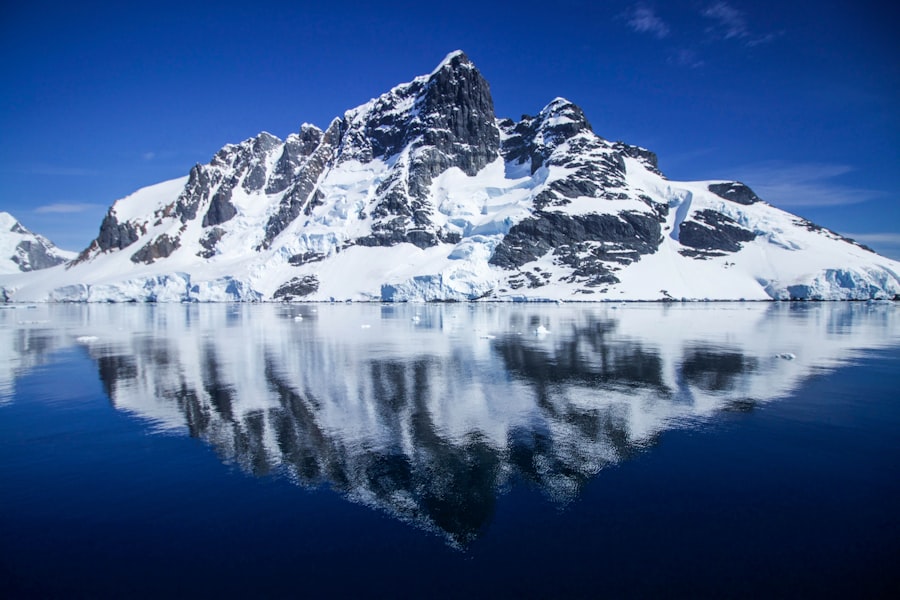
The challenge of balancing preservation with exploitation is particularly pronounced in Antarctica. On one hand, there is a strong desire to protect this unique environment from the adverse effects of human activity. On the other hand, the growing interest in Antarctic tourism presents economic opportunities for local communities and businesses.
This tension raises important questions about how best to manage tourism in a way that respects the integrity of the ecosystem while also allowing for responsible exploration. Efforts to strike this balance often involve collaboration between governments, environmental organizations, and tourism operators. By establishing guidelines and best practices for visitors, stakeholders can work together to minimize the ecological footprint of tourism while still providing opportunities for people to experience the wonders of Antarctica.
This delicate dance between preservation and exploitation requires ongoing dialogue and commitment from all parties involved, as well as a willingness to adapt to new challenges as they arise.
The rise of sustainable tourism in Antarctica
In response to growing concerns about the environmental impact of tourism, there has been a notable rise in sustainable tourism practices in Antarctica. Operators are increasingly adopting eco-friendly measures designed to minimize their impact on the environment while providing enriching experiences for travelers. This shift towards sustainability includes using smaller vessels that can navigate more sensitive areas without causing significant disruption, as well as implementing strict waste management protocols to ensure that no litter is left behind.
Additionally, many tour operators are now focusing on education as a key component of their offerings. By providing travelers with information about the unique ecosystems and wildlife they encounter, operators can foster a greater appreciation for the environment and encourage responsible behavior among visitors. This emphasis on education not only enhances the travel experience but also empowers tourists to become advocates for conservation efforts long after their journey has ended.
The ethical considerations of visiting Antarctica
| Metric | Value | Description |
|---|---|---|
| Annual Visitors | 50,000 – 60,000 | Number of tourists visiting Antarctica each year |
| Environmental Impact | High | Tourism contributes to pollution, wildlife disturbance, and habitat degradation |
| Protected Areas | ~5% | Percentage of Antarctica designated as specially protected areas to limit human impact |
| Tourism Growth Rate | 5-10% per year | Annual increase in the number of tourists visiting Antarctica |
| Carbon Footprint per Tourist | ~2-3 tons CO2 | Estimated carbon emissions generated by travel and activities per visitor |
| Regulations Enforced | Strict | International agreements like the Antarctic Treaty System regulate tourism activities |
| Economic Benefit to Research | Minimal | Tourism generates limited direct funding for scientific research in Antarctica |
| Visitor Awareness Programs | Mandatory | Tourists must undergo briefings on environmental protection and responsible behavior |
The ethical considerations surrounding tourism in Antarctica are complex and multifaceted. Visitors must grapple with questions about their role in preserving this fragile environment while also enjoying its beauty. Many travelers may not fully understand the potential consequences of their actions or the impact they can have on local wildlife and ecosystems.
As such, it is crucial for both tourists and operators to engage in discussions about ethical travel practices and the responsibilities that come with visiting such a pristine location. Moreover, there is an ethical imperative to consider the rights and perspectives of indigenous peoples and scientists who have long studied and lived in relation to Antarctica’s ecosystems. Their insights can provide valuable guidance on how best to approach tourism in a way that respects both cultural heritage and scientific integrity.
By fostering an inclusive dialogue that incorporates diverse viewpoints, stakeholders can work towards a more ethical framework for Antarctic tourism that prioritizes conservation and respect for all who call this remarkable continent home.
The role of regulations in protecting Antarctica
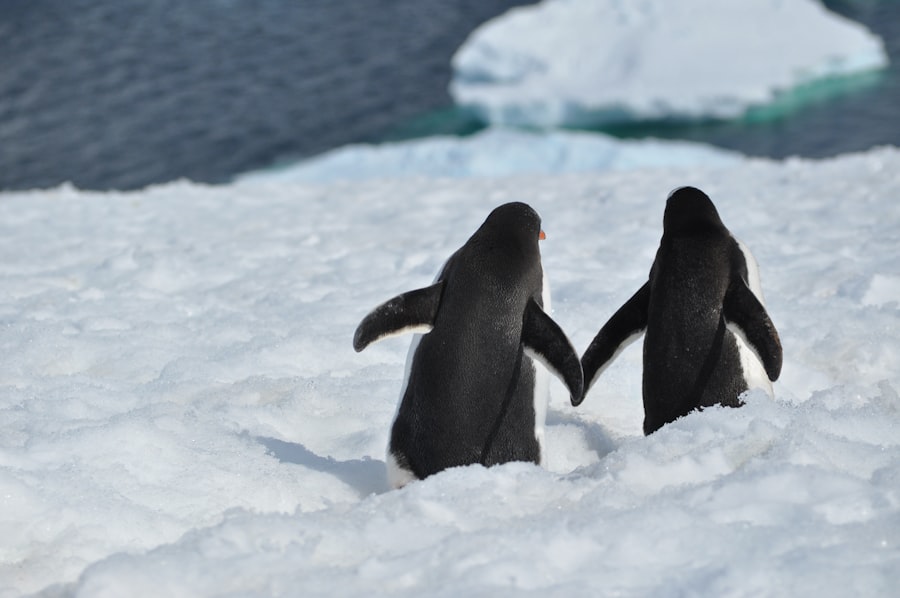
Regulations play a critical role in safeguarding Antarctica’s unique environment from the pressures of tourism. Various international agreements, such as the Antarctic Treaty System, establish guidelines for human activity on the continent, including tourism operations. These regulations aim to minimize environmental impacts while promoting scientific research and international cooperation.
By setting clear standards for visitor behavior and operational practices, these agreements help ensure that tourism does not compromise the integrity of Antarctica’s ecosystems. Enforcement of these regulations is essential for their effectiveness. Monitoring tourist activities and holding operators accountable for their actions can help prevent violations that could harm the environment.
Additionally, ongoing research into the effects of tourism on local ecosystems can inform future regulatory decisions, allowing for adaptive management strategies that respond to emerging challenges. Ultimately, robust regulations are vital for protecting Antarctica’s fragile environment while still allowing for responsible exploration.
The challenges of managing Antarctic tourism
Managing tourism in Antarctica presents numerous challenges that require careful consideration and strategic planning. One significant hurdle is the sheer remoteness of the continent, which complicates logistics and enforcement efforts. With limited infrastructure and harsh weather conditions, monitoring tourist activities can be difficult, making it challenging to ensure compliance with regulations.
Additionally, as more people express interest in visiting Antarctica, there is a risk that increased foot traffic could lead to overcrowding in certain areas, further straining local ecosystems. Another challenge lies in balancing the interests of various stakeholders involved in Antarctic tourism. Tour operators, environmental organizations, scientists, and government agencies all have different priorities and perspectives on how best to manage tourism in this unique environment.
Facilitating collaboration among these groups is essential for developing effective management strategies that address both conservation goals and economic interests. This requires ongoing dialogue and a commitment to finding common ground amid differing viewpoints.
The potential benefits of tourism for scientific research in Antarctica
Despite its challenges, tourism in Antarctica can also yield potential benefits for scientific research. Increased visitor numbers can provide valuable funding for conservation initiatives and research projects aimed at understanding climate change and its effects on polar ecosystems. Tourists often contribute financially to local economies through their travel expenditures, which can support scientific endeavors focused on preserving Antarctica’s unique environment.
Moreover, tourists can serve as informal ambassadors for conservation efforts when they return home. By sharing their experiences and knowledge gained during their travels, they can raise awareness about environmental issues facing Antarctica and inspire others to take action in support of conservation initiatives. This ripple effect can amplify the impact of scientific research by fostering a broader understanding of the importance of protecting this fragile ecosystem.
The importance of responsible tourism in Antarctica
Responsible tourism is paramount when it comes to visiting Antarctica. Travelers must recognize their role as stewards of this pristine environment and commit to minimizing their impact during their visit. This includes adhering to guidelines set forth by tour operators and regulatory bodies, such as maintaining a safe distance from wildlife and avoiding littering or disturbing natural habitats.
By practicing responsible behavior, tourists can help preserve Antarctica’s beauty for future generations. Education plays a crucial role in promoting responsible tourism practices. Tour operators have an opportunity to instill a sense of environmental stewardship among travelers by providing information about local ecosystems and encouraging sustainable behaviors during excursions.
When tourists understand the significance of their actions and how they contribute to conservation efforts, they are more likely to engage in responsible practices that protect this remarkable continent.
The future of Antarctic tourism
The future of Antarctic tourism remains uncertain as various factors come into play. Climate change poses significant threats to the region’s ecosystems, potentially altering landscapes and wildlife populations that draw visitors in the first place. As conditions change, it will be essential for stakeholders to adapt their approaches to tourism management while prioritizing conservation efforts.
Additionally, advancements in technology may shape how tourists experience Antarctica in the coming years. Virtual reality experiences or remote exploration tools could provide alternative ways for people to engage with this remote environment without physically traveling there. Such innovations could help alleviate some pressures associated with traditional tourism while still fostering appreciation for Antarctica’s unique beauty.
Finding a sustainable path forward
In conclusion, navigating the complexities of Antarctic tourism requires a concerted effort from all stakeholders involved—tourists, operators, scientists, and regulatory bodies alike. By prioritizing sustainability and responsible practices, it is possible to strike a balance between exploration and preservation that honors this remarkable continent’s ecological integrity. As interest in visiting Antarctica continues to grow, finding a sustainable path forward will be essential for ensuring that future generations can experience its breathtaking landscapes and unique wildlife.
Ultimately, fostering a culture of respect for nature among travelers will be key to protecting Antarctica’s fragile ecosystems while allowing people to connect with one of Earth’s last great frontiers. Through education, collaboration, and adherence to regulations designed for conservation purposes, stakeholders can work together toward a future where Antarctic tourism thrives without compromising its unparalleled beauty or ecological significance.
The paradox of Antarctic tourism highlights the tension between the desire to explore one of the world’s last frontiers and the need to protect its fragile ecosystem. As more travelers flock to this pristine environment, concerns about environmental degradation and the impact on wildlife have intensified. For a deeper understanding of the implications of increased tourism in this unique region, you can read a related article on the topic at this link.
WATCH THIS 🛑 Drake Passage: Earth’s Deadliest Waters Revealed
FAQs
What is the paradox of Antarctic tourism?
The paradox of Antarctic tourism refers to the conflicting situation where tourism to Antarctica raises awareness about the continent’s fragile environment but simultaneously poses risks to its pristine ecosystem through increased human activity and environmental impact.
How many tourists visit Antarctica each year?
Before the COVID-19 pandemic, approximately 50,000 tourists visited Antarctica annually, primarily during the austral summer months from November to March.
What are the main environmental concerns related to Antarctic tourism?
Key concerns include disturbance to wildlife, introduction of non-native species, pollution, waste management challenges, and potential damage to fragile habitats.
Are there regulations governing tourism in Antarctica?
Yes, tourism in Antarctica is regulated under the Antarctic Treaty System, particularly the Protocol on Environmental Protection, which sets guidelines to minimize environmental impact and manage visitor activities responsibly.
Who manages and oversees tourism activities in Antarctica?
Tourism is managed by the International Association of Antarctica Tour Operators (IAATO), which promotes safe and environmentally responsible travel to the continent.
Can tourists visit any part of Antarctica?
No, access is restricted to designated landing sites and areas approved by regulatory bodies to protect sensitive environments and wildlife.
What types of tourism activities are common in Antarctica?
Common activities include guided landings, wildlife watching, photography, kayaking, and educational tours focused on the continent’s natural and scientific significance.
How does tourism impact Antarctic wildlife?
Tourism can cause stress to animals, disrupt breeding and feeding behaviors, and increase the risk of disease transmission, although strict guidelines aim to minimize these impacts.
Is Antarctic tourism sustainable?
Sustainability is a major concern; while efforts are made to reduce environmental footprints, the increasing number of visitors presents ongoing challenges to maintaining the continent’s ecological integrity.
What measures are taken to ensure the safety of tourists in Antarctica?
Tour operators follow strict safety protocols, including emergency preparedness, environmental briefings, and adherence to IAATO guidelines to protect both visitors and the environment.