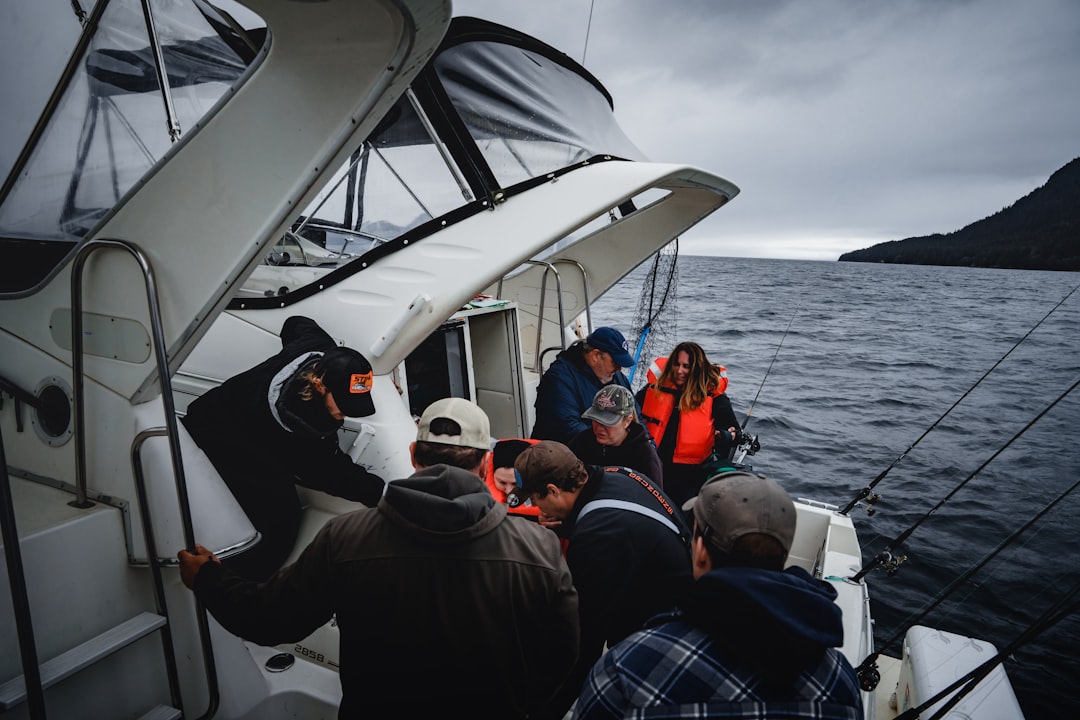
The Drake Passage is a body of water located between the southern tip of South America and Antarctica. It is named after English sea captain Sir Francis Drake, who sailed through these waters in the late 16th century. The passage connects the Atlantic and Pacific Oceans and serves as an important maritime route for trade and scientific research.
The Drake Passage is significant for several reasons. Its strategic location makes it a critical shipping corridor between major ocean basins. Additionally, the passage plays an important role in global climate regulation and supports diverse marine ecosystems.
The Drake Passage is known for its severe weather conditions and rough seas, making it one of the most challenging maritime routes to navigate. Strong winds, large waves, and unpredictable storms are common in this region.
Despite these hazards, the passage has been extensively used for scientific expeditions studying Antarctica, oceanography, marine biology, and climate systems. Researchers continue to use the passage as a gateway for Antarctic research, contributing to our understanding of polar regions and their effects on global environmental systems.
Key Takeaways
- Drake Passage is a historically significant and ecologically vital ocean corridor connecting the Atlantic and Pacific Oceans.
- Research in Drake Passage faces unique challenges due to harsh weather, strong currents, and remote location.
- Climate change is impacting the Drake Passage’s ecosystems and ocean circulation patterns.
- The passage plays a crucial role in global ocean circulation, influencing climate and marine biodiversity.
- International collaboration and technological advances are driving new discoveries and shaping the future of research in Drake Passage.
The Unique Challenges of Researching in Drake Passage
Researching in the Drake Passage presents a myriad of challenges that can deter even the most seasoned scientists. The passage is infamous for its extreme weather conditions, which can change rapidly and without warning. High winds, towering waves, and freezing temperatures create an environment that is not only physically demanding but also dangerous for researchers attempting to collect data or conduct experiments.
These harsh conditions necessitate specialized equipment and training, as well as a high level of preparedness to ensure the safety of all personnel involved. Moreover, the remoteness of the Drake Passage adds another layer of complexity to research efforts. Accessing this region often requires significant logistical planning, including securing vessels capable of navigating its turbulent waters.
The limited window for conducting research—primarily during the austral summer months—further complicates matters, as scientists must maximize their time in the field while contending with unpredictable weather patterns. Despite these challenges, researchers are undeterred; their commitment to understanding this vital marine environment drives them to innovate and adapt their methodologies to overcome obstacles. The treacherous waters of the
Climate change has emerged as a pressing concern for researchers studying the Drake Passage, as its effects are felt acutely in this sensitive region. Rising global temperatures have led to significant alterations in oceanic conditions, including changes in salinity, temperature gradients, and currents. These shifts have profound implications for marine ecosystems and biodiversity within the passage, affecting everything from phytoplankton growth to the migratory patterns of marine mammals.
As such, understanding how climate change impacts the Drake Passage is crucial for predicting future ecological outcomes. Additionally, the melting of polar ice caps and glaciers surrounding Antarctica contributes to rising sea levels and altered ocean circulation patterns. This phenomenon not only affects local ecosystems but also has far-reaching consequences for global climate systems.
Researchers are increasingly focused on monitoring these changes within the Drake Passage to better understand their implications for both regional and global environments. By studying the passage’s response to climate change, scientists hope to develop strategies for mitigating its impacts and preserving the delicate balance of marine life that thrives in these waters.
The Biodiversity and Ecosystems of Drake Passage
The Drake Passage is home to a remarkable array of biodiversity, making it a critical area for marine research. The nutrient-rich waters support a diverse range of species, from microscopic phytoplankton to massive whales. This rich tapestry of life is intricately linked to the unique oceanographic conditions found within the passage, where cold Antarctic waters meet warmer currents from the north.
This convergence creates an environment conducive to high productivity, attracting various marine organisms that rely on these nutrients for survival. Among the notable inhabitants of the Drake Passage are several species of seals, penguins, and seabirds that have adapted to thrive in this harsh environment. The passage serves as a vital breeding ground for many of these species, highlighting its ecological significance.
Furthermore, the region’s ecosystems are interconnected with those of surrounding areas, emphasizing the importance of comprehensive research efforts to understand how changes in one part of the ecosystem can reverberate throughout the entire marine environment. Protecting this biodiversity is essential not only for maintaining ecological balance but also for ensuring that future generations can continue to study and appreciate this unique marine habitat.
The Role of Drake Passage in Global Ocean Circulation
| Research Topic | Metric/Parameter | Value/Range | Unit | Notes |
|---|---|---|---|---|
| Ocean Currents | Average Current Speed | 1.2 – 1.5 | m/s | Measured in the Antarctic Circumpolar Current through Drake Passage |
| Water Temperature | Surface Temperature | -1.5 to 2 | °C | Seasonal variation near the surface |
| Salinity | Average Salinity | 34.2 – 34.7 | PSU (Practical Salinity Units) | Influences water density and circulation |
| Sea Ice Coverage | Maximum Seasonal Extent | Up to 50% | Percentage of area | Varies with season, impacts marine ecosystems |
| Marine Biodiversity | Species Count | 200+ | Species | Includes fish, krill, and seabirds studied |
| Carbon Flux | Carbon Sequestration Rate | 0.5 – 1.0 | g C/m²/day | Measured via biological pump efficiency |
| Wind Speed | Average Wind Speed | 10 – 15 | m/s | Strong westerly winds influence ocean mixing |
The Drake Passage plays a pivotal role in global ocean circulation, acting as a conduit for water masses between the Atlantic and Pacific Oceans. This exchange is crucial for regulating climate patterns worldwide, as it influences heat distribution across oceans and continents. The passage facilitates the movement of cold Antarctic waters northward while allowing warmer waters from the equator to flow southward.
This dynamic interaction is essential for maintaining global thermohaline circulation, often referred to as the “global conveyor belt,” which drives ocean currents and influences weather systems. Understanding the intricacies of ocean circulation within the Drake Passage is vital for predicting climate change impacts on a global scale. Researchers are increasingly focused on studying how alterations in water temperature and salinity affect these currents and their broader implications for climate systems.
By monitoring changes in ocean circulation patterns within the passage, scientists can gain insights into potential shifts in weather patterns, sea level rise, and other critical climate-related phenomena that could have far-reaching consequences for ecosystems and human populations alike.
The Geology and Seafloor of Drake Passage
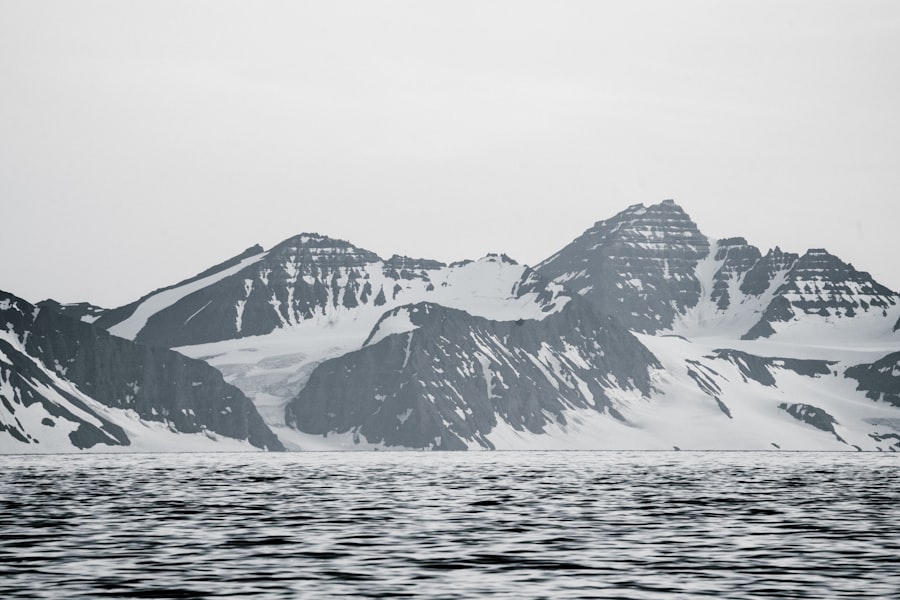
The geology of the Drake Passage is as complex as it is fascinating, shaped by tectonic activity and glacial processes over millions of years. The seafloor features a variety of geological formations, including underwater ridges, valleys, and volcanic structures that provide insight into Earth’s geological history. These formations not only contribute to our understanding of plate tectonics but also play a significant role in shaping local ecosystems by influencing water flow and nutrient distribution.
Researchers studying the geology of the Drake Passage utilize advanced technologies such as sonar mapping and submersible vehicles to explore these underwater landscapes. By examining sediment cores and rock samples from the seafloor, scientists can reconstruct past environmental conditions and gain insights into how these changes have influenced marine life over time. This geological perspective is essential for understanding current ecological dynamics and predicting how ongoing changes may impact both the seafloor environment and the broader marine ecosystem.
The Technological Advances in Scientific Research in Drake Passage
Recent technological advancements have revolutionized scientific research in the Drake Passage, enabling researchers to gather data more efficiently and safely than ever before. Innovations such as autonomous underwater vehicles (AUVs) and remotely operated vehicles (ROVs) allow scientists to explore previously inaccessible areas of the passage with precision. These technologies facilitate detailed mapping of underwater topography, collection of water samples at various depths, and monitoring of marine life without disturbing fragile ecosystems.
Moreover, advancements in satellite technology have enhanced researchers’ ability to monitor environmental changes over large spatial scales. Satellite imagery provides valuable insights into sea surface temperatures, ice cover, and phytoplankton blooms—critical indicators of ecological health within the passage. By integrating data from various sources, researchers can develop comprehensive models that enhance our understanding of complex interactions within this dynamic marine environment.
The Collaborative Efforts of International Research Teams in Drake Passage
The significance of research in the Drake Passage has prompted collaborative efforts among international research teams dedicated to studying this unique region. Scientists from various countries come together to share knowledge, resources, and expertise in order to tackle complex research questions that transcend national boundaries. These collaborations foster a spirit of cooperation that enhances scientific inquiry while promoting a shared commitment to understanding and preserving this vital marine ecosystem.
Joint research initiatives often involve multidisciplinary approaches that integrate oceanography, biology, geology, and climate science. By pooling resources and expertise from diverse fields, researchers can address pressing issues such as climate change impacts on marine biodiversity or shifts in ocean circulation patterns more effectively than individual teams could achieve alone. This collaborative spirit not only enriches scientific understanding but also strengthens international partnerships aimed at addressing global challenges related to ocean health.
The Discoveries and Breakthroughs in Scientific Research in Drake Passage
Scientific research conducted in the Drake Passage has yielded numerous discoveries that have advanced our understanding of marine ecosystems and climate dynamics. For instance, studies have revealed previously unknown species inhabiting these waters, highlighting the passage’s role as a biodiversity hotspot. Additionally, researchers have documented significant shifts in species distributions due to changing ocean temperatures—findings that underscore the urgency of addressing climate change impacts on marine life.
Breakthroughs in understanding ocean circulation patterns have also emerged from research efforts in the passage. By analyzing data collected over time, scientists have identified trends that suggest alterations in current systems may be linked to broader climate phenomena such as El Niño or La Niña events. These insights are crucial for predicting future changes in weather patterns and their potential consequences for both marine ecosystems and human communities reliant on ocean resources.
The Future of Scientific Research in Drake Passage
Looking ahead, the future of scientific research in the Drake Passage appears promising yet challenging. As climate change continues to reshape marine environments globally, ongoing research will be essential for monitoring these changes and developing adaptive strategies to mitigate their impacts. Scientists are increasingly focused on long-term monitoring programs that will provide valuable data on ecological shifts over time—information critical for informing conservation efforts and policy decisions.
Furthermore, advancements in technology will likely continue to enhance research capabilities within the passage. As new tools emerge—such as improved sensors for measuring oceanographic variables or innovative data analysis techniques—researchers will be better equipped to tackle complex questions about marine ecosystems and their responses to environmental change. Collaborative efforts among international teams will remain vital in ensuring that research conducted in this region is comprehensive and impactful.
The Implications of Drake Passage Research for Understanding and Addressing Global Challenges
Research conducted in the Drake Passage holds significant implications for understanding and addressing global challenges related to climate change, biodiversity loss, and ocean health. Insights gained from studying this unique marine environment can inform broader discussions about sustainable resource management and conservation strategies necessary for protecting vulnerable ecosystems worldwide. As scientists continue to unravel the complexities of life within these waters, their findings will contribute to our collective knowledge about how interconnected our planet’s systems truly are.
Moreover, understanding the dynamics at play within the Drake Passage can help policymakers make informed decisions regarding climate action and environmental protection efforts on a global scale. By recognizing how changes in one region can reverberate throughout interconnected systems—whether through shifts in ocean currents or impacts on migratory species—stakeholders can develop more effective strategies for addressing pressing environmental issues facing humanity today. Ultimately, research in the Drake Passage serves as a reminder of our shared responsibility to protect our oceans and preserve their invaluable resources for future generations.
Recent scientific research in the Drake Passage has provided valuable insights into the complex interactions between ocean currents and climate change. A related article that delves deeper into these findings can be found at this link. The study highlights the significance of the Drake Passage in regulating global climate patterns and its role in marine biodiversity, making it a critical area for ongoing research.
WATCH THIS 🛑 Drake Passage: Earth’s Deadliest Waters Revealed
FAQs
What is the Drake Passage?
The Drake Passage is a body of water located between the southern tip of South America (Cape Horn) and the northern tip of the Antarctic Peninsula. It connects the southwestern part of the Atlantic Ocean with the southeastern part of the Pacific Ocean and the Southern Ocean.
Why is the Drake Passage important for scientific research?
The Drake Passage is a critical area for studying ocean currents, climate change, marine ecosystems, and Antarctic environmental conditions. It is the narrowest passage of the Southern Ocean, making it a key location for understanding the Antarctic Circumpolar Current and its influence on global ocean circulation.
What types of scientific research are conducted in the Drake Passage?
Research in the Drake Passage includes oceanography, marine biology, climate science, glaciology, and atmospheric studies. Scientists study water temperature, salinity, currents, marine life, and the impact of climate change on Antarctic ice and ecosystems.
How do researchers conduct studies in the Drake Passage?
Researchers use research vessels equipped with scientific instruments to collect water samples, measure oceanographic parameters, and observe marine life. They also deploy autonomous underwater vehicles, buoys, and remote sensing technology to gather data over extended periods.
What challenges do scientists face when conducting research in the Drake Passage?
The Drake Passage is known for its rough seas, strong winds, and unpredictable weather, which can make navigation and data collection difficult. The remote location and harsh conditions require specialized equipment and careful planning to ensure the safety of research teams.
How does research in the Drake Passage contribute to understanding climate change?
Studies in the Drake Passage help scientists understand how ocean currents distribute heat and carbon dioxide globally, influencing climate patterns. Research on Antarctic ice melt and ocean temperature changes in this region provides valuable data on the effects of global warming.
Are there any international collaborations involved in Drake Passage research?
Yes, scientific research in the Drake Passage often involves international collaboration among countries with Antarctic research programs. These partnerships facilitate data sharing, resource pooling, and coordinated efforts to study the Southern Ocean and its global impact.
What role does the Drake Passage play in global ocean circulation?
The Drake Passage is a key conduit for the Antarctic Circumpolar Current, the world’s largest ocean current, which circulates cold water around Antarctica and connects the Atlantic, Pacific, and Indian Oceans. This current plays a vital role in regulating Earth’s climate and ocean ecosystems.