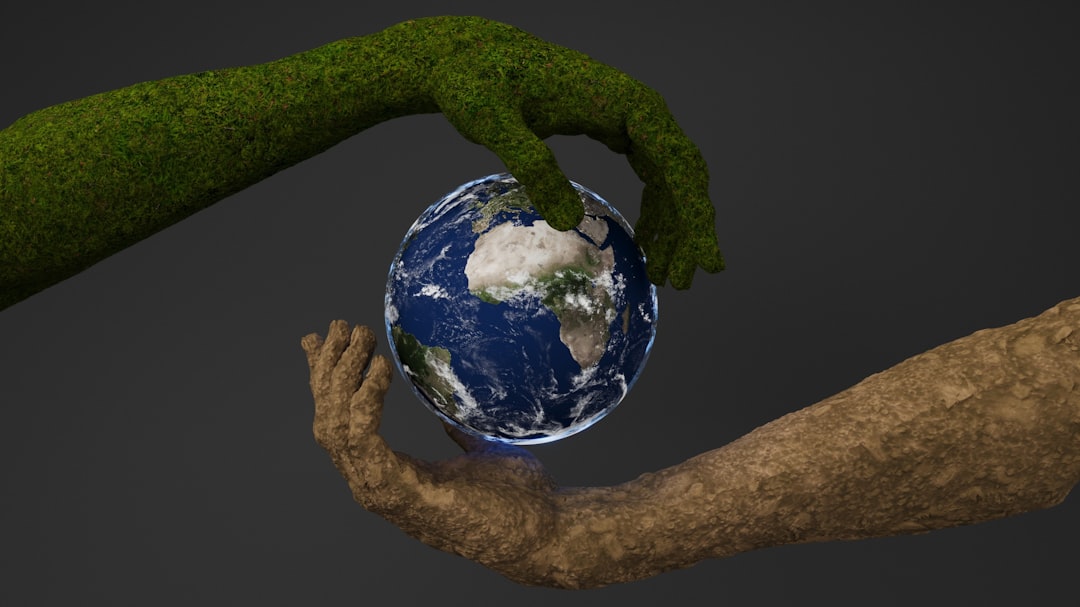
Rare Earth Elements (REEs) comprise a group of 17 chemically similar metallic elements that are fundamental components in modern technological applications. This group includes lanthanum, cerium, neodymium, and europium, among others. Despite their name, these elements are not geologically rare in terms of crustal abundance; instead, they occur infrequently in concentrated deposits suitable for commercial extraction.
REEs possess distinctive magnetic, optical, and catalytic properties that make them indispensable for manufacturing smartphones, electric vehicles, wind turbines, solar panels, and defense systems. The growing global demand for advanced technologies has elevated the strategic importance of these elements. The designation “rare earth” is scientifically inaccurate regarding actual abundance levels.
Several REEs occur more frequently in the Earth’s crust than precious metals such as gold or platinum. The perception of rarity stems from the technical challenges associated with extraction, separation, and refinement processes, which require specialized knowledge and significant capital investment. The global REE supply chain exhibits substantial geographic concentration, with China maintaining approximately 80% of worldwide production capacity since the 1990s.
This market dominance has created supply security concerns among technology-dependent nations and prompted initiatives to develop alternative sources and reduce dependency on single-country suppliers.
Key Takeaways
- Rare earth elements are critical for modern technologies but are challenging to mine.
- Mining processes cause significant environmental damage, including pollution and habitat destruction.
- Workers and nearby communities face serious health risks from exposure to mining activities.
- Effective waste management and stricter regulations are essential to mitigate mining impacts.
- Sustainable alternatives and responsible policies are needed to reduce reliance on harmful rare earth mining.
The Importance of Rare Earth Elements
The importance of rare earth elements cannot be overstated in today’s technological landscape. They are integral to the production of high-performance magnets, phosphors, catalysts, and batteries. For instance, neodymium is a key component in the powerful magnets used in wind turbines and electric vehicle motors, while europium is essential for producing the vibrant colors in LED displays.
As nations strive to transition to greener energy solutions and enhance their technological capabilities, the demand for REEs is expected to surge. Moreover, REEs play a pivotal role in national security and defense applications. They are used in advanced weaponry, communication systems, and surveillance technologies.
The reliance on these elements for military applications underscores their strategic importance. As countries seek to bolster their technological independence and security, the race to secure reliable sources of rare earth elements has intensified, leading to increased exploration and mining activities worldwide. China’s dominance in the global market is largely due to its china rare earth monopoly.
The Process of Rare Earth Mining

The process of rare earth mining is complex and involves several stages, from exploration to extraction and processing. Initially, geologists conduct extensive surveys to identify potential deposits of rare earth minerals. Once a viable site is located, mining operations commence, which can involve both open-pit and underground mining techniques.
The choice of method depends on the depth and location of the ore deposits. After extraction, the ore undergoes a series of processes to separate the rare earth elements from other minerals.
These processes are designed to isolate the desired REEs from the surrounding materials. However, this intricate procedure requires significant energy and resources, contributing to the overall environmental impact of rare earth mining.
Environmental Concerns Associated with Rare Earth Mining
The environmental concerns associated with rare earth mining are substantial and multifaceted. One of the primary issues is the disruption of ecosystems caused by mining activities. The removal of large amounts of earth can lead to habitat destruction, soil erosion, and loss of biodiversity.
As mining operations expand to meet growing demand, the potential for irreversible damage to local ecosystems increases. Additionally, the chemicals used in the extraction and processing of rare earth elements pose significant risks to the environment. Many of these substances are toxic and can contaminate soil and water sources if not managed properly.
The long-term consequences of such contamination can be devastating for local flora and fauna, as well as for human populations that rely on these natural resources for their livelihoods.
Air and Water Pollution from Rare Earth Mining
| Metric | Description | Impact Level | Notes |
|---|---|---|---|
| Water Usage | Amount of water consumed per ton of rare earth element extracted | High | Extraction processes require large volumes of water, leading to local water scarcity |
| Radioactive Waste Generation | Volume of radioactive byproducts produced per ton of rare earth mined | Moderate to High | Some rare earth ores contain thorium and uranium, creating hazardous waste |
| Soil Contamination | Level of heavy metals and toxic chemicals released into soil | High | Mining and processing can lead to heavy metal leaching affecting agriculture |
| Air Pollution | Emissions of dust and toxic gases during mining and refining | Moderate | Dust and chemical emissions contribute to respiratory issues and environmental degradation |
| Energy Consumption | Energy required per ton of rare earth element produced | High | Energy-intensive extraction and separation processes increase carbon footprint |
| Land Disturbance | Area of land affected per ton of rare earth extracted | High | Open-pit mining leads to habitat destruction and landscape alteration |
| Carbon Emissions | CO2 equivalent emissions per ton of rare earth element | Moderate to High | Depends on energy source used in mining and processing |
Air and water pollution are two critical environmental issues stemming from rare earth mining operations. The extraction process often releases dust and particulate matter into the atmosphere, which can contribute to air quality degradation. This pollution can have serious health implications for nearby communities, leading to respiratory issues and other health problems.
Water pollution is another significant concern associated with rare earth mining. The chemicals used during processing can leach into nearby water bodies, contaminating drinking water supplies and harming aquatic ecosystems. Heavy metals and other toxic substances can accumulate in fish and other wildlife, posing risks not only to biodiversity but also to human health when these contaminated organisms enter the food chain.
Habitat Destruction from Rare Earth Mining
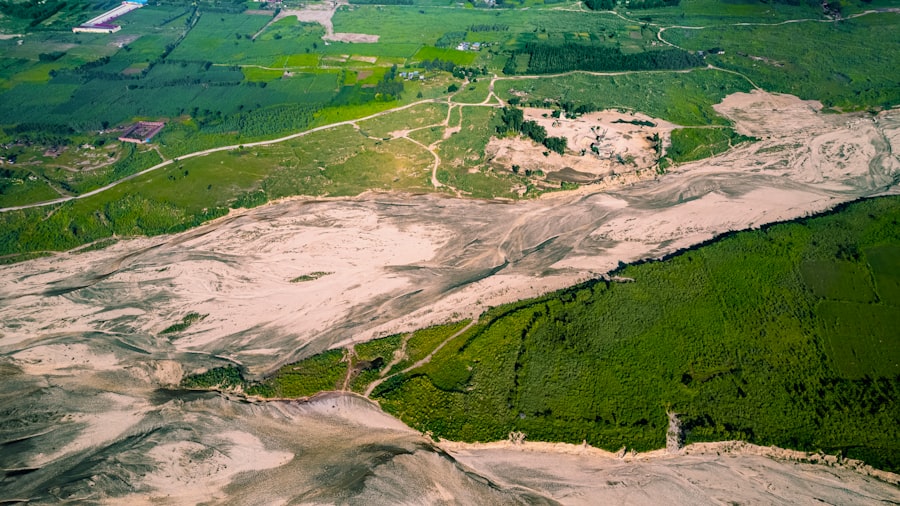
Habitat destruction is one of the most pressing environmental impacts of rare earth mining. The process often requires clearing large areas of land, which can lead to the displacement of wildlife and loss of biodiversity. Forests, wetlands, and other critical habitats may be destroyed or fragmented as mining operations expand, disrupting ecosystems that have developed over millennia.
The consequences of habitat destruction extend beyond immediate ecological impacts; they can also affect local communities that depend on these ecosystems for their livelihoods. Indigenous populations and rural communities often rely on natural resources for food, medicine, and cultural practices. When their habitats are compromised by mining activities, their way of life is threatened, leading to social and economic challenges.
Health Risks for Workers and Local Communities
The health risks associated with rare earth mining extend not only to workers directly involved in extraction but also to local communities living near mining sites. Workers may be exposed to hazardous chemicals used in processing REEs, leading to acute health issues such as respiratory problems or skin irritations. Long-term exposure can result in chronic conditions or even life-threatening diseases.
Local communities also face health risks due to environmental contamination caused by mining activities. Polluted air and water can lead to a range of health problems among residents, including increased rates of cancer, neurological disorders, and reproductive issues.
Waste Management and Disposal Issues
Waste management is a critical issue in the context of rare earth mining. The extraction and processing of REEs generate significant amounts of waste material, including tailings that contain toxic substances. Proper disposal of this waste is essential to prevent environmental contamination; however, many mining operations struggle with effective waste management practices.
Inadequate disposal methods can lead to leaching of harmful chemicals into soil and water sources, compounding the environmental impact of mining activities. Furthermore, improper storage of waste materials can result in catastrophic events such as dam failures or spills, which can have devastating consequences for both ecosystems and human populations living nearby.
Regulatory and Policy Considerations
Regulatory frameworks governing rare earth mining vary significantly across countries, impacting how environmental concerns are addressed. In some regions, stringent regulations exist to mitigate environmental damage and protect public health; however, enforcement can be inconsistent. In contrast, other countries may have lax regulations that prioritize economic gain over environmental protection.
Policymakers face the challenge of balancing economic development with environmental sustainability when it comes to rare earth mining. Effective regulations must consider not only the immediate impacts of mining activities but also long-term consequences for ecosystems and communities. International cooperation may be necessary to establish best practices and standards that ensure responsible sourcing of rare earth elements while minimizing harm to people and the planet.
Sustainable Alternatives to Rare Earth Mining
As awareness grows regarding the environmental impacts of rare earth mining, there is an increasing push for sustainable alternatives. One promising avenue is recycling existing materials that contain rare earth elements. By recovering REEs from electronic waste or other products at the end of their life cycle, it is possible to reduce reliance on virgin materials while minimizing environmental harm.
Additionally, research into alternative materials that can replace rare earth elements in certain applications is gaining traction. Innovations in material science may lead to the development of substitutes that do not carry the same environmental risks associated with mining. By investing in sustainable practices and technologies, society can work towards reducing its dependence on rare earth mining while still meeting technological demands.
Conclusion and Call to Action
In conclusion, while rare earth elements are vital for modern technology and energy solutions, their extraction poses significant environmental challenges that cannot be ignored. From habitat destruction and pollution to health risks for workers and local communities, the consequences of rare earth mining are far-reaching. As global demand for these elements continues to rise, it is imperative that stakeholders—including governments, industries, and consumers—take action to address these issues.
A collective effort is needed to promote sustainable practices in rare earth mining while exploring alternatives that minimize environmental impact. Policymakers must strengthen regulations governing mining activities and prioritize public health and ecological integrity over short-term economic gains. By fostering innovation in recycling technologies and alternative materials research, society can pave the way toward a more sustainable future that balances technological advancement with environmental stewardship.
The extraction and processing of rare earth elements have significant environmental impacts, raising concerns about pollution and habitat destruction. For a deeper understanding of these issues, you can read a related article on the environmental implications of rare earth mining at MyGeoQuest. This resource provides valuable insights into the challenges and potential solutions associated with rare earth element production.
WATCH THIS! 🚨 THEY CONTROL 94% OF YOUR MAGNETS 🧲 — And You Never Noticed 🤫
FAQs
What are rare earth elements?
Rare earth elements (REEs) are a group of 17 chemically similar metallic elements, including the 15 lanthanides plus scandium and yttrium. They are essential in manufacturing many high-tech devices, such as smartphones, electric vehicles, and renewable energy technologies.
Why is the environmental impact of rare earth mining a concern?
The extraction and processing of rare earth elements can cause significant environmental damage, including habitat destruction, soil and water contamination, and the generation of radioactive waste. These impacts arise due to the use of toxic chemicals and the release of heavy metals during mining and refining.
Where are rare earth elements primarily mined?
China is the largest producer of rare earth elements, accounting for the majority of global supply. Other countries with rare earth mining operations include the United States, Australia, Russia, and India.
How does rare earth mining affect local communities?
Mining activities can lead to displacement, health risks from pollution, and loss of livelihoods for local populations. Contaminated water and soil can impact agriculture and fisheries, while air pollution from dust and chemical emissions can cause respiratory problems.
What measures are being taken to reduce the environmental impact of rare earth mining?
Efforts include developing more sustainable mining practices, improving waste management, recycling rare earth elements from electronic waste, and researching alternative materials to reduce dependence on rare earths.
Can rare earth elements be recycled?
Yes, recycling rare earth elements from used electronics and magnets is possible and is increasingly being promoted to reduce the need for new mining and to mitigate environmental impacts.
Are there alternatives to rare earth elements in technology?
Research is ongoing to find substitutes for rare earth elements in various applications, but currently, many technologies still rely heavily on them due to their unique magnetic, luminescent, and catalytic properties.
What is the role of regulations in managing the environmental impact of rare earth mining?
Environmental regulations aim to control pollution, ensure responsible waste disposal, and protect ecosystems and communities. Enforcement varies by country, and stronger regulations are needed globally to minimize negative impacts.