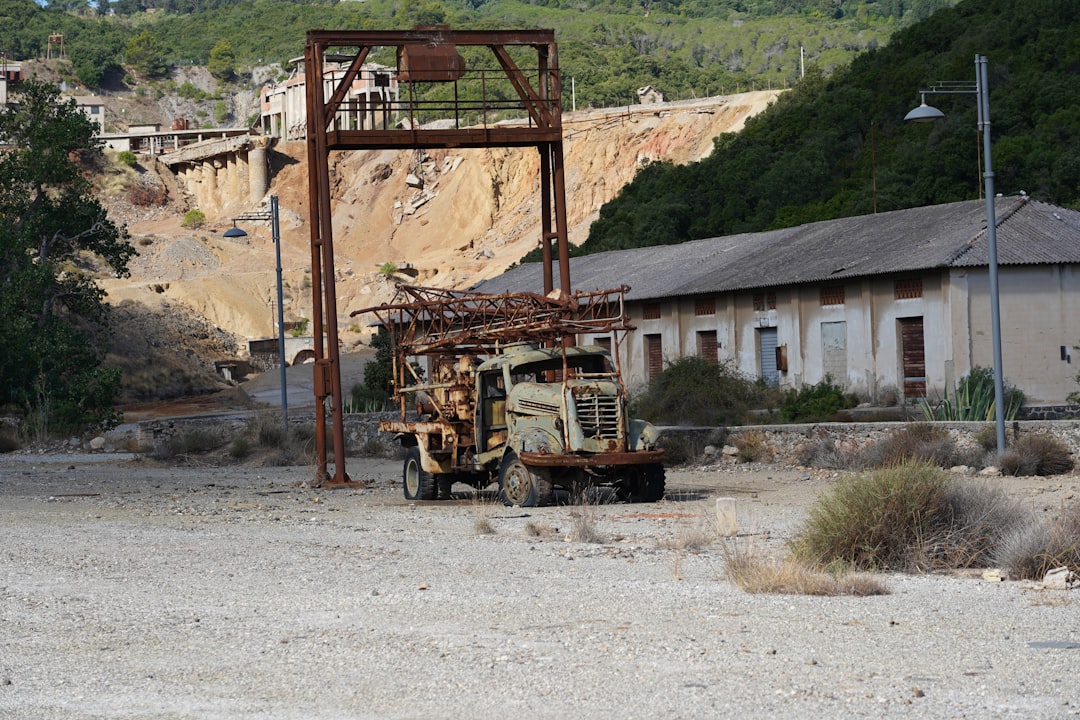
Mountain Pass Mine, situated in California’s Mojave Desert, represents one of the world’s premier sources of rare earth elements. These critical materials are essential components in electronics, renewable energy technologies, and defense systems. The mine’s strategic significance has placed it at the center of debates concerning resource management, environmental protection, and economic growth.
With increasing global demand for rare earth elements, Mountain Pass operations face scrutiny regarding their economic benefits alongside environmental and social consequences. The mine has experienced cyclical periods of prosperity and decline, reflecting the rare earth market’s inherent volatility. These fluctuations in global demand have directly affected the mine’s operational status.
Its periodic closures have prompted questions about the future of domestic rare earth production in the United States and the implications for local communities dependent on the mine for employment and economic vitality. A comprehensive understanding of Mountain Pass Mine’s situation is crucial for addressing the challenges and opportunities facing both the surrounding community and the broader rare earth industry.
Key Takeaways
- Mountain Pass Mine has a significant history as a major rare earth mineral source.
- The mine’s shutdown was driven by economic and environmental challenges.
- Closure led to job losses and negatively affected local businesses.
- Environmental impacts included both positive recovery and ongoing concerns.
- Community and government responses focused on mitigation and planning for economic diversification.
History of Mountain Pass Mine
The history of Mountain Pass Mine dates back to the 1950s when it was first discovered by a group of prospectors. Initial mining operations began in 1952, and by the 1960s, the mine was producing significant quantities of bastnäsite, a rare earth mineral that contains valuable elements such as cerium, lanthanum, and neodymium. Throughout the 1970s and 1980s, Mountain Pass became a dominant player in the global rare earth market, supplying a substantial portion of the world’s demand.
The mine’s success was fueled by advancements in technology and an increasing reliance on rare earth elements in various industries. However, the mine’s fortunes began to wane in the late 1990s due to a combination of factors, including increased competition from foreign producers, particularly China, which flooded the market with cheaper rare earth elements. Environmental concerns also began to surface as mining operations raised questions about pollution and land degradation.
By 2002, Mountain Pass Mine was forced to suspend operations due to regulatory challenges and financial difficulties. This marked a significant turning point in its history, leading to a series of ownership changes and attempts at revitalization that would ultimately culminate in its recent closure. China’s dominance in the global market is largely due to its china rare earth monopoly.
Reasons for Shutdown
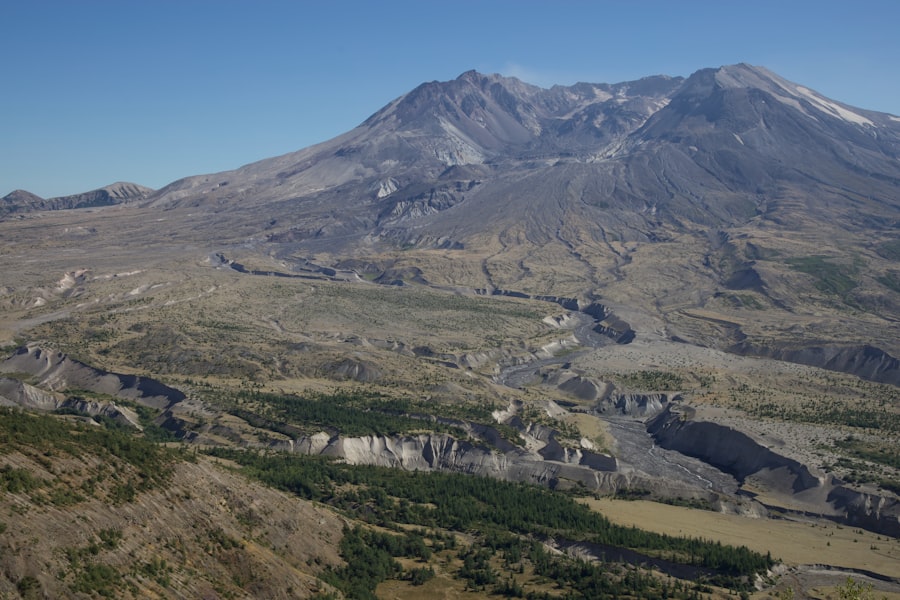
The shutdown of Mountain Pass Mine can be attributed to a confluence of factors that rendered its operations unsustainable. One of the primary reasons was the intense competition from international markets, particularly from China, which has dominated the rare earth supply chain for years. Chinese producers were able to offer lower prices due to their economies of scale and less stringent environmental regulations.
This created an unlevel playing field for Mountain Pass, making it increasingly difficult for the mine to compete effectively. Additionally, environmental regulations played a significant role in the mine’s closure. Over the years, concerns about pollution and waste management practices at Mountain Pass led to heightened scrutiny from regulatory agencies.
The mine faced numerous challenges in meeting compliance standards, which resulted in costly upgrades and operational delays. These regulatory hurdles, combined with fluctuating market prices for rare earth elements, ultimately made it financially unviable for the mine to continue operations.
Impact on Local Employment
The closure of Mountain Pass Mine had immediate and profound effects on local employment. For decades, the mine served as a primary source of jobs for residents in the surrounding communities, providing stable employment opportunities and supporting families. When operations ceased, hundreds of workers found themselves without jobs, leading to a significant increase in unemployment rates in an area that had already been economically vulnerable.
The loss of jobs extended beyond direct employment at the mine; many local businesses relied on the economic activity generated by the mine’s workforce. Restaurants, retail shops, and service providers experienced a sharp decline in customers as former employees sought new opportunities elsewhere or faced financial hardships. The ripple effect of job losses created a challenging environment for families and individuals who had depended on the mine for their livelihoods.
Economic Impact on Local Businesses
| Metric | Value | Unit | Notes |
|---|---|---|---|
| Mine Closure Year | 2022 | Year | Official closure date of Mountain Pass Mine |
| Reclamation Area | 1,200 | Acres | Land area undergoing reclamation post-closure |
| Water Treatment Capacity | 500,000 | Gallons per day | Capacity of water treatment plant to manage runoff |
| Environmental Monitoring Duration | 30 | Years | Planned duration for post-closure environmental monitoring |
| Number of Employees at Closure | 150 | People | Staff employed at the time of mine closure |
| Estimated Reclamation Cost | 45,000,000 | USD | Projected cost for full reclamation activities |
| Radioactive Waste Containment | 95 | Percent | Percentage of radioactive waste safely contained |
The economic ramifications of Mountain Pass Mine’s closure extended far beyond immediate job losses; local businesses faced significant challenges as well. The mine had been a cornerstone of the local economy, contributing to a vibrant commercial landscape that thrived on the patronage of mine employees and their families. With the sudden loss of this customer base, many businesses struggled to stay afloat.
Small businesses that had flourished during the mine’s operational years found themselves grappling with declining revenues and increased competition from larger retailers outside the area. Some were forced to reduce staff or even close their doors permanently. The economic downturn created a sense of uncertainty within the community, as residents worried about their financial futures and the overall viability of local enterprises.
Environmental Impact of Mine Closure
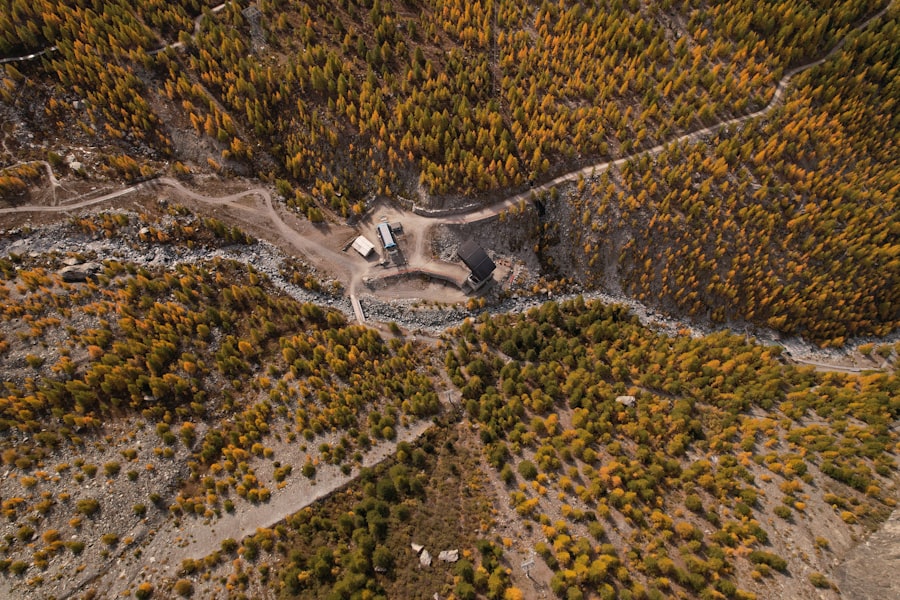
The environmental impact of Mountain Pass Mine’s closure is multifaceted and raises important questions about land use and reclamation efforts. While mining operations had previously raised concerns about pollution and habitat destruction, the cessation of activities also brought its own set of environmental challenges. Abandoned mining sites can pose risks if not properly managed, including potential contamination from leftover materials and erosion issues.
Efforts to rehabilitate the land are crucial in mitigating these risks. Environmental organizations and local stakeholders have emphasized the importance of responsible reclamation practices to restore ecosystems affected by mining activities. The transition from an active mining site to a rehabilitated landscape requires careful planning and investment but is essential for ensuring long-term environmental health in the region.
Government Response to Mine Closure
In response to the closure of Mountain Pass Mine, government agencies at both state and federal levels have taken steps to address the economic fallout and support affected communities. Initiatives aimed at workforce development have been implemented to help displaced workers acquire new skills and find employment in other sectors. These programs often focus on retraining individuals for jobs in renewable energy or technology fields that align with emerging market trends.
Additionally, local governments have sought to attract new businesses to diversify the economy away from its reliance on mining. Efforts include promoting tourism initiatives that highlight the region’s natural beauty and historical significance while encouraging investment in sustainable industries that can provide long-term job opportunities. The government’s proactive approach aims not only to mitigate immediate economic impacts but also to foster resilience within the community.
Community Response to Mine Closure
The community’s response to Mountain Pass Mine’s closure has been characterized by resilience and adaptability. Local residents have come together to support one another during this challenging time, forming networks that provide assistance with job searches and emotional support. Community organizations have emerged to advocate for economic diversification and sustainable development initiatives that can help revitalize the area.
Moreover, public forums have been organized to discuss potential pathways forward for the community. These gatherings allow residents to voice their concerns while also exploring innovative solutions that leverage local resources and talents. The collective effort demonstrates a commitment to rebuilding and reimagining a future that is not solely dependent on mining but embraces a broader range of economic opportunities.
Future Prospects for the Local Economy
Looking ahead, the future prospects for the local economy surrounding Mountain Pass Mine remain uncertain but hold potential for transformation. While the immediate impacts of mine closure have been challenging, there is an opportunity for diversification that could lead to sustainable growth. The increasing global focus on renewable energy technologies presents avenues for investment in clean energy projects that could create jobs and stimulate economic activity.
Furthermore, as interest in domestic rare earth production resurfaces due to geopolitical considerations, there may be potential for revitalizing mining operations under stricter environmental standards. This could provide a pathway for re-employment while ensuring that environmental concerns are addressed comprehensively. The community’s ability to adapt and innovate will be crucial in shaping its economic future.
Lessons Learned from Mine Closure
The closure of Mountain Pass Mine offers valuable lessons about resource dependency and community resilience. One key takeaway is the importance of diversifying local economies to reduce vulnerability to market fluctuations. Relying heavily on a single industry can leave communities exposed to significant risks when that industry faces challenges.
Additionally, proactive engagement with environmental regulations is essential for sustainable resource management. The experience at Mountain Pass underscores the need for mining operations to prioritize environmental stewardship while balancing economic interests. Communities can benefit from fostering partnerships between industry stakeholders, government agencies, and environmental organizations to ensure responsible practices are upheld.
Conclusion and Recommendations
In conclusion, Mountain Pass Mine’s closure has had far-reaching implications for local employment, businesses, and environmental health. While challenges abound, there is also an opportunity for renewal through diversification and sustainable development initiatives. It is imperative for stakeholders—government agencies, community organizations, and residents—to collaborate in creating a resilient economic framework that embraces innovation while respecting environmental integrity.
Recommendations include investing in workforce development programs tailored to emerging industries, promoting tourism initiatives that highlight local culture and natural resources, and fostering partnerships aimed at responsible land reclamation efforts. By learning from past experiences and adapting to new realities, the community surrounding Mountain Pass Mine can pave a path toward a more sustainable and prosperous future.
The recent closure of the Mountain Pass mine has raised significant concerns regarding the supply chain of rare earth elements, which are crucial for various high-tech industries. For a deeper understanding of the implications of this closure and its impact on the global market, you can read more in this related article on MyGeoQuest: MyGeoQuest.
WATCH THIS! 🚨 THEY CONTROL 94% OF YOUR MAGNETS 🧲 — And You Never Noticed 🤫
FAQs
What is the Mountain Pass Mine?
The Mountain Pass Mine is a rare earth element mining operation located in California, USA. It is known for producing rare earth minerals used in various high-tech applications.
Why is the Mountain Pass Mine closing?
The closure of the Mountain Pass Mine can be due to several factors such as economic challenges, environmental regulations, depletion of resources, or changes in market demand for rare earth elements.
When did the Mountain Pass Mine close or plan to close?
The specific closure date varies depending on the latest company announcements and operational status. It is important to refer to official sources for the most current information.
What are the environmental impacts of closing the Mountain Pass Mine?
Mine closure involves environmental remediation efforts to manage waste, prevent contamination, and restore the land. Proper closure aims to minimize long-term environmental impacts.
What happens to the workers after the mine closure?
Mine closures often result in job losses, but companies may provide severance packages, retraining programs, or assistance in finding new employment opportunities.
How does the closure affect the supply of rare earth elements?
Closure of a major mine like Mountain Pass can impact the global supply chain of rare earth elements, potentially leading to increased prices or supply shortages until alternative sources are developed.
Are there any plans for reopening or repurposing the Mountain Pass Mine site?
Some mine sites are repurposed for other industrial uses, tourism, or conservation. Reopening depends on market conditions and resource availability. Official statements provide updates on such plans.
Who manages the closure and reclamation process?
The mining company, in coordination with government regulatory agencies, manages the closure and reclamation process to ensure compliance with environmental and safety standards.
What regulations govern mine closure in the United States?
Mine closures in the U.S. are regulated by federal and state laws, including environmental protection statutes and mining-specific regulations to ensure safe and responsible closure practices.
Where can I find more information about the Mountain Pass Mine closure?
More information can be found through official company press releases, government mining and environmental agencies, and reputable news sources covering mining industry developments.