The Darién Gap is a 66-mile stretch of undeveloped swampland and forest located between Panama and Colombia that represents the only break in the Pan-American Highway system. This region consists of dense tropical rainforest, swamps, and mountainous terrain that creates significant barriers to transportation and development. The area supports extensive biodiversity and serves as a critical habitat for numerous species of flora and fauna.
The Gap’s remote location and difficult terrain have made it a corridor for illegal drug trafficking operations moving narcotics from South America toward North American markets. Criminal organizations exploit the region’s inaccessibility and limited government presence to transport drugs and conduct other illicit activities. The presence of these groups has contributed to security challenges and violence that affects local indigenous communities and migrants attempting to traverse the area.
The Darién Gap has gained international attention due to its role in migration patterns, as thousands of people attempt to cross the dangerous terrain while traveling northward through the Americas. The region presents significant humanitarian challenges, including exposure to violence, disease, and harsh environmental conditions. Environmental concerns also persist, as increased human activity threatens the area’s ecological integrity and contributes to deforestation and habitat destruction.
Key Takeaways
- The Darién Gap is a critical and dangerous region plagued by escalating cartel violence impacting local communities and the environment.
- Cartel activity has a long history in the area, recently intensifying and causing severe humanitarian and economic crises.
- Government and international efforts are underway but face significant challenges in curbing violence and addressing root causes.
- The violence has led to displacement, environmental degradation, and disrupted local economies.
- Sustainable solutions require addressing underlying social, economic, and political factors fueling cartel presence in the Darién Gap.
History of Cartel Activity in the Darién Gap
The history of cartel activity in the Darién Gap can be traced back several decades, with roots in the broader context of drug trafficking in Latin America. In the late 20th century, as cocaine production surged in Colombia, traffickers began to exploit the Darién’s dense jungles as a transit route. The region’s challenging geography provided a natural shield against law enforcement efforts, allowing cartels to transport narcotics with minimal risk of interception.
Over time, this led to the establishment of well-organized smuggling networks that capitalized on the area’s remoteness. As the years progressed, the presence of various drug cartels intensified, each vying for control over lucrative trafficking routes. The Colombian cartels, particularly the infamous Medellín and Cali cartels, were among the first to establish a foothold in the region.
Their influence paved the way for newer groups to emerge, including guerrilla factions and paramilitary organizations that sought to profit from the drug trade. This historical backdrop set the stage for ongoing violence and instability in the Darién Gap, as rival factions clashed over territory and resources.
Recent Escalation of Cartel Violence
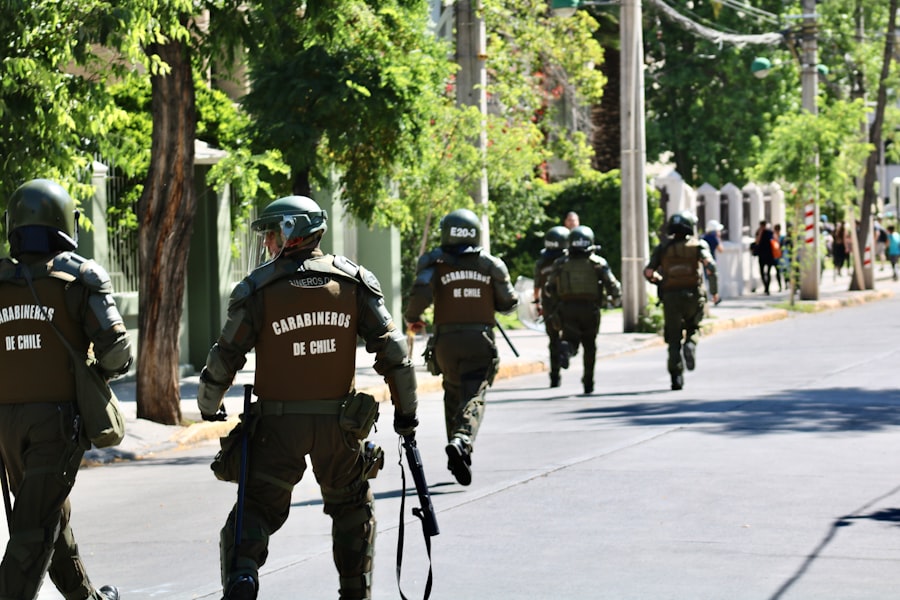
In recent years, violence in the Darién Gap has escalated dramatically, reflecting broader trends in drug trafficking and organized crime across Latin America. The fragmentation of major cartels has led to the emergence of smaller, more violent groups that are willing to engage in brutal tactics to assert their dominance. Reports indicate that clashes between rival gangs have become increasingly frequent, resulting in a surge of killings and kidnappings that have instilled fear among local populations.
The violence is not only confined to confrontations between cartel members; it often spills over into communities that find themselves caught in the crossfire. Civilians have become targets as cartels seek to exert control over territory and intimidate potential informants. The situation has reached a critical point where entire villages are being displaced due to threats from armed groups, leading to a humanitarian crisis that demands urgent attention.
Impact on Local Communities
The impact of cartel violence on local communities in the Darién Gap is profound and multifaceted. Families are often forced to flee their homes due to threats from armed groups, leading to a significant increase in internally displaced persons (IDPs) within the region. These displacements disrupt social structures and create a sense of instability that permeates daily life.
Children are particularly vulnerable; many are unable to attend school due to safety concerns or are forced into labor to support their families. Moreover, the pervasive atmosphere of fear and violence has stifled economic opportunities for local residents. Traditional livelihoods such as farming and fishing have been undermined as communities grapple with extortion and intimidation from criminal organizations.
As a result, many individuals find themselves trapped in a cycle of poverty and desperation, with limited options for escape. The social fabric of these communities is fraying under the weight of cartel activity, leading to long-term consequences that will be felt for generations.
Environmental Consequences of Cartel Activity
| Metric | Value | Details |
|---|---|---|
| Number of Violent Incidents (2023) | 45 | Reported clashes between cartels and security forces |
| Estimated Casualties (2023) | 120 | Includes cartel members, civilians, and law enforcement |
| Major Cartels Involved | 3 | Including Gulf Clan, Los Urabeños, and local factions |
| Drug Trafficking Routes Affected | 2 | Primary routes through Darién Gap disrupted |
| Security Operations Conducted | 12 | Joint operations by Panamanian and Colombian forces |
| Displaced Civilians | 3,000+ | People forced to flee due to cartel violence |
The environmental consequences of cartel activity in the Darién Gap are significant and alarming.
Cartels often resort to deforestation to create space for drug crops or to establish clandestine airstrips for transporting narcotics.
This destruction not only endangers countless species but also disrupts vital ecosystems that play a crucial role in regulating climate and water resources. Additionally, the use of harmful chemicals in coca production poses severe risks to both human health and the environment. Pesticides and fertilizers used in illicit drug cultivation can leach into waterways, contaminating drinking supplies for local communities and wildlife alike.
The long-term effects of these practices could lead to irreversible damage to the region’s natural resources, further exacerbating the challenges faced by local populations who rely on these ecosystems for their livelihoods.
Government Response to Cartel Violence in the Darién Gap
The response of governments to cartel violence in the Darién Gap has been marked by a combination of military intervention and social programs aimed at addressing root causes. In Colombia, authorities have deployed troops to combat drug trafficking and restore order in affected areas. However, these military efforts have often been met with criticism for their heavy-handed approach, which can exacerbate tensions between law enforcement and local communities.
In Panama, government initiatives have focused on improving infrastructure and providing economic opportunities as a means of countering cartel influence. However, these efforts have faced significant challenges due to ongoing violence and corruption within law enforcement agencies. The lack of effective governance in certain areas has hindered progress, leaving communities vulnerable to exploitation by criminal organizations.
A comprehensive strategy that combines security measures with social development is essential for addressing the complex issues at play in the Darién Gap.
International Efforts to Address the Situation
International efforts to address the situation in the Darién Gap have gained momentum as awareness of the crisis grows. Various organizations, including the United Nations and non-governmental organizations (NGOs), have sought to provide humanitarian assistance and support for displaced populations. These initiatives aim to alleviate immediate suffering while also promoting long-term solutions through community development programs.
Additionally, international cooperation between countries affected by drug trafficking has become increasingly important. Collaborative efforts focused on intelligence sharing and joint operations have shown promise in disrupting cartel activities. However, these initiatives require sustained commitment from all parties involved, as well as adequate resources to be effective.
The complexity of the situation necessitates a multifaceted approach that addresses not only security concerns but also socio-economic factors contributing to cartel violence.
Humanitarian Crisis in the Darién Gap
The humanitarian crisis unfolding in the Darién Gap is dire and multifaceted. As violence escalates, thousands of individuals are forced to flee their homes, seeking safety from armed groups that threaten their lives. Many families find themselves living in makeshift shelters or overcrowded conditions in temporary camps, lacking access to basic necessities such as food, clean water, and medical care.
The plight of vulnerable populations, including women and children, is particularly concerning. Reports indicate that many women face increased risks of gender-based violence as they navigate displacement and insecurity. Children are often deprived of education and essential services, jeopardizing their future prospects.
The international community must prioritize humanitarian assistance in this region while also addressing the underlying factors that contribute to ongoing violence and instability.
Economic Implications of Cartel Violence
The economic implications of cartel violence in the Darién Gap extend beyond immediate disruptions to local communities; they also have far-reaching consequences for regional stability and development. As violence escalates, foreign investment dwindles, leaving local economies struggling to recover from the impacts of crime and insecurity. Businesses are often forced to close or relocate due to extortion or threats from criminal organizations.
Moreover, reliance on illicit economies can create a cycle of dependency that hinders legitimate economic growth. Communities caught in this cycle may find it challenging to transition away from drug cultivation or other illegal activities without adequate support and resources. Addressing these economic implications requires a comprehensive approach that fosters sustainable development while dismantling the structures that enable cartel activity.
Future Outlook for the Darién Gap
The future outlook for the Darién Gap remains uncertain as various factors continue to shape its trajectory. While there is potential for positive change through international cooperation and community development initiatives, significant challenges persist. The entrenched nature of cartel violence poses a formidable barrier to progress, requiring sustained commitment from both local governments and international partners.
Efforts aimed at addressing root causes—such as poverty, lack of education, and limited economic opportunities—will be crucial for breaking the cycle of violence. Additionally, fostering dialogue between communities and law enforcement can help build trust and promote collaborative solutions. Ultimately, a holistic approach that prioritizes human rights and sustainable development will be essential for creating lasting change in the Darién Gap.
Addressing the Root Causes of Cartel Violence
In conclusion, addressing cartel violence in the Darién Gap necessitates a comprehensive understanding of its root causes and implications for local communities and ecosystems alike. While immediate responses may focus on security measures, it is imperative that long-term strategies prioritize social development and economic opportunities.
The path forward will require collaboration among governments, international organizations, NGOs, and local communities themselves. Only through concerted efforts can meaningful progress be made in mitigating violence and fostering stability in this complex region. The Darién Gap represents not just a geographical challenge but also a profound human crisis that demands urgent attention and action from all corners of society.
The ongoing violence in the Darién Gap, often attributed to cartel activities, has raised significant concerns about safety and security in the region. For a deeper understanding of the implications of this violence on local communities and migration patterns, you can read more in this related article: Darién Gap Cartel Violence: Impacts and Insights. This article provides a comprehensive overview of the situation and its broader effects on the surrounding areas.
FAQs
What is the Darién Gap?
The Darién Gap is a dense and roadless jungle region located between Panama and Colombia. It is known for its challenging terrain and is one of the most difficult areas to traverse in Central America.
Why is the Darién Gap significant in terms of cartel violence?
The Darién Gap serves as a critical transit route for drug trafficking organizations, including cartels, due to its remote location and lack of infrastructure. This has made it a hotspot for cartel-related violence and criminal activity.
Which cartels are active in the Darién Gap region?
Several Colombian and Central American drug trafficking organizations operate in the Darién Gap, including factions linked to larger cartels such as the Gulf Clan (Clan del Golfo) and other local criminal groups.
What types of violence are associated with cartel activity in the Darién Gap?
Violence in the Darién Gap includes armed confrontations between rival cartels, attacks on law enforcement and military personnel, kidnappings, and violence against migrants and local communities caught in the crossfire.
How does cartel violence in the Darién Gap affect migrants?
Migrants traveling through the Darién Gap often face significant risks, including extortion, robbery, kidnapping, and violence from criminal groups controlling the area. The lack of security and presence of cartels make the journey extremely dangerous.
What efforts are being made to address cartel violence in the Darién Gap?
Governments of Panama and Colombia, along with international partners, have increased military and law enforcement operations to combat cartel presence. Efforts also include improving border security and providing humanitarian assistance to migrants.
Is the Darién Gap accessible by road?
No, the Darién Gap is largely inaccessible by road, which contributes to its use as a clandestine route for drug trafficking and makes law enforcement efforts more challenging.
How does the geography of the Darién Gap contribute to cartel activity?
The dense jungle, swamps, and mountainous terrain provide natural cover and difficult access, allowing cartels to operate with relative impunity and evade authorities.
What impact does cartel violence in the Darién Gap have on local communities?
Local communities often suffer from displacement, violence, and economic disruption due to cartel activities. They may also face recruitment pressures from criminal groups and limited access to government services.
Can travelers safely cross the Darién Gap?
Crossing the Darién Gap is highly dangerous due to natural hazards and the presence of criminal groups. Travelers are strongly advised to avoid the area or seek guidance from official sources before attempting to cross.