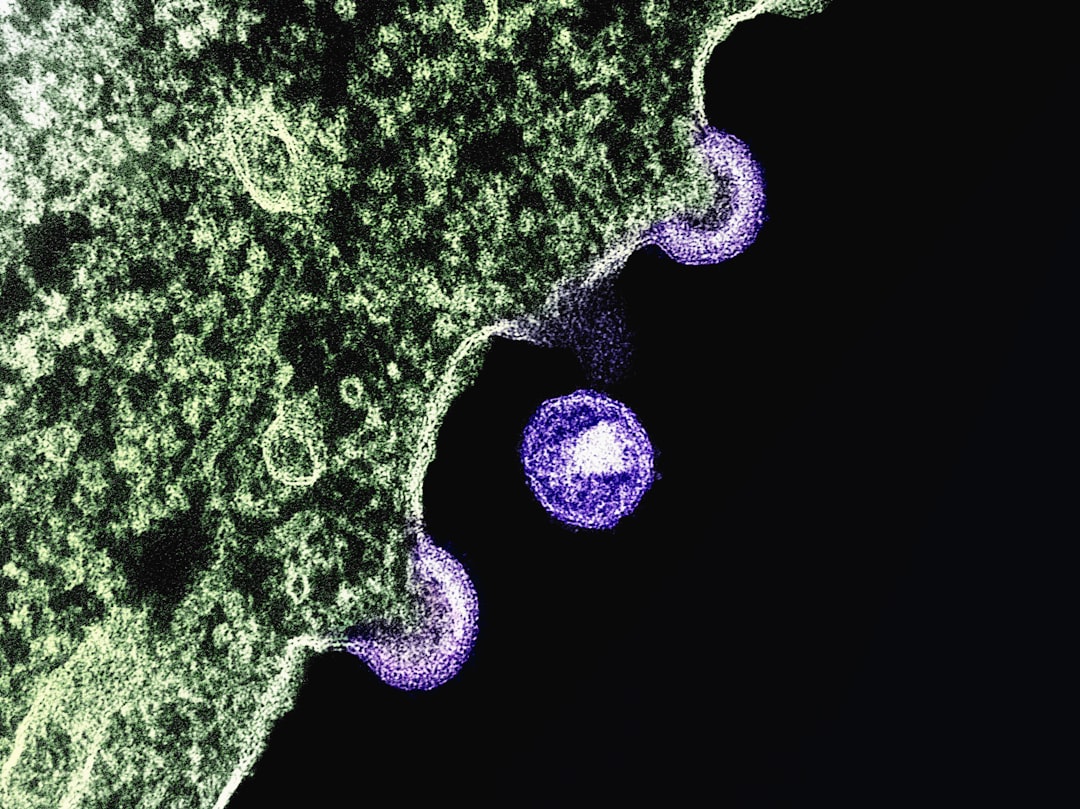
The Darién Gap, a dense and largely uninhabited stretch of rainforest between Panama and Colombia, has recently become the focal point of a concerning disease outbreak. This region, known for its challenging terrain and rich biodiversity, is now grappling with the emergence of infectious diseases that threaten both human populations and wildlife. The outbreak has raised alarms among health officials and environmentalists alike, as it underscores the interconnectedness of ecological health and human well-being.
As the world becomes increasingly aware of the implications of zoonotic diseases—those that jump from animals to humans—the Darién Gap serves as a stark reminder of the vulnerabilities faced by remote regions. The situation in the Darién Gap is not merely a local issue; it has far-reaching implications for public health and environmental conservation. The outbreak has highlighted the urgent need for comprehensive strategies to monitor, contain, and prevent the spread of diseases in this ecologically sensitive area.
As communities within and around the Darién Gap face rising health risks, the international community must take notice and act decisively to address the underlying factors contributing to this crisis.
Key Takeaways
- The Darién Gap is highly vulnerable to disease outbreaks due to its remote and ecologically diverse environment.
- Past outbreaks in the region highlight recurring health risks for both local communities and wildlife.
- Current warning signs indicate a potential new disease crisis requiring urgent attention.
- Efforts to contain the outbreak face significant challenges, including limited infrastructure and resources.
- Global cooperation and international support are crucial for effective response and future preparedness.
Understanding the Darién Gap region and its susceptibility to disease outbreaks
The Darién Gap is characterized by its rugged terrain, dense jungles, and diverse ecosystems, making it one of the most biologically rich areas in the world. However, this natural beauty comes with significant challenges. The region’s isolation and limited infrastructure hinder access to healthcare services, making it particularly vulnerable to disease outbreaks.
The combination of a high level of biodiversity and human encroachment into wildlife habitats creates a perfect storm for the emergence of new pathogens. Moreover, the Darién Gap is home to various indigenous communities who rely on traditional practices and natural resources for their livelihoods. These communities often have limited access to modern healthcare, which exacerbates their vulnerability during disease outbreaks.
The interplay between human activity, wildlife habitats, and climate change further complicates the situation, as shifting environmental conditions can lead to increased contact between humans and wildlife, facilitating the transmission of diseases.
History of previous disease outbreaks in the Darién Gap
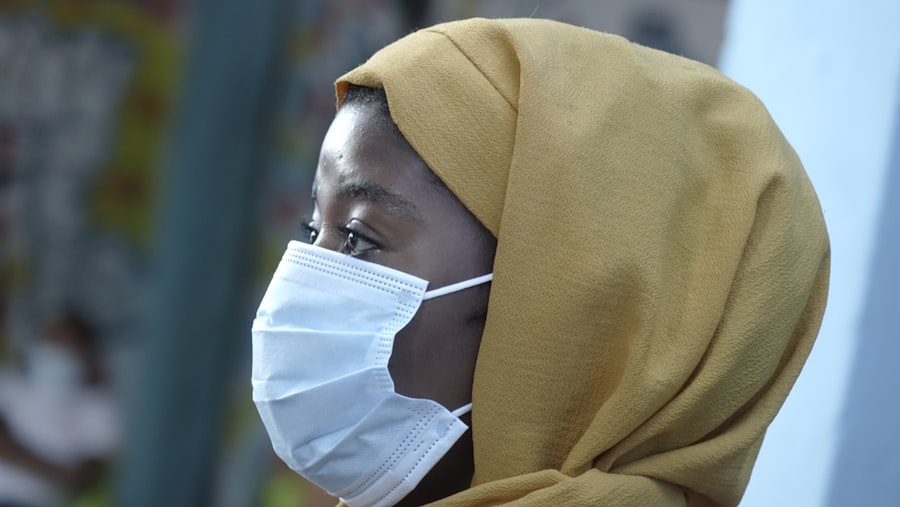
Historically, the Darién Gap has experienced several disease outbreaks that have had devastating effects on local populations. In the late 20th century, outbreaks of malaria and dengue fever were reported, largely attributed to changes in land use and deforestation. These diseases not only affected human health but also placed immense pressure on local healthcare systems that were ill-equipped to handle such crises.
For instance, outbreaks of leptospirosis have been linked to flooding events that disrupt sanitation and increase exposure to contaminated water sources.
Current situation and warning signs of a potential crisis
As of late 2023, the situation in the Darién Gap has become increasingly precarious. Reports indicate a rise in cases of infectious diseases such as chikungunya and Zika virus, which are transmitted by mosquitoes that thrive in tropical environments. Health officials have noted that these diseases are spreading more rapidly than anticipated, raising concerns about a potential public health crisis.
Warning signs are evident in the form of increased hospitalizations and reports of illness among both local residents and migrants passing through the region. The influx of people seeking refuge or better opportunities has further strained already limited healthcare resources. As more individuals traverse this remote area, the risk of disease transmission escalates, creating a perfect breeding ground for outbreaks that could extend beyond the borders of the Darién Gap.
Impact of the Darién Gap disease outbreak on local communities and wildlife
| Metric | Data |
|---|---|
| Disease Name | Unknown Tropical Fever |
| Location | Darién Gap, Panama-Colombia border |
| Reported Cases | 150 |
| Confirmed Deaths | 12 |
| Date of Outbreak Start | March 2024 |
| Symptoms | Fever, rash, muscle pain, fatigue |
| Transmission Mode | Vector-borne (suspected mosquito) |
| Response Measures | Quarantine, vector control, medical aid deployment |
| Current Status | Ongoing investigation and containment |
The impact of the disease outbreak in the Darién Gap extends far beyond immediate health concerns; it poses significant threats to local communities and wildlife alike. For indigenous populations, who often rely on traditional medicine and natural resources for their well-being, the outbreak disrupts their way of life. Increased illness can lead to loss of income, food insecurity, and heightened stress on social structures.
Wildlife in the region is also at risk as diseases can spill over from humans to animals and vice versa. The interconnectedness of ecosystems means that an outbreak affecting one species can have cascading effects throughout the food web. For instance, if a disease affects a key species within the ecosystem, it could disrupt predator-prey relationships and lead to further ecological imbalances.
The loss of biodiversity not only threatens wildlife but also undermines the resilience of ecosystems that are vital for human survival.
Efforts to contain and prevent the spread of diseases in the Darién Gap
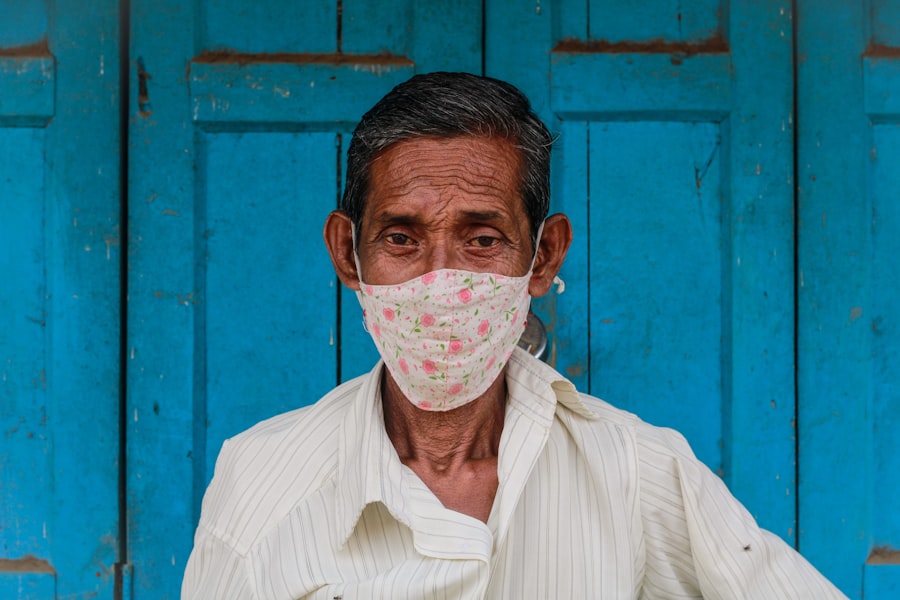
In response to the escalating health crisis in the Darién Gap, various organizations and local governments have initiated efforts to contain and prevent further spread of diseases. Public health campaigns aimed at educating communities about hygiene practices, vaccination programs, and vector control measures have been implemented. These initiatives seek to empower local populations with knowledge and resources to protect themselves against infectious diseases.
Additionally, collaborations between governmental agencies and non-governmental organizations (NGOs) have been established to enhance surveillance systems for early detection of outbreaks. By monitoring disease patterns and identifying potential hotspots, health officials can respond more effectively to emerging threats. However, these efforts require sustained funding and commitment from both local authorities and international partners to ensure their long-term success.
Challenges and obstacles in addressing the Darién Gap disease outbreak
Despite ongoing efforts to combat disease outbreaks in the Darién Gap, numerous challenges persist. One significant obstacle is the region’s geographical isolation, which complicates access to healthcare facilities and resources. Many communities are located deep within the rainforest, making it difficult for medical personnel to reach them during emergencies.
Furthermore, political instability in neighboring countries can hinder collaborative efforts to address health crises effectively. The movement of migrants through the region adds another layer of complexity, as these individuals may carry diseases that can spread rapidly among local populations. Addressing these challenges requires innovative solutions that prioritize accessibility while fostering cooperation among various stakeholders.
International response and support for the Darién Gap region
The international community has begun to recognize the urgency of addressing health issues in the Darién Gap. Organizations such as the World Health Organization (WHO) and various humanitarian agencies have mobilized resources to support local efforts in combating disease outbreaks. These initiatives often focus on strengthening healthcare infrastructure, providing medical supplies, and facilitating training for healthcare workers.
Moreover, international funding has been directed toward research initiatives aimed at understanding the unique epidemiological landscape of the Darién Gap. By investing in scientific studies that explore disease transmission dynamics within this region, stakeholders can develop targeted interventions that address specific risks associated with local ecosystems.
Importance of global cooperation in addressing the Darién Gap disease outbreak
The complexity of disease outbreaks in remote regions like the Darién Gap underscores the importance of global cooperation in public health initiatives. Infectious diseases do not recognize borders; therefore, collaborative efforts are essential for effective containment strategies. Countries must work together to share data, resources, and best practices for managing outbreaks.
Global partnerships can also facilitate knowledge exchange between researchers studying similar ecosystems worldwide. By learning from one another’s experiences, stakeholders can develop more effective strategies for preventing future outbreaks while promoting sustainable practices that protect both human health and biodiversity.
Lessons learned and future preparedness for disease outbreaks in remote regions
The ongoing situation in the Darién Gap offers valuable lessons for future preparedness against disease outbreaks in remote areas. One key takeaway is the necessity for proactive surveillance systems that can detect emerging threats before they escalate into full-blown crises. Investing in local healthcare infrastructure is equally crucial; strengthening community health systems ensures that populations are better equipped to respond to health emergencies.
Additionally, fostering community engagement is vital for successful public health interventions. Local populations must be involved in decision-making processes regarding their health needs and priorities. By empowering communities with knowledge and resources, they can play an active role in safeguarding their health while preserving their cultural practices.
Conclusion and call to action for addressing the Darién Gap disease outbreak
The disease outbreak in the Darién Gap serves as a critical reminder of the vulnerabilities faced by remote regions worldwide. As health risks continue to rise due to environmental changes and human activity, it is imperative that both local authorities and international partners take decisive action to address these challenges. A multifaceted approach that combines public health initiatives with environmental conservation efforts is essential for safeguarding both human populations and wildlife.
In conclusion, addressing the Darién Gap disease outbreak requires a concerted effort from all stakeholders involved—governments, NGOs, researchers, and local communities alike. By prioritizing collaboration, investing in healthcare infrastructure, and fostering global partnerships, it is possible to mitigate future risks while promoting sustainable practices that protect this unique ecosystem for generations to come. The time for action is now; only through collective efforts can we hope to turn the tide against infectious diseases threatening vulnerable regions like the Darién Gap.
The recent outbreak of disease in the Darién Gap has raised significant concerns among health officials and travelers alike. For a deeper understanding of the geographical and health implications of this region, you can read more in the article available at MyGeoQuest. This resource provides valuable insights into the challenges faced in this remote area and the ongoing efforts to address the health crisis.
FAQs
What is the Darién Gap?
The Darién Gap is a dense and remote jungle region located between Panama and Colombia. It is known for its challenging terrain and limited infrastructure, making travel and communication difficult.
What disease outbreak has occurred in the Darién Gap?
The specific details of the disease outbreak in the Darién Gap can vary, but outbreaks in this region often involve tropical diseases such as malaria, dengue fever, or other vector-borne illnesses due to the area’s climate and environment.
What are the common symptoms of diseases found in the Darién Gap outbreak?
Symptoms depend on the disease but may include fever, chills, headache, muscle pain, rash, and fatigue. For vector-borne diseases like malaria or dengue, symptoms often start suddenly and can be severe if untreated.
How is the disease transmitted in the Darién Gap?
Transmission typically occurs through mosquito bites or contact with contaminated water or food. The dense jungle environment provides a habitat for disease-carrying insects and animals.
Who is at risk of contracting the disease in the Darién Gap?
Residents, travelers, migrants, and workers in the region are at risk, especially those without access to preventive measures such as insect repellent, protective clothing, or vaccinations.
What measures are being taken to control the outbreak?
Efforts may include medical treatment for affected individuals, vector control programs (like insecticide spraying), public health education, and improving access to healthcare services in the region.
How can travelers protect themselves from diseases in the Darién Gap?
Travelers should use insect repellent, wear long-sleeved clothing, sleep under mosquito nets, stay updated on vaccinations, and avoid drinking untreated water or eating unsafe food.
Is there a vaccine available for the diseases involved in the Darién Gap outbreak?
Vaccines are available for some diseases common in tropical regions, such as yellow fever. However, vaccines for diseases like dengue are limited and not widely used. It is important to consult healthcare providers for specific recommendations.
What should someone do if they develop symptoms after visiting the Darién Gap?
They should seek medical attention promptly, inform healthcare providers about their travel history, and follow prescribed treatments to prevent complications.
Where can I find more information about the Darién Gap disease outbreak?
Reliable information can be obtained from public health organizations such as the World Health Organization (WHO), Centers for Disease Control and Prevention (CDC), and local health authorities in Panama and Colombia.