
The Darién Gap, a dense and largely uninhabited stretch of rainforest between Panama and Colombia, serves as a formidable geographical barrier.
Spanning approximately 100 miles, the Darién Gap is not only a physical divide but also a cultural and socio-economic one.
It separates two nations and their respective populations, creating a unique environment where indigenous communities have thrived for centuries, yet remain isolated from the broader societal advancements occurring in neighboring regions. The geographical features of the Darién Gap contribute to its mystique and complexity. The area is home to a variety of ecosystems, ranging from mangroves to mountainous terrains, which host an array of flora and fauna.
However, this natural beauty belies the challenges faced by those who inhabit the region. The lack of infrastructure, coupled with the treacherous landscape, has hindered access to essential services and opportunities for development. As a result, the Darién Gap stands as a stark reminder of the intersection between geography and human experience, where isolation can lead to both preservation of culture and exacerbation of inequality.
Key Takeaways
- The Darién Gap is a critical geographical barrier that impacts indigenous communities and regional development.
- Systemic inequality severely affects indigenous peoples through limited access to healthcare, education, and land rights.
- Environmental degradation and resource extraction threaten the ecological balance and livelihoods in the Darién Gap.
- Government policies and exploitation of indigenous labor perpetuate social and economic disparities.
- Sustainable development, international aid, and global solidarity are essential for empowering indigenous communities and addressing systemic inequality.
The Impact of Systemic Inequality on Indigenous Communities
Systemic inequality has profound implications for the indigenous communities residing in the Darién Gap. These groups often find themselves marginalized within their own territories, facing barriers that limit their access to resources, education, and political representation. The historical context of colonization and exploitation has left deep scars, perpetuating cycles of poverty and disenfranchisement.
As a result, indigenous peoples in the Darién Gap struggle to assert their rights and maintain their cultural identities in the face of external pressures. The impact of systemic inequality is evident in various aspects of life for these communities. Economic opportunities are scarce, with many individuals relying on subsistence farming or informal labor to survive.
This lack of economic stability is compounded by limited access to education and healthcare, further entrenching the cycle of poverty. Additionally, the marginalization of indigenous voices in decision-making processes means that their needs and perspectives are often overlooked in favor of external interests. This systemic exclusion not only undermines their autonomy but also threatens the preservation of their rich cultural heritage.
Environmental Degradation and Resource Extraction in the Darién Gap

The Darién Gap is not only a cultural and social battleground but also an ecological one. The region’s rich natural resources have attracted the attention of multinational corporations seeking to exploit its timber, minerals, and agricultural potential. This resource extraction often occurs without the consent or involvement of indigenous communities, leading to significant environmental degradation.
Deforestation, pollution, and habitat destruction threaten not only the biodiversity of the region but also the livelihoods of those who depend on these ecosystems for their survival. The consequences of environmental degradation are far-reaching. As forests are cleared for agriculture or mining operations, indigenous communities face displacement and loss of traditional lands.
This not only disrupts their way of life but also diminishes their ability to practice sustainable land management techniques that have been honed over generations. Furthermore, the influx of external actors into the Darién Gap can lead to social tensions and conflicts over land rights, exacerbating existing inequalities and undermining community cohesion.
Lack of Access to Healthcare and Education in the Darién Gap
Access to healthcare and education remains a significant challenge for indigenous communities in the Darién Gap. The remoteness of the region often translates into inadequate healthcare facilities and services, leaving many individuals without essential medical care. This lack of access is particularly detrimental during health crises or emergencies, where timely intervention can mean the difference between life and death.
Moreover, traditional healing practices may be undervalued or overlooked by external healthcare providers, further alienating indigenous populations from available resources. Education is another critical area where systemic inequality manifests itself. Schools in the Darién Gap are often underfunded and lack basic resources, making it difficult for children to receive a quality education.
Language barriers can also pose challenges, as many indigenous children speak their native languages rather than Spanish or English. This linguistic divide can hinder their ability to engage with educational materials and limit their future opportunities. As a result, many young people in these communities face bleak prospects, perpetuating cycles of poverty and limiting their potential for empowerment.
The Role of Government Policies in Perpetuating Systemic Inequality
| Metric | Value | Description |
|---|---|---|
| Access to Basic Services | Less than 30% | Percentage of population with access to clean water, healthcare, and education in Darién Gap region |
| Literacy Rate | 45% | Estimated literacy rate among indigenous and local communities in the Darién Gap |
| Unemployment Rate | 60% | Estimated unemployment rate due to lack of infrastructure and economic opportunities |
| Infant Mortality Rate | 75 per 1,000 live births | High infant mortality rate reflecting poor healthcare access |
| Average Income | Below national poverty line | Majority of residents live below the poverty threshold |
| Road Infrastructure | Less than 5 km paved roads | Extremely limited road infrastructure contributing to isolation |
| Access to Education Facilities | One school per 50 km² | Scarcity of educational institutions in the region |
| Indigenous Population Percentage | Over 70% | Majority of the population belongs to indigenous groups facing systemic marginalization |
Government policies play a crucial role in shaping the socio-economic landscape of the Darién Gap. Unfortunately, many policies have historically favored external interests over the rights and needs of indigenous communities. Land tenure laws often fail to recognize indigenous land rights, allowing for encroachment by corporations and settlers.
This legal framework not only undermines indigenous sovereignty but also exacerbates existing inequalities by prioritizing profit over people. Moreover, government neglect in providing essential services such as healthcare, education, and infrastructure further entrenches systemic inequality. The lack of investment in these areas reflects a broader disregard for the well-being of indigenous populations.
As a result, communities in the Darién Gap are left to navigate a complex web of challenges without adequate support from those in power. This systemic failure highlights the urgent need for policy reform that prioritizes equity and justice for marginalized groups.
The Exploitation of Indigenous Labor in the Darién Gap
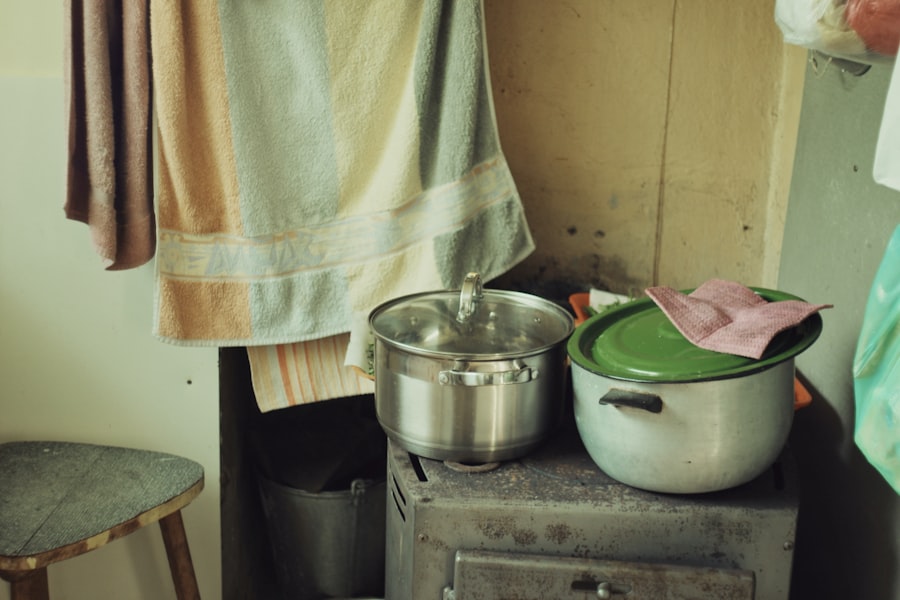
The exploitation of indigenous labor is another critical issue within the context of systemic inequality in the Darién Gap. Many indigenous individuals are forced to work in low-paying jobs with little job security or benefits due to limited economic opportunities. This exploitation is often exacerbated by discriminatory practices that devalue indigenous labor and perpetuate stereotypes about their capabilities.
As a result, many individuals find themselves trapped in a cycle of poverty that is difficult to escape. Additionally, labor exploitation can take various forms, including unsafe working conditions and lack of access to fair wages. Indigenous workers may be subjected to long hours without adequate compensation or protections against workplace hazards.
Addressing these issues requires a concerted effort to promote fair labor practices and ensure that indigenous workers are treated with respect and dignity.
The Importance of Land Rights for Indigenous Peoples in the Darién Gap
Land rights are fundamental to the survival and well-being of indigenous peoples in the Darién Gap. For these communities, land is not merely a resource; it is an integral part of their identity, culture, and way of life. Recognizing and protecting indigenous land rights is essential for preserving their cultural heritage and ensuring their autonomy over ancestral territories.
However, systemic inequalities often result in land dispossession and encroachment by external actors seeking to exploit natural resources. The struggle for land rights is fraught with challenges, as indigenous communities often face legal battles against powerful corporations or government entities that prioritize economic gain over social justice. These conflicts can lead to violence and displacement, further exacerbating existing inequalities.
Therefore, advocating for land rights is not only about securing territory; it is also about affirming indigenous identities and promoting social equity within the broader context of national development.
The Intersection of Gender Inequality and Indigenous Rights in the Darién Gap
Gender inequality intersects with issues of indigenous rights in complex ways within the Darién Gap. Indigenous women often bear the brunt of systemic inequalities that marginalize both their gender and ethnic identities. They face unique challenges related to access to education, healthcare, and economic opportunities while also navigating cultural expectations that may limit their agency within their communities.
Moreover, violence against indigenous women is a pervasive issue that reflects broader societal attitudes towards gender and race. Many women experience discrimination not only from external actors but also within their own communities due to entrenched patriarchal norms. Addressing gender inequality requires an intersectional approach that recognizes the unique experiences of indigenous women while advocating for their rights as both women and members of marginalized communities.
The Role of International Aid and Development Organizations in Addressing Systemic Inequality
International aid and development organizations play a significant role in addressing systemic inequality in the Darién Gap. These organizations often provide essential resources and support for indigenous communities seeking to improve their living conditions and assert their rights. However, their involvement can be double-edged; while they may offer valuable assistance, they can also inadvertently perpetuate dependency or impose external values that do not align with local cultures.
To be effective allies in promoting social justice, international organizations must prioritize collaboration with indigenous communities rather than imposing top-down solutions. Engaging with local leaders and respecting traditional knowledge can lead to more sustainable outcomes that empower communities rather than undermine them. By fostering genuine partnerships based on mutual respect and understanding, international aid organizations can contribute meaningfully to addressing systemic inequalities in the Darién Gap.
The Potential for Sustainable Development and Empowerment in the Darién Gap
Despite the myriad challenges faced by indigenous communities in the Darién Gap, there exists significant potential for sustainable development and empowerment. By leveraging traditional ecological knowledge and practices, these communities can develop sustainable livelihoods that respect both their cultural heritage and the environment. Initiatives focused on eco-tourism or sustainable agriculture can provide economic opportunities while preserving biodiversity.
Empowerment also involves fostering leadership within indigenous communities to advocate for their rights effectively. Supporting grassroots movements that prioritize self-determination can lead to meaningful change at local levels while challenging systemic inequalities on broader scales. By investing in education, healthcare, and infrastructure tailored to community needs, stakeholders can help create an environment where indigenous peoples thrive rather than merely survive.
The Need for Global Solidarity in Addressing Systemic Inequality in the Darién Gap
Addressing systemic inequality in the Darién Gap requires global solidarity among various stakeholders committed to social justice. This solidarity must transcend borders and involve collaboration between governments, non-governmental organizations, civil society groups, and indigenous communities themselves. By amplifying indigenous voices on international platforms, advocates can raise awareness about the unique challenges faced by these populations while promoting policies that prioritize equity.
Furthermore, global solidarity entails recognizing interconnected struggles against colonialism, racism, and environmental degradation that affect marginalized communities worldwide. By fostering alliances across movements—whether related to climate justice or human rights—advocates can build a more inclusive framework for addressing systemic inequalities in places like the Darién Gap. Ultimately, collective action rooted in solidarity can pave the way for transformative change that uplifts marginalized voices while promoting social justice on a global scale.
The Darién Gap, a treacherous stretch of jungle between Colombia and Panama, highlights the systemic inequality faced by migrants attempting to traverse this perilous route. Many individuals are driven to undertake this dangerous journey due to socio-economic disparities in their home countries. For a deeper understanding of the broader implications of such inequalities, you can read more in this related article on systemic issues at MyGeoQuest.
FAQs
What is the Darién Gap?
The Darién Gap is a dense and undeveloped region of rainforest and swampland located between Panama and Colombia. It is known for being a natural barrier that interrupts the Pan-American Highway, making overland travel between Central and South America difficult.
Why is the Darién Gap significant in discussions about systemic inequality?
The Darién Gap is significant because it highlights disparities in infrastructure, economic development, and access to resources between regions. The lack of roads and services in the area reflects broader systemic inequalities affecting indigenous communities and migrants who traverse the region under dangerous conditions.
Who are the primary populations affected by systemic inequality in the Darién Gap?
Indigenous peoples native to the Darién region and migrants from various countries passing through the area are primarily affected. These groups often face limited access to healthcare, education, and economic opportunities, as well as exposure to environmental hazards and violence.
What challenges do migrants face when crossing the Darién Gap?
Migrants face numerous challenges including difficult terrain, exposure to wildlife and harsh weather, risk of violence from criminal groups, lack of food and water, and limited access to medical care. These dangers are compounded by systemic neglect and inadequate support from governments.
How does the lack of infrastructure in the Darién Gap contribute to systemic inequality?
The absence of roads, healthcare facilities, schools, and other infrastructure limits economic development and access to essential services. This perpetuates poverty and marginalization for local communities and restricts safe migration routes, reinforcing systemic inequality.
Are there any efforts to address systemic inequality in the Darién Gap?
Various governmental and non-governmental organizations are working to improve conditions by providing humanitarian aid, advocating for indigenous rights, and promoting sustainable development. However, the region’s challenging geography and political complexities make progress slow and difficult.
Why is building a road through the Darién Gap controversial?
Constructing a road through the Darién Gap is controversial because it could disrupt fragile ecosystems, threaten indigenous lands, and increase illegal activities such as trafficking. While it might improve connectivity and economic opportunities, it also raises environmental and social concerns.
How does systemic inequality in the Darién Gap affect regional migration patterns?
Systemic inequality contributes to dangerous migration routes as people seek safer and more accessible paths. The lack of infrastructure and support in the Darién Gap forces migrants to face hazardous conditions, increasing vulnerability and human rights risks during their journey.