
The Suez Canal is a 193-kilometer artificial waterway connecting the Mediterranean and Red Seas through Egypt. Opened in 1869, it eliminates the need for ships to navigate around Africa’s Cape of Good Hope, reducing the journey between Europe and Asia by approximately 7,000 kilometers and 10-15 days of travel time. The canal handles approximately 12% of global trade, with over 20,000 vessels transiting annually.
In 2021, cargo worth $1 trillion passed through the waterway. The canal accommodates ships up to 20.1 meters in draft and 77.5 meters in beam, with recent expansions allowing for larger vessels and two-way traffic in certain sections. Energy transportation represents a significant portion of canal traffic.
Approximately 5-10% of global oil supplies and 8-10% of liquefied natural gas shipments pass through the canal. The waterway serves as a critical link for energy exports from the Middle East to European and North American markets. The canal generates substantial revenue for Egypt, earning approximately $5-7 billion annually in transit fees.
These fees are calculated based on vessel size, cargo type, and current market rates. The Suez Canal Authority employs over 25,000 people and contributes significantly to Egypt’s foreign currency reserves. Disruptions to canal operations have immediate global impacts.
The 2021 Ever Given grounding blocked traffic for six days, delaying over 400 ships and affecting global supply chains. Such incidents demonstrate the canal’s critical role in international trade flows and the vulnerability of global commerce to chokepoint disruptions.
Key Takeaways
- The Suez Canal is a critical artery for global trade, significantly reducing shipping times between Europe and Asia.
- Chokepoints like the Suez Canal can cause major disruptions in global shipping, impacting economies worldwide.
- Recent incidents in the Suez Canal highlight vulnerabilities and the need for improved navigation and management strategies.
- Geopolitical tensions and environmental concerns complicate the management and security of key maritime chokepoints.
- Advances in technology and international cooperation are essential for ensuring safe, efficient, and sustainable chokepoint navigation in the future.
A Brief History of the Suez Canal
The history of the Suez Canal is a tale of ambition, engineering prowess, and geopolitical maneuvering. The idea of constructing a canal to connect the Mediterranean and Red Seas dates back to ancient times, with various attempts made by different civilizations. However, it was not until the mid-19th century that the modern Suez Canal took shape under the leadership of French diplomat Ferdinand de Lesseps.
Officially opened in 1869, the canal was hailed as one of the greatest engineering feats of its time, dramatically altering maritime trade routes and establishing Egypt as a central hub in global commerce.
Control over this vital waterway has been a point of contention among nations, particularly during the 20th century.
The nationalization of the canal by Egyptian President Gamal Abdel Nasser in 1956 led to the Suez Crisis, a military confrontation involving Britain, France, and Israel. This event highlighted the canal’s significance not only as a trade route but also as a geopolitical asset. Over the years, the Suez Canal has undergone various expansions and improvements to accommodate larger vessels and increasing traffic, solidifying its status as an indispensable component of global trade infrastructure.
Chokepoints and their Impact on Global Shipping
Chokepoints are narrow passages that are critical for maritime navigation, often serving as essential links in major shipping routes. These strategic locations can significantly influence global shipping dynamics due to their limited capacity and vulnerability to disruptions. The Suez Canal is one of the most prominent chokepoints in the world, alongside others like the Strait of Hormuz and the Strait of Malacca.
The significance of these chokepoints lies in their ability to control maritime traffic; any blockage or delay can lead to substantial economic repercussions and logistical challenges for shipping companies. The impact of chokepoints on global shipping extends beyond immediate delays. When a chokepoint is obstructed, vessels may be forced to reroute, leading to longer travel times and increased fuel consumption.
This not only raises operational costs for shipping companies but can also result in higher prices for consumers as these costs are passed down the supply chain. Furthermore, chokepoints can become flashpoints for geopolitical tensions, as nations vie for control over these critical maritime passages. The interplay between commerce and geopolitics at chokepoints underscores their importance in maintaining the flow of global trade.
Recent Chokepoint Incidents in the Suez Canal
Recent incidents in the Suez Canal have brought renewed attention to its role as a critical chokepoint in global shipping. One of the most notable events occurred in March 2021 when the Ever Given, a massive container ship, became lodged in the canal, blocking traffic for six days. This incident highlighted not only the vulnerability of chokepoints but also their potential to disrupt global supply chains on an unprecedented scale.
The blockage resulted in a backlog of hundreds of vessels waiting to transit through the canal, causing significant delays and financial losses estimated in billions of dollars. The Ever Given incident served as a wake-up call for many stakeholders in the shipping industry, prompting discussions about contingency planning and risk management strategies. It underscored how quickly a single event could ripple through global markets, affecting everything from shipping schedules to commodity prices.
In response to such incidents, there has been an increased focus on enhancing navigational safety and efficiency within chokepoints like the Suez Canal to prevent future disruptions.
Geopolitical Implications of Chokepoints
| Metric | Value | Unit | Notes |
|---|---|---|---|
| Length of Suez Canal | 193 | km | Distance from Port Said to Suez |
| Average Daily Ship Transits | 50 | ships/day | Average number of vessels passing daily |
| Annual Cargo Volume | 1.2 | billion tons | Approximate annual cargo throughput |
| Percentage of Global Trade | 12 | % | Share of global maritime trade passing through |
| Average Transit Time | 12 | hours | Time taken for a ship to cross the canal |
| Maximum Ship Length Allowed | 400 | meters | Maximum vessel length permitted |
| Maximum Ship Draft Allowed | 20.1 | meters | Maximum draft for vessels |
| Economic Impact of Closure (per day) | 9.6 | billion | Estimated global trade value affected |
| Number of Global Chokepoints | 5 | locations | Including Suez Canal, Panama Canal, Strait of Hormuz, Strait of Malacca, Bab el-Mandeb |
Chokepoints like the Suez Canal are not merely logistical bottlenecks; they are also arenas for geopolitical maneuvering. Control over these strategic waterways can confer significant power on nations, influencing international relations and trade policies. For instance, countries that dominate key chokepoints can leverage their position to extract concessions or exert influence over global supply chains.
This dynamic has been evident throughout history, with various nations seeking to assert control over maritime routes for economic and strategic advantages. The geopolitical implications extend beyond individual nations; they can also affect regional stability and security. Tensions surrounding chokepoints can escalate into conflicts or military confrontations, as seen during historical events like the Suez Crisis.
In contemporary times, nations are increasingly aware of the vulnerabilities associated with chokepoints and are investing in naval capabilities and alliances to safeguard their interests. As global trade continues to evolve, understanding the geopolitical landscape surrounding chokepoints will be crucial for policymakers and businesses alike.
Environmental Concerns in Chokepoint Navigation
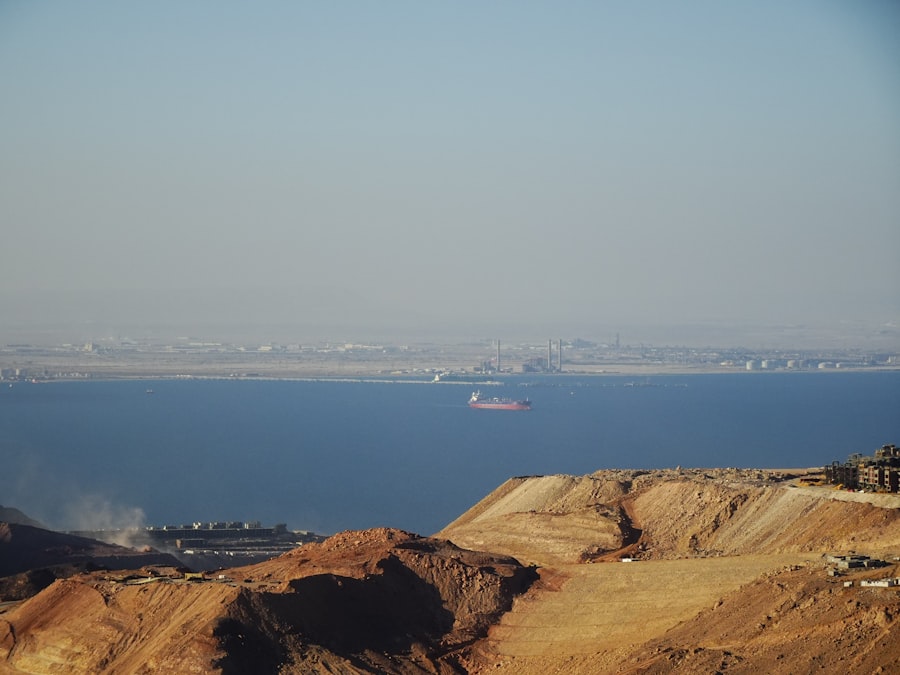
Navigating chokepoints like the Suez Canal raises significant environmental concerns that warrant careful consideration. The concentration of maritime traffic in these narrow passages can lead to increased pollution levels due to emissions from ships idling or navigating through congested waters. Additionally, accidents or spills within chokepoints can have devastating effects on local ecosystems and marine life.
The delicate balance between facilitating global trade and protecting environmental integrity presents a complex challenge for stakeholders involved in maritime navigation. Efforts to address environmental concerns are gaining traction within the shipping industry. Initiatives aimed at reducing emissions from vessels are being implemented, with many companies exploring alternative fuels and technologies to minimize their ecological footprint.
Furthermore, regulatory bodies are increasingly focusing on establishing guidelines for safe navigation through chokepoints while prioritizing environmental protection. As awareness of climate change and environmental degradation grows, finding sustainable solutions for navigating chokepoints will be essential for ensuring both economic viability and ecological preservation.
Technological Innovations in Chokepoint Navigation
Technological advancements are playing a transformative role in enhancing navigation through chokepoints like the Suez Canal. Innovations such as automated navigation systems, real-time tracking technologies, and advanced communication tools are improving situational awareness for vessels transiting these critical waterways. These technologies enable ship operators to make informed decisions regarding routing and speed adjustments, ultimately enhancing safety and efficiency during navigation.
Moreover, advancements in data analytics are allowing stakeholders to better predict traffic patterns and potential bottlenecks within chokepoints. By leveraging big data and machine learning algorithms, shipping companies can optimize their operations and reduce delays caused by congestion or unforeseen incidents. As technology continues to evolve, it holds great promise for revolutionizing how vessels navigate chokepoints, making maritime trade more resilient and responsive to changing conditions.
The Role of International Organizations in Chokepoint Management
International organizations play a crucial role in managing chokepoint navigation by establishing guidelines and frameworks that promote safe and efficient maritime operations.
These regulations often encompass best practices for vessel traffic management, emergency response protocols, and measures to mitigate risks associated with navigating chokepoints.
Additionally, international cooperation is essential for addressing challenges that arise within chokepoints. Collaborative efforts among nations can lead to improved infrastructure investments, joint training exercises for maritime personnel, and information sharing regarding potential threats or disruptions. By fostering a spirit of collaboration among stakeholders, international organizations contribute significantly to ensuring that chokepoint navigation remains secure and efficient in an increasingly interconnected world.
Strategies for Navigating Chokepoints Safely and Efficiently
Navigating chokepoints safely and efficiently requires a multifaceted approach that encompasses various strategies tailored to address specific challenges associated with these critical waterways. One key strategy involves implementing robust traffic management systems that facilitate real-time monitoring of vessel movements within chokepoints. By utilizing advanced technologies such as Automatic Identification Systems (AIS) and radar tracking, authorities can enhance situational awareness and respond promptly to potential hazards or congestion.
Another important strategy is fostering collaboration among stakeholders involved in maritime operations. Shipping companies, port authorities, and regulatory bodies must work together to develop contingency plans that address potential disruptions within chokepoints. Regular drills and training exercises can help ensure that all parties are prepared to respond effectively to emergencies or unexpected incidents.
By prioritizing safety and efficiency through proactive measures, stakeholders can navigate chokepoints with greater confidence.
Economic Consequences of Chokepoint Disruptions
Disruptions at chokepoints like the Suez Canal can have profound economic consequences that reverberate throughout global markets. When shipping routes are blocked or delayed, it can lead to significant financial losses for shipping companies due to increased operational costs and idle vessels waiting to transit through affected areas. These disruptions can also result in higher prices for consumers as supply chains become strained and goods become less readily available.
Furthermore, industries reliant on timely deliveries—such as manufacturing and retail—can experience cascading effects from chokepoint disruptions. Delays in receiving raw materials or finished products can hinder production schedules and lead to inventory shortages. As businesses grapple with these challenges, they may be forced to adjust pricing strategies or seek alternative suppliers, further complicating market dynamics.
The economic ramifications of chokepoint disruptions underscore the interconnectedness of global trade and highlight the need for resilience within supply chains.
The Future of Chokepoint Navigation and Global Trade
Looking ahead, the future of chokepoint navigation will likely be shaped by ongoing developments in technology, geopolitics, and environmental considerations. As global trade continues to evolve in response to changing consumer demands and market dynamics, stakeholders will need to adapt their strategies for navigating critical waterways like the Suez Canal. Embracing technological innovations will be essential for enhancing safety and efficiency while minimizing environmental impacts associated with maritime operations.
Moreover, fostering international cooperation will remain crucial for addressing challenges related to chokepoint navigation. Collaborative efforts among nations can lead to improved infrastructure investments, enhanced regulatory frameworks, and shared best practices that promote safe maritime operations. As stakeholders navigate an increasingly complex landscape characterized by geopolitical tensions and environmental concerns, proactive engagement will be key to ensuring that chokepoint navigation remains resilient and conducive to facilitating global trade well into the future.
The Suez Canal is one of the most critical global chokepoints, playing a vital role in international trade and maritime logistics. For a deeper understanding of its significance and the challenges it faces, you can read a related article on this topic at MyGeoQuest. This resource provides insights into the strategic importance of the Suez Canal and its impact on global shipping routes.
FAQs
What is the Suez Canal?
The Suez Canal is an artificial waterway in Egypt that connects the Mediterranean Sea to the Red Sea. It serves as a critical maritime route for international trade, allowing ships to avoid the longer journey around the southern tip of Africa.
Why is the Suez Canal considered a global chokepoint?
The Suez Canal is considered a global chokepoint because it is a narrow and strategic passage through which a significant portion of the world’s maritime trade passes. Any disruption in the canal can cause major delays and impact global supply chains.
How long is the Suez Canal?
The Suez Canal is approximately 193 kilometers (120 miles) long.
What types of goods are commonly transported through the Suez Canal?
The canal is used to transport a wide variety of goods, including oil and petroleum products, natural gas, manufactured goods, containers, and bulk commodities.
What happens if the Suez Canal is blocked?
If the Suez Canal is blocked, ships must take alternative routes, such as around the Cape of Good Hope, which significantly increases travel time and shipping costs. This can lead to delays in the delivery of goods and disruptions in global trade.
Are there other global maritime chokepoints similar to the Suez Canal?
Yes, other major global maritime chokepoints include the Strait of Hormuz, the Panama Canal, the Strait of Malacca, and the Bab el-Mandeb Strait. These narrow passages are critical for international shipping and energy transportation.
Who controls the Suez Canal?
The Suez Canal is controlled and operated by the Suez Canal Authority, an Egyptian state-owned entity.
When was the Suez Canal opened?
The Suez Canal was officially opened in 1869.
How does the Suez Canal impact global energy markets?
The canal is a vital route for the transportation of oil and liquefied natural gas (LNG) from the Middle East to Europe and other parts of the world. Disruptions can affect global energy prices and supply.
What measures are in place to prevent blockages in the Suez Canal?
The Suez Canal Authority employs traffic management systems, pilotage services, and regular maintenance dredging to ensure safe navigation. Additionally, there are contingency plans to quickly respond to incidents such as ship groundings or accidents.