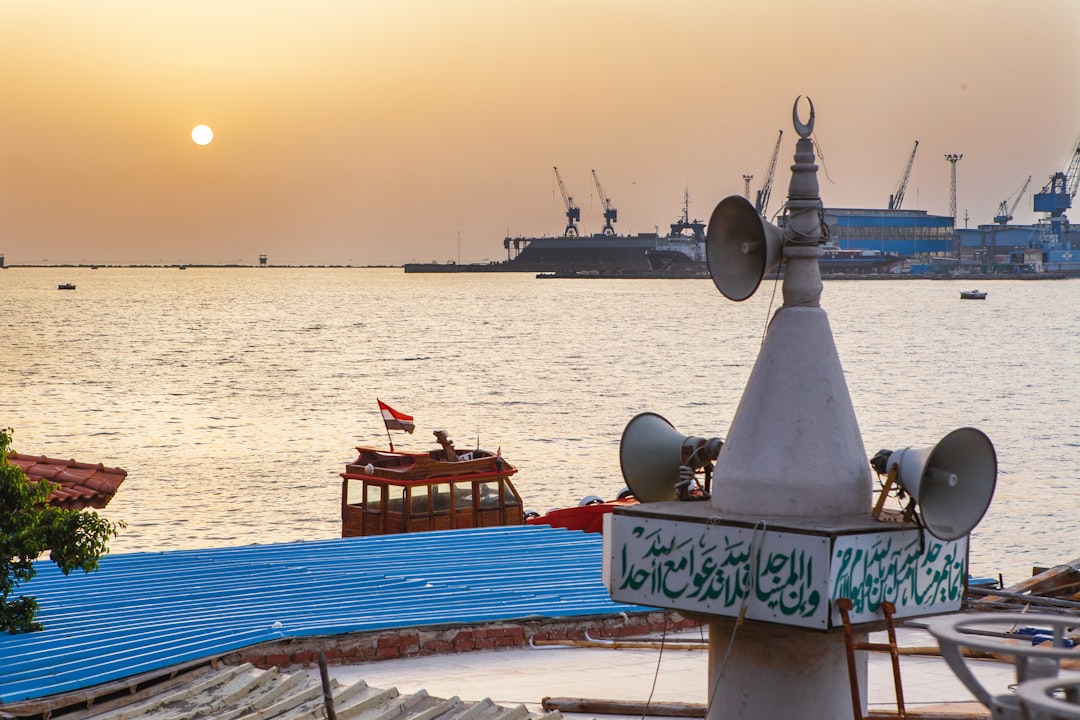
The Suez Canal and the Malacca Strait represent two of the world’s most strategically important maritime chokepoints, handling substantial portions of global shipping traffic. The Suez Canal, a 193-kilometer artificial waterway in Egypt, links the Mediterranean and Red Seas, enabling vessels to transit between Europe and Asia without circumnavigating Africa. The Malacca Strait, a natural waterway spanning approximately 800 kilometers between Malaysia’s Malay Peninsula and Indonesia’s Sumatra island, connects the Indian Ocean with the South China Sea and serves as the primary shipping route between the Middle East, Asia, and the Pacific region.
These waterways carry significant economic importance due to their role in international trade flows. The Suez Canal, opened in 1869, handles approximately 12% of global trade and reduces the Europe-Asia shipping route by roughly 7,000 kilometers compared to the Cape of Good Hope route. The Malacca Strait accommodates about 25% of all traded goods and serves as the main conduit for oil shipments to East Asian markets, with over 94,000 vessels transiting annually.
Both passages function as critical infrastructure for the global economy and hold considerable geopolitical significance. Control and security of these waterways directly impact international trade costs, energy supplies, and regional power dynamics, making them focal points for maritime security policies and international diplomatic relations.
Key Takeaways
- The Suez Canal and Malacca Strait are two critical maritime routes with rich historical backgrounds and strategic importance in global trade.
- Both waterways have significantly influenced economic development and geopolitical dynamics in their respective regions.
- Environmental challenges and security threats, including piracy, pose ongoing risks to safe and sustainable navigation in these corridors.
- Recent infrastructure upgrades and technological advancements aim to enhance capacity, safety, and efficiency in both the Suez Canal and Malacca Strait.
- Their continued growth and stability are vital for global commerce, underscoring the need for cooperative international management and protection.
Historical significance and development of Suez Canal
The Suez Canal’s history is steeped in ambition and engineering prowess. Its conception dates back to ancient times, with early attempts to create a waterway linking the Nile River to the Red Sea. However, it was not until the mid-19th century that the modern Suez Canal took shape under the leadership of French diplomat Ferdinand de Lesseps.
The canal’s construction was a monumental feat, involving thousands of laborers and innovative engineering techniques. Upon its opening in 1869, it dramatically altered maritime trade by allowing ships to bypass the lengthy journey around Africa. The canal’s historical significance extends beyond its engineering marvel; it has been a catalyst for geopolitical tensions and conflicts.
Control over this vital waterway has been a point of contention among various nations throughout history. The Suez Crisis of 1956 exemplified this, as Egypt nationalized the canal, leading to military intervention by Britain, France, and Israel. This event underscored the canal’s strategic importance and its role in shaping Middle Eastern politics.
Over the years, the Suez Canal has undergone expansions and upgrades to accommodate larger vessels, further solidifying its status as a key player in global maritime trade.
Historical significance and development of Malacca Strait

The Malacca Strait has a rich history that dates back to ancient maritime trade routes. It has long been recognized as a crucial passage for traders seeking to transport goods between Asia and Europe. The strait’s strategic location made it an essential link for spice traders in the 15th century, who sought to capitalize on the lucrative markets of Europe.
As trade flourished, various empires sought control over this vital waterway, leading to conflicts and power struggles that shaped regional dynamics. In modern times, the Malacca Strait has continued to evolve as a significant maritime corridor. The establishment of Singapore as a major port city in the 19th century further enhanced the strait’s importance, transforming it into a bustling hub for international shipping.
Today, it is estimated that approximately one-third of global maritime trade passes through this narrow passage, making it one of the busiest shipping lanes in the world. The historical development of the Malacca Strait reflects not only its economic significance but also its role in fostering cultural exchanges and interactions among diverse civilizations.
Importance of Suez Canal in global trade
The Suez Canal is often regarded as a lifeline for global trade due to its ability to facilitate efficient maritime transportation. By providing a direct route between Europe and Asia, it significantly reduces travel time for vessels, allowing goods to reach their destinations more quickly. This efficiency translates into cost savings for shipping companies and ultimately benefits consumers through lower prices for imported goods.
The canal’s strategic location has made it an essential route for oil tankers, container ships, and bulk carriers alike. Moreover, the Suez Canal plays a crucial role in energy transportation. A substantial portion of Europe’s oil and liquefied natural gas imports pass through this waterway, underscoring its significance in global energy security.
The canal’s capacity to accommodate larger vessels has further enhanced its importance in recent years, as shipping companies increasingly seek to maximize efficiency by utilizing larger ships. As global trade continues to expand, the Suez Canal remains a vital artery that supports economic growth and international commerce.
Importance of Malacca Strait in global trade
| Metric | Suez Canal | Malacca Strait |
|---|---|---|
| Location | Egypt, connecting Mediterranean Sea to Red Sea | Between Peninsular Malaysia and Sumatra, Indonesia |
| Length | 193 km (120 miles) | Approximately 800 km (500 miles) |
| Width | Minimum 205 meters (at narrowest point) | Minimum 2.8 km (at narrowest point) |
| Depth | 24 meters (approximate maximum depth) | 25 meters (average depth) |
| Annual Vessel Traffic | ~19,000 vessels (2023) | ~94,000 vessels (2023) |
| Annual Cargo Volume | ~1 billion tons | ~3.5 billion tons |
| Strategic Importance | Key route for Europe-Asia trade, oil shipments | Major shipping lane for Asia-Europe, oil and goods |
| Transit Time | 8-12 hours | 12-16 hours |
| Type | Man-made canal | Navigable natural strait |
| Restrictions | Size limits on vessels (Suezmax) | Navigation hazards, piracy risks |
The Malacca Strait holds immense importance in global trade due to its status as one of the busiest maritime corridors in the world. Approximately 90% of Asia’s trade passes through this narrow passage, making it a critical route for shipping goods between major economies such as China, Japan, and India. The strait serves as a gateway for oil shipments from the Middle East to Asia, with significant quantities of crude oil and liquefied natural gas traversing its waters daily.
In addition to energy transportation, the Malacca Strait is vital for container shipping. Major shipping lines rely on this route to connect Asian manufacturing hubs with markets around the globe. The strait’s strategic location has led to significant investments in port infrastructure and logistics services in nearby countries like Singapore and Malaysia.
As global supply chains become increasingly interconnected, the Malacca Strait’s role in facilitating trade will only continue to grow, reinforcing its status as a linchpin of international commerce.
Geopolitical implications of Suez Canal and Malacca Strait
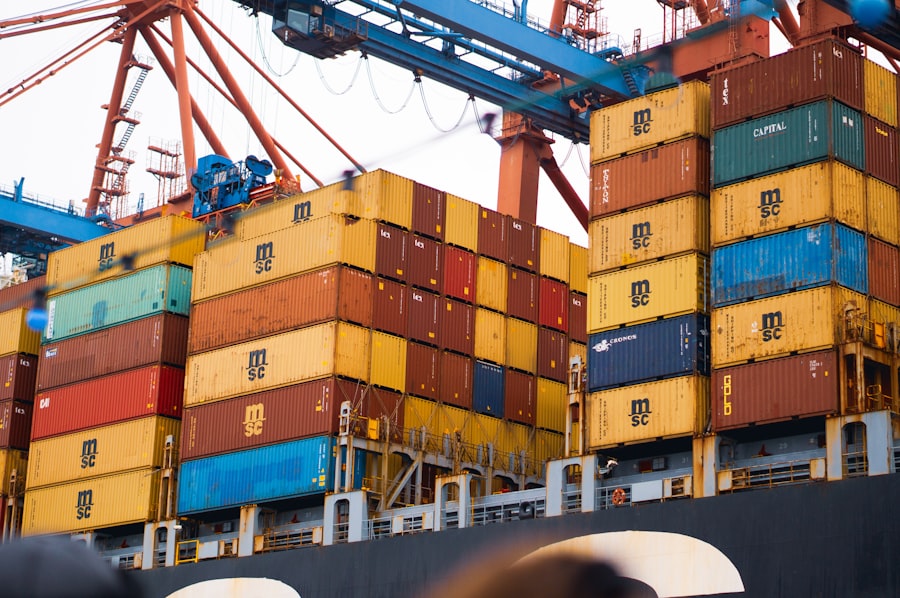
The geopolitical implications of both the Suez Canal and the Malacca Strait are profound, influencing regional stability and international relations. The Suez Canal has historically been a focal point for power struggles among nations seeking control over this vital waterway. Its strategic importance has made it a target during conflicts, as seen during the Suez Crisis when Egypt nationalized the canal.
This event not only highlighted the canal’s significance but also marked a shift in post-colonial dynamics in the Middle East. Similarly, the Malacca Strait is fraught with geopolitical tensions due to its critical role in global trade. The strait’s proximity to several key nations raises concerns about security and territorial disputes.
China’s growing influence in Southeast Asia has led to increased scrutiny from neighboring countries and Western powers alike. The strait’s importance as a shipping lane makes it susceptible to geopolitical maneuvering, with nations vying for influence over this crucial maritime corridor. As global power dynamics continue to shift, both waterways will remain central to discussions surrounding security and international relations.
Environmental concerns and challenges in Suez Canal and Malacca Strait
Environmental concerns surrounding both the Suez Canal and the Malacca Strait have garnered increasing attention in recent years. The Suez Canal faces challenges related to pollution from shipping activities, which can have detrimental effects on marine ecosystems. Oil spills and waste discharge from vessels pose significant risks to biodiversity in the surrounding waters.
Additionally, dredging activities aimed at maintaining navigability can disrupt local habitats and contribute to erosion.
The rapid expansion of port facilities and urbanization along its shores has led to habitat loss for various species.
Furthermore, increased shipping traffic raises concerns about marine pollution and accidents that could have catastrophic consequences for both human populations and wildlife. Addressing these environmental challenges requires collaborative efforts among nations bordering these waterways to implement sustainable practices that protect marine ecosystems while supporting economic growth.
Security and piracy issues in Suez Canal and Malacca Strait
Security concerns are paramount in both the Suez Canal and the Malacca Strait due to their strategic importance in global trade routes. The Suez Canal has faced threats from regional instability and terrorism over the years. Incidents involving attacks on vessels or infrastructure can disrupt shipping operations and pose risks to international trade.
As a result, Egypt has invested heavily in security measures to safeguard this vital waterway from potential threats. The Malacca Strait is notorious for piracy, which has historically plagued shipping routes in this region. Despite efforts by regional governments to enhance maritime security through patrols and international cooperation, piracy remains a concern for vessels traversing these waters.
Attacks on ships can lead to significant financial losses for shipping companies and pose risks to crew safety. Addressing piracy requires ongoing collaboration among nations bordering the strait to implement effective security measures while ensuring safe passage for commercial vessels.
Infrastructure and technological developments in Suez Canal and Malacca Strait
Infrastructure development plays a crucial role in enhancing the efficiency of both the Suez Canal and the Malacca Strait as vital maritime corridors. In recent years, significant investments have been made to expand and modernize facilities at both locations.
Similarly, advancements in technology have transformed operations within the Malacca Strait. Port facilities have been upgraded with state-of-the-art equipment to streamline cargo handling processes and improve overall efficiency. Additionally, digital technologies such as automated tracking systems have enhanced navigation safety within this busy shipping lane.
These developments not only bolster economic growth but also position both waterways as competitive players in an increasingly interconnected global trade landscape.
Economic impact and potential for growth in Suez Canal and Malacca Strait
The economic impact of both the Suez Canal and the Malacca Strait is substantial, contributing significantly to regional economies while facilitating global trade flows. The Suez Canal generates billions of dollars annually through tolls collected from passing vessels, providing essential revenue for Egypt’s economy. This income supports infrastructure development projects that further enhance the canal’s capacity and efficiency.
In contrast, the Malacca Strait serves as a critical economic lifeline for Southeast Asian nations reliant on trade passing through this corridor. Countries like Singapore have capitalized on their strategic location by developing world-class port facilities that attract shipping lines from around the globe. As global trade continues to expand, both waterways hold immense potential for growth through increased investments in infrastructure, technology upgrades, and enhanced logistics services that can further streamline operations.
A comparative analysis of Suez Canal and Malacca Strait
In conclusion, both the Suez Canal and the Malacca Strait are indispensable components of global trade networks that have shaped economic landscapes throughout history. While they share similarities as vital maritime corridors facilitating international commerce, their unique historical contexts, geopolitical implications, environmental challenges, security concerns, infrastructure developments, and economic impacts set them apart. The Suez Canal stands out for its historical significance as an engineering marvel that revolutionized maritime navigation while serving as a focal point for geopolitical tensions in the Middle East.
Conversely, the Malacca Strait’s historical role as a bustling trade route underscores its importance in connecting major economies across Asia while grappling with contemporary challenges such as piracy and environmental degradation. As global trade continues to evolve amidst shifting geopolitical dynamics, both waterways will remain central players influencing economic growth while presenting opportunities for collaboration among nations seeking sustainable solutions that balance commerce with environmental stewardship.
The Suez Canal and the Malacca Strait are two of the most significant maritime chokepoints in the world, each playing a crucial role in global trade. A detailed comparison of these vital waterways can be found in the article on MyGeoQuest, which explores their geographical, economic, and strategic importance. For more insights, you can read the article here.
FAQs
What are the Suez Canal and the Malacca Strait?
The Suez Canal is an artificial waterway in Egypt connecting the Mediterranean Sea to the Red Sea, allowing direct shipping between Europe and Asia. The Malacca Strait is a natural narrow stretch of water between the Malay Peninsula and the Indonesian island of Sumatra, serving as a key maritime passage between the Indian Ocean and the South China Sea.
Why are the Suez Canal and Malacca Strait important for global trade?
Both the Suez Canal and the Malacca Strait are critical chokepoints in global maritime trade. The Suez Canal significantly shortens the sea route between Europe and Asia, while the Malacca Strait is one of the busiest shipping lanes, facilitating a large portion of trade between the Indian Ocean and the Pacific Ocean.
How do the sizes and capacities of the Suez Canal and Malacca Strait compare?
The Suez Canal is a man-made canal approximately 193 kilometers long, designed to accommodate large vessels, including supertankers and container ships. The Malacca Strait is a natural waterway about 800 kilometers long but narrower and shallower in parts, limiting the size of ships that can safely pass through.
What are the main risks associated with shipping through the Suez Canal and Malacca Strait?
The Suez Canal faces risks such as vessel groundings, congestion, and geopolitical tensions. The Malacca Strait is vulnerable to piracy, narrow navigational channels, and environmental hazards, which can disrupt shipping traffic.
How do transit times compare when using the Suez Canal versus alternative routes?
Using the Suez Canal significantly reduces transit time between Europe and Asia compared to the alternative route around the Cape of Good Hope. The Malacca Strait is part of the shortest sea route between the Indian Ocean and the Pacific, so avoiding it generally results in longer voyages.
Are there any ongoing developments or expansions for the Suez Canal and Malacca Strait?
The Suez Canal has undergone expansions, including the creation of a parallel channel to increase capacity and reduce transit times. The Malacca Strait does not have man-made expansions but sees ongoing efforts to improve navigational safety and security.
Which countries control the Suez Canal and the Malacca Strait?
The Suez Canal is controlled and operated by Egypt. The Malacca Strait is bordered by Malaysia, Indonesia, and Singapore, with each country responsible for the security and management of its respective territorial waters.
How do environmental concerns impact the Suez Canal and Malacca Strait?
Both waterways face environmental challenges such as pollution, habitat disruption, and risks from oil spills. The Malacca Strait’s rich biodiversity is particularly sensitive to shipping traffic, while the Suez Canal has also been a pathway for invasive species between seas.