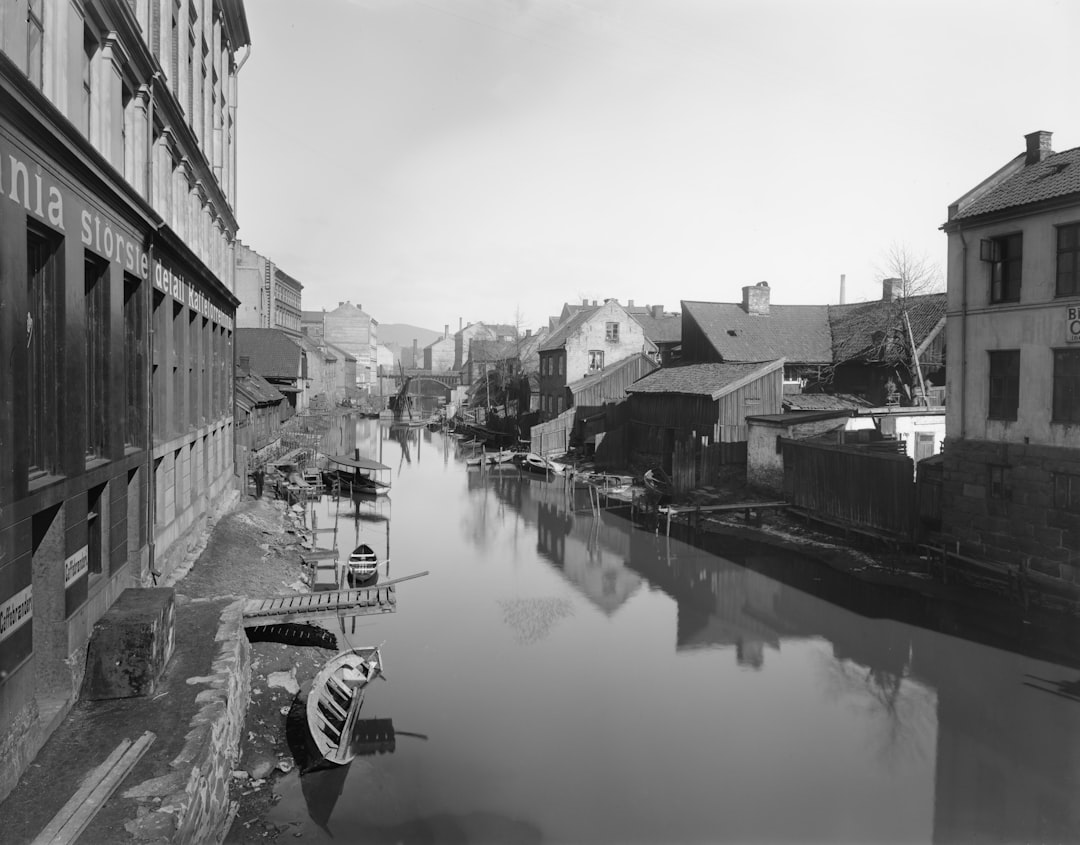
The Suez and Panama Canals stand as monumental achievements in engineering and global trade, serving as vital arteries that connect major bodies of water and facilitate international commerce. The Suez Canal, located in Egypt, links the Mediterranean Sea to the Red Sea, while the Panama Canal, situated in Panama, connects the Atlantic and Pacific Oceans. Both canals have transformed maritime navigation, significantly reducing travel time for ships and altering trade routes.
Their strategic importance cannot be overstated, as they have played pivotal roles in shaping economic landscapes and geopolitical dynamics throughout history. These two canals are not merely transportation routes; they are symbols of human ingenuity and ambition. The Suez Canal, completed in 1869, was a groundbreaking project that allowed ships to bypass the lengthy journey around Africa.
Similarly, the Panama Canal, which opened in 1914, revolutionized maritime travel by providing a shortcut between two vast oceans. Together, they exemplify the intersection of geography, engineering, and commerce, highlighting humanity’s relentless pursuit of progress and efficiency.
Key Takeaways
- The Suez and Panama Canals are crucial waterways with distinct historical, geographical, and engineering backgrounds.
- Both canals significantly boost global trade by providing shorter maritime routes, though they differ in environmental and operational aspects.
- Engineering feats behind each canal reflect unique challenges related to their locations and construction methods.
- Environmental and economic impacts of the canals are substantial, prompting ongoing technological upgrades and sustainability efforts.
- Safety, security, and geopolitical issues remain central challenges, shaping the future development and management of these vital canals.
Historical background and significance of the Suez and Panama Canals
The historical narratives of the Suez and Panama Canals are rich and complex, reflecting the socio-political climates of their respective eras. The Suez Canal was conceived by Ferdinand de Lesseps, a French diplomat and engineer who envisioned a direct maritime route between Europe and Asia. Its construction was fraught with challenges, including political opposition and financial difficulties.
Nevertheless, its completion marked a significant milestone in global trade, allowing for faster shipping routes that reshaped international commerce. In contrast, the Panama Canal’s history is marked by American intervention and engineering prowess. Initially started by the French in the 1880s, the project faced insurmountable obstacles, including tropical diseases and engineering failures.
After the French abandoned the project, the United States took over in 1904, ultimately completing the canal in 1914. The canal’s opening not only facilitated trade but also solidified U.S. influence in Central America.
Both canals have since become symbols of national pride for their respective countries and have had lasting impacts on global trade patterns.
Geographical and environmental differences between the Suez and Panama Canals
Geographically, the Suez Canal is situated in a predominantly arid region, characterized by desert landscapes and minimal rainfall. This environment has influenced the canal’s design and operational strategies. The Suez Canal stretches approximately 120 miles (193 kilometers) from Port Said to Suez City, with no locks due to its sea-level construction.
This feature allows for continuous navigation without interruptions, making it a crucial passage for large vessels. Conversely, the Panama Canal is nestled within a lush tropical environment, featuring dense rainforests and diverse ecosystems. The canal’s construction required extensive engineering solutions to navigate its hilly terrain and manage significant rainfall.
Unlike the Suez Canal, the Panama Canal employs a system of locks to raise and lower ships between different water levels, specifically from the Atlantic to the Pacific Ocean. This geographical distinction not only affects the engineering of each canal but also influences their operational procedures and environmental considerations.
Engineering and construction of the Suez and Panama Canals
The engineering feats behind both canals are testaments to human innovation and determination. The Suez Canal’s construction involved massive excavation efforts to create a navigable waterway through solid ground. The project utilized thousands of laborers who worked under challenging conditions to complete this ambitious endeavor.
The canal’s design was relatively straightforward due to its sea-level nature, allowing ships to traverse without locks or significant elevation changes. In stark contrast, the Panama Canal’s construction was a monumental challenge that required advanced engineering techniques to overcome natural obstacles. The project involved creating a series of locks that would lift ships from sea level to an artificial lake before descending them back down to sea level on the other side.
The use of steam shovels, dynamite, and other machinery marked a significant advancement in construction technology at the time. The successful completion of both canals showcased not only engineering prowess but also the ability to adapt to diverse environmental challenges.
Operational differences and similarities between the Suez and Panama Canals
| Metric | Suez Canal | Panama Canal |
|---|---|---|
| Location | Egypt, connecting Mediterranean Sea to Red Sea | Panama, connecting Atlantic Ocean to Pacific Ocean |
| Length | 193.3 km (120 miles) | 82 km (51 miles) |
| Year Opened | 1869 | 1914 |
| Type | Sea-level canal (no locks) | Lock canal (3 sets of locks) |
| Maximum Vessel Size | Suezmax (approx. 240,000 DWT) | New Panamax (approx. 120,000 DWT) |
| Transit Time | Approx. 12-16 hours | Approx. 8-10 hours |
| Annual Traffic (2023) | ~20,000 vessels | ~14,000 vessels |
| Revenue (2023) | ~6 billion | ~3.5 billion |
| Strategic Importance | Key route for Europe-Asia trade, avoids Africa | Key route for East Coast US to Asia, avoids South America |
Operationally, both canals serve as critical conduits for maritime traffic but differ significantly in their management and navigation processes. The Suez Canal operates on a continuous flow system, allowing vessels to transit without waiting for locks or elevation changes. This efficiency is a key advantage for shipping companies seeking to minimize transit times.
The canal is open year-round, with traffic managed through a scheduling system that optimizes vessel movements. In contrast, the Panama Canal’s operation is more complex due to its lock system. Ships must navigate through multiple locks that raise or lower them between different water levels.
This process can lead to longer transit times compared to the Suez Canal, particularly during peak traffic periods when vessels must wait for their turn to pass through the locks. However, both canals share similarities in their commitment to safety and efficiency, employing advanced navigation systems and traffic management protocols to ensure smooth operations.
Economic impact of the Suez and Panama Canals on global trade
The economic implications of both canals extend far beyond their immediate geographical locations; they have fundamentally altered global trade dynamics. The Suez Canal significantly reduces shipping distances between Europe and Asia, allowing goods to reach markets faster and at lower costs. This efficiency has made it an essential route for oil tankers, container ships, and bulk carriers alike.
The canal’s strategic location has also attracted significant investment from various countries seeking to capitalize on its economic potential. Similarly, the Panama Canal has had a profound impact on trade between North America and Asia. By providing a shortcut between two major oceans, it has facilitated increased maritime traffic and reduced shipping times for goods traveling between these regions.
The canal’s expansion in recent years has further enhanced its capacity to accommodate larger vessels, thereby increasing its economic significance in global trade networks. Both canals exemplify how infrastructure can drive economic growth by enhancing connectivity and reducing logistical barriers.
Environmental impact of the Suez and Panama Canals
While both canals have revolutionized maritime trade, their environmental impacts cannot be overlooked. The Suez Canal has faced criticism for its ecological consequences on local marine life due to increased shipping traffic and pollution from vessels traversing its waters. The canal’s construction also altered natural habitats in the surrounding areas, leading to concerns about biodiversity loss.
The Panama Canal presents its own set of environmental challenges stemming from deforestation and habitat disruption during its construction and subsequent expansions. The introduction of invasive species through maritime traffic has also raised alarms about ecological balance within local ecosystems. Both canals highlight the need for sustainable practices in maritime operations to mitigate their environmental footprints while continuing to support global trade.
Technological advancements and future developments in the Suez and Panama Canals
Technological advancements have played a crucial role in enhancing the efficiency and safety of both canals over time. In recent years, both the Suez and Panama Canals have embraced digital technologies such as automated navigation systems, real-time monitoring tools, and data analytics to optimize operations. These innovations have improved traffic management, reduced waiting times for vessels, and enhanced overall safety measures.
Looking ahead, future developments are likely to focus on sustainability initiatives aimed at minimizing environmental impacts while maximizing operational efficiency. Both canals are exploring ways to incorporate green technologies into their operations, such as using renewable energy sources for power generation or implementing eco-friendly practices for waste management. As global trade continues to evolve, these advancements will be essential for maintaining their relevance in an increasingly competitive maritime landscape.
Challenges and controversies surrounding the Suez and Panama Canals
Despite their significance, both canals face numerous challenges and controversies that could impact their future operations. The Suez Canal has encountered geopolitical tensions that threaten its stability as a vital trade route. Incidents such as blockages or conflicts in surrounding regions can disrupt shipping schedules and create economic repercussions worldwide.
Controversies surrounding toll rates have emerged as shipping companies seek cost-effective solutions while navigating through this critical passageway. Both canals must navigate these complexities while ensuring they remain viable options for global trade.
Safety and security measures in the Suez and Panama Canals
Safety and security are paramount concerns for both canals given their importance in international shipping routes. The Suez Canal Authority has implemented stringent security measures to protect vessels transiting through its waters from potential threats such as piracy or terrorism. Surveillance systems monitor vessel movements closely while naval patrols ensure safe passage through this critical corridor.
Similarly, the Panama Canal Authority prioritizes safety by enforcing strict regulations regarding vessel operations within its locks and channels. Comprehensive training programs for pilots ensure that ships navigate safely through challenging conditions while adhering to established protocols designed to prevent accidents or incidents within this busy waterway.
Lessons learned and future prospects for the Suez and Panama Canals
The Suez and Panama Canals serve as enduring symbols of human achievement in engineering while highlighting critical lessons about sustainability, cooperation, and adaptability in an ever-changing world. Their historical significance underscores how infrastructure can shape economies while fostering connections across continents. As global trade continues to evolve amidst technological advancements and environmental challenges, both canals must adapt to remain relevant players in maritime commerce.
By embracing innovation while prioritizing sustainability efforts alongside safety measures, they can ensure their continued importance as vital conduits for international trade well into the future.
The comparison between the Suez Canal and the Panama Canal highlights the strategic importance and engineering marvels of these two waterways. For a deeper understanding of their differences and similarities, you can read a related article on this topic at My Geo Quest. This resource provides insights into the historical significance, economic impact, and navigational challenges associated with both canals.
FAQs
What are the Suez Canal and Panama Canal?
The Suez Canal is an artificial waterway in Egypt connecting the Mediterranean Sea to the Red Sea, allowing direct maritime passage between Europe and Asia. The Panama Canal is a man-made waterway in Panama that connects the Atlantic Ocean (via the Caribbean Sea) to the Pacific Ocean, enabling ships to avoid the lengthy and hazardous route around the southern tip of South America.
When were the Suez Canal and Panama Canal constructed?
The Suez Canal was completed in 1869 after about 10 years of construction. The Panama Canal was completed later, in 1914, following a challenging construction period that began in the late 19th century.
What are the main differences in the design of the two canals?
The Suez Canal is a sea-level canal without locks, allowing ships to pass through directly. The Panama Canal uses a system of locks to raise and lower ships over the Isthmus of Panama, as the canal crosses higher terrain.
How long are the Suez Canal and Panama Canal?
The Suez Canal is approximately 193 kilometers (120 miles) long. The Panama Canal is about 82 kilometers (51 miles) long.
What types of ships can pass through each canal?
Both canals accommodate a wide range of commercial vessels, but their size limits differ. The Suez Canal can handle very large ships known as “Suezmax,” while the Panama Canal has size restrictions defined by “Panamax” and the newer “Neopanamax” standards after its expansion.
What is the strategic importance of the Suez and Panama Canals?
Both canals are critical global shipping routes that significantly reduce travel time and distance for maritime trade. The Suez Canal is vital for trade between Europe and Asia, while the Panama Canal is crucial for trade between the Atlantic and Pacific Oceans.
Who controls and operates the Suez Canal and Panama Canal?
The Suez Canal is operated by the Suez Canal Authority, an Egyptian state-owned entity. The Panama Canal is managed by the Panama Canal Authority, a Panamanian government agency.
Have there been any major expansions or upgrades to these canals?
Yes. The Suez Canal has undergone several expansions to widen and deepen the channel. The Panama Canal underwent a significant expansion completed in 2016, adding a new set of locks to accommodate larger vessels known as Neopanamax ships.
What are the environmental impacts of the Suez and Panama Canals?
Both canals have environmental impacts, including habitat disruption and the potential for invasive species transfer between different marine ecosystems. Efforts are ongoing to manage and mitigate these effects.
How do the Suez and Panama Canals affect global trade?
By providing shorter and safer maritime routes, both canals reduce shipping costs and transit times, facilitating international trade and economic growth worldwide.