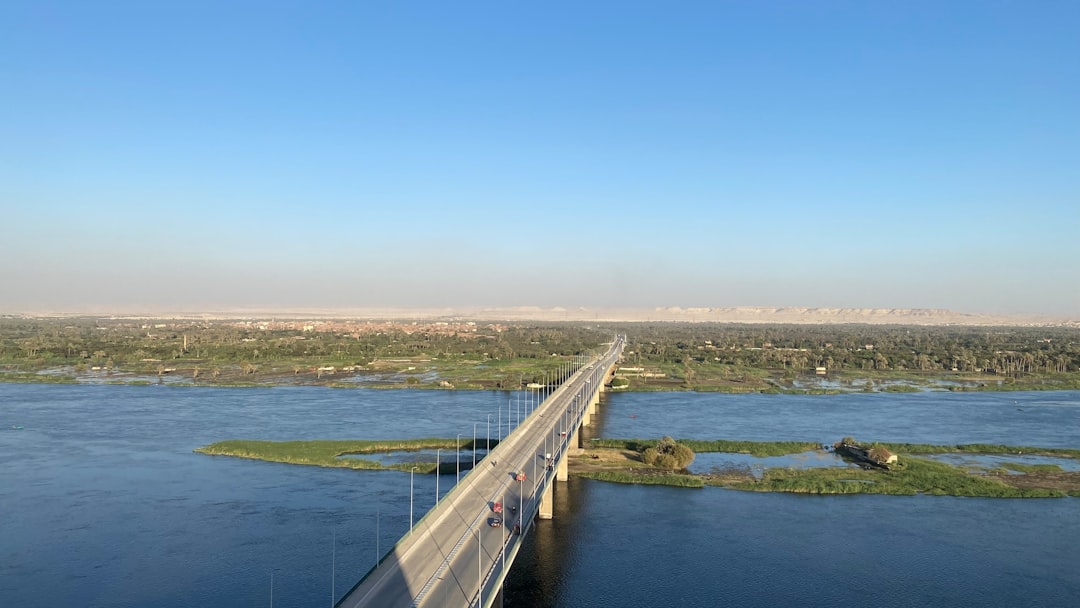
The Suez Canal stands as a monumental artery of global trade, connecting the Mediterranean Sea to the Red Sea and significantly reducing the maritime distance between Europe and Asia. This artificial waterway, completed in 1869, has become a critical conduit for international shipping, facilitating the passage of approximately 12% of global trade. The canal allows vessels to bypass the lengthy and perilous route around the southern tip of Africa, thus saving both time and fuel costs.
Its strategic location makes it indispensable for the transportation of goods, including oil, natural gas, and consumer products, which are vital to the economies of many nations. Moreover, the Suez Canal’s economic significance extends beyond mere transportation. It serves as a vital source of revenue for Egypt, generating billions of dollars annually through tolls levied on passing ships.
The canal’s operation supports thousands of jobs and stimulates local economies along its banks. As global trade continues to expand, the Suez Canal’s role is likely to grow even more critical, making it a focal point for international commerce and a barometer for global economic health.
Key Takeaways
- The Suez Canal is a critical chokepoint for global trade, linking major economies and facilitating significant maritime traffic.
- Historical and current geopolitical tensions in the region involve multiple global and regional powers vying for influence and control.
- Security concerns have led to increased military presence, impacting the stability and safety of the canal’s operations.
- Geopolitical tensions in the Suez Canal have direct economic consequences, affecting global supply chains and trade costs.
- Diplomatic efforts and international organizations play a vital role in managing conflicts and ensuring the canal remains open and secure.
Historical Geopolitical Tensions in the Suez Canal Region
The history of the Suez Canal is fraught with geopolitical tensions that have shaped its significance in international relations. The canal was initially constructed under French auspices but was later nationalized by Egyptian President Gamal Abdel Nasser in 1956, leading to the Suez Crisis. This event saw Britain, France, and Israel launch a military intervention to regain control over the canal, highlighting its strategic importance and the lengths to which nations would go to secure their interests.
The crisis not only underscored the canal’s geopolitical significance but also marked a turning point in post-colonial dynamics in the Middle East. In subsequent decades, the Suez Canal has remained a flashpoint for regional conflicts and international rivalries. The Arab-Israeli wars and ongoing tensions between various Middle Eastern nations have often had repercussions for canal operations.
The closure of the canal during conflicts has had immediate effects on global shipping routes, demonstrating how regional instability can reverberate across the world economy. These historical tensions have laid the groundwork for contemporary geopolitical dynamics surrounding the canal.
Current Geopolitical Players in the Suez Canal
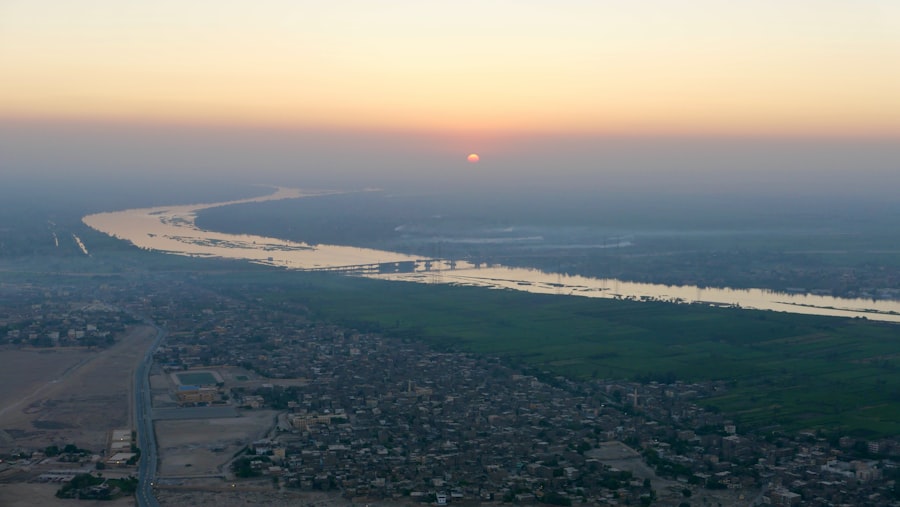
In today’s geopolitical landscape, several key players exert influence over the Suez Canal, each with distinct interests and strategies. Egypt remains the primary authority governing the canal, leveraging its control to enhance national revenue and assert its regional influence. The Egyptian government has invested in infrastructure improvements to accommodate larger vessels and increase traffic through the canal, thereby solidifying its economic importance.
Additionally, global powers such as the United States, China, and European nations maintain vested interests in the Suez Canal due to its critical role in international trade. The United States views the canal as essential for maintaining energy security and ensuring that oil supplies flow smoothly from the Middle East to Western markets. Meanwhile, China’s Belt and Road Initiative has led to increased investment in infrastructure projects around the canal, further intertwining its economic ambitions with regional geopolitics.
These dynamics create a complex web of relationships that shape decision-making processes related to the canal.
Geopolitical Implications of the Suez Canal for Global Powers
The geopolitical implications of the Suez Canal extend far beyond its immediate vicinity, influencing global power dynamics and international relations. For many countries, control over or access to this vital waterway is synonymous with economic leverage and strategic advantage. The canal’s significance as a transit route for oil and gas means that disruptions can have cascading effects on global energy markets, impacting prices and availability.
Furthermore, the Suez Canal serves as a litmus test for broader geopolitical rivalries. For instance, tensions between Western powers and Russia or Iran can manifest in disputes over shipping routes or security measures in and around the canal. As nations vie for influence in the region, the Suez Canal remains a focal point where economic interests intersect with national security concerns.
This interplay underscores how vital maritime chokepoints can shape global power structures.
Security Concerns and Military Presence in the Suez Canal
| Metric | Value | Details |
|---|---|---|
| Number of Ships Delayed | Approximately 400 | Ships waiting to pass during peak tension periods |
| Average Delay Time | 3-5 days | Delay caused by geopolitical blockades or security checks |
| Impact on Global Trade Volume | Up to 12% | Percentage of global maritime trade passing through the canal |
| Increase in Shipping Costs | 15-25% | Due to rerouting and insurance premiums during tensions |
| Number of Alternative Routes Used | 2 main routes | Including Cape of Good Hope and Northern Sea Route |
| Frequency of Security Incidents | 3-5 per year | Includes piracy, military standoffs, and sabotage attempts |
| Countries Involved in Tensions | 5+ | Key regional and global powers influencing canal security |
Security concerns surrounding the Suez Canal are paramount given its strategic importance. The potential for piracy, terrorism, or military conflict poses significant risks to shipping operations and global trade. In response to these threats, various nations have established military presences in the region to safeguard their interests.
The United States maintains a naval presence in the Mediterranean Sea as part of its broader strategy to ensure freedom of navigation and protect vital shipping lanes. Egypt also plays a crucial role in maintaining security around the canal. The Egyptian military is tasked with protecting this critical infrastructure from potential threats while also managing any internal unrest that could disrupt operations.
The collaboration between Egypt and other nations highlights how security concerns are not only national but also international in scope. As geopolitical tensions continue to evolve, ensuring security in and around the Suez Canal remains a top priority for all stakeholders involved.
Economic Impact of Geopolitical Tensions in the Suez Canal
Geopolitical tensions surrounding the Suez Canal have profound economic implications that resonate throughout global markets. Disruptions caused by conflicts or political instability can lead to significant delays in shipping schedules, resulting in increased costs for businesses reliant on timely deliveries. For instance, during periods of heightened tension or military conflict, shipping companies may reroute vessels around Africa, leading to longer transit times and higher fuel expenses.
Moreover, fluctuations in oil prices often correlate with events affecting the Suez Canal. Given that a substantial portion of oil transported globally passes through this waterway, any disruption can lead to price spikes that impact economies worldwide. Countries dependent on oil imports may face inflationary pressures as costs rise, while oil-exporting nations may experience shifts in revenue streams based on changing demand dynamics.
Thus, geopolitical tensions surrounding the canal can create ripple effects that extend far beyond its immediate geographic boundaries.
Environmental Concerns and Geopolitical Tensions in the Suez Canal
Environmental concerns are increasingly intertwined with geopolitical tensions in the Suez Canal region. The canal’s operation has significant ecological implications, particularly regarding marine biodiversity and water quality. Increased shipping traffic raises concerns about pollution from oil spills and ballast water discharge, which can introduce invasive species into local ecosystems.
Additionally, climate change poses long-term challenges for the region’s environmental stability. Rising sea levels threaten coastal areas along the canal, while extreme weather events can disrupt shipping operations and infrastructure integrity. As nations grapple with these environmental challenges, geopolitical tensions may arise over resource allocation and management strategies.
Balancing economic interests with environmental sustainability will be crucial for ensuring that the Suez Canal remains a viable trade route while protecting its ecological integrity.
Diplomatic Efforts to Mitigate Geopolitical Tensions in the Suez Canal
Diplomatic efforts play a vital role in mitigating geopolitical tensions surrounding the Suez Canal. Various international organizations and regional coalitions work collaboratively to address disputes and promote stability in this critical area. Egypt often engages in diplomatic dialogues with neighboring countries to foster cooperation and ensure that shared interests are prioritized over conflict.
Furthermore, multilateral forums provide platforms for discussing issues related to maritime security and trade facilitation. Initiatives aimed at enhancing communication among stakeholders can help prevent misunderstandings that may escalate into larger conflicts. By fostering dialogue and collaboration among nations with vested interests in the canal, diplomatic efforts can contribute significantly to maintaining peace and stability in this strategically important region.
Future Scenarios for Geopolitical Tensions in the Suez Canal
Looking ahead, several scenarios could unfold regarding geopolitical tensions in the Suez Canal. One possibility is an escalation of existing rivalries among regional powers, leading to increased military presence or confrontations near the canal. Such developments could disrupt shipping operations and heighten global economic uncertainty.
Conversely, there is potential for greater cooperation among nations sharing interests in maintaining stability around the canal. Collaborative efforts focused on security enhancements and environmental protection could pave the way for more sustainable management of this vital waterway. As global trade continues to evolve, adapting to new challenges will be essential for ensuring that geopolitical tensions do not undermine the canal’s significance as a key conduit for international commerce.
The Role of International Organizations in Managing Geopolitical Tensions in the Suez Canal
International organizations play a crucial role in managing geopolitical tensions surrounding the Suez Canal by providing frameworks for cooperation and conflict resolution. The United Nations and regional bodies such as the Arab League facilitate dialogue among member states to address issues related to maritime security and trade facilitation. These organizations often serve as mediators during crises, helping to de-escalate tensions before they spiral into larger conflicts.
By fostering collaboration among nations with vested interests in maintaining stability around the Suez Canal, international organizations contribute significantly to mitigating geopolitical tensions.
Navigating Geopolitical Tensions in the Suez Canal
Navigating geopolitical tensions surrounding the Suez Canal requires a multifaceted approach that balances national interests with global cooperation. As a critical artery of international trade, any disruptions can have far-reaching consequences for economies worldwide. Understanding historical contexts and current dynamics is essential for stakeholders seeking to navigate this complex landscape effectively.
The future of the Suez Canal will depend on how nations address emerging challenges while fostering collaboration among diverse actors involved in its management. By prioritizing diplomatic efforts and engaging with international organizations, stakeholders can work towards ensuring that this vital waterway remains open and secure for generations to come. Ultimately, navigating geopolitical tensions will require a commitment to dialogue, cooperation, and sustainable practices that recognize both economic imperatives and environmental responsibilities.
For a deeper understanding of these dynamics, you can read a related article that explores the historical context and current challenges faced in this critical maritime route. Check it out here: Suez Canal Geopolitical Tension.
FAQs
What is the Suez Canal?
The Suez Canal is a man-made waterway in Egypt that connects the Mediterranean Sea to the Red Sea, allowing for direct maritime transport between Europe and Asia without navigating around Africa.
Why is the Suez Canal geopolitically important?
The Suez Canal is a critical global trade route, facilitating about 12% of global trade and a significant portion of oil shipments. Its strategic location makes it a focal point for international economic and political interests.
What causes geopolitical tensions around the Suez Canal?
Tensions arise due to its strategic importance, control over the canal, regional conflicts, competition among global powers, and incidents that disrupt shipping, such as blockages or military confrontations.
Which countries are primarily involved in the geopolitics of the Suez Canal?
Egypt controls the canal, but countries like the United States, China, Russia, and European nations have significant interests due to trade routes and regional influence. Neighboring Middle Eastern countries also play roles in the geopolitical dynamics.
How do disruptions in the Suez Canal affect global trade?
Disruptions can delay shipments, increase shipping costs, and impact global supply chains, especially for oil, gas, and manufactured goods, leading to economic consequences worldwide.
Has the Suez Canal been a site of conflict historically?
Yes, the canal has been central in conflicts such as the Suez Crisis of 1956 and has been affected by regional wars and political disputes impacting its operation and control.
What measures are taken to ensure the security of the Suez Canal?
Egypt maintains military and security forces to protect the canal, and international cooperation exists to safeguard maritime navigation. Additionally, infrastructure improvements and contingency planning help mitigate risks.
Can alternative routes replace the Suez Canal?
While alternative routes like the Cape of Good Hope exist, they are longer and more costly. Some countries are also developing overland corridors and pipelines, but none match the efficiency of the Suez Canal for certain trade flows.
How does the Suez Canal impact energy security?
The canal is a vital passage for oil and liquefied natural gas shipments from the Middle East to Europe and Asia, making it crucial for global energy supply and security.
What recent events have heightened geopolitical tensions around the Suez Canal?
Recent events include the 2021 blockage of the canal by the Ever Given container ship, regional military activities, and increased naval presence by global powers, all contributing to heightened geopolitical focus on the canal.